

Free Helpline
We are here to assist you.
Health Advisor
+91-8877772277Available 7 days a week
10:00 AM – 6:00 PM to support you with urgent concerns and guide you toward the right care.

We are here to assist you.
Health Advisor
+91-8877772277Available 7 days a week
10:00 AM – 6:00 PM to support you with urgent concerns and guide you toward the right care.
Learn about the key differences between infectious colitis and ulcerative colitis, including their causes, symptoms, diagnosis, and treatment options.

Understanding Colitis: Infectious vs. Ulcerative Colitis, a condition characterized by inflammation of the colon, can manifest in various forms. Two prominent types that often cause confusion due to overlapping symptoms are infectious colitis and ulcerative colitis. While both involve inflammation of the large intestine, their underlying causes, diagnostic approaches, and treatment strategies differ significantly. This article aims to clarify these distinctions, providing valuable insights for individuals in India seeking to understand these conditions better. What is Infectious Colitis? Infectious colitis, also known as infective colitis, is inflammation of the colon triggered by an infection. This infection can be caused by a range of pathogens, including bacteria, viruses, or parasites. The colon's lining becomes inflamed as the body fights off the invading microorganisms. Causes of Infectious Colitis The causes of infectious colitis are diverse and depend on the type of pathogen involved: Bacterial Infections: Common culprits include Salmonella , Escherichia coli (E. coli), and Clostridioides difficile (C. diff). These bacteria can be contracted through contaminated food or water, or through person-to-person contact, especially in healthcare settings. Viral Infections: Viruses like rotavirus, adenovirus, norovirus, and cytomegalovirus can also lead to colitis. These are often spread through contaminated surfaces, food, or direct contact with an infected person. Parasitic Infections: Parasites such as Entamoeba histolytica can cause inflammation. These are typically acquired through contaminated water or food, particularly in areas with poor sanitation. Symptoms of Infectious Colitis The symptoms of infectious colitis can vary in severity but often include: Diarrhea, which may be watery or bloody Abdominal pain and cramping Fever Nausea and vomiting Tenesmus (a frequent and urgent feeling of needing to pass stool, even when the bowels are empty) Loss of appetite What is Ulcerative Colitis? Ulcerative colitis (UC) is a chronic inflammatory bowel disease (IBD) that affects the large intestine (colon) and rectum. It is characterized by inflammation and ulceration of the innermost lining of the colon. Unlike infectious colitis, UC is not caused by an infection and is believed to be an autoimmune condition. Causes of Ulcerative Colitis The exact cause of ulcerative colitis remains unknown, but researchers believe it involves a complex interplay of factors: Autoimmune Response: The prevailing theory suggests that the body's immune system mistakenly attacks the healthy tissues of the colon, leading to inflammation. Genetics: A family history of UC increases the risk. If a parent or sibling has the condition, your chances of developing it are higher. It's estimated that up to 1 in 10 people with UC have a family member with the condition. Environmental Factors: While not fully understood, certain environmental triggers may play a role in initiating or exacerbating the disease in genetically predisposed individuals. Gut Microbiome: Alterations in the balance of bacteria in the gut may also contribute to the development of UC. It's important to note that ulcerative colitis is not contagious and cannot be contracted by coming into contact with someone who has it. Symptoms of Ulcerative Colitis Symptoms of ulcerative colitis can range from mild to severe and often appear in periods of flare-ups followed by remission (periods when symptoms disappear). Common symptoms include: Bloody diarrhea Abdominal pain and cramping Tenesmus Rectal bleeding Urgency to defecate Weight loss Fatigue Fever In severe cases, individuals may experience extra-intestinal symptoms affecting other parts of the body, such as joints, eyes, or skin. Similarities Between Infectious Colitis and Ulcerative Colitis Despite their different causes, infectious colitis and ulcerative colitis share several overlapping symptoms, making diagnosis challenging without proper medical evaluation: Diarrhea Abdominal pain and cramping Tenesmus Rectal bleeding (can occur in both, though more consistently a hallmark of UC) Fever Diagnosis: Differentiating the Conditions Accurate diagnosis is crucial for effective treatment. A healthcare professional will typically: Take a Medical History: Discuss your symptoms, their duration, any recent travel, food intake, and family history of bowel diseases. Perform a Physical Examination: This may involve palpating the abdomen to check for tenderness or swelling. Conduct Stool Tests: These tests are vital for infectious colitis, as they can identify the presence of bacteria, viruses, or parasites in the stool. Perform Blood Tests: Blood tests can help assess for signs of inflammation, infection, anemia, and nutritional deficiencies. Imaging Tests: Procedures like abdominal CT scans or pelvic CT scans might be used to visualize the colon and identify areas of inflammation, thickening, or other abnormalities. Colonoscopy and Biopsy: In cases where UC is suspected, a colonoscopy allows direct visualization of the colon's lining. Biopsies (tissue samples) taken during the procedure can help differentiate between UC and other forms of colitis by examining the pattern of inflammation and cellular changes. Treatment Approaches Treatment strategies are tailored to the specific cause of colitis: Treatment for Infectious Colitis Treatment focuses on eradicating the infection and managing symptoms: Antibiotics: Prescribed for bacterial infections. Antivirals or Antiparasitics: Used for viral or parasitic infections, respectively. Fluid and Electrolyte Replacement: Crucial to combat dehydration caused by diarrhea. Rest: Allowing the body to recover. Treatment for Ulcerative Colitis Treatment for UC aims to reduce inflammation, manage symptoms, and prevent flare-ups. It is a chronic condition requiring long-term management: Anti-inflammatory Drugs: Such as aminosalicylates (5-ASAs) and corticosteroids. Immunomodulators: Medications that suppress the immune system to reduce inflammation. Biologics: Advanced therapies that target specific proteins involved in the inflammatory process. Surgery: In severe or unresponsive cases, surgical removal of the colon (colectomy) may be necessary. Dietary Modifications: While not a cure, certain dietary changes can help
In summary, timely diagnosis, evidence-based treatment, and prevention-focused care improve long-term health outcomes.
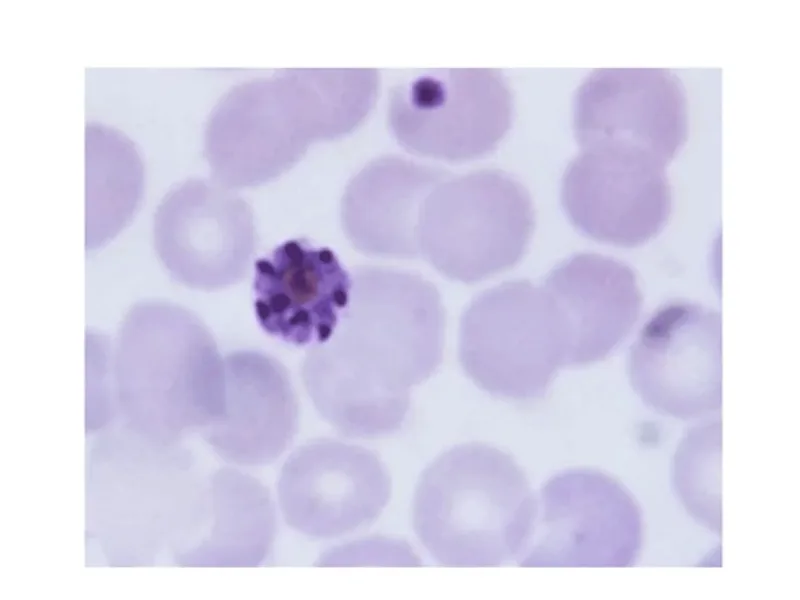
Understand the peripheral blood smear test for malaria diagnosis, its procedure, and what results mean for patients.
April 20, 2026
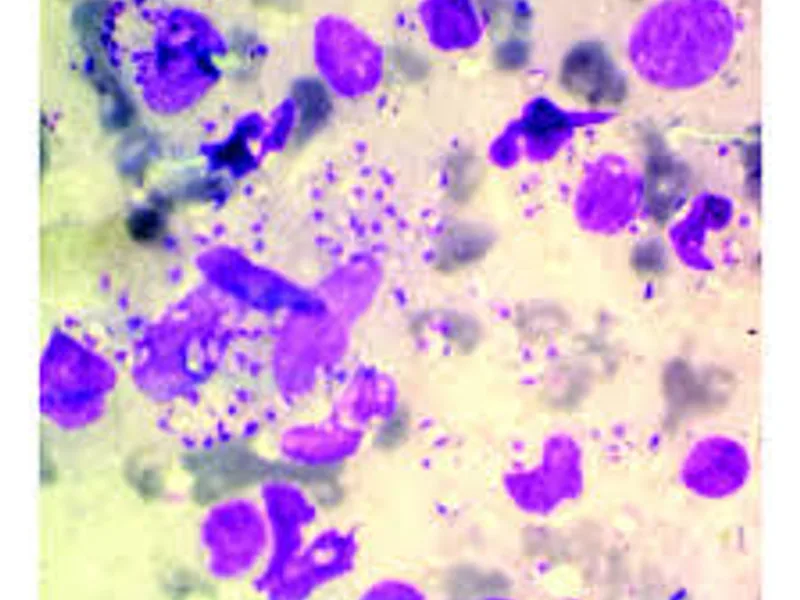
Discover how specialized staining techniques, like Giemsa, are crucial for accurately diagnosing Leishmaniasis, identifying the parasite, and guiding timely treatment. Understand this key diagnostic approach.
April 20, 2026
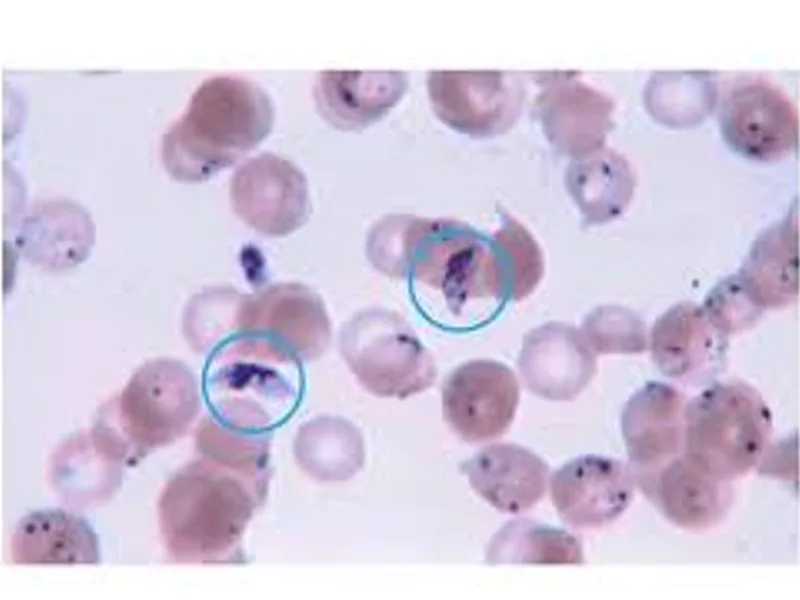
Understand the peripheral blood smear test for malaria diagnosis, its procedure, and why it's a vital tool in combating this disease.
April 20, 2026