

Free Helpline
We are here to assist you.
Health Advisor
+91-8877772277Available 7 days a week
10:00 AM – 6:00 PM to support you with urgent concerns and guide you toward the right care.

We are here to assist you.
Health Advisor
+91-8877772277Available 7 days a week
10:00 AM – 6:00 PM to support you with urgent concerns and guide you toward the right care.
Explore the connection between HIV and genetics. Learn why HIV isn't a genetic disease but how genes can affect risk, and understand parent-to-child transmission.

Understanding the Complex Relationship Between HIV and Genetics Human Immunodeficiency Virus (HIV) is a virus that attacks the body's immune system, specifically targeting CD4 cells, which are crucial for fighting off infections. While HIV is not a genetic disease in the traditional sense, meaning it's not passed down through inherited genes like sickle cell anemia or cystic fibrosis, there's a fascinating and complex interplay between HIV and our genetics. This article delves into how our genes might influence our susceptibility to HIV, how the virus interacts with our DNA, and the critical ways HIV can be transmitted from a parent to a child, even though it's not hereditary. Is HIV a Genetic Disease? Genetic disorders are typically caused by inherited gene mutations or changes within our DNA that are passed from parents to offspring. Diseases like cystic fibrosis or Huntington's disease fall into this category. Other conditions, such as certain types of cancer, can develop due to genetic mutations that occur during a person's lifetime, and in some cases, these acquired mutations can be passed on to future generations. HIV, however, does not fit neatly into these definitions. It is a virus, a microscopic organism that invades host cells to replicate. It doesn't originate from a defect in our own genes, nor does it alter the genes in our reproductive cells (sperm and egg) in a way that would be passed down to children. How HIV Interacts with Your DNA The unique characteristic of HIV, as a retrovirus, is its ability to integrate its own genetic material (RNA) into the DNA of the host's cells. When HIV infects a CD4 cell, it uses an enzyme called reverse transcriptase to convert its RNA into DNA. This viral DNA then enters the cell's nucleus and integrates itself into the host cell's own DNA. This integration is what allows HIV to replicate and persist in the body. However, it's crucial to understand that this integration happens within the CD4 cells, which are not the cells responsible for passing genetic information to the next generation. The DNA that is passed down to children comes from the sperm and egg cells, which are not typically the primary targets of HIV infection in the same way CD4 cells are. Can Genetics Influence Your Risk of Contracting HIV? While HIV isn't inherited, research suggests that our genetic makeup can play a role in our susceptibility to the virus if we are exposed. Several studies have explored this connection: Genetic Susceptibility: A 2020 study indicated that genetics might account for up to 42% of a person's susceptibility to HIV. This means that some individuals may be genetically predisposed to contracting the virus more easily than others. Gene Mutations and Risk: Researchers have identified specific gene mutations that can influence HIV risk. For instance, a mutation in the EFCAB14 gene was found to potentially increase the risk of acquiring HIV in a study focusing on people of European ancestry. Similarly, a 2017 study in sub-Saharan Africa identified rare mutations in the CD101 gene (increasing risk by 2.7 times) and the UBE2V1 gene (increasing risk by 3.7 times) that could affect HIV risk. Protective Genes: Conversely, some genetic variations might offer a degree of protection against HIV. A 2018 study suggested that individuals with two copies of a specific form (allele) of the CCR5 gene, known as delta-32, showed slight protection against HIV infection. However, this study had limitations, and the results were not statistically significant. It's also interesting to note that the CCR5 gene mutation has been linked to both protection against smallpox and an increased risk of COVID-19, highlighting the complex roles genes can play in disease susceptibility. It's important to remember that these genetic factors influence susceptibility, but they do not determine whether someone will contract HIV. Exposure to the virus remains the most critical factor. Parent-to-Child Transmission of HIV Despite HIV not being a genetic disease, a pregnant person with HIV can transmit the virus to their child. This transmission can occur in several ways: During Pregnancy: The virus can cross the placenta and infect the fetus. During Childbirth: Exposure to the mother's blood and bodily fluids during labor and delivery is a significant risk factor. Through Breast Milk: HIV can be transmitted through breast milk. However, the risk of transmission through breastfeeding is significantly reduced to under 1% if the mother is on effective antiretroviral therapy (ART). Fortunately, with advancements in medical care, the risk of mother-to-child transmission of HIV has been dramatically reduced. Antiretroviral therapy (ART) taken by the pregnant parent, and sometimes given to the baby after birth, along with safe delivery practices and avoiding breastfeeding when possible (or using ART if breastfeeding is necessary), can make the chances of transmission extremely low. Diagnosis and Treatment Diagnosing HIV involves specific blood or saliva tests that detect antibodies to the virus or the virus itself. Early diagnosis is crucial for effective management. Treatment for HIV primarily involves Antiretroviral Therapy (ART). ART is a combination of medications that suppress the virus, preventing it from replicating and damaging the immune system. When taken consistently, ART can reduce the viral load in the blood to undetectable levels. This not only helps the individual maintain a healthy immune system and live a long, healthy life but also prevents transmission to others. An undetectable viral load means the virus is present in such small amounts that it cannot be
In summary, timely diagnosis, evidence-based treatment, and prevention-focused care improve long-term health outcomes.
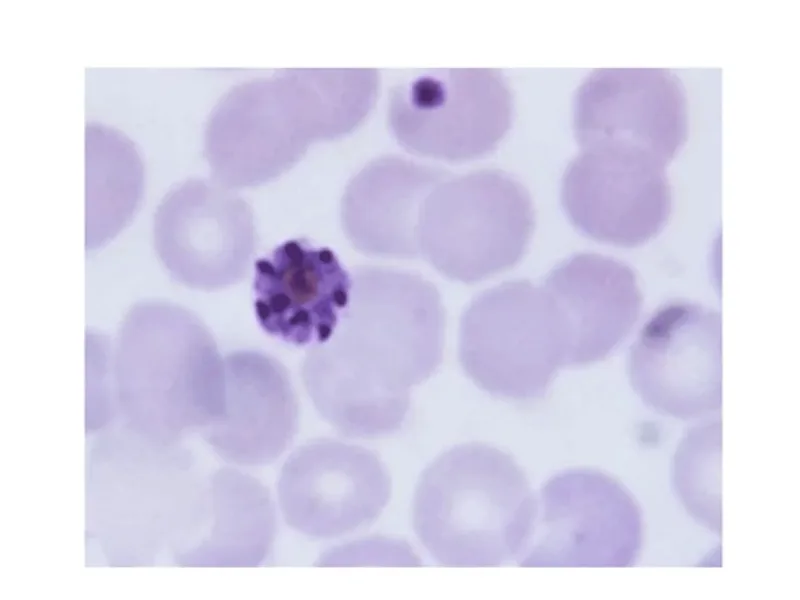
Understand the peripheral blood smear test for malaria diagnosis, its procedure, and what results mean for patients.
April 20, 2026
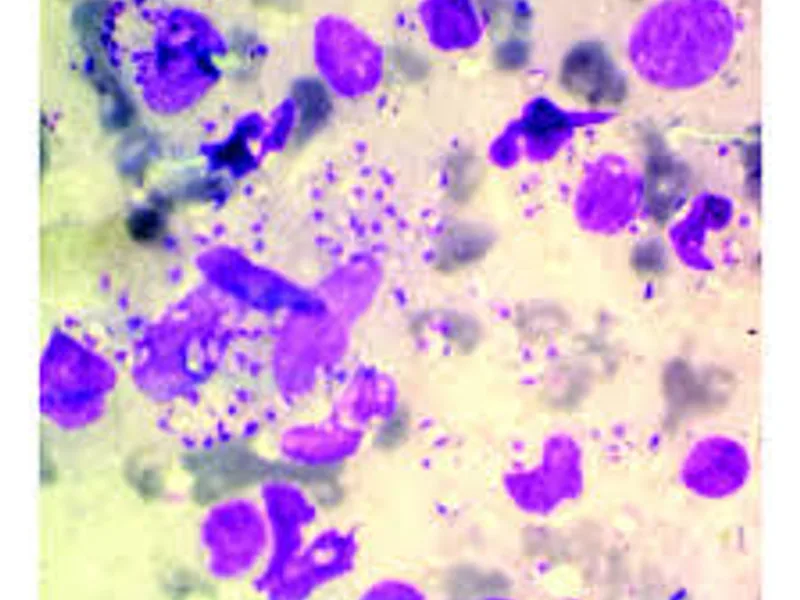
Discover how specialized staining techniques, like Giemsa, are crucial for accurately diagnosing Leishmaniasis, identifying the parasite, and guiding timely treatment. Understand this key diagnostic approach.
April 20, 2026
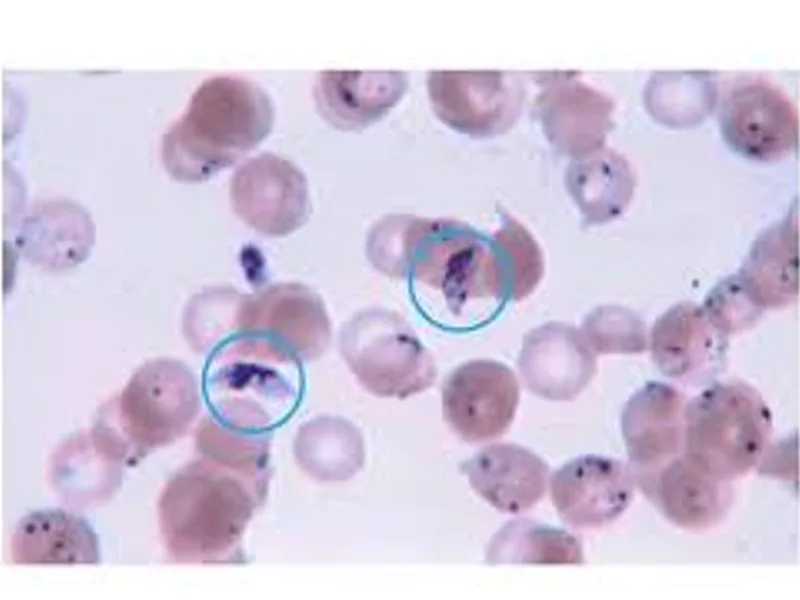
Understand the peripheral blood smear test for malaria diagnosis, its procedure, and why it's a vital tool in combating this disease.
April 20, 2026