

Free Helpline
We are here to assist you.
Health Advisor
+91-8877772277Available 7 days a week
10:00 AM – 6:00 PM to support you with urgent concerns and guide you toward the right care.

We are here to assist you.
Health Advisor
+91-8877772277Available 7 days a week
10:00 AM – 6:00 PM to support you with urgent concerns and guide you toward the right care.
Learn about histamine, the body's natural chemical messenger involved in immune responses, allergies, and gut function. Discover its roles, triggers, symptoms of imbalance, and management strategies.

Understanding Histamine: Your Body's Natural Chemical Messenger Histamine is a fascinating and vital chemical compound produced naturally within your body. While often associated with the unpleasant symptoms of allergies, its role extends far beyond that. Histamine is a key player in your immune system's response to foreign invaders, helping to protect you from harm. It also plays a crucial role in various other bodily functions, including regulating your gut, brain, and overall immune health. This article delves into what histamine is, how it works, what triggers its release, and how to manage conditions related to its levels. What Exactly Is Histamine? Histamine is an organic nitrogenous compound, an amine, that is synthesized from the amino acid histidine. It's found in virtually all tissues of the body, with particularly high concentrations in your lungs, skin, and gastrointestinal tract. It's also stored in specialized immune cells called mast cells and basophils, which are crucial for initiating inflammatory and allergic responses. The Multifaceted Role of Histamine in the Body Histamine's functions are diverse and essential for maintaining health: 1. Immune Response and Allergy This is perhaps histamine's most well-known role. When your body encounters an allergen (like pollen, dust mites, or certain foods), your immune system releases histamine from mast cells and basophils. This release triggers several responses: Vasodilation: Blood vessels widen, increasing blood flow to the affected area. This can cause redness and swelling. Increased Vascular Permeability: Blood vessel walls become more permeable, allowing immune cells and fluids to leak into tissues. This contributes to swelling and inflammation. Smooth Muscle Contraction: In the airways, histamine can cause muscles to tighten (bronchoconstriction), leading to difficulty breathing. In the gut, it can cause cramps. Nerve Stimulation: Histamine can stimulate nerve endings, leading to itching and pain. Mucus Production: It increases mucus production in the airways, helping to trap and expel allergens. 2. Gastrointestinal Function Histamine plays a significant role in your digestive system. It stimulates the parietal cells in your stomach lining to produce gastric acid. This acid is essential for breaking down food and killing harmful bacteria, thus aiding digestion and protecting against infections. 3. Neurological Functions In the brain, histamine acts as a neurotransmitter. It influences wakefulness, alertness, appetite, and cognitive functions. This is why some older antihistamines can cause drowsiness – they block histamine receptors in the brain. What Triggers Histamine Release? Several factors can lead to the release of histamine in the body: 1. Allergens The most common triggers are allergens, substances that cause an allergic reaction in susceptible individuals. These include: Pollen Dust mites Animal dander Certain foods (e.g., nuts, shellfish, dairy, eggs) Insect stings or bites Certain medications 2. Histamine-Rich Foods Some foods naturally contain high levels of histamine. Consuming these can directly increase histamine levels in your body. Examples include: Fermented foods: Sauerkraut, yogurt, kefir, aged cheeses, wine, beer Cured meats: Salami, ham Certain fish: Tuna, mackerel, sardines (especially if not fresh) Spinach, eggplant, tomatoes Nuts (especially walnuts and cashews) 3. Histamine Liberators These are foods or substances that don't necessarily contain high histamine but trigger your body to release its own stored histamine. Examples include: Citrus fruits Strawberries Chocolate Alcohol Artificial additives and preservatives Certain medications 4. Other Triggers Environmental factors like artificial fragrances and stress can also influence histamine levels. Histamine Intolerance: When the Body Can't Cope Normally, your body breaks down excess histamine using an enzyme called diamine oxidase (DAO). If your DAO enzyme activity is low, or if you consume a high-histamine diet, your body may not be able to process histamine effectively. This can lead to a condition known as histamine intolerance, where you experience symptoms similar to an allergic reaction even without a true allergy. Symptoms of High Histamine Levels or Intolerance The symptoms can be wide-ranging and often mimic those of allergies or other conditions. They can affect various body systems: 1. Gastrointestinal Symptoms Abdominal pain Bloating Diarrhea Nausea Vomiting 2. Skin Symptoms Itchiness (pruritus) Hives (urticaria) Eczema flare-ups Redness 3. Respiratory Symptoms Runny or stuffy nose Sneezing Coughing Wheezing or shortness of breath 4. Cardiovascular Symptoms Headaches or migraines Low blood pressure (hypotension) Heart palpitations 5. Other Symptoms Fatigue Anxiety Menstrual irregularities Diagnosis and When to Consult a Doctor Diagnosing high histamine levels or histamine intolerance can be challenging because the symptoms overlap with many other conditions. There isn't a single definitive test for histamine intolerance. Diagnosis often involves: Detailed Medical History: Your doctor will ask about your symptoms, diet, and lifestyle. Symptom Diary: Keeping a record of your food intake and symptoms can help identify triggers. Elimination Diet: Temporarily removing high-histamine foods and then reintroducing them to observe reactions. DAO Enzyme Testing: Some labs offer tests to measure DAO enzyme levels, though results should be interpreted with caution. You should consult a doctor if: You experience persistent or severe symptoms that disrupt your daily life. You suspect you have an allergy or histamine intolerance. Your symptoms are sudden and severe. Managing High Histamine Levels and Histamine Intolerance Management strategies focus on reducing histamine exposure and supporting the body's ability to process it: 1. Dietary Adjustments The cornerstone of management is often a low-histamine diet. This involves: Avoiding high-histamine foods: Fermented foods, aged cheeses, cured meats, certain vegetables (spinach, tomatoes), nuts, alcohol. Avoiding histamine liberators: Citrus fruits, strawberries, chocolate, artificial additives. Focusing on fresh foods: Opt for freshly cooked meals over processed or leftovers, as histamine levels can increase
In summary, timely diagnosis, evidence-based treatment, and prevention-focused care improve long-term health outcomes.
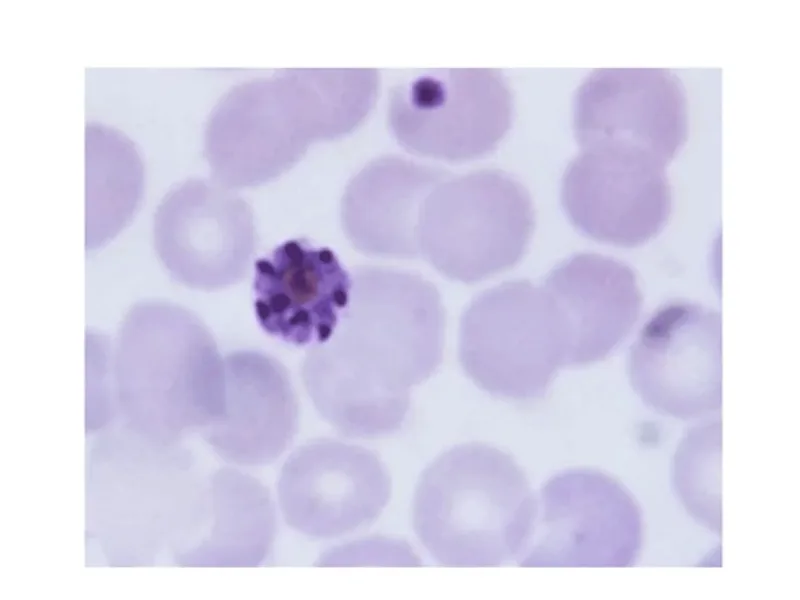
Understand the peripheral blood smear test for malaria diagnosis, its procedure, and what results mean for patients.
April 20, 2026
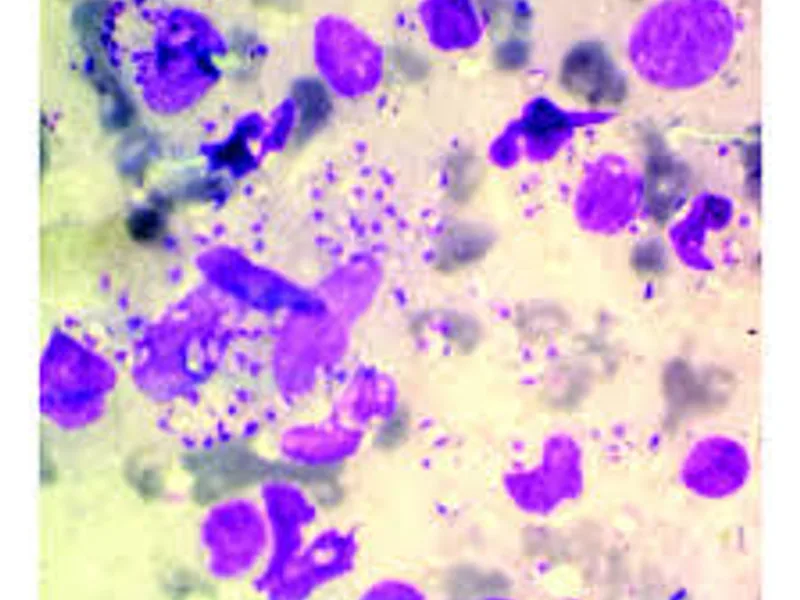
Discover how specialized staining techniques, like Giemsa, are crucial for accurately diagnosing Leishmaniasis, identifying the parasite, and guiding timely treatment. Understand this key diagnostic approach.
April 20, 2026
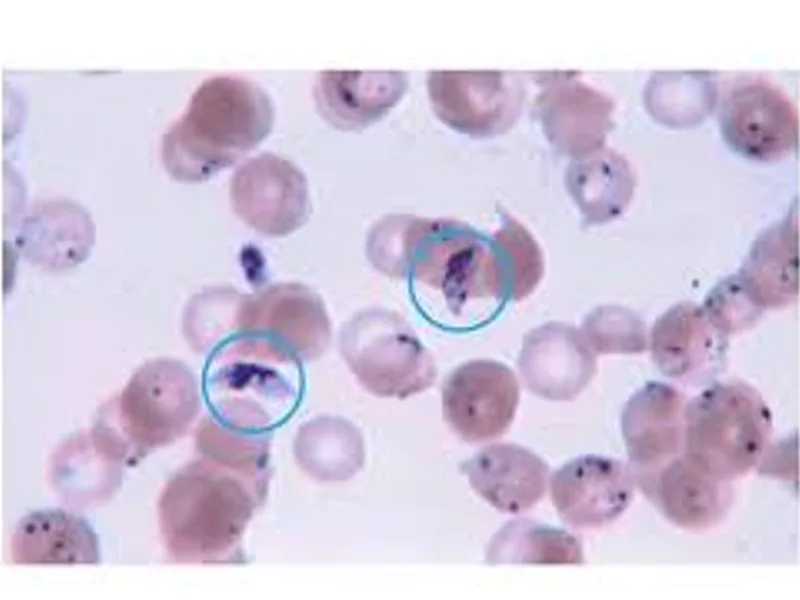
Understand the peripheral blood smear test for malaria diagnosis, its procedure, and why it's a vital tool in combating this disease.
April 20, 2026