

Free Helpline
We are here to assist you.
Health Advisor
+91-8877772277Available 7 days a week
10:00 AM – 6:00 PM to support you with urgent concerns and guide you toward the right care.

We are here to assist you.
Health Advisor
+91-8877772277Available 7 days a week
10:00 AM – 6:00 PM to support you with urgent concerns and guide you toward the right care.
Learn about the latest CDC recommendations for the Hepatitis B vaccine, including who should get vaccinated and why it's crucial for adult health in India. Protect your liver health.

Hepatitis B is a serious liver infection caused by the Hepatitis B virus (HBV). While often associated with children, it's crucial for adults in India to understand the risks and the updated recommendations for vaccination. The Centers for Disease Control and Prevention (CDC) in the United States has recently updated its guidelines, and these insights can be valuable for us in India as well, especially in our collective effort to combat infectious diseases and improve public health. This blog post will delve into the new recommendations, explain why they are important, and guide you on who should consider getting vaccinated.
Hepatitis B is a viral infection that attacks the liver. It can be transmitted through blood, semen, or other body fluids. For many, especially in India, it can be a silent threat. The virus can lead to chronic liver disease, including cirrhosis (scarring of the liver) and liver cancer. The World Health Organization (WHO) estimates that millions of people in India are living with chronic HBV infection. Early detection and prevention are key to managing this public health challenge.
The CDC's Advisory Committee on Immunization Practices (ACIP) regularly reviews vaccine recommendations to ensure they are based on the latest scientific evidence and public health goals. Their recent updates aim to increase vaccination coverage among adults, thereby reducing the number of new infections and deaths related to Hepatitis B. The overarching goal is to significantly reduce HBV infections and related deaths by 2030, aligning with global efforts to eliminate viral hepatitis as a public health threat.
The new guidelines focus on expanding vaccination to more adult age groups and simplifying the process:
While the vaccine is generally safe and highly effective, there are a few contraindications:
If you have any concerns about allergies or previous reactions, it is essential to discuss them with your doctor before getting vaccinated.
While the new guidelines simplify recommendations by removing risk factor screening for many adults, understanding these factors can still be beneficial:
The standard Hepatitis B vaccination series typically involves three doses given over a period of six months. However, there are variations:
It is crucial to complete the entire vaccine series as recommended by your healthcare provider to ensure optimal protection.
If you have completed a Hepatitis B vaccination series in the past or have a confirmed history of HBV infection, you generally do not need additional doses. Pre-vaccination testing can check for antibodies that indicate immunity. However, there is no evidence that receiving extra doses is harmful.
Vaccination is the most effective way to prevent Hepatitis B infection. Since the introduction of the vaccine in 1982, reported cases of Hepatitis B have significantly decreased. By getting vaccinated, you protect yourself from:
It is advisable to consult your doctor if:
Your doctor can assess your individual needs, discuss the risks and benefits, and recommend the most appropriate vaccination schedule for you.
Hepatitis B is a preventable disease, and vaccination is a powerful tool in our arsenal. The updated CDC recommendations highlight the importance of adult vaccination. By understanding these guidelines and discussing them with your healthcare provider, you can take a proactive step towards protecting your liver health and contributing to a healthier India. Don't wait; talk to your doctor about the Hepatitis B vaccine today.
The Hepatitis B vaccine is generally safe for most people. However, it is not recommended for individuals who have had a severe allergic reaction to a previous dose or to any component of the vaccine. Always discuss your medical history and any concerns with your doctor.
For most people who complete the primary vaccine series, a booster dose is not routinely recommended. However, certain individuals, such as those who are immunocompromised or have specific risk factors, may require booster doses. Your doctor will advise if a booster is necessary for you.
Yes, it is possible to contract Hepatitis B even without obvious risk factors. The virus can be transmitted through various means, and sometimes the source of infection is not apparent. This is why the updated recommendations emphasize vaccination for all adults, regardless of perceived risk.
The Hepatitis B vaccine is highly effective. When the full series of doses is completed, it provides long-lasting protection against the virus in over 95% of healthy adults. It has been instrumental in reducing the incidence of Hepatitis B worldwide.
The Hepatitis B vaccine is available at most government health centers, private hospitals, clinics, and vaccination centers across India. You can also consult your general physician or a specialist for vaccination services.
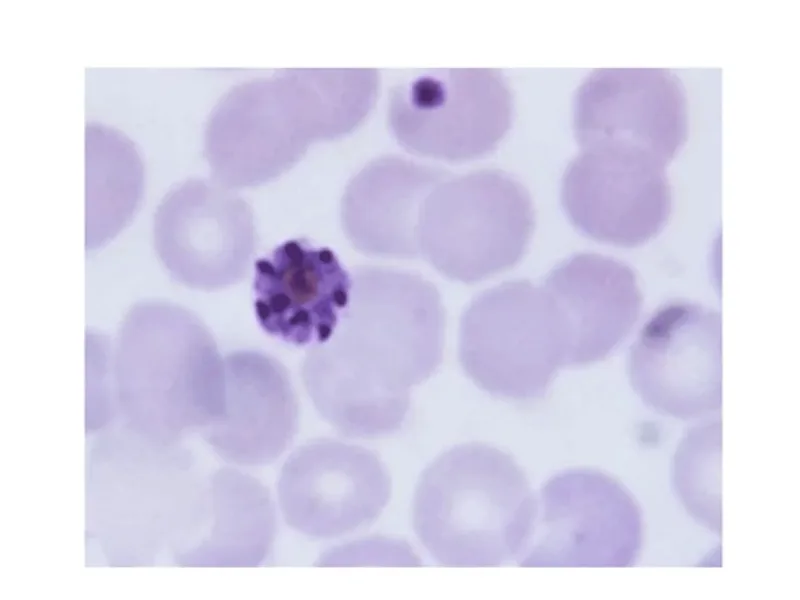
Understand the peripheral blood smear test for malaria diagnosis, its procedure, and what results mean for patients.
April 20, 2026
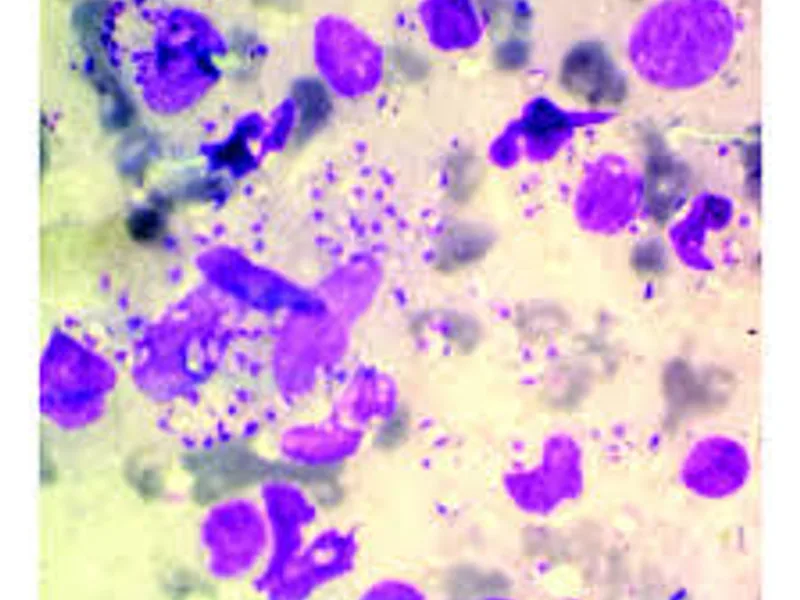
Discover how specialized staining techniques, like Giemsa, are crucial for accurately diagnosing Leishmaniasis, identifying the parasite, and guiding timely treatment. Understand this key diagnostic approach.
April 20, 2026
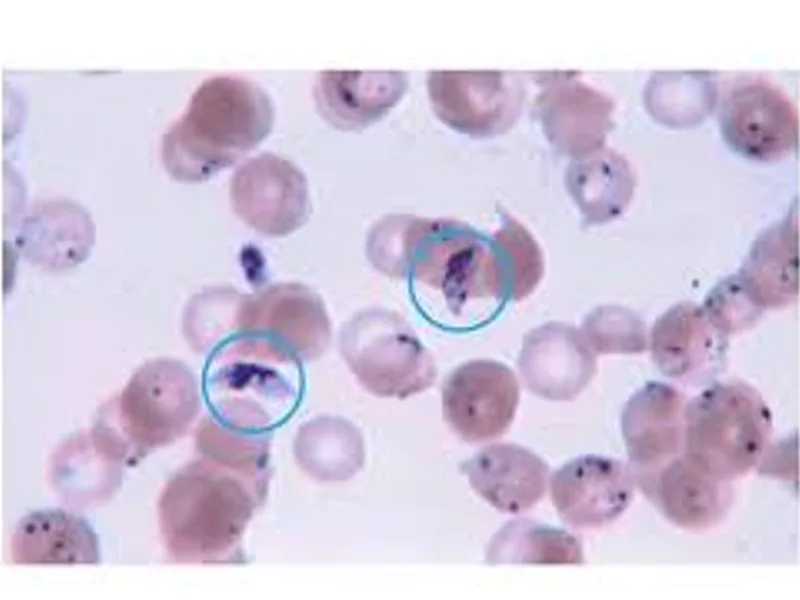
Understand the peripheral blood smear test for malaria diagnosis, its procedure, and why it's a vital tool in combating this disease.
April 20, 2026