

Free Helpline
We are here to assist you.
Health Advisor
+91-8877772277Available 7 days a week
10:00 AM – 6:00 PM to support you with urgent concerns and guide you toward the right care.

We are here to assist you.
Health Advisor
+91-8877772277Available 7 days a week
10:00 AM – 6:00 PM to support you with urgent concerns and guide you toward the right care.
Learn about fungal infections of the scalp and hair, including tinea capitis, dandruff, and piedra. Understand symptoms, causes, prevention, and when to seek medical help.

The idea of mold growing on your hair might sound alarming, but the good news is that mold, as we typically understand it, doesn't actually grow on human hair. However, this doesn't mean your scalp and hair are immune to fungal issues. Various types of fungi, particularly yeasts, can indeed affect your scalp and hair, leading to a range of uncomfortable and sometimes concerning conditions. This guide aims to demystify fungal infections of the scalp and hair, providing clear, practical information for Indian readers on causes, symptoms, diagnosis, treatment, and prevention.
It's important to distinguish between mold and fungi. Mold is a type of fungus that thrives in moist environments and reproduces via spores. While often associated with damp walls or food, it doesn't typically colonize hair. However, the term 'fungus' is a broader category that includes yeasts. It's these yeasts and other fungi that can cause infections on your scalp and hair.
Several types of fungi can cause problems for your scalp and hair. Understanding these is the first step towards effective management:
Tinea capitis is one of the most common fungal infections of the scalp, particularly in children. It's caused by a group of fungi called dermatophytes, which feed on keratin, a protein found in hair, skin, and nails. Despite its name, ringworm is not caused by a worm but by a fungus.
Malassezia is a type of yeast that is naturally present on the skin and scalp of most adults. However, in some individuals, an overgrowth of this yeast can trigger inflammation, leading to dandruff and seborrheic dermatitis.
These are less common fungal infections that directly affect the hair shaft itself.
While not directly a scalp or hair infection in the same way as the others, it's important to mention that in rare instances, mold spores can enter the body through breaks in the skin and cause serious infections. This is known as cutaneous mucormycosis and is a life-threatening condition, particularly in individuals with weakened immune systems.
While you don't need to worry about mold on your hair, taking steps to maintain scalp health can significantly reduce the risk of fungal infections:
It's important to seek medical advice if you experience any of the following:
Early diagnosis and treatment are key to preventing complications and ensuring a swift recovery. A healthcare professional can accurately diagnose the type of fungal infection and prescribe the most effective treatment plan.
Disclaimer: This information is for general knowledge and informational purposes only, and does not constitute medical advice. It is essential to consult with a qualified healthcare professional for any health concerns or before making any decisions related to your health or treatment.
This section adds practical context and preventive advice to help readers make informed healthcare decisions. It is important to verify symptoms early, consult qualified doctors, and avoid self-medication for persistent health issues.
Maintaining healthy routines, following prescribed treatment plans, and attending regular checkups can improve outcomes. If symptoms worsen or red-flag signs appear, immediate medical evaluation is recommended.
Track symptoms and duration.
Follow diagnosis and treatment from a licensed practitioner.
Review medication side effects with your doctor.
Seek urgent care for severe warning signs.
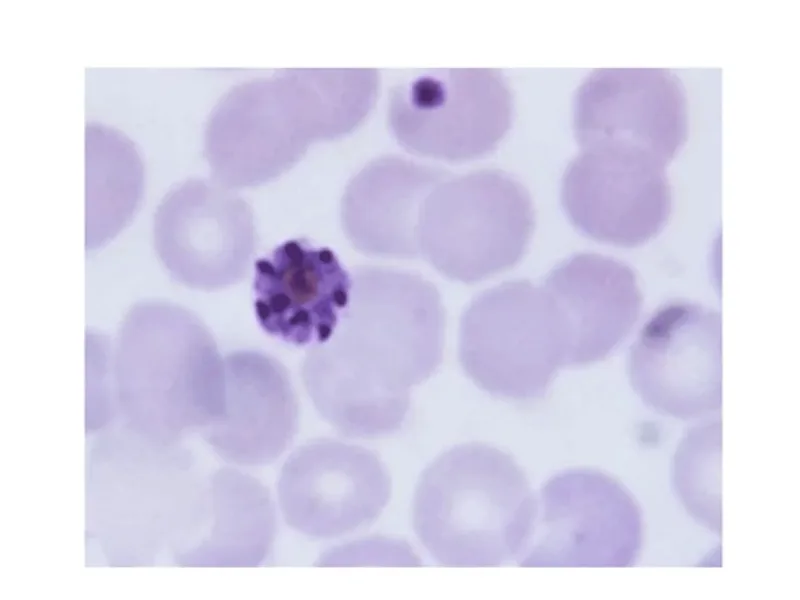
Understand the peripheral blood smear test for malaria diagnosis, its procedure, and what results mean for patients.
April 20, 2026
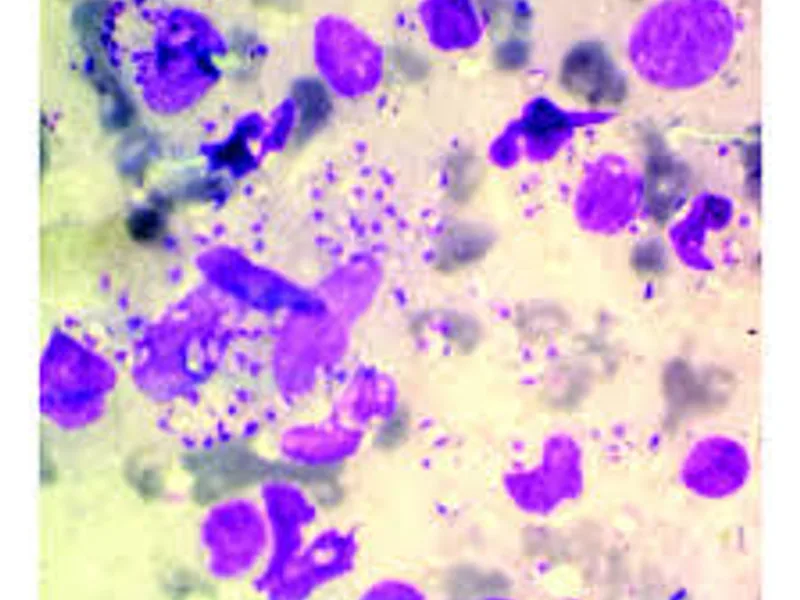
Discover how specialized staining techniques, like Giemsa, are crucial for accurately diagnosing Leishmaniasis, identifying the parasite, and guiding timely treatment. Understand this key diagnostic approach.
April 20, 2026
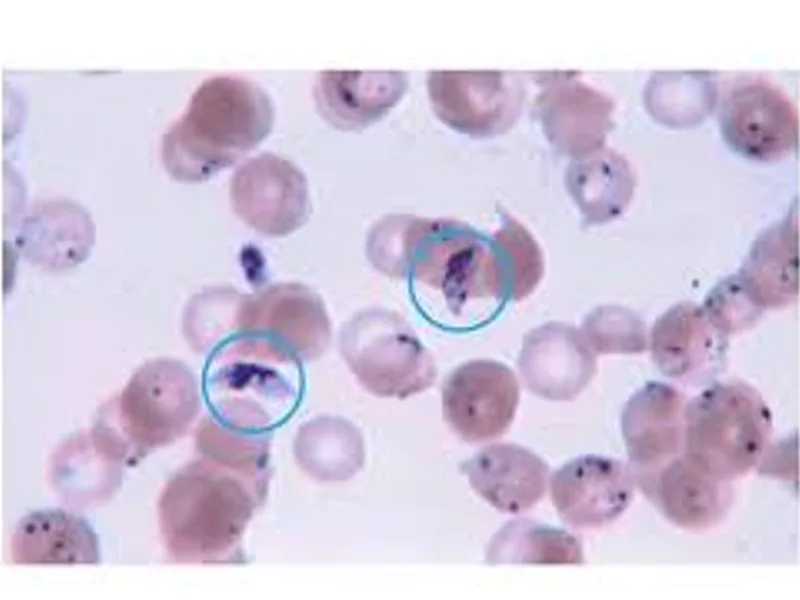
Understand the peripheral blood smear test for malaria diagnosis, its procedure, and why it's a vital tool in combating this disease.
April 20, 2026