

Free Helpline
We are here to assist you.
Health Advisor
+91-8877772277Available 7 days a week
10:00 AM – 6:00 PM to support you with urgent concerns and guide you toward the right care.

We are here to assist you.
Health Advisor
+91-8877772277Available 7 days a week
10:00 AM – 6:00 PM to support you with urgent concerns and guide you toward the right care.
Learn about the connection between fever and pink eye (conjunctivitis). Understand the symptoms, causes, diagnosis, treatment options, and prevention strategies for this common condition.

Understanding Fever with Pink Eye: A Comprehensive Guide Pink eye, medically known as conjunctivitis, is a common condition that affects the eyes. It involves inflammation or infection of the conjunctiva, the transparent membrane covering the white part of the eye and the inner surface of the eyelids. While pink eye itself can be uncomfortable, experiencing a fever alongside it can be concerning. This guide aims to clarify the connection between fever and pink eye, its symptoms, causes, diagnosis, treatment, and prevention strategies, specifically tailored for an Indian audience. What is Pink Eye (Conjunctivitis)? Pink eye is characterized by redness, itching, and discharge from the eyes. It can affect one or both eyes and is often accompanied by a gritty sensation. The conjunctiva, when inflamed, becomes red and swollen, giving the eye a pink or reddish appearance, hence the name 'pink eye'. Can You Have a Fever with Pink Eye? Yes, it is possible to have a fever with pink eye. A fever is your body's natural response to fighting off an infection, whether it's viral or bacterial. When these pathogens infect your body, they can also affect your eyes, leading to conjunctivitis. Therefore, a fever accompanying pink eye symptoms often indicates a systemic infection that has also manifested in the eyes. Symptoms of Fever with Pink Eye When fever accompanies pink eye, it suggests that your body is actively combating a more significant infection. In addition to the typical pink eye symptoms, you might experience: Eye Symptoms: Redness, itching, burning sensation, watery or thick discharge (pus-like), swollen eyelids, feeling of a foreign object in the eye, light sensitivity. Fever Symptoms: Elevated body temperature (generally above 100.4°F or 38°C), chills, body aches, fatigue, headache, loss of appetite. Other Symptoms: Depending on the underlying cause, you might also experience a sore throat, cough, runny nose, or swollen lymph nodes, especially if it's a viral infection like the common cold or flu. Causes of Fever with Pink Eye The presence of a fever with pink eye usually points towards an infection caused by viruses or bacteria. Allergies or irritants typically do not cause a fever. Viral Infections: Adenoviruses are a common culprit for viral conjunctivitis, often associated with cold or flu symptoms. Other viruses can also cause pink eye and fever. Bacterial Infections: Bacteria like Haemophilus influenzae , Staphylococcus aureus , and Streptococcus pneumoniae can cause bacterial conjunctivitis. These infections can sometimes lead to a fever as the body fights them off. Systemic Illnesses: Sometimes, a broader viral or bacterial illness affecting the body can manifest with eye symptoms like conjunctivitis, along with a fever. Diagnosis Diagnosing fever with pink eye typically involves a combination of evaluating your symptoms and a physical examination. Your doctor will likely: Ask about your symptoms: They will inquire about the onset, duration, and nature of your eye symptoms, as well as any signs of fever or other illnesses. Examine your eyes: The doctor will look for redness, swelling, discharge, and any other abnormalities in your eyes. Check your temperature: To confirm the presence and severity of the fever. Consider a culture (if necessary): In some cases, especially with severe or persistent bacterial infections, a sample of the eye discharge might be sent to a lab to identify the specific bacteria and determine the most effective antibiotic. It's important to differentiate between viral, bacterial, and allergic conjunctivitis, as the treatment approaches differ. Treatment for Fever with Pink Eye The treatment for fever with pink eye depends on the underlying cause: For Viral Conjunctivitis: Viral pink eye often resolves on its own within one to two weeks. Treatment focuses on managing symptoms: Rest: Allow your body to recover. Fever and Pain Relief: Over-the-counter medications like paracetamol (acetaminophen) or ibuprofen can help manage fever and discomfort. Always follow dosage instructions. Cool Compresses: Applying a clean, cool, wet washcloth to your eyes can soothe irritation and reduce swelling. Hygiene: Wash hands frequently to prevent spreading the virus. Avoid touching your eyes. For Bacterial Conjunctivitis: Bacterial pink eye usually requires antibiotic treatment prescribed by a doctor: Antibiotic Eye Drops or Ointments: These are the primary treatment. It's crucial to complete the full course of antibiotics as prescribed, even if symptoms improve sooner, to ensure the infection is fully eradicated. Oral Antibiotics: In some severe cases, oral antibiotics might be prescribed. Hygiene: Maintain strict hygiene to prevent spreading bacteria. Discard any eye makeup used during the infection. Managing Fever: Regardless of the cause of pink eye, managing the fever is essential. Use recommended antipyretic medications and stay hydrated. Rest is also crucial for recovery. Home Remedies and Self-Care While medical treatment is often necessary, certain home remedies can provide relief: Warm or Cool Compresses: As mentioned, these can soothe the eyes. Ensure the cloth is clean for each use. Saline Rinses: Gently rinsing the eyes with a sterile saline solution can help clear discharge. Artificial Tears: Over-the-counter lubricating eye drops can help alleviate dryness and irritation. Avoid Contact Lenses and Eye Makeup: Do not wear contact lenses or eye makeup until your eyes have fully recovered to prevent further irritation or reinfection. Stay Hydrated: Drink plenty of fluids, especially if you have a fever. Prevention Preventing pink eye and the spread of infections is key: Good Hand Hygiene: Wash your hands frequently with soap and water, especially before touching your eyes, nose, or mouth. Avoid Sharing Personal Items: Do not share towels, washcloths,
In summary, timely diagnosis, evidence-based treatment, and prevention-focused care improve long-term health outcomes.
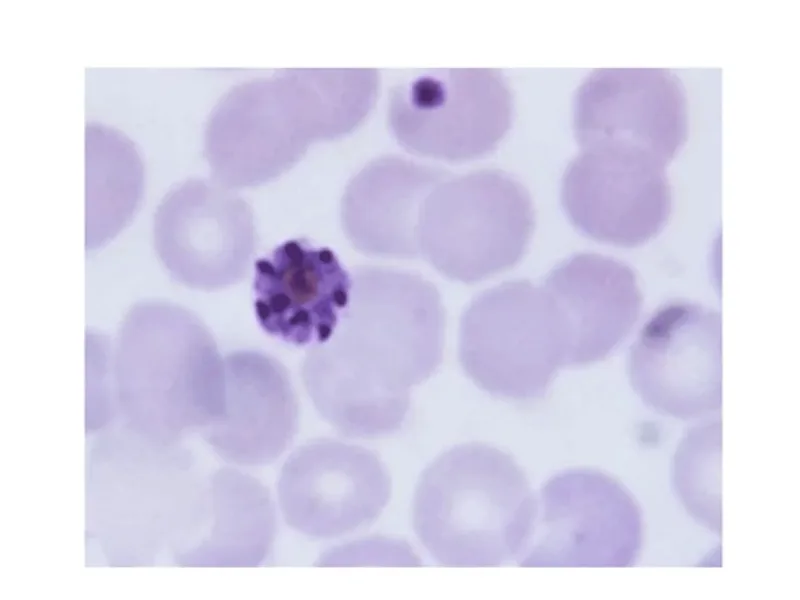
Understand the peripheral blood smear test for malaria diagnosis, its procedure, and what results mean for patients.
April 20, 2026
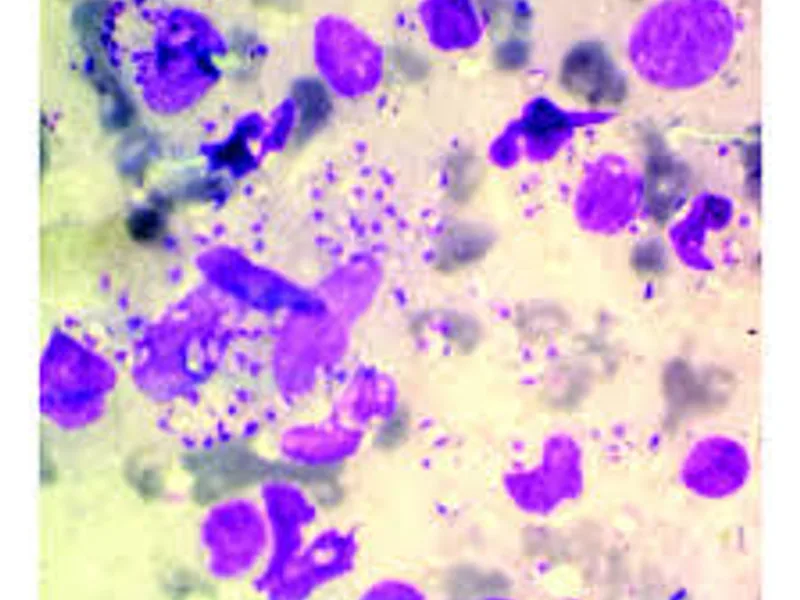
Discover how specialized staining techniques, like Giemsa, are crucial for accurately diagnosing Leishmaniasis, identifying the parasite, and guiding timely treatment. Understand this key diagnostic approach.
April 20, 2026
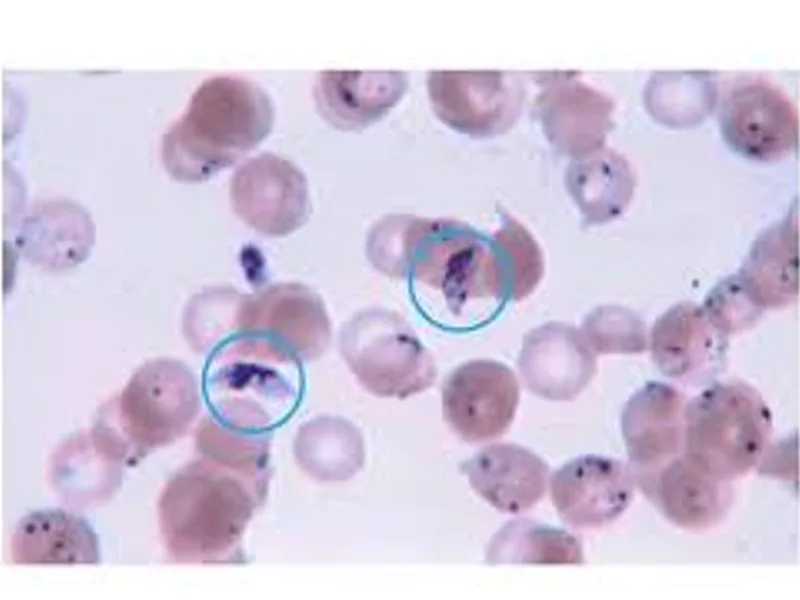
Understand the peripheral blood smear test for malaria diagnosis, its procedure, and why it's a vital tool in combating this disease.
April 20, 2026