

Free Helpline
We are here to assist you.
Health Advisor
+91-8877772277Available 7 days a week
10:00 AM – 6:00 PM to support you with urgent concerns and guide you toward the right care.

We are here to assist you.
Health Advisor
+91-8877772277Available 7 days a week
10:00 AM – 6:00 PM to support you with urgent concerns and guide you toward the right care.
Emphysematous cystitis (EC) is a rare but serious UTI causing gas buildup around the bladder. Learn about its symptoms, causes, diagnosis, and crucial treatment with antibiotics. Early detection is key to preventing severe complications.

Emphysematous cystitis (EC) is a rare but serious type of urinary tract infection (UTI) where gas builds up around the bladder walls. While common UTIs are often mild and may resolve on their own, EC requires prompt medical attention and treatment. This condition can lead to severe complications, including bladder rupture and sepsis, and can even be life-threatening if left untreated. Understanding EC, its causes, symptoms, and treatment is crucial for early diagnosis and effective management.
While the exact reasons why certain bacteria cause gas buildup in EC are not fully understood, several risk factors are known to increase the likelihood of developing this condition. These factors often involve conditions that compromise the body's ability to fight infection or affect the urinary tract's normal function.
EC may not always present with noticeable symptoms. However, when symptoms do occur, they can be similar to those of a standard UTI, making it important to seek medical advice if symptoms persist or are severe. Early recognition of potential EC symptoms is vital for timely treatment.
It is important to consult a doctor if you experience any of these symptoms, especially if they have been present for more than a week or if you have underlying risk factors like diabetes.
Prompt and accurate diagnosis is critical for treating EC effectively and preventing complications. If you suspect you have symptoms of EC, the first step is to consult a healthcare professional. The diagnostic process typically involves:
These imaging tests help differentiate EC from other conditions and guide the treatment plan.
The primary treatment for EC is a course of antibiotics. Early intervention is key to a successful outcome and preventing serious complications. The typical treatment approach includes:
In rare and severe cases, where there is significant bladder damage, bladder rupture, or failure to respond to antibiotic therapy, surgery may be necessary. This could involve procedures to drain gas or remove damaged tissue.
With timely diagnosis and appropriate antibiotic treatment, EC is generally curable. Most individuals can expect to recover within approximately 4 weeks as the antibiotics clear the infection and the body reabsorbs the gas. However, the prognosis can be affected by the severity of the infection and the presence of underlying health conditions. Early treatment significantly improves the outlook and reduces the risk of life-threatening complications.
Preventing EC largely involves managing the underlying risk factors and practicing good urinary tract health:
It is essential to seek immediate medical attention if you experience any symptoms suggestive of a UTI, especially if you have risk factors for EC such as diabetes. Do not delay seeking help if you notice:
Early diagnosis and treatment are the most critical factors in ensuring a positive outcome and preventing severe complications associated with emphysematous cystitis.
Emphysematous cystitis is a type of bacterial infection, and while UTIs can sometimes be associated with sexual activity, EC itself is not typically considered contagious in the way a common cold is. The focus is on treating the infection within the individual.
Yes, with prompt and appropriate antibiotic treatment, EC can be cured. The standard treatment involves a 4-week course of antibiotics, which eradicates the infection, allowing the body to reabsorb the gas. Managing underlying conditions is also crucial for a complete recovery.
While EC is a serious condition, the mortality rate has decreased with advancements in medical care. Older literature suggested a mortality rate of around 7%, but early diagnosis and effective antibiotic treatment have significantly improved outcomes. However, it remains a condition that requires immediate medical attention due to the potential for severe complications.
EC is more common in older adults, particularly those over 60, and is strongly associated with diabetes. However, it can occur in younger individuals, especially if they have significant risk factors such as a compromised immune system or other underlying urinary tract issues.
Symptoms often begin to improve within a few days of starting antibiotic treatment. However, it is vital to complete the full 4-week course of antibiotics to ensure the infection is fully cleared and to prevent recurrence or complications.
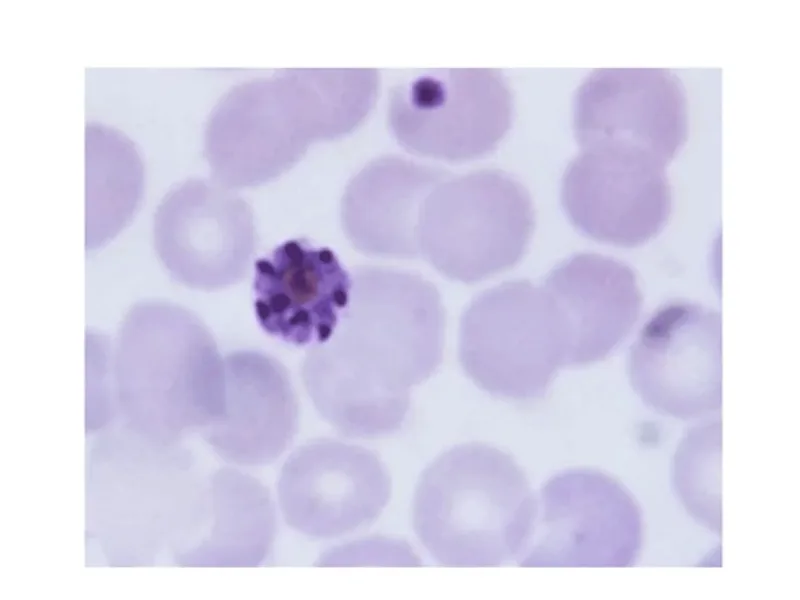
Understand the peripheral blood smear test for malaria diagnosis, its procedure, and what results mean for patients.
April 20, 2026
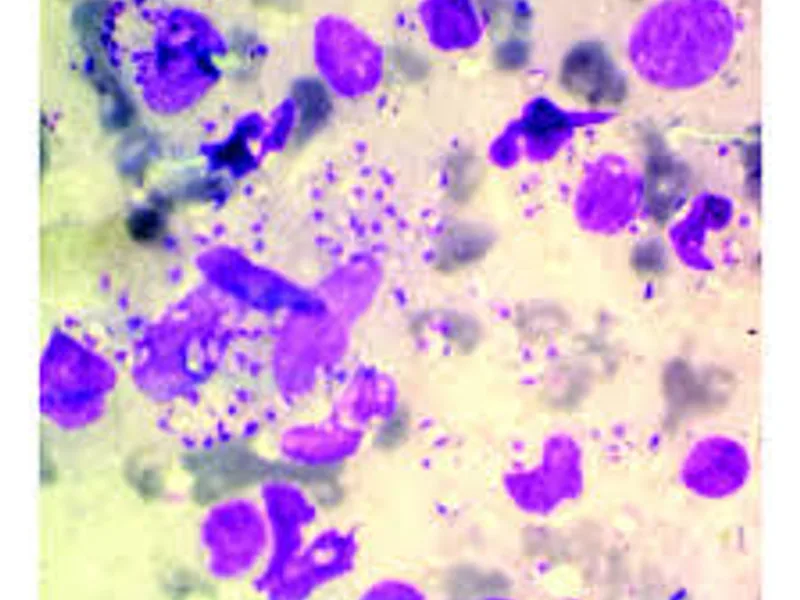
Discover how specialized staining techniques, like Giemsa, are crucial for accurately diagnosing Leishmaniasis, identifying the parasite, and guiding timely treatment. Understand this key diagnostic approach.
April 20, 2026
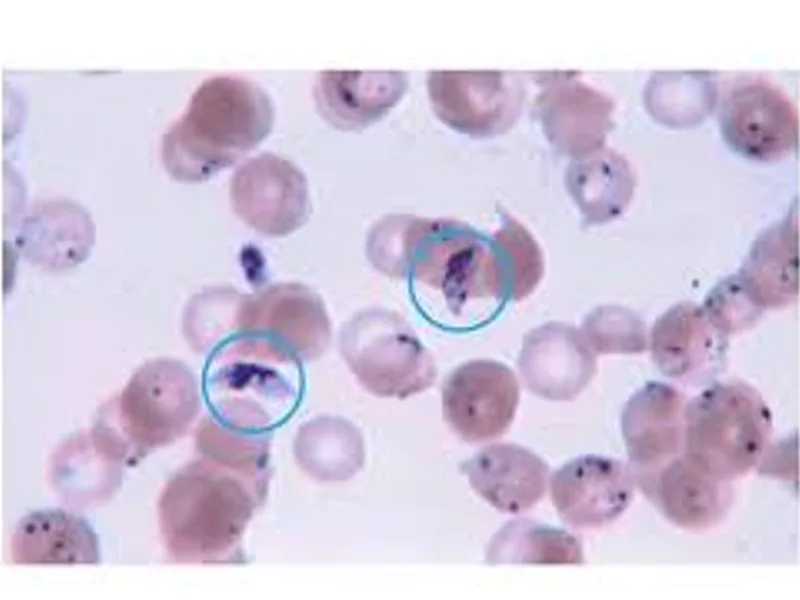
Understand the peripheral blood smear test for malaria diagnosis, its procedure, and why it's a vital tool in combating this disease.
April 20, 2026