

Free Helpline
We are here to assist you.
Health Advisor
+91-8877772277Available 7 days a week
10:00 AM – 6:00 PM to support you with urgent concerns and guide you toward the right care.

We are here to assist you.
Health Advisor
+91-8877772277Available 7 days a week
10:00 AM – 6:00 PM to support you with urgent concerns and guide you toward the right care.
Learn about earwig bites and pinches: symptoms, causes, first aid, and when to see a doctor. Debunking common myths about earwigs in India.

Understanding Earwig Bites: What You Need to Know Earwigs, those peculiar-looking insects with pincers at their rear, often spark curiosity and sometimes fear. A common myth circulating is that earwigs crawl into people's ears to lay eggs or even feed on the brain. Fortunately, this is entirely untrue. While earwigs can indeed pinch, their bites are generally harmless and rarely cause significant issues. This article aims to demystify earwig encounters, providing clear, practical information for Indian readers on identifying earwig bites, understanding their causes, and knowing how to manage them effectively. What are Earwigs? Earwigs are small insects, typically measuring between 0.5 to 1.5 inches in length. They are commonly black or brown, sometimes with reddish or orange markings. A distinctive feature is the pair of pincer-like appendages, called cerci, that protrude from the end of their abdomen. These pincers are primarily used for defense and for capturing prey, not for attacking humans. Earwigs are nocturnal and prefer dark, moist environments. You might find them in gardens, under rocks, in decaying plant matter, or sometimes venturing into homes, especially during colder months. They are primarily plant-eaters, feeding on a variety of plants. Can Earwigs Bite or Pinch? Yes, earwigs can pinch. Their pincers are designed for defense. If an earwig feels threatened or is handled, it may use its pincers to pinch. While they are capable of biting, this is much rarer than pinching. The term 'earwig bite' is often used interchangeably with 'earwig pinch'. The sensation is usually mild and temporary. Symptoms of an Earwig Pinch or Bite When an earwig pinches, it typically leaves behind two small, red marks on the skin, spaced a short distance apart. These marks resemble pinch marks. In some instances, the pincers might break the skin, leading to a minor amount of bleeding. The affected area may become red and slightly swollen. The discomfort is usually mild and subsides quickly. Earwigs are not venomous, so their pinches or rare bites do not cause long-term complications and generally heal without issue. Distinguishing Earwig Pinches from Other Insect Bites: It's important to differentiate an earwig pinch from bites from other common insects like mosquitoes or spiders, especially if you're unsure of the cause. Earwig Pinch: Characterized by two small red marks, possibly with minor bleeding if the skin is broken. Usually no distinct puncture wound. Mild discomfort and quick healing. Mosquito Bite: Typically a single, small, itchy welt with a tiny puncture wound in the center. Spider Bite: Can vary, but often presents as one or two puncture wounds surrounded by a painful, red, and sometimes hot area. In some cases, it can lead to tissue damage. Carefully inspecting the bite site can help determine if it was an earwig pinch, as you won't usually see a single puncture wound typical of other insect bites. Causes of Earwig Encounters and Pinches Earwig encounters and subsequent pinches usually occur when: Accidental Contact: You accidentally touch an earwig, especially if it's in your garden, home, or bed. Handling: You attempt to pick up or handle an earwig. Infestation: In cases of an earwig infestation within your home, the chances of encountering them increase. Earwigs are attracted to dark, damp environments. They may enter homes seeking shelter or food, particularly during dry spells or when seeking refuge from extreme temperatures. First Aid and Home Treatment for Earwig Pinches If you are pinched by an earwig, follow these simple steps: Assess the Area: Check if the skin is broken. Clean the Site: Wash the affected area thoroughly with mild soap and warm water. For Broken Skin: If the skin is broken, apply a topical antibacterial cream or ointment to prevent infection. Reduce Swelling and Discomfort: If there is redness or swelling, applying a cold compress or ice pack can help alleviate discomfort. In most cases, these simple measures are sufficient for healing. When to Consult a Doctor While earwig pinches are rarely serious, there are specific situations where medical attention is advised: Suspected Pincer Fragments: If you suspect that parts of the earwig's pincers have broken off and remained embedded in your skin. Attempting to remove these at home can increase the risk of infection. Signs of Infection: If the pinch site shows signs of infection, such as increasing redness, swelling, warmth, pus, or fever. This is more likely if the skin was broken and not cleaned properly, or if the pincers were left in. Severe Reaction: Although uncommon, if you experience a severe allergic reaction or unusually intense pain or swelling. Uncertainty: If you are unsure whether the injury was caused by an earwig or another insect, and the symptoms are concerning. A doctor can safely remove any embedded fragments, clean the wound, and prescribe antibiotics or anti-inflammatory medications if necessary. They can also provide guidance on wound care. Potential Complications: Skin Infections Earwigs often inhabit environments where bacteria can thrive, such as soil and decaying organic matter. This means their pincers can potentially transfer bacteria to the skin, leading to infection if the pinch site is not cleaned promptly and properly. If the earwig's pincers break off in the skin, the area might become swollen and firm, potentially developing into a blister. If this blister becomes infected, it can lead to skin infections like cellulitis. Symptoms of cellulitis include: Intense redness and warmth in the affected area Swelling Pain and tenderness Fever Prompt medical attention is crucial
In summary, timely diagnosis, evidence-based treatment, and prevention-focused care improve long-term health outcomes.
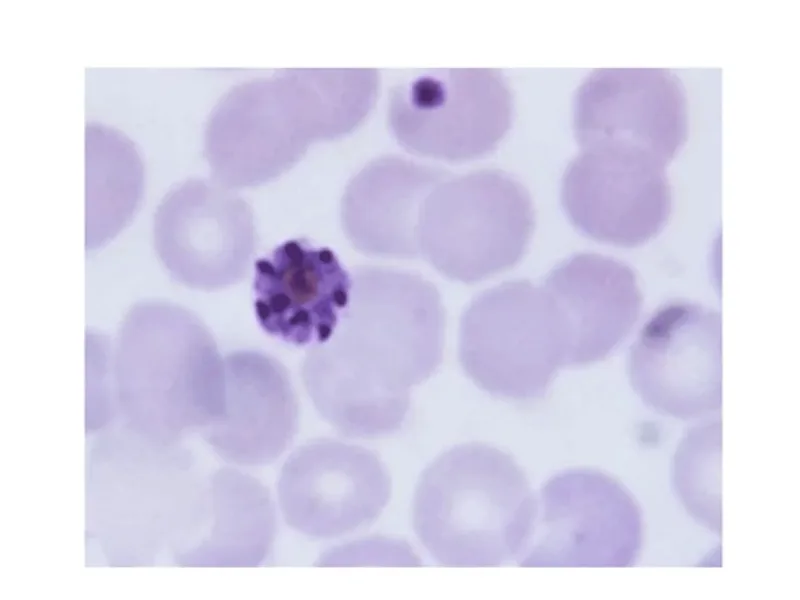
Understand the peripheral blood smear test for malaria diagnosis, its procedure, and what results mean for patients.
April 20, 2026
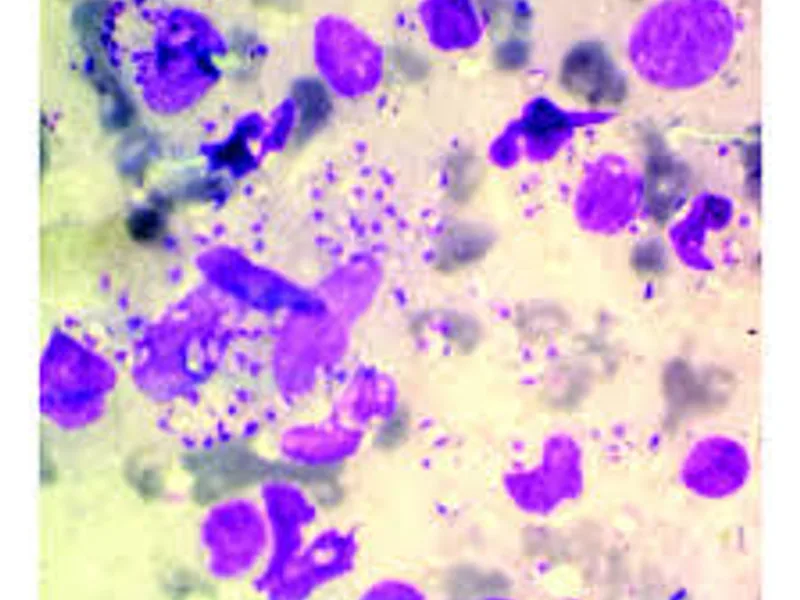
Discover how specialized staining techniques, like Giemsa, are crucial for accurately diagnosing Leishmaniasis, identifying the parasite, and guiding timely treatment. Understand this key diagnostic approach.
April 20, 2026
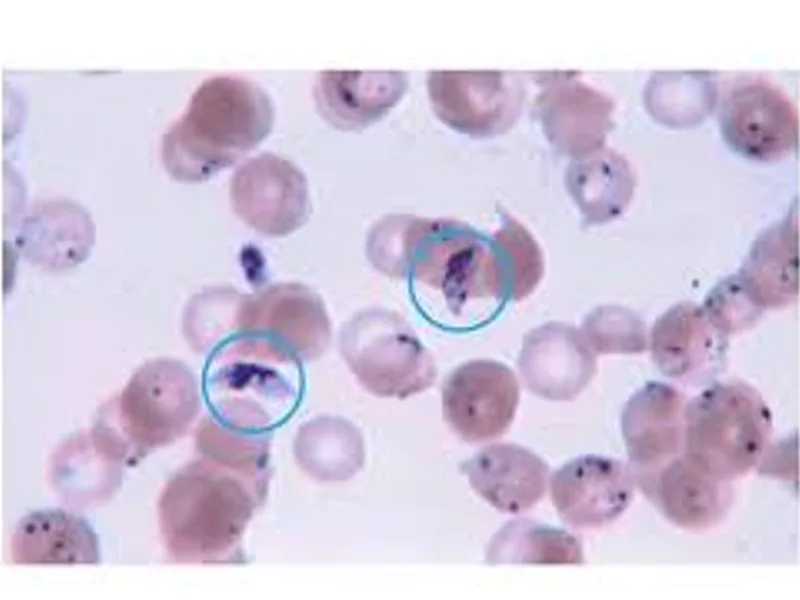
Understand the peripheral blood smear test for malaria diagnosis, its procedure, and why it's a vital tool in combating this disease.
April 20, 2026