

Free Helpline
We are here to assist you.
Health Advisor
+91-8877772277Available 7 days a week
10:00 AM – 6:00 PM to support you with urgent concerns and guide you toward the right care.

We are here to assist you.
Health Advisor
+91-8877772277Available 7 days a week
10:00 AM – 6:00 PM to support you with urgent concerns and guide you toward the right care.
Learn about the early signs of MRSA infection, including symptoms, causes, diagnosis, treatment, and prevention strategies. Protect yourself and your loved ones from this antibiotic-resistant bacteria.

Understanding MRSA: A Common Bacterial Threat Methicillin-resistant Staphylococcus aureus, commonly known as MRSA, is a type of bacteria that has become a significant public health concern due to its resistance to common antibiotics. While Staphylococcus aureus (staph) bacteria are found on the skin and in the noses of about one in every 30 people without causing any harm, certain strains, like MRSA, can lead to serious infections. These infections can range from minor skin irritations to life-threatening conditions affecting the lungs, bloodstream, and other parts of the body. In India, like in many other parts of the world, understanding MRSA and its early signs is crucial for timely intervention and prevention of its spread. How MRSA Spreads: Exposure and Transmission MRSA can be acquired in two main ways: in healthcare settings (hospital-acquired MRSA or HA-MRSA) and in the community (community-acquired MRSA or CA-MRSA). HA-MRSA often affects individuals with weakened immune systems, those who have undergone invasive medical procedures, or those who have been hospitalized for extended periods. CA-MRSA, on the other hand, can affect anyone, even healthy individuals, and is often spread through close physical contact or by sharing contaminated personal items. Exposure to MRSA doesn't automatically mean an infection will develop. The bacteria need to enter the body, typically through a break in the skin such as a cut, scrape, or surgical wound. Common ways to be exposed to MRSA include: Sharing personal items like towels, razors, or athletic equipment with someone who has MRSA. Touching surfaces or objects contaminated with MRSA bacteria. Close contact with individuals who have an active MRSA infection. Recognizing the Early Signs of MRSA Infection The earliest symptoms of an MRSA infection often mimic those of a common skin irritation, such as a pimple, boil, or insect bite. It's important to pay attention to these signs, especially if they appear suddenly or worsen rapidly. Early symptoms can include: A small bump or red area: This might look like a spider bite or a pimple. Warmth: The affected area may feel warm to the touch. Pain: The bump or wound can be tender and painful. Swelling: The area might become visibly swollen. Pus or drainage: The bump may contain pus or have a discharge. As the infection progresses, if left untreated, the symptoms can become more severe and indicate a deeper or more widespread infection. These advanced symptoms may include: Fever: A sign that the body is fighting a significant infection. Chills: Often accompany a fever. Widespread rash: The infection may spread across the skin. Difficulty breathing: Could indicate pneumonia, a serious complication. Severe pain: The pain may intensify significantly. Extensive swelling: The affected area may become very swollen. It's crucial to remember that MRSA can be asymptomatic when present on the skin, meaning a person can carry the bacteria without showing any signs of infection. However, when it does cause an infection, early detection is key. Diagnosis: Confirming MRSA Diagnosing an MRSA infection typically involves a combination of a physical examination, a review of your medical history, and laboratory testing. Your doctor will assess the affected skin area and inquire about your recent activities, potential exposures, and any underlying health conditions. To confirm the presence of MRSA and identify the specific strain, your doctor will likely order tests. These may include: Culture tests: A sample of pus or drainage from the wound, or a swab from the affected area, is sent to a laboratory to grow the bacteria. This helps identify the type of bacteria present. Antibiotic susceptibility testing: Once MRSA is identified, this test determines which antibiotics are effective against it. This is vital because MRSA is resistant to many common antibiotics. Blood tests: If a serious infection like sepsis is suspected, a blood sample may be taken to check for bacteria in the bloodstream. Prompt and accurate diagnosis is essential for effective treatment. The results of these tests guide the healthcare provider in selecting the most appropriate treatment plan. Treatment Options for Early MRSA Infections The treatment for MRSA depends on the severity and location of the infection. For mild, early-stage skin infections, treatment might involve: Wound care: Keeping the affected area clean and covered is paramount. This helps prevent the spread of bacteria to others and allows the wound to heal. Incision and drainage: If an abscess (a collection of pus) has formed, your doctor may perform a minor procedure to drain it under local anesthesia. This can significantly aid in healing. For more persistent or severe infections, antibiotics are necessary. Since MRSA is resistant to certain antibiotics, your doctor will prescribe specific medications known to be effective against it. Common antibiotics that MRSA may be resistant to include: Penicillin Amoxicillin Methicillin Oxacillin Nafcillin Dicloxacillin Cephalexin However, a range of other antibiotics are available and effective in treating MRSA. The choice of antibiotic will depend on the susceptibility testing results and the type of infection. For community-acquired MRSA, oral antibiotics are often prescribed. For hospital-acquired MRSA, which can be more severe, intravenous (IV) antibiotics may be required. It is absolutely critical to complete the entire course of antibiotics as prescribed by your doctor, even if your symptoms improve. Stopping medication early can lead to the infection returning or becoming more difficult to treat. Preventing MRSA: Simple Steps for a Healthier You Preventing the spread of MRSA involves practicing good hygiene and taking precautions, especially in environments where the risk of transmission
In summary, timely diagnosis, evidence-based treatment, and prevention-focused care improve long-term health outcomes.
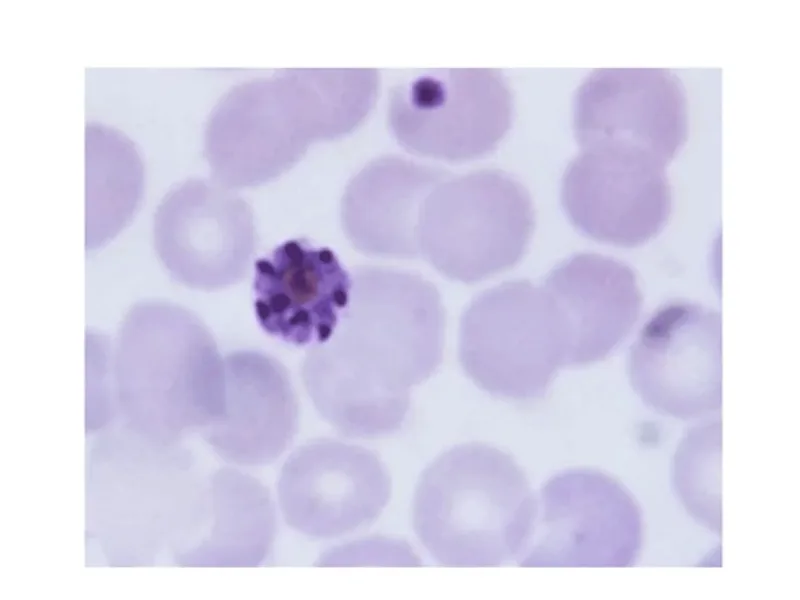
Understand the peripheral blood smear test for malaria diagnosis, its procedure, and what results mean for patients.
April 20, 2026
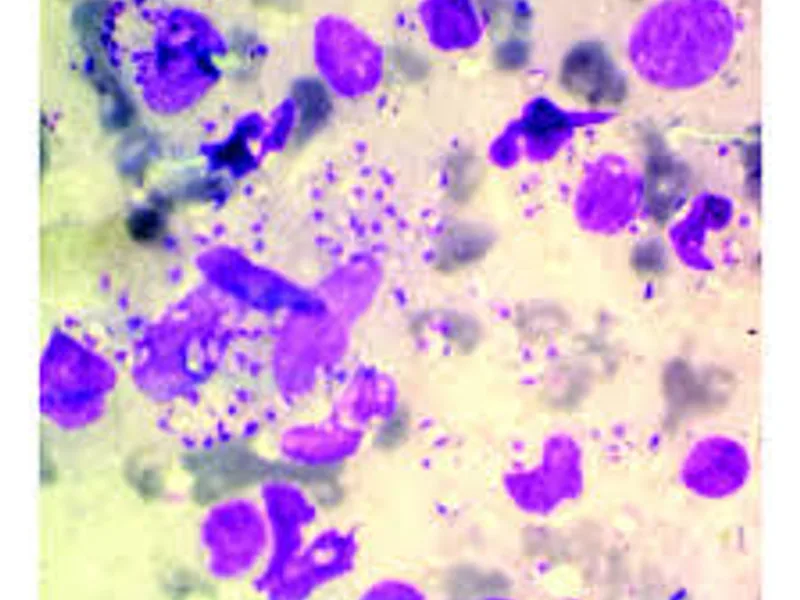
Discover how specialized staining techniques, like Giemsa, are crucial for accurately diagnosing Leishmaniasis, identifying the parasite, and guiding timely treatment. Understand this key diagnostic approach.
April 20, 2026

Understand the peripheral blood smear test for malaria diagnosis, its procedure, and why it's a vital tool in combating this disease.
April 20, 2026