

Free Helpline
We are here to assist you.
Health Advisor
+91-8877772277Available 7 days a week
10:00 AM – 6:00 PM to support you with urgent concerns and guide you toward the right care.

We are here to assist you.
Health Advisor
+91-8877772277Available 7 days a week
10:00 AM – 6:00 PM to support you with urgent concerns and guide you toward the right care.
Learn about Dovato, a combination HIV medication containing dolutegravir and lamivudine. This blog covers dosage, how to take it, drug interactions, and important considerations for effective HIV management.

Understanding Dovato: A Key Medication for HIV Management Dovato is a vital prescription medication used in the treatment of Human Immunodeficiency Virus (HIV) infection. It is approved for use in adults and certain adolescents aged 12 years and older who meet specific criteria. This combination therapy offers a simplified approach to managing HIV, combining two powerful antiretroviral drugs into a single tablet taken once daily. This article aims to provide a comprehensive overview of Dovato, including its dosage, how to take it, potential interactions, and other crucial information for patients in India and worldwide. What is Dovato and How Does it Work? Dovato is a single tablet that contains two active ingredients: dolutegravir and lamivudine. These drugs belong to different classes of antiretroviral medications that work together to suppress the HIV virus in the body. Dolutegravir is an integrase inhibitor, while lamivudine is a nucleoside reverse transcriptase inhibitor. By inhibiting key enzymes that HIV needs to replicate, Dovato effectively reduces the viral load, allowing the immune system to recover and preventing the progression of HIV to Acquired Immunodeficiency Syndrome (AIDS). Who is Dovato For? Dovato is typically prescribed for individuals with HIV who meet one of the following conditions: Individuals who have not previously taken any HIV medications. Individuals who are switching from another HIV medication regimen, provided they have a low viral load and no known resistance to the drugs in Dovato. It is essential to discuss your medical history and previous treatments with your doctor to determine if Dovato is the most suitable option for you. Dovato Dosage and Administration The standard recommended dosage for Dovato is one tablet taken once daily. The tablet should be swallowed whole and can be taken with or without food. It is crucial not to crush, chew, or split the tablet, as this can affect the medication's efficacy. Important Considerations for Taking Dovato: Consistency is Key: Take your Dovato tablet at the same time each day to maintain a steady level of medication in your body. With or Without Food: You have the flexibility to take Dovato with or without food, which can be convenient for daily routines. Swallow Whole: Ensure you swallow the tablet whole. If you have difficulty swallowing pills, discuss this with your doctor or pharmacist for potential strategies. Potential Drug and Supplement Interactions Dovato can interact with certain other medications and supplements, which may affect how it works or increase the risk of side effects. It is vital to inform your doctor about all the medications, vitamins, and herbal supplements you are currently taking. Medications that May Require Dosage Adjustments or Alternative Treatment: Your doctor may recommend an additional dose of dolutegravir (the component of Dovato) or an alternative HIV treatment if you are taking: Certain antacids containing polyvalent cations (e.g., magnesium, aluminum) Certain supplements containing polyvalent cations (e.g., iron, calcium) Certain anticonvulsants like carbamazepine Note: If you take calcium or iron supplements with food , no adjustment in the timing of your Dovato dose is usually necessary. Your doctor will carefully review your medication list and advise on the best course of action to avoid potentially harmful interactions. Always consult your healthcare provider before starting or stopping any medication. Other Health Conditions and Dovato Certain pre-existing health conditions can influence the decision to prescribe Dovato or may require dose adjustments. It is essential to inform your doctor if you have: Kidney Disease: The severity of kidney disease may impact treatment choices. Liver Disease: Similarly, liver function will be assessed to ensure Dovato is safe and effective for you. Your doctor will consider these factors and your overall health status when determining the most appropriate HIV treatment plan. What to Do in Case of an Overdose If you suspect you have taken too much Dovato, it is crucial to seek immediate medical attention. Contact your doctor right away. You can also reach out to a poison control center for guidance. In India, you can contact the National Poisons Information Centre. If you experience severe symptoms, call emergency services (like 108 or 112) or go to the nearest emergency room immediately. Storage, Disposal, and Accessibility Proper storage of Dovato is essential to maintain its effectiveness. Keep the medication in its original container at room temperature, away from moisture and heat. Follow your doctor's or pharmacist's instructions for disposal of unused or expired medication. For individuals with visual or reading impairments, some pharmacies offer accessible medication labels with features like scannable QR codes that can convert text to audio, making it easier to manage your treatment. Long-Term Treatment with Dovato Dovato is generally intended for long-term use. If your doctor determines that it is safe and effective for managing your HIV, you will likely continue taking it as part of your ongoing treatment plan. Regular follow-up appointments with your healthcare provider are crucial to monitor your health, viral load, and overall response to the medication. When to Consult a Doctor It is important to consult your doctor in the following situations: Before starting Dovato, to discuss your medical history and suitability for the medication. If you are considering starting any new medications or supplements while taking Dovato. If you experience any new or worsening symptoms or side effects. If you miss a dose or suspect you have taken too much Dovato. For regular check-ups and monitoring of your HIV treatment. Managing HIV is a long-term commitment, and open communication with
In summary, timely diagnosis, evidence-based treatment, and prevention-focused care improve long-term health outcomes.
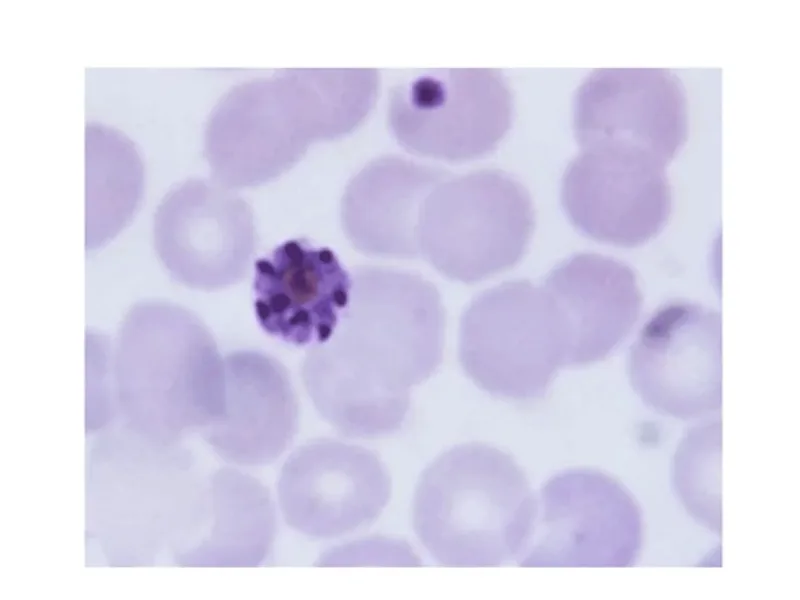
Understand the peripheral blood smear test for malaria diagnosis, its procedure, and what results mean for patients.
April 20, 2026
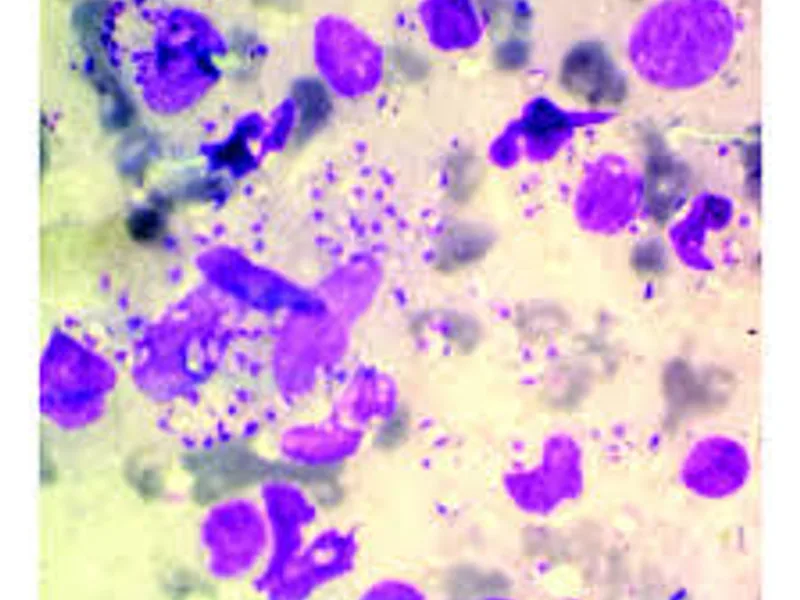
Discover how specialized staining techniques, like Giemsa, are crucial for accurately diagnosing Leishmaniasis, identifying the parasite, and guiding timely treatment. Understand this key diagnostic approach.
April 20, 2026
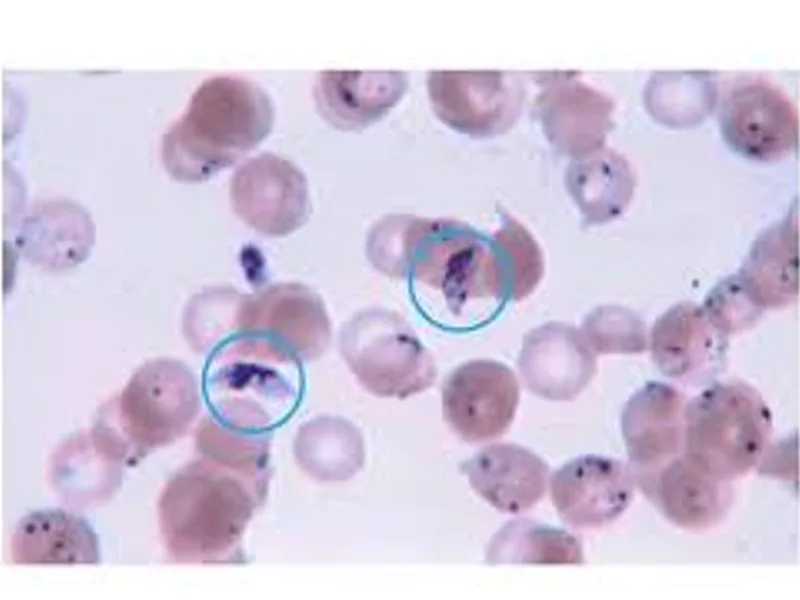
Understand the peripheral blood smear test for malaria diagnosis, its procedure, and why it's a vital tool in combating this disease.
April 20, 2026