

Free Helpline
We are here to assist you.
Health Advisor
+91-8877772277Available 7 days a week
10:00 AM – 6:00 PM to support you with urgent concerns and guide you toward the right care.

We are here to assist you.
Health Advisor
+91-8877772277Available 7 days a week
10:00 AM – 6:00 PM to support you with urgent concerns and guide you toward the right care.
Explore the cystic fibrosis vest, a modern medical device that uses high-frequency chest wall oscillation to help loosen and clear thick mucus from the lungs, improving breathing and reducing infection risk for individuals with CF and other respiratory conditions.

Understanding the Cystic Fibrosis Vest: A Revolution in Airway Clearance Cystic fibrosis (CF) is a chronic, inherited disorder that affects the cells responsible for producing mucus, sweat, and digestive juices. In individuals with CF, these secretions are abnormally thick and sticky, leading to a cascade of health problems. One of the most significant challenges in managing CF is the buildup of thick mucus in the lungs, which can obstruct airways, trap bacteria, and lead to chronic infections, inflammation, and progressive lung damage. For decades, chest physiotherapy (CPT) has been a cornerstone of CF management, aiming to help patients clear this mucus and improve breathing. Traditionally, CPT involved manual techniques like chest clapping and postural drainage, often requiring assistance from another person and taking a considerable amount of time. However, advancements in medical technology have introduced innovative solutions, and among the most impactful is the cystic fibrosis vest, also known as a high-frequency chest wall oscillation (HFCWO) vest. What is a Cystic Fibrosis Vest? A cystic fibrosis vest is a modern, wearable medical device designed to aid in airway clearance for individuals with CF and other conditions that cause mucus buildup. It works by creating rapid air pulses that vibrate the chest wall. This mechanical vibration helps to loosen the thick, sticky mucus from the airways, making it easier for the patient to cough it out. The system typically consists of two main components: an air pulse generator and an inflatable vest. How Does the Cystic Fibrosis Vest Work? The generator is connected to the vest via hoses. When activated, the generator produces a series of rapid air pulses, causing the vest to inflate and deflate rhythmically and forcefully. This creates a high-frequency oscillation or vibration against the chest wall, typically occurring around 20 times per second. This mechanical action effectively loosens the tenacious mucus that adheres to the airway walls. Unlike manual CPT, which can be uncomfortable and requires a caregiver, the HFCWO vest can be self-administered, offering greater independence and flexibility to the patient. Following the vest therapy, patients are usually advised to perform deep breathing and coughing exercises to expel the mobilized mucus. Benefits of Using a Cystic Fibrosis Vest The primary benefit of the cystic fibrosis vest is its effectiveness in improving airway clearance. By loosening mucus, it helps to: Reduce the risk of lung infections Improve lung function and breathing capacity Decrease the frequency and severity of exacerbations (flare-ups) Enhance overall quality of life Studies, including a 2020 research, have indicated that various forms of airway clearance therapy, including HFCWO, can significantly improve air movement through the lungs. The vest offers a more consistent and often more comfortable alternative to manual CPT, which can take 20-40 minutes per session, performed at least twice daily. Vest therapy, on the other hand, typically takes about 20 minutes per session, including the post-therapy coughing and breathing exercises. Tips for Effective Vest Therapy To maximize the benefits and ensure comfort during HFCWO therapy, several tips are recommended: Timing: It is generally advised to perform vest treatments before meals or at least one hour after meals to avoid discomfort or vomiting. Clothing: Wear the vest over a single, thin layer of clothing. Avoid wearing it directly on the skin unless recommended by your doctor. An extra t-shirt can be worn underneath if itching is a concern. Fit: Ensure the vest is properly adjusted for a snug but not overly tight fit. The bottom of the vest should rest just above the hip bones. When taking a deep breath, you should be able to fit your hand between the vest and your chest. Technique: While the vest inflates, you can gently pull down on the bottom of the vest to enhance the downward oscillation. Frequency: Typically, twice-daily treatments are recommended for maintenance. This frequency may be increased to four times a day if you become ill, as advised by your healthcare provider. Combination Therapy: Using nebulizer treatments with saline or prescribed medications before or during vest therapy can further help to moisten and loosen secretions. Who Can Benefit from a Cystic Fibrosis Vest? While primarily used for cystic fibrosis, the HFCWO vest can be beneficial for individuals with other respiratory conditions characterized by excessive mucus production and difficulty clearing airways. This includes conditions such as: Bronchiectasis Chronic Obstructive Pulmonary Disease (COPD) Certain neuromuscular disorders that impair coughing ability Primary ciliary dyskinesia It is essential to consult with a healthcare professional to determine if HFCWO therapy is appropriate for your specific condition. Cost and Accessibility The cost of a cystic fibrosis vest can be significant, often ranging from several thousand dollars. However, accessibility has improved through various avenues: Insurance Coverage: Many insurance plans, including Medicare and Medicaid, cover HFCWO devices when prescribed by a physician for a diagnosed medical condition. Durable Medical Equipment (DME) Suppliers: Vests are often rented or purchased through DME suppliers. Patient Assistance Programs: Some manufacturers offer financial assistance programs for eligible patients. Hospital and Clinic Provision: In some cases, vests may be provided by hospitals or clinics as part of a treatment plan. Navigating insurance and obtaining a prescription requires working closely with your medical team and insurance provider. When to Consult a Doctor It is crucial to consult a doctor if you or a loved one has been diagnosed with cystic fibrosis or another condition requiring airway clearance. Your doctor can: Diagnose the condition accurately. Recommend the most
In summary, timely diagnosis, evidence-based treatment, and prevention-focused care improve long-term health outcomes.
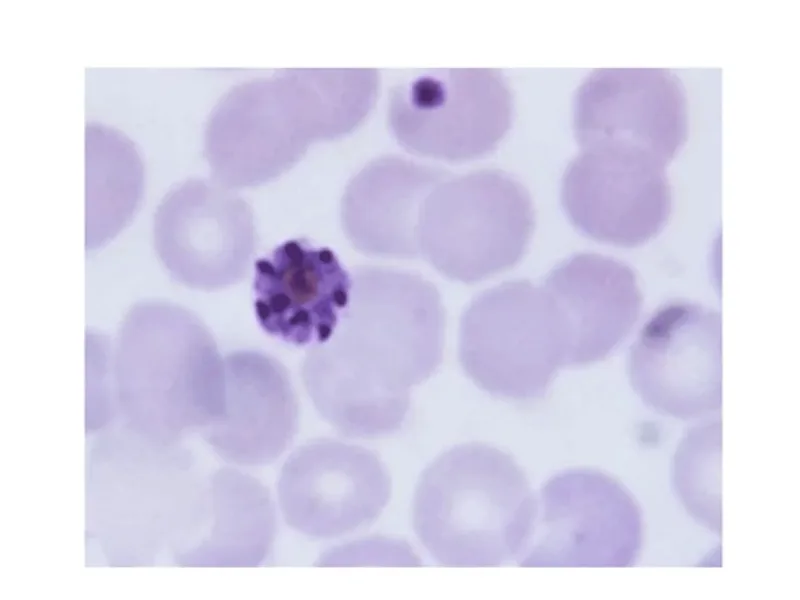
Understand the peripheral blood smear test for malaria diagnosis, its procedure, and what results mean for patients.
April 20, 2026
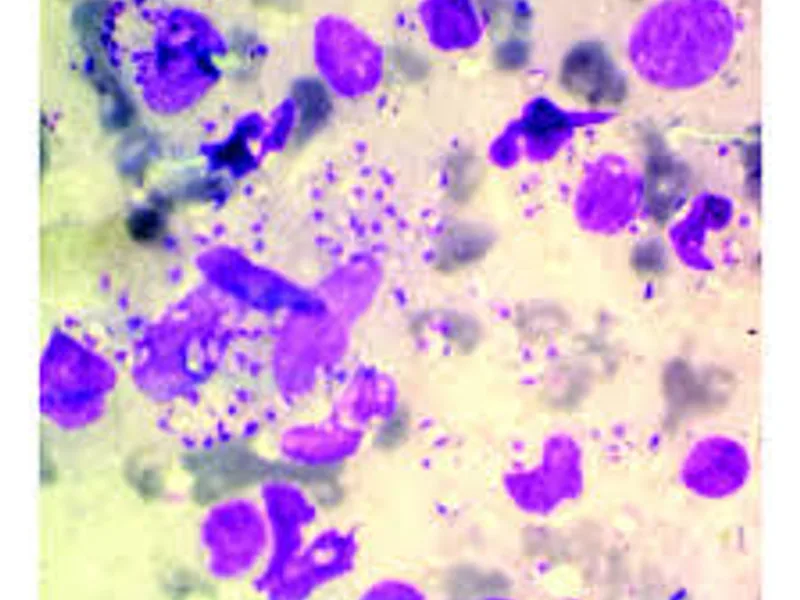
Discover how specialized staining techniques, like Giemsa, are crucial for accurately diagnosing Leishmaniasis, identifying the parasite, and guiding timely treatment. Understand this key diagnostic approach.
April 20, 2026
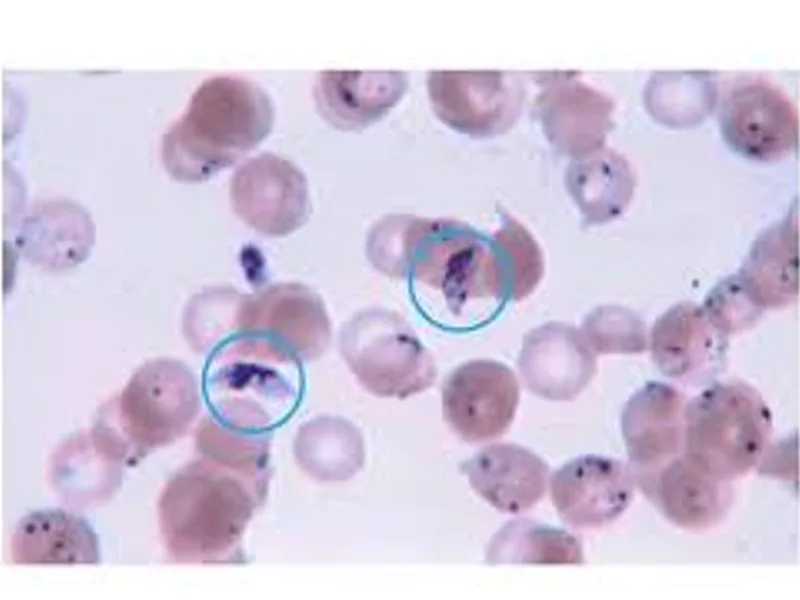
Understand the peripheral blood smear test for malaria diagnosis, its procedure, and why it's a vital tool in combating this disease.
April 20, 2026