

Free Helpline
We are here to assist you.
Health Advisor
+91-8877772277Available 7 days a week
10:00 AM – 6:00 PM to support you with urgent concerns and guide you toward the right care.

We are here to assist you.
Health Advisor
+91-8877772277Available 7 days a week
10:00 AM – 6:00 PM to support you with urgent concerns and guide you toward the right care.
Learn about chickenpox in adults, including its symptoms, causes, risks, diagnosis, treatment, and prevention. Understand why adults are more susceptible and the importance of vaccination.

Chickenpox, commonly known as varicella, is a highly contagious viral infection caused by the varicella-zoster virus (VZV). While often associated with childhood, it is crucial to understand that adults can also contract chickenpox, and in many cases, the symptoms can be more severe than in children. This blog post aims to provide comprehensive information about chickenpox in adults, covering its symptoms, causes, diagnosis, treatment options, and preventive measures, with a focus on the Indian context.
Chickenpox is characterized by an itchy rash that develops into fluid-filled blisters all over the body. These blisters eventually crust over and heal. The disease typically progresses through several stages, from initial red spots to weeping sores and finally to scabs. In adults, the appearance of new spots may cease around the seventh day, with scabbing occurring within 10 to 14 days. Once all blisters have scabbed over, the individual is no longer contagious.
The symptoms of chickenpox in adults often mirror those in children but can be more pronounced. The incubation period ranges from one to three weeks after exposure to the virus. Initial symptoms may include:
Chickenpox is caused by the varicella-zoster virus (VZV). The virus spreads easily from person to person through direct contact with the rash, or through respiratory droplets from an infected person's coughs or sneezes. Adults are at risk of contracting chickenpox if they have not had the disease as a child or have not been vaccinated.
Several factors can increase an adult's risk of contracting chickenpox or experiencing more severe complications:
In most cases, chickenpox is diagnosed based on the characteristic rash and the presence of other symptoms. A doctor can usually identify the disease through a physical examination. In some instances, laboratory tests, such as a viral culture or blood test, may be used to confirm the diagnosis, especially if the symptoms are unusual or if there is a concern about complications.
While chickenpox is often a mild illness, adults are more prone to developing serious complications. These can include:
Complications in Pregnant Women: If a pregnant woman contracts chickenpox, both she and her unborn child are at risk for serious complications, including birth defects such as abnormal limb and brain development, and pneumonia in the mother.
The primary goal of treatment for chickenpox in adults is to manage symptoms and prevent complications. Since it is a viral infection, antibiotics are not effective. Treatment recommendations typically include:
The most effective way to prevent chickenpox is through vaccination. The two-dose chickenpox vaccine (Varivax) is highly effective, offering about 94% protection against the disease for a lifetime. Adults who have not had chickenpox should receive two doses of the vaccine, administered about one month apart.
The varicella-zoster virus remains dormant in the body after the initial chickenpox infection and can reactivate later in life, causing shingles (herpes zoster). Shingles typically appears as a painful rash on one side of the body. Two shingles vaccines, Zostavax and Shingrix, are available. Doctors often recommend the shingles vaccine for adults aged 50 and older, especially those who have had chickenpox. If you have had chickenpox, discuss the shingles vaccine with your doctor, particularly if you are over 50.
It is important to consult a doctor if you suspect you have chickenpox, especially if you are an adult. Seek immediate medical attention if you experience any of the following:
While chickenpox is often considered a childhood illness, adults are susceptible and can experience more severe symptoms and complications. Understanding the risks, recognizing the symptoms, and taking preventive measures like vaccination are crucial for protecting your health. If you have had chickenpox, consider discussing the shingles vaccine with your healthcare provider. Early diagnosis and appropriate management can help ensure a smoother recovery and prevent serious health issues.
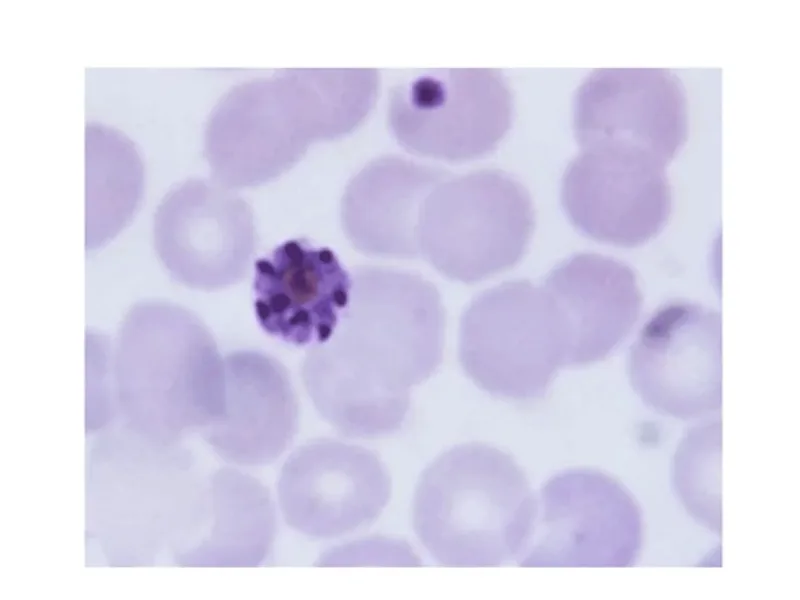
Understand the peripheral blood smear test for malaria diagnosis, its procedure, and what results mean for patients.
April 20, 2026
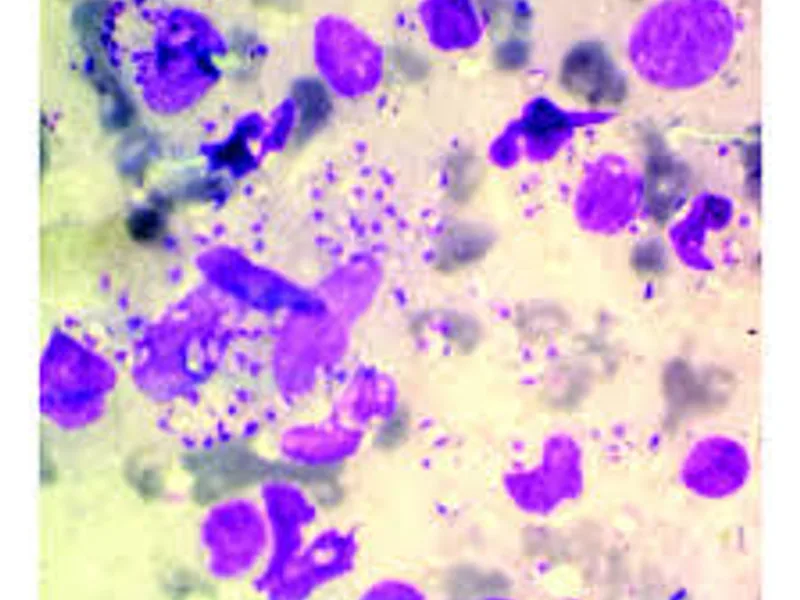
Discover how specialized staining techniques, like Giemsa, are crucial for accurately diagnosing Leishmaniasis, identifying the parasite, and guiding timely treatment. Understand this key diagnostic approach.
April 20, 2026
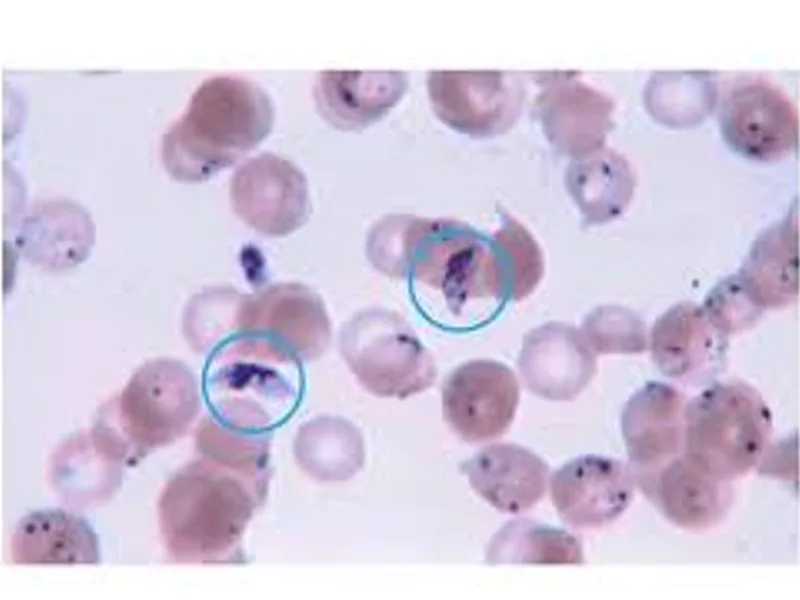
Understand the peripheral blood smear test for malaria diagnosis, its procedure, and why it's a vital tool in combating this disease.
April 20, 2026