

Free Helpline
We are here to assist you.
Health Advisor
+91-8877772277Available 7 days a week
10:00 AM – 6:00 PM to support you with urgent concerns and guide you toward the right care.

We are here to assist you.
Health Advisor
+91-8877772277Available 7 days a week
10:00 AM – 6:00 PM to support you with urgent concerns and guide you toward the right care.
Learn about cellulitis, a common bacterial skin infection. Understand its symptoms, causes, how it's diagnosed and treated, and crucial steps for prevention. Know when to seek immediate medical help to avoid serious complications.

Cellulitis is a common bacterial infection that affects the deeper layers of your skin and the tissues beneath it. It typically appears as a red, swollen, and painful area that feels warm to the touch. While it can occur anywhere on the body, it most commonly affects the legs and feet. If left untreated, cellulitis can lead to serious complications, making it crucial to recognize its symptoms and know when to seek medical attention.
The symptoms of cellulitis can vary from person to person and depend on the location and severity of the infection. However, some common signs include:
It's important to note that cellulitis symptoms often worsen within the first 48 hours of starting treatment. However, you should start to see an improvement within 2 to 3 days of beginning antibiotics. If your symptoms do not start to improve during this time, or if they worsen significantly, it is crucial to contact your doctor immediately. This could indicate that the infection is not responding to the current treatment, and a different approach may be necessary.
Cellulitis is caused by bacteria, most commonly Streptococcus and Staphylococcus, which enter the skin through a break in the skin's surface. Several factors can increase your risk of developing cellulitis:
Diagnosing cellulitis is usually straightforward and is primarily based on a physical examination. Your doctor will examine the affected skin, looking for the characteristic signs of redness, swelling, warmth, and tenderness. They may also ask about your medical history and any recent injuries or skin conditions.
In some cases, your doctor might order additional tests to confirm the diagnosis or rule out other conditions that can mimic cellulitis, such as:
The primary treatment for cellulitis is antibiotic medication. The course of treatment typically lasts for 5 to 10 days, and it is crucial to complete the entire course of antibiotics as prescribed by your doctor, even if your symptoms start to improve sooner. This ensures that the infection is completely eradicated and reduces the risk of recurrence.
In most cases, oral antibiotics are prescribed. The specific antibiotic chosen will depend on the likely type of bacteria causing the infection and your individual health factors.
In addition to antibiotics, your doctor may recommend the following to help manage symptoms:
If your cellulitis is severe, widespread, or not responding to oral antibiotics, you may need to be hospitalized. In the hospital, you will receive intravenous (IV) antibiotics, which work more quickly and effectively. In some instances, if an abscess (a collection of pus) has formed, it may need to be surgically drained.
Preventing cellulitis involves taking good care of your skin and managing any underlying health conditions that may increase your risk. Here are some key preventive measures:
It is essential to consult a doctor for any suspected case of cellulitis, as it will not resolve on its own without medical treatment. You should seek immediate medical attention if you experience any of the following:
Yes, cellulitis can spread. If left untreated, the bacteria can enter the bloodstream and spread to other parts of the body, leading to more serious systemic infections like sepsis. Prompt treatment with antibiotics is crucial to prevent this.
With appropriate antibiotic treatment, most cases of cellulitis begin to improve within 2 to 3 days. However, the full course of antibiotics (typically 5-10 days) must be completed to ensure complete healing and prevent recurrence. It may take several weeks for the skin to return to its normal appearance.
Cellulitis itself is not typically spread from person to person through casual contact. However, the bacteria that cause cellulitis can be present on the skin of healthy individuals. The infection occurs when these bacteria enter a break in the skin.
While home care measures like rest and elevation can help manage symptoms, cellulitis requires medical treatment, primarily with antibiotics. It cannot be effectively treated at home without a doctor's prescription for medication.
In most cases, cellulitis heals completely with proper treatment. However, recurrent episodes can lead to chronic swelling (lymphedema) in the affected limb due to damage to the lymphatic system. In rare and severe cases, complications like deep tissue infections or sepsis can occur.
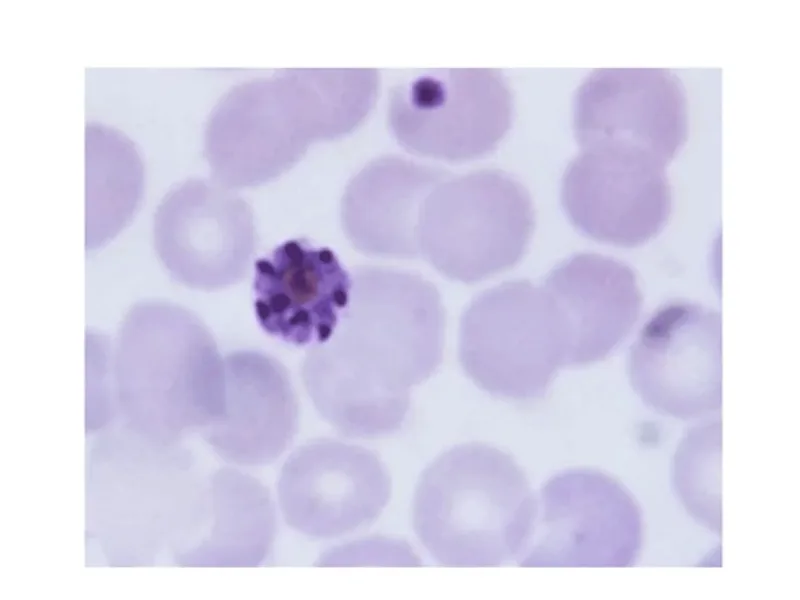
Understand the peripheral blood smear test for malaria diagnosis, its procedure, and what results mean for patients.
April 20, 2026
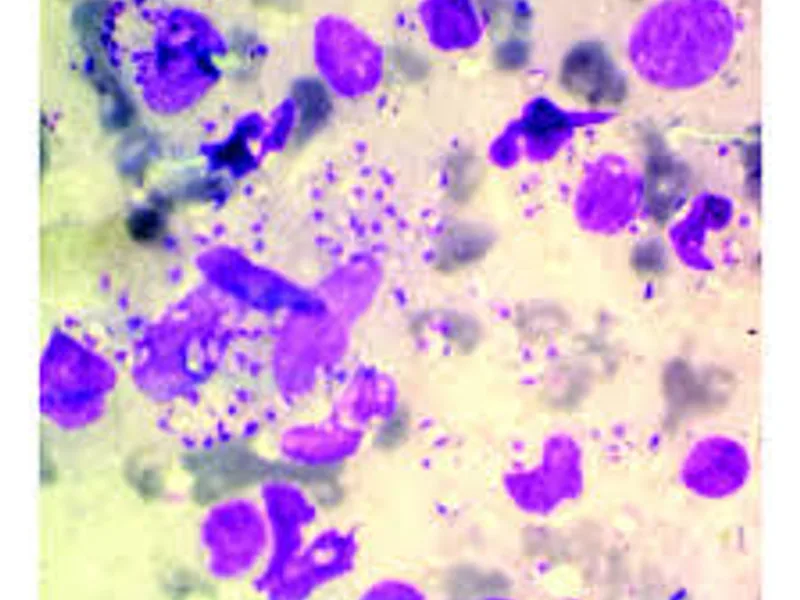
Discover how specialized staining techniques, like Giemsa, are crucial for accurately diagnosing Leishmaniasis, identifying the parasite, and guiding timely treatment. Understand this key diagnostic approach.
April 20, 2026
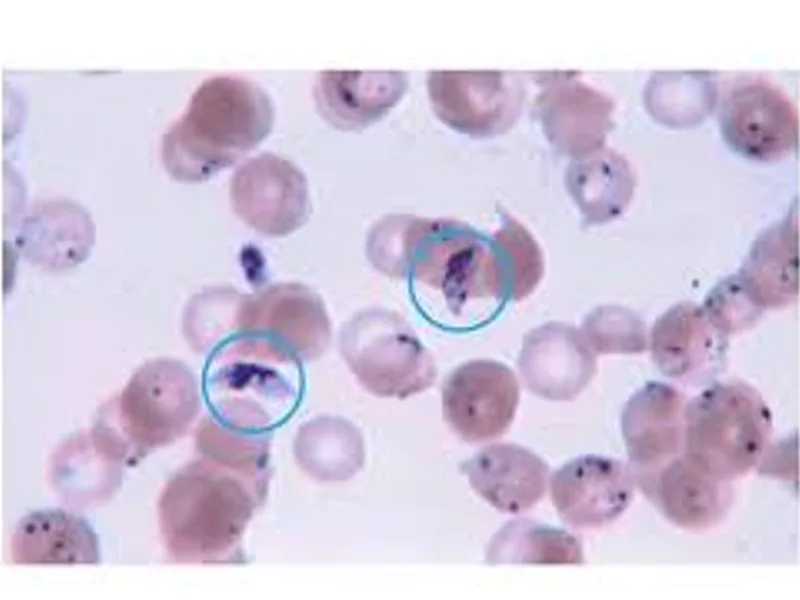
Understand the peripheral blood smear test for malaria diagnosis, its procedure, and why it's a vital tool in combating this disease.
April 20, 2026