

Free Helpline
We are here to assist you.
Health Advisor
+91-8877772277Available 7 days a week
10:00 AM – 6:00 PM to support you with urgent concerns and guide you toward the right care.

We are here to assist you.
Health Advisor
+91-8877772277Available 7 days a week
10:00 AM – 6:00 PM to support you with urgent concerns and guide you toward the right care.
Explore the potential link between COVID-19 and emphysema, understanding the lung damage, symptoms, diagnosis, and prevention strategies for better respiratory health.

The COVID-19 pandemic has brought to light numerous health concerns, and one question that has emerged is whether the virus can lead to emphysema. While not a direct cause-and-effect for everyone, research suggests that severe COVID-19 can indeed cause lung damage that results in emphysema-like changes. This guide aims to provide a comprehensive understanding of this potential link, focusing on the implications for lung health, especially for our readers in India.
Emphysema is a serious lung condition that is part of a group of diseases known as Chronic Obstructive Pulmonary Disease (COPD). It occurs when the air sacs in your lungs, called alveoli, become damaged. These tiny sacs are responsible for transferring oxygen into your bloodstream and removing carbon dioxide. When they are damaged, they lose their elasticity, making it difficult to breathe properly. The primary cause of emphysema is long-term exposure to irritants that damage the lungs, with smoking being the most common culprit. Other causes include air pollution and genetic factors.
The virus that causes COVID-19, SARS-CoV-2, enters the body by binding to a receptor called ACE2, which is abundant in the respiratory tract. Once inside, the virus triggers an immune response. While this response is crucial for fighting the infection, it can also lead to inflammation and damage to lung tissue, particularly in the lower respiratory tract. In some individuals, this damage can be severe and lead to complications.
Research has begun to explore the possibility that COVID-19 can cause emphysema-like changes in the lungs. This is more likely to occur in individuals who have experienced severe COVID-19, often requiring hospitalization and mechanical ventilation. Here’s what studies have indicated:
It is important to note that these changes are described as 'emphysema-like' because they share characteristics with emphysema, such as damage to the air sacs. The exact long-term implications are still being studied.
Beyond emphysema-like changes, COVID-19 can lead to a range of other respiratory issues. These can include:
If you have had COVID-19, especially a severe case, it's important to be aware of potential long-term respiratory symptoms. These might include:
These symptoms can overlap with other lung conditions, making a proper diagnosis crucial.
Diagnosing lung damage, including emphysema-like changes, typically involves several steps:
Currently, there is no cure for emphysema, and lung damage from severe COVID-19 may also be irreversible. However, treatments focus on managing symptoms, slowing disease progression, and improving quality of life. These may include:
While we cannot change past infections, we can take steps to protect our lungs and improve overall respiratory health:
It is crucial to consult a doctor if you experience any new or worsening respiratory symptoms after having COVID-19, especially if you had a severe infection. Persistent shortness of breath, a chronic cough, or difficulty performing daily activities warrants medical attention. Early diagnosis and management can significantly improve outcomes and prevent further complications.
No, not everyone who gets COVID-19 will develop emphysema. The risk is significantly higher in individuals who experience severe COVID-19, particularly those requiring hospitalization and mechanical ventilation. Mild to moderate cases are less likely to cause such severe lung damage.
The extent and permanence of lung damage vary greatly from person to person. While some lung damage may heal over time, severe damage, such as fibrosis or emphysema-like changes, can be permanent. However, with proper management and rehabilitation, individuals can often improve their breathing and quality of life.
Emphysema is a specific condition characterized by the destruction of alveoli, often caused by long-term irritant exposure like smoking. COVID-19 can cause acute lung injury that may lead to emphysema-like changes, fibrosis, or other complications. The underlying cause and the acute nature of COVID-19's impact are different, though the resulting lung structure damage can be similar.
Yes, you can take several steps to improve your lung health, including quitting smoking, avoiding air pollution, staying hydrated, eating a nutritious diet, engaging in regular physical activity, and participating in pulmonary rehabilitation if recommended by your doctor. Practicing breathing exercises can also be beneficial.
Disclaimer: This information is for educational purposes only and should not be considered medical advice. Always consult with a qualified healthcare provider for any health concerns or before making any decisions related to your health or treatment.
This section adds practical context and preventive advice to help readers make informed healthcare decisions. It is important to verify symptoms early, consult qualified doctors, and avoid self-medication for persistent health issues.
Maintaining healthy routines, following prescribed treatment plans, and attending regular checkups can improve outcomes. If symptoms worsen or red-flag signs appear, immediate medical evaluation is recommended.
Track symptoms and duration.
Follow diagnosis and treatment from a licensed practitioner.
Review medication side effects with your doctor.
Seek urgent care for severe warning signs.
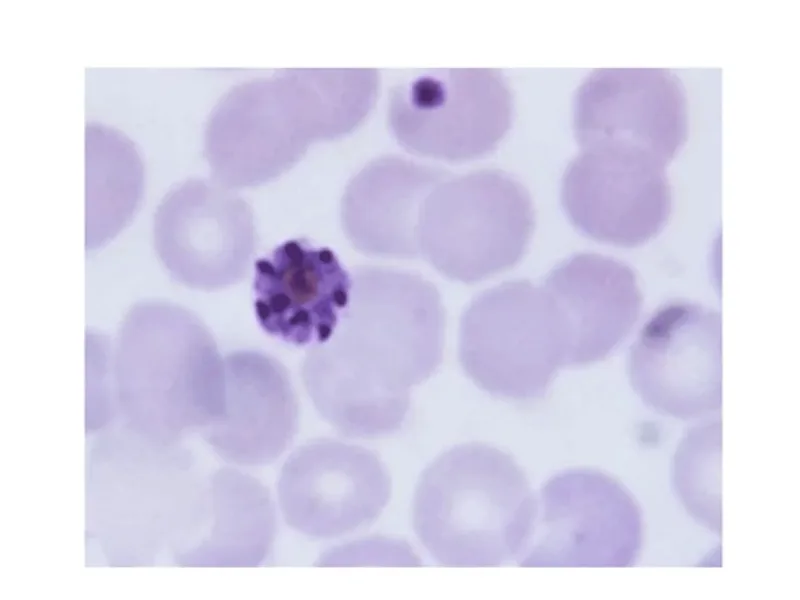
Understand the peripheral blood smear test for malaria diagnosis, its procedure, and what results mean for patients.
April 20, 2026
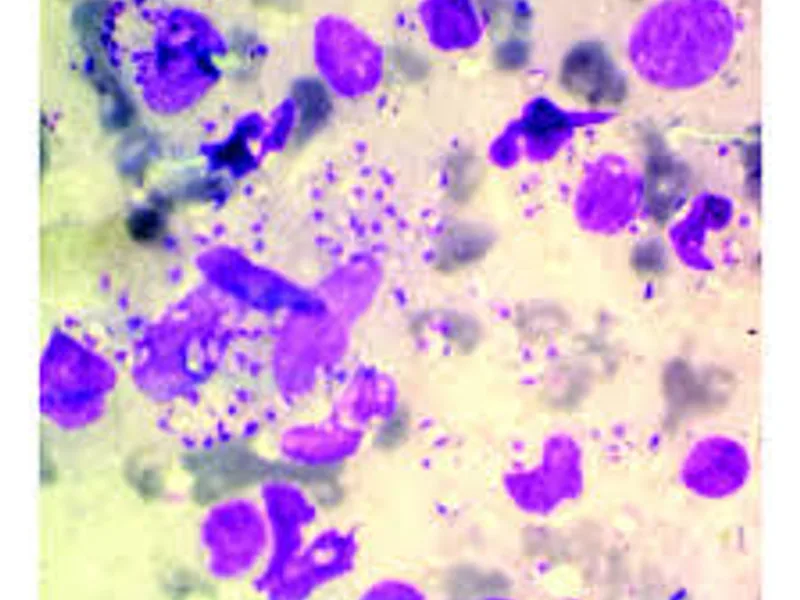
Discover how specialized staining techniques, like Giemsa, are crucial for accurately diagnosing Leishmaniasis, identifying the parasite, and guiding timely treatment. Understand this key diagnostic approach.
April 20, 2026
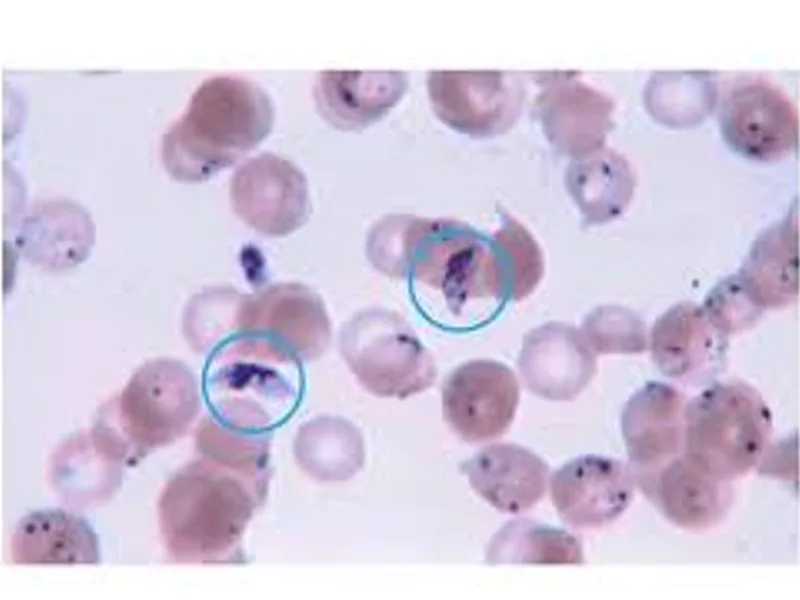
Understand the peripheral blood smear test for malaria diagnosis, its procedure, and why it's a vital tool in combating this disease.
April 20, 2026