

Free Helpline
We are here to assist you.
Health Advisor
+91-8877772277Available 7 days a week
10:00 AM – 6:00 PM to support you with urgent concerns and guide you toward the right care.

We are here to assist you.
Health Advisor
+91-8877772277Available 7 days a week
10:00 AM – 6:00 PM to support you with urgent concerns and guide you toward the right care.
Explore the BRAT diet (Bananas, Rice, Applesauce, Toast) for stomach upset. Learn about its history, limitations, and why a broader bland diet is often recommended today. Includes when to see a doctor.

Understanding the BRAT Diet for Stomach Issues The BRAT diet, an acronym for Bananas, Rice, Applesauce, and Toast , has long been a go-to recommendation for managing stomach upset, particularly in children. The core idea behind this diet is to consume bland, easily digestible foods that can help soothe an irritated digestive system and reduce the frequency of bowel movements. While it was once a staple in pediatric care for stomach ailments, modern medical advice suggests a more nuanced approach, often favouring a broader bland diet over the strict BRAT regimen. This article delves into what the BRAT diet entails, its potential benefits, its limitations, and the alternatives that are now considered more effective for recovery from digestive distress. What is the BRAT Diet? The BRAT diet is a restrictive eating plan that focuses on four specific foods: bananas, rice, applesauce, and toast. These foods are chosen because they are low in fiber, low in fat, and generally easy for the stomach to process. The theory is that by consuming these bland items, you can give your digestive system a much-needed rest, allowing it to recover from conditions like diarrhea, vomiting, or general stomach upset. Foods Included in the BRAT Diet: Bananas: Ripe bananas are a good source of potassium, an electrolyte that can be depleted during bouts of diarrhea or vomiting. They are also soft and easy to digest. Rice: Plain white rice, preferably boiled or steamed, is a low-fiber carbohydrate that can help bind stools and provide energy without taxing the digestive system. Applesauce: Unsweetened applesauce is another easily digestible option. It provides some carbohydrates for energy and is generally well-tolerated. Toast: Plain white toast, without butter or jam, is a simple carbohydrate that is easy on the stomach. Why Was the BRAT Diet Recommended? Historically, pediatricians often recommended the BRAT diet for children experiencing stomach flu or diarrhea. The rationale was that these bland foods would help to firm up stools, reduce the volume of diarrhea, and provide a gentle way to reintroduce food after a period of illness. The simplicity and availability of these foods also made it a practical choice for parents. Limitations and Concerns with the BRAT Diet Despite its historical popularity, medical experts today have several concerns about relying solely on the BRAT diet for an extended period. The primary issue is its extremely low nutritional value. By excluding entire food groups like proteins, healthy fats, and a wide range of vitamins and minerals found in fruits and vegetables, the BRAT diet can lead to: Nutritional Deficiencies: Following the BRAT diet for more than a day or two can deprive the body of essential nutrients needed for recovery and overall health. Lack of Fiber: While low fiber is the point for binding stools, a complete lack of fiber can be problematic in the long run and doesn't support gut health. Insufficient Protein and Fat: The body needs protein for repair and energy, and healthy fats are crucial for various bodily functions. The BRAT diet is severely lacking in both. Not Suitable for All Stomach Issues: The BRAT diet is primarily aimed at diarrhea and vomiting. It may not be appropriate for other types of stomach discomfort or more serious conditions. Because of these limitations, healthcare professionals now tend to recommend a broader bland diet approach, which offers more nutritional variety while still being gentle on the stomach. What is a Bland Diet? A bland diet is a more comprehensive approach to eating during digestive upset. It focuses on foods that are easy to digest and unlikely to irritate the stomach lining. Unlike the very restrictive BRAT diet, a bland diet allows for a wider range of foods, ensuring better nutritional intake during recovery. The key is to choose foods that are: Low in fiber Low in fat Not spicy Not fried Not overly processed Foods to Include in a Bland Diet: In addition to the BRAT foods, a bland diet can include: Cooked Cereals: Oatmeal, cream of wheat, or other well-cooked, plain cereals. Lean Proteins: Baked or boiled chicken or turkey (without skin), white fish. Cooked Vegetables: Well-cooked, non-gassy vegetables like carrots, potatoes (without skin), green beans. Fruits: Ripe bananas, applesauce, canned peaches or pears (in their own juice, not syrup). Dairy: Low-fat yogurt or cottage cheese (if tolerated). Other: Plain crackers, plain pasta, boiled or baked potatoes. Foods to Avoid on a Bland Diet: It is crucial to avoid foods that can aggravate a sensitive stomach. These include: Spicy Foods: Curries, chili, hot sauces. Fatty and Fried Foods: Fried chicken, french fries, greasy snacks, fatty meats. High-Fiber Foods: Whole grains, raw vegetables, beans, nuts, seeds. Acidic Foods: Citrus fruits (oranges, lemons, grapefruit), tomatoes, berries. Caffeinated Beverages: Coffee, tea, cola. Alcohol. Dairy: Milk, cheese (if lactose intolerant or sensitive). When to Consult a Doctor While mild stomach upset often resolves on its own, it's important to know when to seek medical advice. You should consult a doctor if: Symptoms persist: If vomiting or diarrhea does not improve after 24 hours, or if diarrhea lasts longer than 2 days. Signs of Dehydration: Symptoms like extreme thirst, dry mouth, infrequent urination, dark-colored urine, dizziness, or weakness can indicate dehydration, which requires medical attention. Severe Symptoms: High fever, severe abdominal pain, blood in stool or vomit, or persistent vomiting. Infants and Young Children: With babies and young children, it's advisable to contact their doctor if vomiting
In summary, timely diagnosis, evidence-based treatment, and prevention-focused care improve long-term health outcomes.
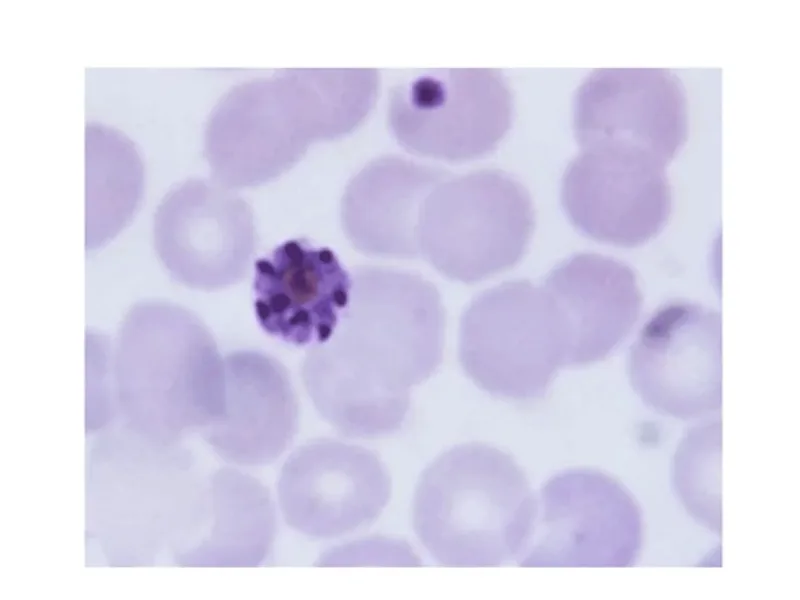
Understand the peripheral blood smear test for malaria diagnosis, its procedure, and what results mean for patients.
April 20, 2026
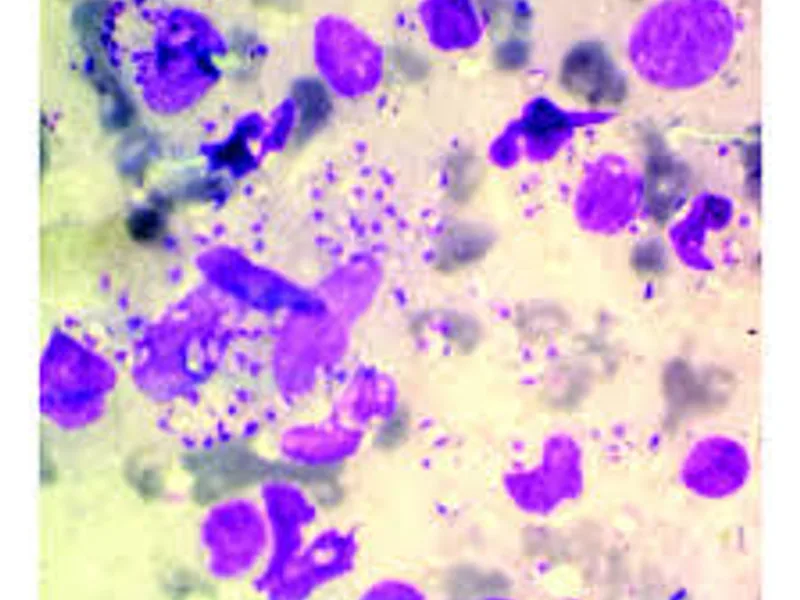
Discover how specialized staining techniques, like Giemsa, are crucial for accurately diagnosing Leishmaniasis, identifying the parasite, and guiding timely treatment. Understand this key diagnostic approach.
April 20, 2026
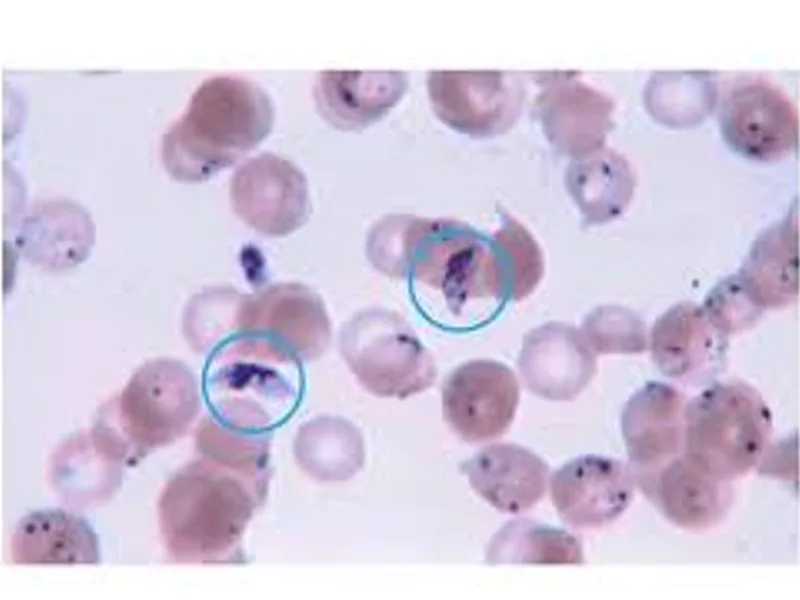
Understand the peripheral blood smear test for malaria diagnosis, its procedure, and why it's a vital tool in combating this disease.
April 20, 2026