

Free Helpline
We are here to assist you.
Health Advisor
+91-8877772277Available 7 days a week
10:00 AM – 6:00 PM to support you with urgent concerns and guide you toward the right care.

We are here to assist you.
Health Advisor
+91-8877772277Available 7 days a week
10:00 AM – 6:00 PM to support you with urgent concerns and guide you toward the right care.
Discover common beach allergies like pollen, sun reactions, sunscreen sensitivities, swimmer's itch, and insect bites. Learn symptoms, diagnosis, treatment, and prevention tips for a comfortable seaside experience.

A day at the beach is often associated with relaxation, fun, and a welcome escape from daily routines. However, for many, the seaside can also be a trigger for unpleasant allergic reactions. While beaches might seem like havens with less pollen than inland areas, they can harbour a variety of allergens that can turn a perfect beach day into a miserable one. This guide aims to help you understand the common causes of beach allergies, their symptoms, and how to prevent and manage them, ensuring your next coastal getaway is as comfortable as possible.
Before diving into beach-specific allergies, it's essential to understand what an allergy is. Allergies occur when your immune system mistakenly identifies a normally harmless substance – an allergen – as a threat. In response, it releases chemicals like histamine, which cause the symptoms we associate with allergic reactions. Millions of people worldwide experience allergies annually, ranging from mild discomfort to severe, life-threatening reactions.
While coastal areas often have lower pollen counts compared to inland regions, it doesn't mean they are entirely pollen-free. Certain types of pollen, particularly from ragweed, can travel significant distances, even up to 400 miles offshore. If you have seasonal allergies, you might still experience symptoms like sneezing, runny nose, itchy eyes, and throat irritation even when you're by the sea. The sea breeze can sometimes concentrate these airborne allergens, making them more noticeable.
Sun allergy, medically known as solar urticaria, is a condition where exposure to sunlight triggers hives or a rash on the skin. This condition is relatively rare, accounting for less than 0.5% of all hives cases. The exact cause isn't fully understood, but it's believed that certain medications, such as some antibiotics, might contribute to its development. Symptoms typically appear on skin areas exposed to the sun and can include redness, itching, and raised welts.
The very product designed to protect your skin can sometimes cause an allergic reaction. Sunscreens contain various ingredients, and some individuals may be sensitive or allergic to them. Historically, para-aminobenzoic acid (PABA) was a common culprit, but its use has declined. Modern sunscreens can still contain ingredients that trigger allergic contact dermatitis, leading to a red, itchy rash, blisters, or swelling. It's crucial to test new sunscreens on a small patch of skin before widespread application.
This is a common and often irritating allergic reaction caused by microscopic parasites found in certain bodies of water, including some coastal areas. These parasites, released by infected snails, can burrow into your skin, leading to an itchy rash with small red bumps or blisters. Symptoms can appear within minutes to days after swimming in contaminated water.
Often confused with swimmer's itch, seabather's itch, also known as sea lice, is caused by the larvae of jellyfish. When these tiny larvae get trapped between your skin and swimwear, they can cause a burning, itchy rash. The reaction can be quite uncomfortable and typically appears after swimming in ocean waters where jellyfish are present.
Beaches can be home to various insects, including biting flies, mosquitoes, and stinging insects like bees or wasps. While most reactions to insect bites are mild, causing localized itching and swelling, some individuals can experience more severe allergic reactions, including anaphylaxis. Anaphylaxis is a life-threatening condition that requires immediate medical attention.
The symptoms of beach allergies can vary depending on the allergen and the individual's sensitivity. Common signs include:
If you suspect you have a beach-related allergy, consulting a doctor is the best course of action. A doctor can help diagnose the specific allergen through:
The treatment for beach allergies depends on the cause and severity of the reaction:
Preventing allergic reactions at the beach is often the best approach:
It's important to seek medical advice if:
Yes, while beaches often have less pollen than other areas, airborne pollens like ragweed can travel far and still trigger allergies in susceptible individuals.
Swimmer's itch is caused by parasitic flatworm larvae, while sea lice are caused by jellyfish larvae. Both result in itchy rashes after water exposure, but the specific cause and treatment might differ slightly.
Apply a small amount of the sunscreen to a discreet area of skin, like your inner forearm. Wait for 24 hours to check for any redness, itching, or rash. If no reaction occurs, it's likely safe to use more widely.
Anaphylaxis from beach allergens like insect stings is possible but not extremely common. However, it is a life-threatening emergency, so awareness and preparedness are crucial for those with known severe allergies.
By understanding the potential allergens and taking preventive measures, you can significantly reduce the risk of allergic reactions and enjoy your time at the beach to the fullest. Always prioritize your health and consult a healthcare professional if you have concerns.

Understand the peripheral blood smear test for malaria diagnosis, its procedure, and what results mean for patients.
April 20, 2026

Discover how specialized staining techniques, like Giemsa, are crucial for accurately diagnosing Leishmaniasis, identifying the parasite, and guiding timely treatment. Understand this key diagnostic approach.
April 20, 2026
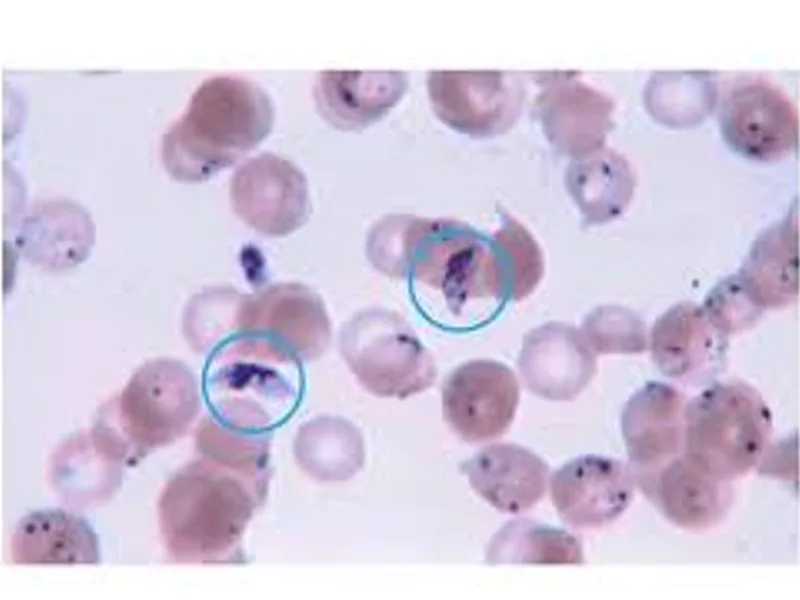
Understand the peripheral blood smear test for malaria diagnosis, its procedure, and why it's a vital tool in combating this disease.
April 20, 2026