

Free Helpline
We are here to assist you.
Health Advisor
+91-8877772277Available 7 days a week
10:00 AM – 6:00 PM to support you with urgent concerns and guide you toward the right care.

We are here to assist you.
Health Advisor
+91-8877772277Available 7 days a week
10:00 AM – 6:00 PM to support you with urgent concerns and guide you toward the right care.
Learn about the common causes, symptoms, and effective treatments for armpit pimples. Discover when to seek medical advice and how to prevent future breakouts.

Pimples in the underarm area, while often a cause for concern, are a relatively common occurrence. These bumps, which can manifest as small, flesh-toned spots or more inflamed, red lesions, are typically a result of bacteria accumulating in the pores or blocked sweat glands. While most armpit pimples are harmless and resolve on their own, understanding their potential causes, recognizing the symptoms, and knowing when to seek medical advice is crucial for effective management and prevention of complications.
Several factors can contribute to the development of pimples in the underarm region. Identifying the specific cause is the first step towards appropriate treatment and prevention.
Ingrown hairs are a frequent culprit, especially after shaving or waxing. When a hair follicle becomes blocked, the hair curls back or grows sideways into the skin, leading to inflammation and the formation of a bump. While generally not serious, ingrown hairs in sensitive areas like the armpits can be uncomfortable. Symptoms may include a visible bump or a cluster of bumps, and sometimes mild itching or tenderness.
Prevention of Ingrown Hairs:
If ingrown hairs persist or show signs of infection, consult a doctor.
Folliculitis is a condition characterized by inflammation of the hair follicles, often caused by bacterial or fungal infections. It can appear as red, inflamed bumps or small white-headed pimples around the hair follicles in the armpit. In more severe cases, it can progress to painful sores that heal slowly and may lead to permanent hair loss or scarring.
Symptoms of Folliculitis:
Mild cases of folliculitis often resolve with good hygiene and home care. However, for persistent or severe cases, medical treatment, including prescribed medications, may be necessary.
Contact dermatitis is an itchy rash that develops when the skin comes into contact with an irritant or allergen. In the armpits, this can be triggered by harsh soaps, deodorants, laundry detergents, or certain fabrics. The rash typically appears on the area exposed to the offending substance and can cause bumps, redness, itching, and sometimes blistering.
Symptoms of Contact Dermatitis:
Avoiding the trigger is the primary treatment. For severe reactions, a doctor may recommend topical ointments or medications to alleviate symptoms.
Hidradenitis Suppurativa is a chronic inflammatory skin condition that affects hair follicles, commonly occurring in areas with sweat glands, such as the armpits and groin. It causes painful, deep-seated lumps or boils that can rupture, drain pus, and lead to scarring. HS can be recurrent, with periods of flare-ups and remission.
Symptoms of Hidradenitis Suppurativa:
Treatment for HS often involves a combination of medications, including antibiotics, anti-inflammatory drugs, and sometimes surgical interventions, depending on the severity.
In most cases, armpit pimples can be diagnosed based on their appearance and the patient's medical history. A doctor will typically examine the affected area and ask about:
In certain situations, such as suspected folliculitis or hidradenitis suppurativa, a doctor might recommend:
The treatment approach for armpit pimples depends largely on the underlying cause and severity of the condition.
For mild cases, such as simple ingrown hairs or minor folliculitis, several home care measures can be effective:
When home care is insufficient or the condition is more severe, medical intervention may be required:
While many armpit pimples resolve on their own, it is important to seek medical attention if you experience any of the following:
Prompt medical evaluation can help determine the exact cause and ensure appropriate treatment, preventing complications and promoting faster healing.
Adopting good hygiene and skincare practices can significantly reduce the likelihood of developing armpit pimples:
Armpit pimples are a common issue with various potential causes, ranging from simple ingrown hairs to more complex skin conditions like hidradenitis suppurativa. While many cases are manageable with home care and good hygiene, it is essential to be aware of the warning signs that necessitate medical consultation. By understanding the causes, recognizing symptoms, and implementing preventive measures, individuals can effectively manage and reduce the occurrence of armpit pimples, ensuring comfort and skin health.
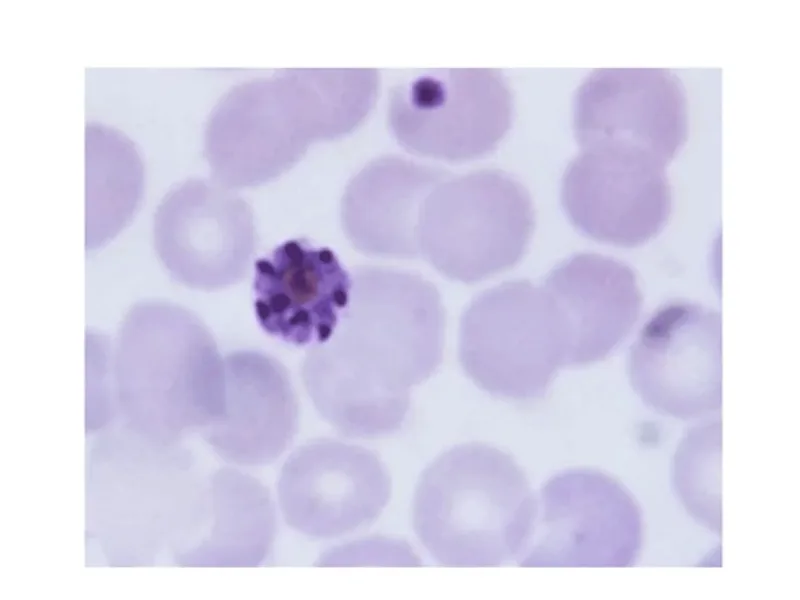
Understand the peripheral blood smear test for malaria diagnosis, its procedure, and what results mean for patients.
April 20, 2026
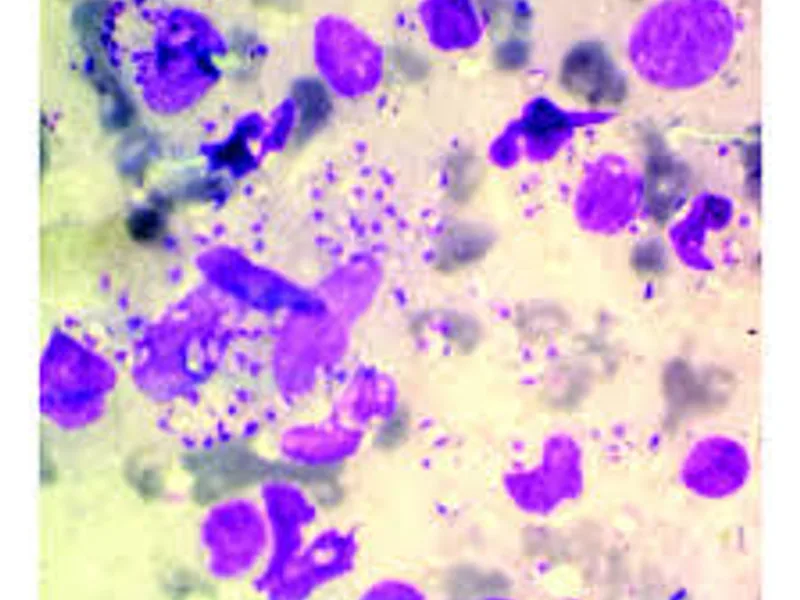
Discover how specialized staining techniques, like Giemsa, are crucial for accurately diagnosing Leishmaniasis, identifying the parasite, and guiding timely treatment. Understand this key diagnostic approach.
April 20, 2026
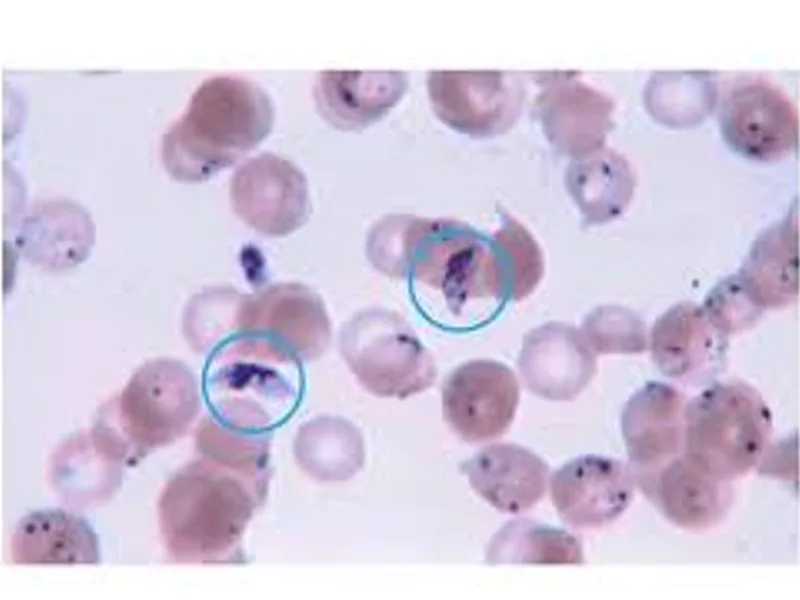
Understand the peripheral blood smear test for malaria diagnosis, its procedure, and why it's a vital tool in combating this disease.
April 20, 2026