

Free Helpline
We are here to assist you.
Health Advisor
+91-8877772277Available 7 days a week
10:00 AM – 6:00 PM to support you with urgent concerns and guide you toward the right care.

We are here to assist you.
Health Advisor
+91-8877772277Available 7 days a week
10:00 AM – 6:00 PM to support you with urgent concerns and guide you toward the right care.
Exploring the use of Apple Cider Vinegar (ACV) for Bacterial Vaginosis (BV). Learn about BV symptoms, potential benefits and risks of ACV, medical treatments, and prevention tips. Consult your doctor for diagnosis and treatment.

Bacterial Vaginosis (BV) is a common vaginal condition affecting a significant percentage of women. While some may experience no symptoms, others can suffer from an unpleasant odour, unusual discharge, and discomfort. In India, like in many parts of the world, home remedies are often explored for managing such conditions. One such remedy that has gained attention is the use of Apple Cider Vinegar (ACV). This blog post delves into what BV is, the potential, and limitations of using ACV for its treatment, and emphasizes the importance of medical consultation.
Bacterial Vaginosis is an imbalance of the naturally occurring bacteria in the vagina. Normally, the vagina has a healthy balance of 'good' bacteria (lactobacilli) and 'harmful' bacteria. In BV, the harmful bacteria overgrow, leading to a change in the vaginal environment. This imbalance can cause symptoms such as:
It's important to note that not all women with BV experience symptoms. However, even without symptoms, BV can increase the risk of other reproductive health issues and infections.
Apple Cider Vinegar is made by fermenting apple cider. It contains acetic acid, which is believed to have antimicrobial properties. Proponents of natural remedies suggest that ACV can help restore the natural pH balance of the vagina and combat the overgrowth of harmful bacteria. The rationale often stems from its known antiseptic qualities and its use in traditional medicine for various ailments. Some studies have indicated that ACV may have antimicrobial effects on certain bacteria, including those commonly associated with BV and yeast infections (like Candida albicans).
While ACV is popular in natural healing circles, the scientific evidence supporting its effectiveness specifically for BV is limited and often based on small studies or extrapolated from its general antimicrobial properties.
Those who advocate for ACV use often suggest diluted ACV rinses or baths. However, it is crucial to understand that the vagina is a delicate environment.
Accurate diagnosis is the first step to effective treatment. If you suspect you have BV, it's essential to see a doctor. Diagnosis typically involves:
The standard and most effective treatment for BV involves antibiotics prescribed by a doctor. These medications work to restore the balance of bacteria in the vagina.
It is crucial to complete the entire course of antibiotics as prescribed, even if your symptoms improve quickly. Stopping treatment early can lead to recurrence of the infection.
While ACV might be considered by some, there are proven ways to help prevent BV or reduce the risk of recurrence:
It is essential to consult a doctor if you experience any symptoms of BV, especially if:
Disclaimer: This information is for general knowledge and informational purposes only, and does not constitute medical advice. It is essential to consult with a qualified healthcare professional for any health concerns or before making any decisions related to your health or treatment.
This section adds practical context and preventive advice to help readers make informed healthcare decisions. It is important to verify symptoms early, consult qualified doctors, and avoid self-medication for persistent health issues.
Maintaining healthy routines, following prescribed treatment plans, and attending regular checkups can improve outcomes. If symptoms worsen or red-flag signs appear, immediate medical evaluation is recommended.
Track symptoms and duration.
Follow diagnosis and treatment from a licensed practitioner.
Review medication side effects with your doctor.
Seek urgent care for severe warning signs.
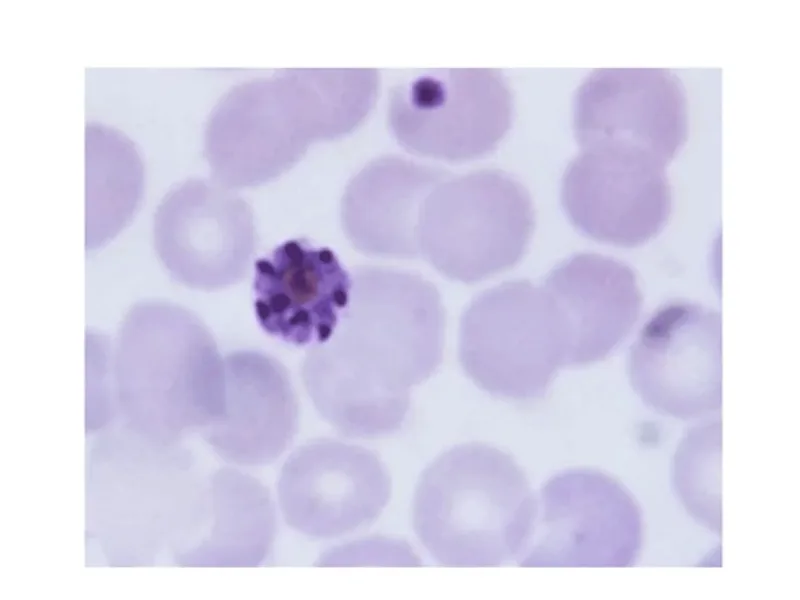
Understand the peripheral blood smear test for malaria diagnosis, its procedure, and what results mean for patients.
April 20, 2026
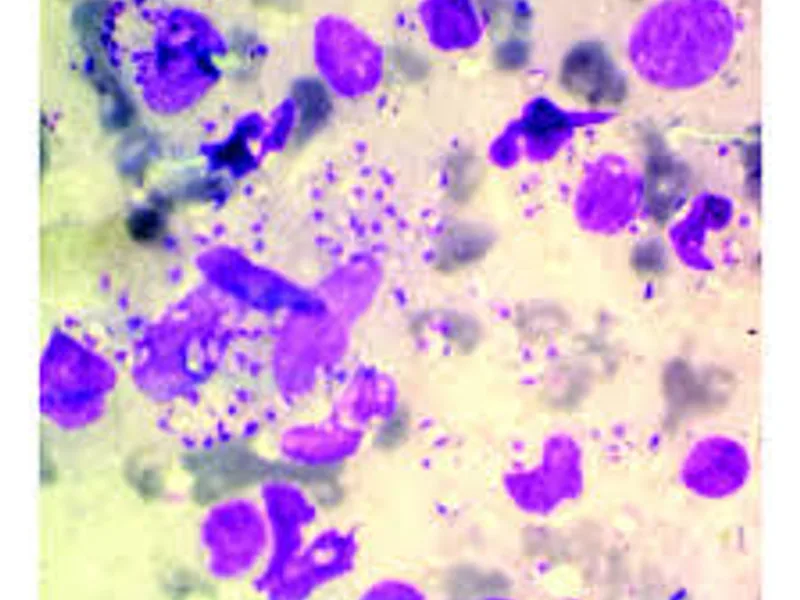
Discover how specialized staining techniques, like Giemsa, are crucial for accurately diagnosing Leishmaniasis, identifying the parasite, and guiding timely treatment. Understand this key diagnostic approach.
April 20, 2026
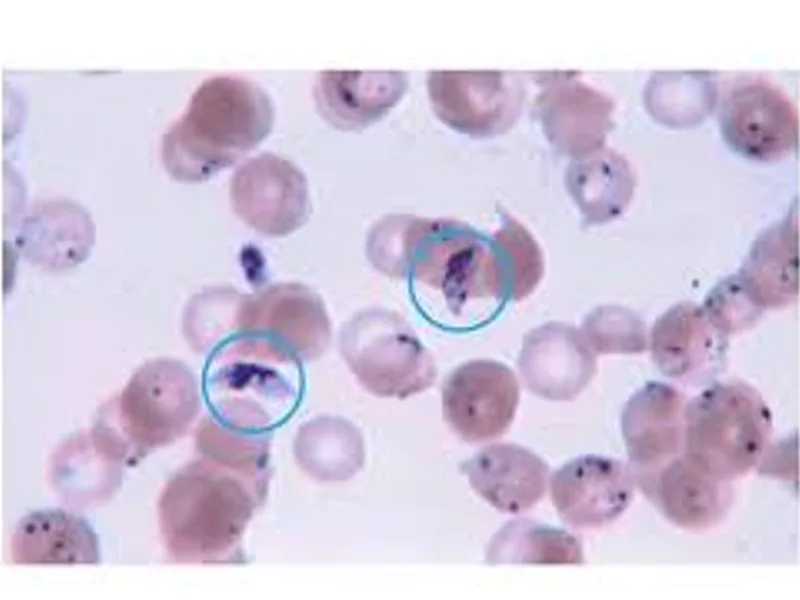
Understand the peripheral blood smear test for malaria diagnosis, its procedure, and why it's a vital tool in combating this disease.
April 20, 2026