

Free Helpline
We are here to assist you.
Health Advisor
+91-8877772277Available 7 days a week
10:00 AM – 6:00 PM to support you with urgent concerns and guide you toward the right care.

We are here to assist you.
Health Advisor
+91-8877772277Available 7 days a week
10:00 AM – 6:00 PM to support you with urgent concerns and guide you toward the right care.
Learn about antimicrobial chemotherapy, its uses in treating bacterial, viral, fungal, and parasitic infections, how it's administered, potential side effects, and the importance of prevention and responsible use.

In our daily lives, we are surrounded by microorganisms like bacteria, viruses, parasites, and fungi. While many of these are harmless and even beneficial, some can cause infections that require medical attention. Fortunately, we have a powerful arsenal of tools to combat these harmful microbes, and a key part of this fight is antimicrobial chemotherapy. This article will delve into what antimicrobial chemotherapy is, its various uses, how it's administered, potential side effects, and its overall effectiveness in treating infections.
Before we dive into chemotherapy, let's understand what antimicrobial agents are. These are substances designed to stop or slow down the growth of microorganisms. They are broadly categorized into:
The term chemotherapy often brings to mind cancer treatment. However, in the context of infections, antimicrobial chemotherapy refers to the use of medications that target bacteria, viruses, parasites, and other infectious microorganisms within the body. This umbrella term encompasses a range of treatments, including:
Receiving the correct antimicrobial chemotherapy treatment at the appropriate time is crucial for effective infection control and recovery. It plays a vital role in managing and curing a wide array of infectious diseases.
The primary and most significant use of antimicrobial chemotherapy is the treatment of infections. Whether caused by bacteria, viruses, fungi, or parasites, these medications are essential for eradicating the pathogens and restoring health. In India, where infectious diseases can be prevalent, these treatments are a cornerstone of public health.
Beyond direct treatment, antimicrobial chemotherapy is also integral to:
The method of delivering antimicrobial chemotherapy depends on several factors, including the type of microorganism causing the infection, the severity of the illness, and the specific medication prescribed. Common delivery methods include:
The duration of treatment also varies. Some infections may require a short course of medication, while others, particularly chronic or resistant infections, might necessitate prolonged treatment over several weeks or even months. It's essential to complete the full course of medication as prescribed, even if you start feeling better, to ensure the infection is completely eradicated.
Like all medications, antimicrobial chemotherapy can have side effects. The specific side effects depend heavily on the drug used. However, many antimicrobial agents are generally well-tolerated, and side effects are often mild and temporary. Common side effects include:
These symptoms usually resolve on their own within a day or two after starting the medication or completing the course. However, it's important to be aware of more severe, though rare, side effects that can occur:
If you experience any severe or persistent side effects, it is crucial to contact your doctor immediately.
Antimicrobial chemotherapy is one of the most successful and established treatments for infectious diseases. It has been instrumental in saving millions of lives worldwide and has dramatically increased life expectancy. For many bacterial, viral, fungal, and parasitic infections, these medications are highly effective in curing the illness and preventing complications.
However, the effectiveness can be challenged by factors such as:
Continuous research and development of new antimicrobial agents are ongoing to combat emerging resistant strains.
It is essential to consult a doctor if you suspect you have an infection. Prompt medical attention can lead to a quicker diagnosis and the initiation of appropriate treatment. Seek medical advice if you experience:
Never self-medicate with antibiotics or other antimicrobial drugs. Using these medications without a prescription and proper diagnosis can be ineffective, harmful, and contribute to antimicrobial resistance.
While antimicrobial chemotherapy is vital for treatment, prevention remains the best strategy against infections. Simple hygiene practices can significantly reduce your risk:
Q1: Can I stop taking my antibiotics once I feel better?
A: No, it is crucial to complete the entire course of antibiotics as prescribed by your doctor. Stopping early can lead to the infection returning and may contribute to antibiotic resistance.
Q2: Are all infections treated with antibiotics?
A: No. Antibiotics are only effective against bacterial infections. Viral infections, such as the common cold or flu, are not treated with antibiotics. Antivirals are used for viral infections.
Q3: What is antimicrobial resistance?
A: Antimicrobial resistance occurs when microorganisms (like bacteria, viruses, fungi, and parasites) change over time and no longer respond to medicines, making infections harder to treat and increasing the risk of disease spread, severe illness, and death.
Q4: How can I protect myself from infections?
A: Practicing good hygiene, getting vaccinated, eating a healthy diet, exercising regularly, and getting enough sleep are key ways to boost your immune system and prevent infections.
Q5: Are there natural remedies that can replace antimicrobial chemotherapy?
A: While some natural remedies may offer supportive benefits or help with mild symptoms, they are generally not potent enough to treat serious infections. Always consult a healthcare professional for diagnosis and treatment of infections.
Disclaimer: This article is for informational purposes only and does not constitute medical advice. Always consult with a qualified healthcare provider for any health concerns or before making any decisions related to your health or treatment.
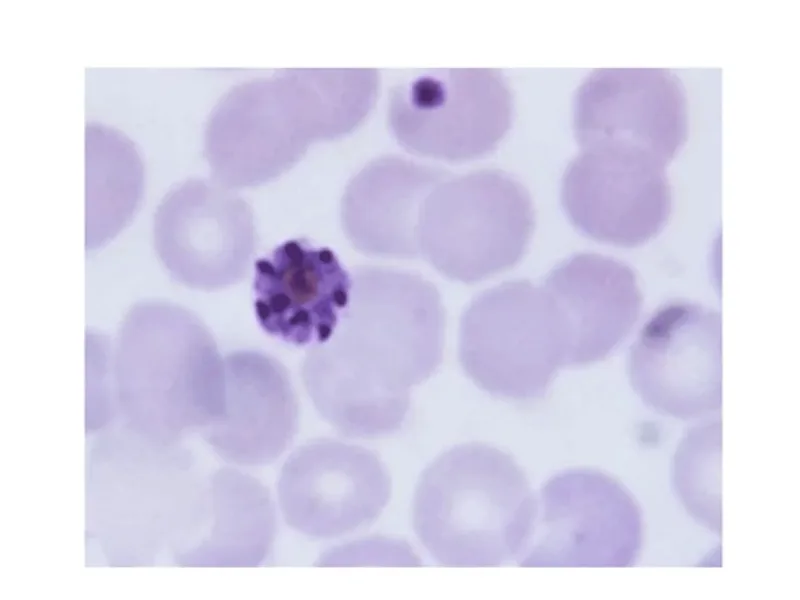
Understand the peripheral blood smear test for malaria diagnosis, its procedure, and what results mean for patients.
April 20, 2026
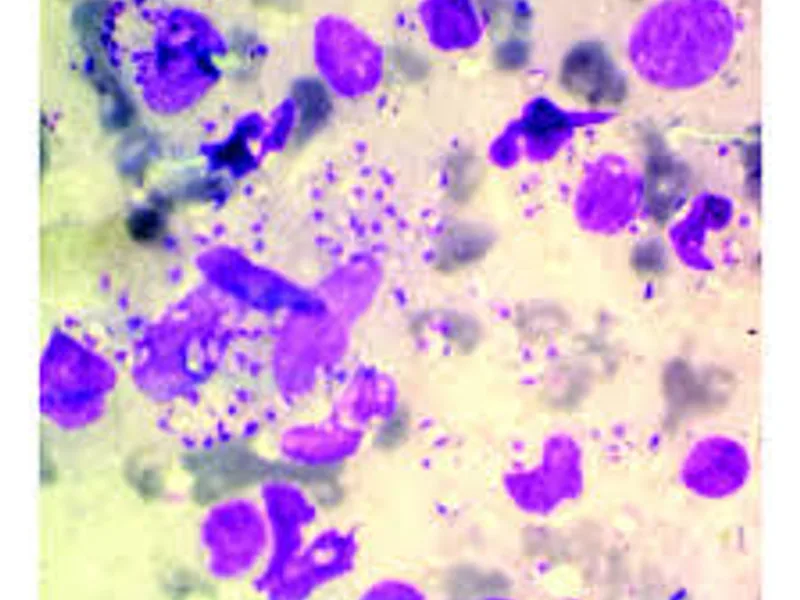
Discover how specialized staining techniques, like Giemsa, are crucial for accurately diagnosing Leishmaniasis, identifying the parasite, and guiding timely treatment. Understand this key diagnostic approach.
April 20, 2026
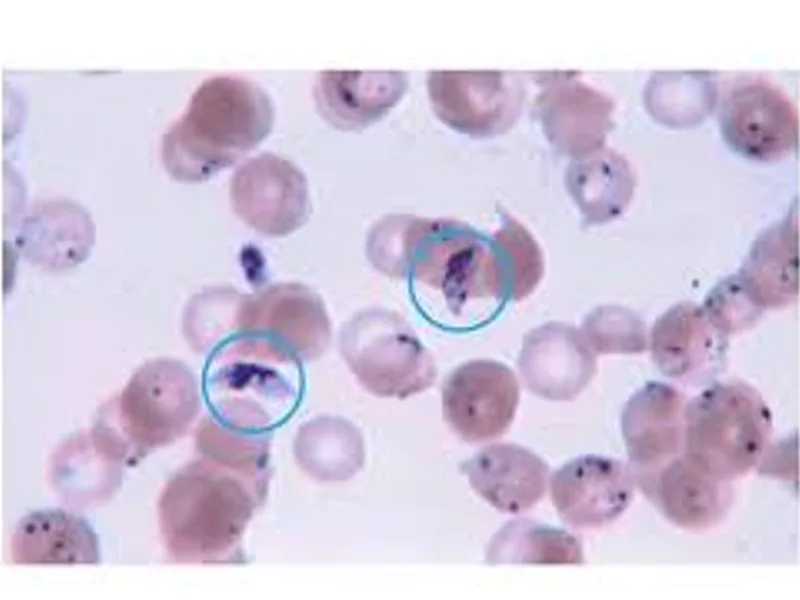
Understand the peripheral blood smear test for malaria diagnosis, its procedure, and why it's a vital tool in combating this disease.
April 20, 2026