

Free Helpline
We are here to assist you.
Health Advisor
+91-8877772277Available 7 days a week
10:00 AM – 6:00 PM to support you with urgent concerns and guide you toward the right care.

We are here to assist you.
Health Advisor
+91-8877772277Available 7 days a week
10:00 AM – 6:00 PM to support you with urgent concerns and guide you toward the right care.
Learn about air embolism, a serious condition where air bubbles block blood vessels. Understand its causes, symptoms, diagnosis, and crucial treatment steps.

Understanding Air Embolism: A Serious Condition An air embolism, also known as a gas embolism, is a serious medical condition that occurs when one or more air bubbles enter a vein or artery and obstruct blood flow. This blockage can have severe consequences, potentially leading to strokes, heart attacks, or respiratory failure. While rare, it is crucial to understand the risks, symptoms, and necessary actions to take if an air embolism is suspected. This article aims to provide comprehensive information about air embolisms for Indian readers, emphasizing clarity, safety, and practical advice. What is an Air Embolism? An air embolism happens when air enters the bloodstream and travels through the circulatory system. If the air bubble enters a vein, it's called a venous air embolism . If it enters an artery, it's termed an arterial air embolism . These bubbles can lodge in vital organs like the brain, heart, or lungs, causing significant damage and potentially life-threatening situations. Causes of Air Embolism Air embolisms can arise from various situations, often involving medical procedures or specific activities. Understanding these causes is key to prevention: Medical Causes: Medical Procedures: While healthcare professionals are trained to prevent air from entering the bloodstream during procedures, errors can occur. Air can be accidentally injected via a syringe or an intravenous (IV) line. Catheters inserted into veins or arteries can also be a route for air entry. Mechanical Ventilation: In cases of lung injury, patients may be placed on a breathing ventilator. If the lung is compromised, the pressure from the ventilator could force air into a damaged vein or artery, leading to an embolism. Non-Medical Causes: Scuba Diving: Rapid ascent from deep water or holding your breath for too long while diving can cause the air sacs in the lungs (alveoli) to rupture. This rupture can allow air to enter the arteries, resulting in an arterial air embolism. Trauma and Blast Injuries: Severe trauma, particularly from explosions (like bomb blasts), can cause injuries to veins or arteries, allowing air to be pushed into the bloodstream. A condition known as "blast lung" is a common fatal injury in combat survivors, where an explosion damages the lung and forces air into nearby blood vessels. Vaginal Air Embolism: In rare instances, blowing air into the vagina during oral sex can lead to an air embolism, especially if there is a tear or injury in the vaginal wall or uterus. This risk is higher during pregnancy due to potential placental tears. Symptoms of Air Embolism The symptoms of an air embolism can vary from mild to severe, depending on the size and location of the air bubble. A minor embolism might cause no noticeable symptoms, while a severe one can be critical: Common Symptoms of Severe Air Embolism: Breathing Difficulties: Shortness of breath or respiratory failure. Neurological Changes: Confusion, disorientation, loss of consciousness, or stroke-like symptoms. Cardiovascular Issues: Chest pain, rapid heart rate, or symptoms of a heart attack. Other Symptoms: Dizziness, blurred vision, and pain in the chest or joints. Diagnosis of Air Embolism Diagnosing an air embolism typically involves a combination of clinical suspicion and diagnostic tests: Medical History and Physical Examination: Doctors will consider your symptoms and any recent events that could have caused an embolism, such as surgery, trauma, or diving. Monitoring Equipment: During surgeries, doctors use specialized equipment to monitor heart sounds, breathing rate, blood pressure, and airway sounds for any abnormalities indicative of an air embolism. Imaging Tests: If an air embolism is suspected, doctors may order imaging tests such as an ultrasound or CT scan . These scans can help confirm the presence of air bubbles, determine their location, and assess any damage to organs. Treatment for Air Embolism Prompt medical intervention is crucial for treating air embolisms. The primary goals of treatment are to prevent further air from entering the bloodstream, remove existing air bubbles, and manage any organ damage. Key Treatment Strategies: Stopping Air Entry: If the source of air entry is identified (e.g., a faulty IV line), it will be immediately corrected. Positioning the Patient: The patient may be placed in a specific position, often sitting up, to help prevent the air bubble from traveling to the brain, heart, or lungs. Oxygen Therapy: High concentrations of oxygen are administered to help reduce the size of the air bubbles and improve oxygen supply to tissues. Hyperbaric Oxygen Therapy (HBOT): In severe cases, HBOT may be used. This involves placing the patient in a special chamber where they breathe pure oxygen under increased pressure. This helps to shrink the air bubbles and restore blood flow. Medications: Medications like adrenaline may be given to support heart function and maintain blood pressure. Surgical Intervention: In rare situations, surgery might be necessary to remove the air bubble directly from a blood vessel. Prevention of Air Embolism While some causes are unavoidable, certain preventive measures can reduce the risk: Medical Settings: Adhere strictly to protocols for IV lines, syringes, and catheter insertions. Ensure all air is purged from medical equipment before use. Scuba Diving: Follow safe diving practices, including proper ascent rates and avoiding breath-holding. Ensure proper training and equipment maintenance. Awareness: Be aware of the risks associated with activities that could potentially lead to air entering the bloodstream. When to Consult a Doctor An air embolism is a medical emergency. If you experience any of the severe symptoms mentioned above, especially after a medical
In summary, timely diagnosis, evidence-based treatment, and prevention-focused care improve long-term health outcomes.
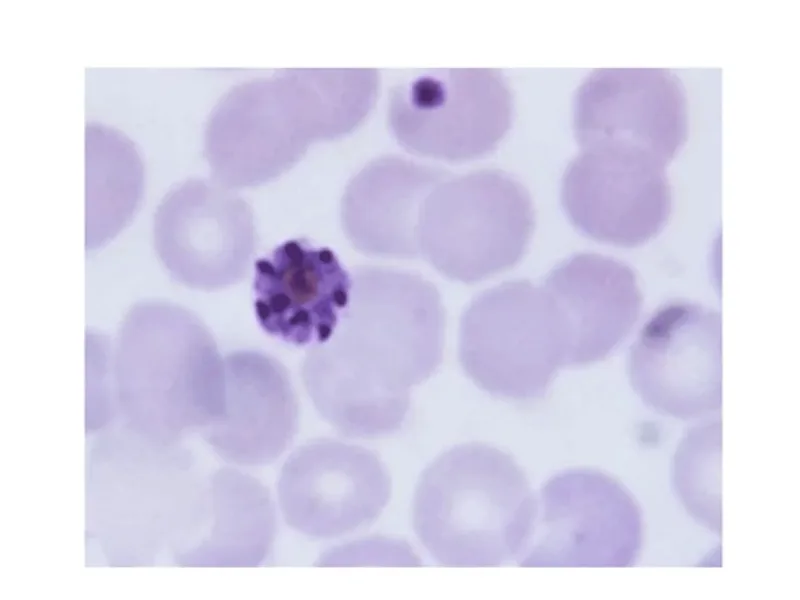
Understand the peripheral blood smear test for malaria diagnosis, its procedure, and what results mean for patients.
April 20, 2026
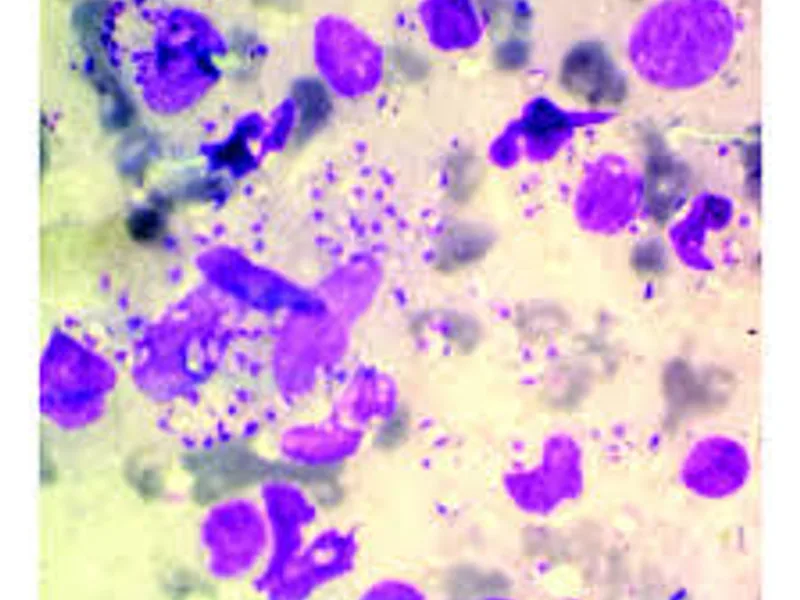
Discover how specialized staining techniques, like Giemsa, are crucial for accurately diagnosing Leishmaniasis, identifying the parasite, and guiding timely treatment. Understand this key diagnostic approach.
April 20, 2026
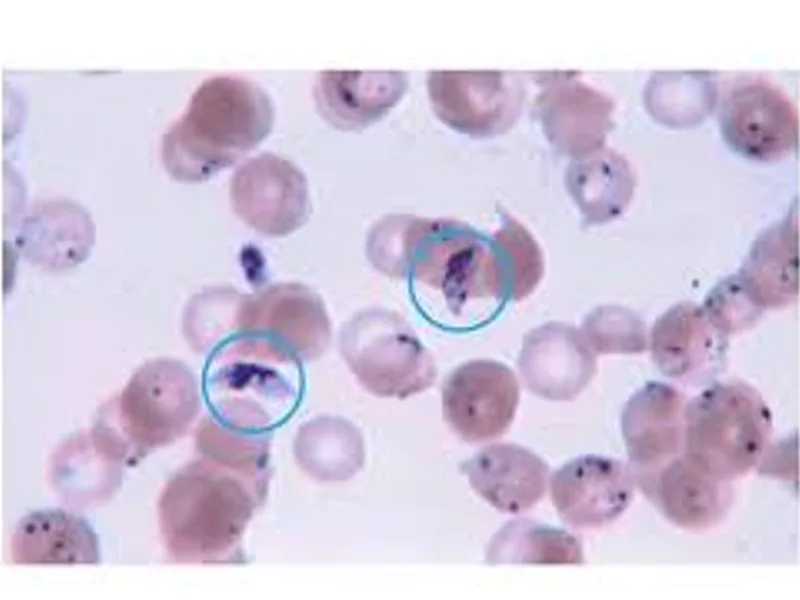
Understand the peripheral blood smear test for malaria diagnosis, its procedure, and why it's a vital tool in combating this disease.
April 20, 2026