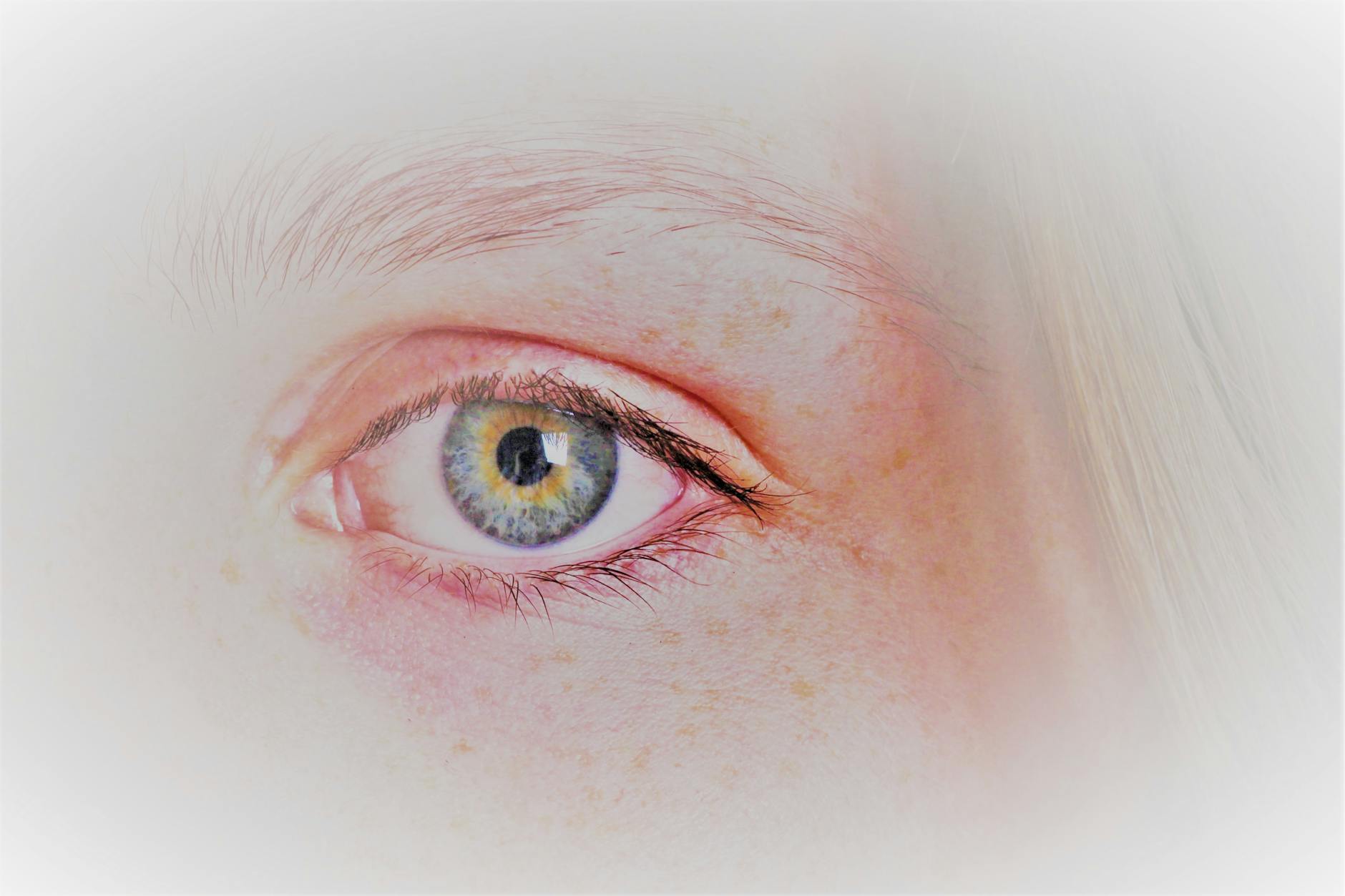
Conjunctivitis, commonly known as pink eye, is a frequent and often bothersome condition affecting the eyes. Among its various forms, adenoviral conjunctivitis stands out as the most prevalent, accounting for a significant majority of infectious conjunctivitis cases. This type of pink eye is caused by adenoviruses, a group of viruses notorious for causing common cold and flu-like symptoms. Understanding adenoviral conjunctivitis is crucial for effective management and prevention, especially given its highly contagious nature. This blog post aims to provide a comprehensive overview of adenoviral conjunctivitis, tailored for an Indian audience. We will delve into its causes, symptoms, how it is diagnosed, available treatment options, and most importantly, how to prevent its spread. We will also discuss when it is essential to seek professional medical advice. What is Adenoviral Conjunctivitis? Adenoviral conjunctivitis is an inflammation or irritation of the conjunctiva, the thin, transparent membrane that covers the white part of the eye (sclera) and the inner surface of the eyelids. This inflammation is triggered by an adenovirus infection. While it can occur year-round, it is a common cause of eye infections, particularly in settings where people are in close contact, such as schools and workplaces. It's important to note that adenoviral conjunctivitis is often a symptom of a broader adenovirus infection, which can affect other parts of the respiratory system, leading to symptoms like sore throat, cough, and fever. The virus is highly contagious and can spread easily from person to person. Symptoms of Adenoviral Conjunctivitis The symptoms of adenoviral conjunctivitis can vary in intensity but typically include: Redness: The white of the eye appears noticeably red or pink. Watery Eyes: Excessive tearing is common. Itching and Irritation: A gritty or sandy sensation in the eye. Discharge: A watery or slightly mucousy discharge, usually not thick or pus-like as seen in bacterial conjunctivitis. Swelling: The eyelids may become swollen. Sensitivity to Light (Photophobia): Discomfort when exposed to bright light. Blurred Vision: This can occur, especially if the cornea is involved. Swollen Lymph Nodes: Lymph nodes in front of the ears may become enlarged and tender. Often, adenoviral conjunctivitis begins in one eye and may spread to the other eye within a few days. The symptoms in the second eye might be less severe. Causes of Adenoviral Conjunctivitis The primary cause of adenoviral conjunctivitis is infection with adenoviruses. There are over 50 known strains of this virus, and they are highly contagious. The virus spreads through: Direct Contact: Touching an infected person's eyes, eyelids, or hands. Contaminated Surfaces: Touching surfaces (like doorknobs, phones, or towels) that have the virus on them and then touching your eyes. Respiratory Droplets: Inhaling droplets from an infected person's cough or sneeze. Adenoviruses can survive on surfaces for a considerable time and are not always easily killed by common disinfectants, making transmission a significant concern. Diagnosis of Adenoviral Conjunctivitis Diagnosing adenoviral conjunctivitis typically involves a physical examination of the eye by a doctor. The doctor will look for characteristic signs such as redness, discharge, and swelling. They may also ask about your symptoms and recent exposure to others who are sick. While a definitive diagnosis often relies on clinical presentation, in some cases, a doctor might collect a sample of eye discharge or a swab from the conjunctiva to send to a laboratory for viral testing. This can help identify the specific type of virus causing the infection, although this is not always necessary for treatment, as viral conjunctivitis often resolves on its own. The doctor will also consider other potential causes of conjunctivitis, such as bacterial infections or allergies, to rule them out. Factors like the time of year and the nature of the discharge can help differentiate between viral and bacterial causes. Treatment for Adenoviral Conjunctivitis Since adenoviral conjunctivitis is caused by a virus, antibiotics are ineffective. The infection typically resolves on its own within 7 to 14 days, though it can sometimes take up to three weeks for complete recovery. Treatment focuses on managing symptoms and preventing the spread of the infection: Artificial Tears: Over-the-counter lubricating eye drops can help soothe irritation and dryness. Cold Compresses: Applying a clean, cool, damp cloth to the closed eyelids can help reduce swelling and discomfort. Hygiene: Maintaining strict hygiene is paramount. This includes frequent handwashing with soap and water for at least 20 seconds, especially before eating or touching your face. Avoid Touching Eyes: Refrain from rubbing or touching your eyes to prevent spreading the virus to the other eye or to others. Discard Contaminated Items: Dispose of tissues immediately after use. Avoid sharing personal items like towels, washcloths, pillowcases, and eye makeup. Contact Lens Wear: If you wear contact lenses, your doctor will likely advise you to stop wearing them until the infection has completely cleared to prevent further irritation and potential complications. In severe cases, or if the cornea is involved (known as epidemic keratoconjunctivitis or EKC), a doctor might prescribe antiviral medications, although these are not routinely used for typical adenoviral conjunctivitis. Prevention of Adenoviral Conjunctivitis Preventing the spread of adenoviral conjunctivitis is key due to its highly contagious nature. The following measures are highly recommended: Frequent Handwashing: Wash your hands thoroughly and often with soap and water for at least 20 seconds. Avoid Touching Your Face: Be mindful of not touching your eyes, nose, or mouth. Avoid Close Contact: Stay away from individuals who are sick with conjunctivitis or other viral infections.
In summary, timely diagnosis, evidence-based treatment, and prevention-focused care improve long-term health outcomes.