

Free Helpline
We are here to assist you.
Health Advisor
+91-8877772277Available 7 days a week
10:00 AM – 6:00 PM to support you with urgent concerns and guide you toward the right care.

We are here to assist you.
Health Advisor
+91-8877772277Available 7 days a week
10:00 AM – 6:00 PM to support you with urgent concerns and guide you toward the right care.
Understand Acute Radiation Syndrome (ARS), its symptoms, subtypes, stages, diagnosis, treatment, and prevention. Learn what to do if exposed to radiation.

Acute Radiation Syndrome (ARS), often referred to as radiation poisoning or radiation sickness, is a serious and potentially life-threatening illness that occurs when a person is exposed to a high dose of ionizing radiation over a very short period. While often sensationalized in movies and television, ARS is a real medical condition with significant health consequences. The severity of ARS depends heavily on the dose of radiation received, the duration of exposure, and the parts of the body affected.
It is crucial to understand that ARS is not contagious. It cannot be passed from person to person. An individual develops ARS only if they receive a substantial dose of radiation that penetrates their internal organs and affects their entire body within a brief timeframe. The radiation itself does not remain in the body indefinitely; it is eliminated over time, with the duration depending on the exposure amount, potentially taking up to two years for complete elimination after very significant exposure. Survivors of ARS are eventually free of radiation.
Different types of radiation exist, each with varying properties and potential health impacts. Understanding these can help in comprehending the nature of ARS. Some common types include:
Experts typically classify ARS into three main subtypes based on the primary part of the body affected:
Regardless of the subtype, ARS progresses through four distinct stages:
The general symptoms of ARS can include nausea, vomiting, weakness, and headaches. These can manifest and persist for days, weeks, or months. Exposure to a very large amount of radiation can be fatal. While the initial symptoms might seem similar across all ARS cases, the specific subtype dictates the precise symptoms and their severity.
The primary concern in bone marrow ARS is the damage to blood-forming cells, leading to a decrease in white blood cells, red blood cells, and platelets. This can result in:
Individuals with GI ARS will typically experience all the symptoms of bone marrow ARS, along with:
This most severe form of ARS presents with a rapid onset of critical symptoms, often including:
Diagnosing ARS involves a comprehensive assessment, including:
Treatment for ARS is primarily supportive and aims to manage symptoms and prevent complications. There is no specific cure for ARS itself, but medical interventions can improve outcomes.
The best approach to ARS is prevention. This involves:
If you suspect you or someone you know has been exposed to a significant dose of radiation, especially if symptoms like nausea, vomiting, diarrhea, or weakness occur shortly after, it is critical to seek immediate medical attention. Contact emergency services or go to the nearest hospital emergency room. Prompt medical evaluation is essential for diagnosis and management.
While ARS itself is not curable, its effects can be managed. The outcome depends heavily on the radiation dose and the subtype of ARS. With supportive care and medical interventions, recovery is possible for less severe forms.
Full recovery is possible for individuals with bone marrow ARS, especially with prompt and appropriate medical care. Recovery from GI ARS is more challenging but achievable. Cardiovascular/CNS ARS is invariably fatal.
The radiation itself does not remain in the body indefinitely. The time it takes for all radiation to leave the body depends on the amount of exposure. For very significant exposures, it can take up to two years for complete elimination. Survivors are eventually free of radiation.
It is extremely unlikely to develop ARS from standard medical X-rays or CT scans. The doses of radiation used in diagnostic imaging are carefully controlled and are far too low to cause ARS.
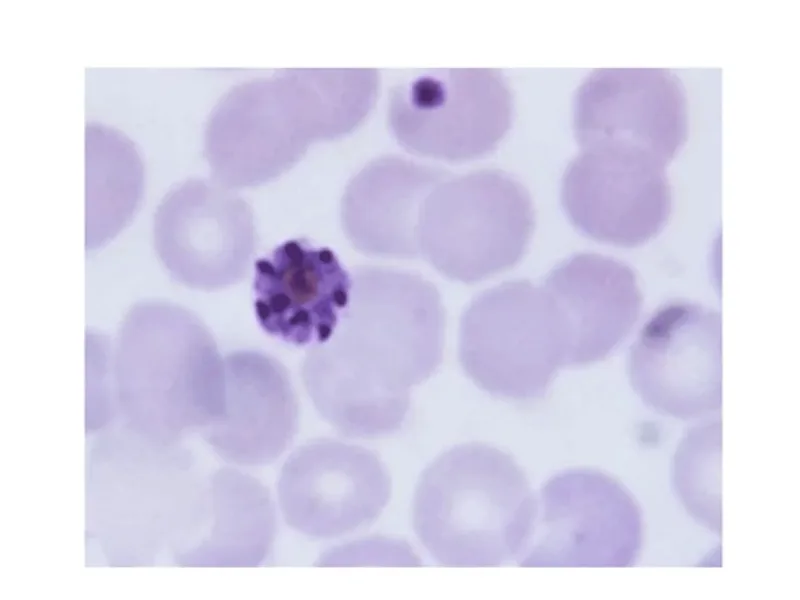
Understand the peripheral blood smear test for malaria diagnosis, its procedure, and what results mean for patients.
April 20, 2026
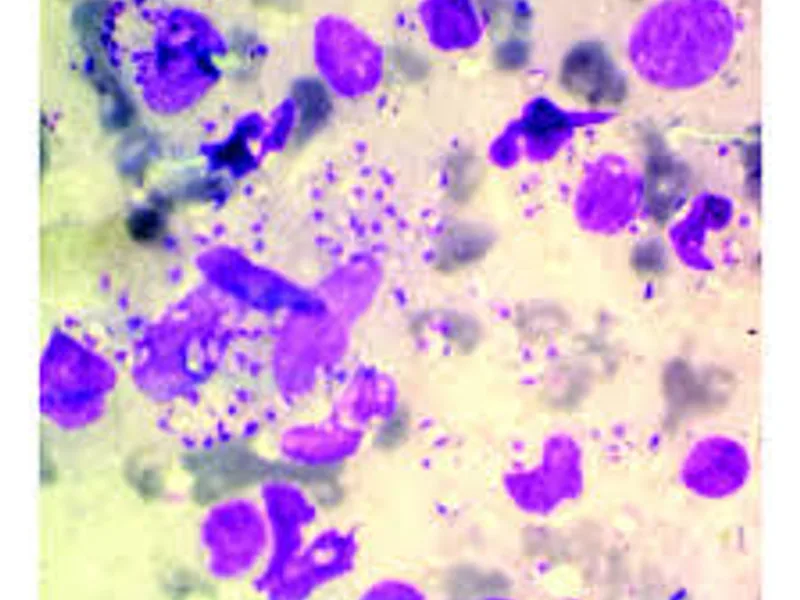
Discover how specialized staining techniques, like Giemsa, are crucial for accurately diagnosing Leishmaniasis, identifying the parasite, and guiding timely treatment. Understand this key diagnostic approach.
April 20, 2026
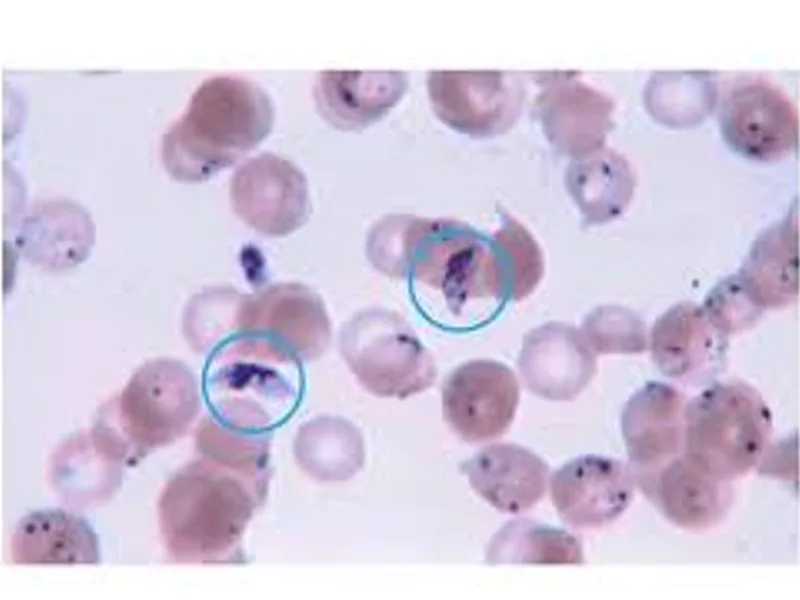
Understand the peripheral blood smear test for malaria diagnosis, its procedure, and why it's a vital tool in combating this disease.
April 20, 2026