What is PCOD? Understanding Polycystic Ovary Syndrome
Meena, 45, a homemaker from Jaipur, noticed infrequent menstrual cycles for over a year, accompanied by sudden weight gain and persistent acne. Her mother had similar issues, dismissing them as hormonal fluctuations.
However, the persistent fatigue and anxiety began to worry Meena. Have you ever wondered why such signs, frequently overlooked, could indicate a significant underlying health condition affecting millions of Indian individuals?
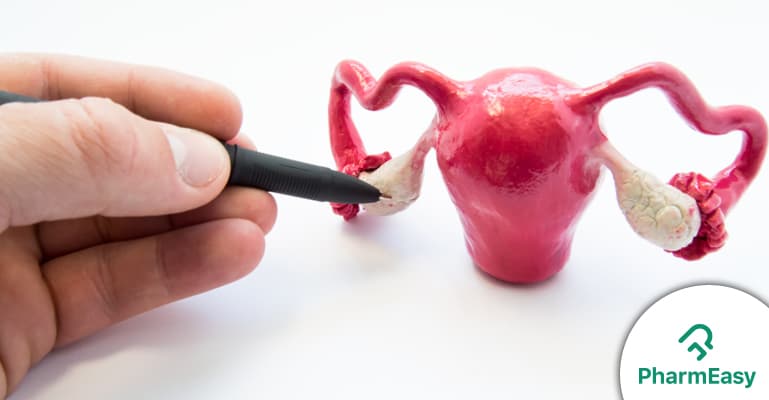
Polycystic Ovary Syndrome (PCOS), often referred to as PCOD in India due to common usage, is a complex endocrine disorder that affects individuals of reproductive age. It is characterised by a combination of hormonal imbalances, irregular ovulation, and polycystic ovaries (ovaries containing numerous small follicles).
The reality is, it’s one of the most prevalent endocrine disorders among individuals, impacting an estimated 10-15% of reproductive-aged people globally, with meaningful prevalence in India.
This issue can manifest differently in each individual, making diagnosis sometimes challenging. Early recognition and care are crucial for preventing long-term health complications. Understanding PCOD is the first step towards reclaiming your health and well-being.
That alone changes everything.
Symptoms of PCOD: Recognizing the Signs
The signs of PCOD can vary widely in intensity and combination. What most people miss: the subtle, seemingly unrelated indicators that, when clustered, point towards this disorder. typical indicators include:
- Irregular Menstrual Cycles: This is perhaps the most frequent sign. Periods might be infrequent (oligomenorrhea), absent (amenorrhea), or unusually heavy and prolonged. Many individuals experience cycles longer than 35 days, or fewer than eight cycles per year.
- Hirsutism: Excessive hair growth on the face, chest, back, or abdomen is a frequent complaint. This happens due to elevated levels of androgens (male hormones).
- Acne: Persistent and often severe acne, especially on the face, chest, and upper back, is another tell-tale sign. This acne can be resistant to typical treatments.
- Weight Gain and Obesity: A notable percentage of individuals with PCOD struggle with body mass regulation. Frequently, the body mass gain is concentrated around the abdomen. Over 50% of individuals with PCOS are overweight or obese.
- Thinning Hair: Similar to hirsutism, but in reverse, some individuals experience female-pattern baldness or thinning hair on the scalp.
- Infertility or Difficulty Conceiving: Irregular ovulation or the absence of ovulation makes it harder to get pregnant. PCOD is a leading cause of infertility in individuals, affecting up to 70% of those with fertility issues.
- Skin Changes: Acanthosis nigricans, dark, velvety patches of skin, often found in body folds like the neck or groin, can indicate insulin resistance, a widespread comorbidity with PCOD.
- Pelvic Pain: Some individuals experience cramping or pain in the lower abdomen, particularly during menstruation.
- Fatigue and Mood Swings: Persistent tiredness, anxiety, and depression are frequently reported by individuals with PCOD.
Does this sound familiar? These signs can significantly impact an individual's quality of life, affecting her self-esteem and daily functioning. Many individuals endure these warning signs for years before seeking medical help, frequently attributing them to stress or natural life stages.
Causes of PCOD: Unraveling the Complexities
The exact cause of PCOD remains unknown, but research points to a combination of genetic and environmental factors. Think about it this way: it’s rarely just one thing. Key contributing factors include:
- Genetics: A family history of PCOD or related conditions like type 2 diabetes increases your risk. If your mother or sister has PCOD, your chances of developing it are higher.
- Insulin Resistance: This is a critical factor for many individuals with PCOD. The body's cells don't respond effectively to insulin, leading to higher insulin levels. The pancreas then produces even more insulin to compensate. Elevated insulin can stimulate the ovaries to produce excess androgens, disrupting ovulation. Over 70% of individuals with PCOD have insulin resistance.
- Hormonal Imbalance: Beyond androgens, imbalances in other hormones like luteinizing hormone (LH) and follicle-stimulating hormone (FSH) play a role. Elevated LH levels can trigger excessive androgen production.
- Inflammation: Low-grade chronic inflammation is frequently observed in individuals with PCOD. This can be linked to lifestyle factors and may contribute to insulin resistance and hormonal disruptions.
- Environmental Factors: Lifestyle choices, including diet and physical activity levels, can influence PCOD development and severity. In India, the shift towards processed foods and a more sedentary lifestyle, especially in urban settings, might exacerbate the disorder.
Worth knowing: While the exact interplay of these factors is still being studied, their combined effect creates the hormonal chaos characteristic of PCOD.
Diagnosis of PCOD: A Medical Evaluation
Diagnosing PCOD typically involves a combination of medical history, physical examination, and diagnostic tests. Doctors usually follow the Rotterdam criteria, requiring at least two out of the following three conditions:
That's the part worth remembering.
- Irregular ovulation or absence of ovulation
- Clinical or biochemical signs of hyperandrogenism (excess male hormones)
- Polycystic ovaries on ultrasound
Diagnostic steps frequently include:
- Medical History and Physical Exam: Your doctor will ask about your menstrual cycle, signs, and family history. They will also check for signs of excess hair growth, acne, and body mass.
- Blood Tests: These are performed to measure hormone levels (androgens, LH, FSH, prolactin, thyroid hormones) and check for other conditions like diabetes or high cholesterol.
- Pelvic Ultrasound: This imaging technique visualizes the ovaries to check for the presence of multiple small follicles (cysts) and assess the thickness of the uterine lining.
It's essential to rule out other conditions that can mimic PCOD signs, such as thyroid disorders or Cushing’s syndrome. Early and accurate diagnosis is key to effective care.
Treatment and Management of PCOD
There is no cure for PCOD, but its warning signs can be effectively managed through a combination of lifestyle changes and medical treatments. The approach is highly personalised, focusing on the individual's specific concerns and health goals.
Lifestyle Modifications: The Foundation of Care
For many individuals, especially in India where traditional diets are shifting, lifestyle changes form the cornerstone of PCOD care. These modifications can significantly improve manifestations and reduce the chance of long-term complications.
- Dietary Changes: A balanced diet rich in whole grains, lean proteins, fruits, and vegetables is crucial. Limiting processed foods, sugary drinks, and excessive carbohydrates helps manage insulin resistance and body mass. Some find adopting a low-glycemic index diet beneficial. Think of incorporating more fibre-rich local produce, perhaps something you’d enjoy during a festive meal, but in moderation.
- Regular Exercise: Aim for at least 150 minutes of moderate-intensity aerobic activity or 75 minutes of vigorous-intensity activity per week, plus muscle-strengthening activities twice a week. Exercise improves insulin sensitivity, aids body mass regulation, and boosts mood.
- Weight Management: Losing even a modest amount of body mass (5-10% of body weight) can significantly strengthen menstrual regularity, ovulation, and hormone levels. This can be challenging, especially if you’re used to sitting on the floor for extended periods, which can strain the back and knees, but finding suitable exercises is vital.
- Stress Management: Techniques like yoga, meditation, or mindfulness can aid manage stress, which can exacerbate PCOD signs.
The Lancet has highlighted the critical role of lifestyle interventions in managing PCOD, emphasizing their effectiveness in improving metabolic and reproductive outcomes.
Medical Treatments
Depending on the severity of indicators and individual needs, medical treatments may be prescribed:
- Medications for Irregular Periods: Birth control pills are frequently prescribed to regulate menstrual cycles and reduce androgen levels. Progestin therapy can also assist induce periods.
- Medications for Insulin Resistance: Metformin, a drug commonly used for type 2 diabetes, is frequently prescribed to optimise insulin sensitivity and promote ovulation.
- Fertility Treatments: For individuals trying to conceive, ovulation-inducing medications like Clomiphene citrate or Letrozole may be recommended. Assisted reproductive technologies (ART) like IVF might be considered in some cases.
- Anti-androgen Medications: These can support manage hirsutism and acne by blocking the effects of male hormones.
It is important to remember that these treatments are usually prescribed in conjunction with lifestyle modifications. The International Diabetes Federation (IDF) also stresses the importance of integrated care approaches for PCOD due to its strong link with metabolic syndrome.
Living with PCOD in India: Cultural Context and Support
Navigating PCOD in India involves unique cultural considerations. Societal pressures regarding marriage and childbearing can add marked emotional stress for individuals diagnosed with infertility due to PCOD.
That alone changes everything.
The monsoon season, while a welcome relief from the heat, can sometimes disrupt outdoor exercise routines, necessitating indoor alternatives. Festive diets, often rich and celebratory, require careful planning to avoid derailing dietary goals.
Access to healthcare, while improving, can still be a challenge in rural areas. Fortunately, increasing awareness and the availability of specialised clinics, including those at institutions like AIIMS, provide better diagnostic and care facilities.
Online support groups and telemedicine services are also becoming valuable resources for individuals seeking information and community. Understanding PCOD is not just about medical facts; it's about holistic well-being.
Key Takeaways
- PCOD is a usual endocrine disorder affecting millions of Indian individuals, characterised by hormonal imbalances and irregular ovulation.
- signs include irregular periods, hirsutism, acne, body mass gain, and infertility, frequently linked to insulin resistance and genetics.
- Diagnosis involves medical history, physical exams, blood tests, and pelvic ultrasounds, following criteria like the Rotterdam criteria.
- Care focuses on lifestyle changes—diet, exercise, body mass control, and stress reduction—frequently complemented by medications.
- PCOD requires ongoing care; consulting a healthcare professional is essential for personalised care plans.
Always consult a qualified physician before making any medical decisions.