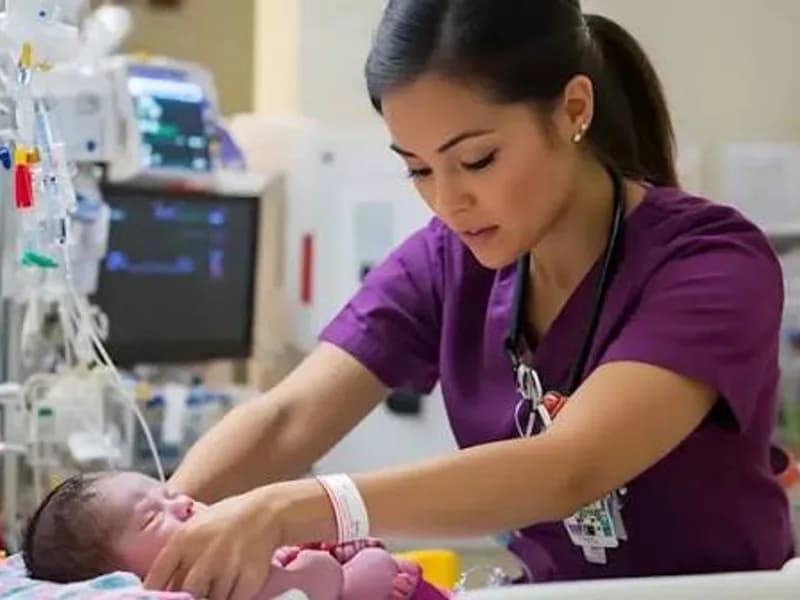
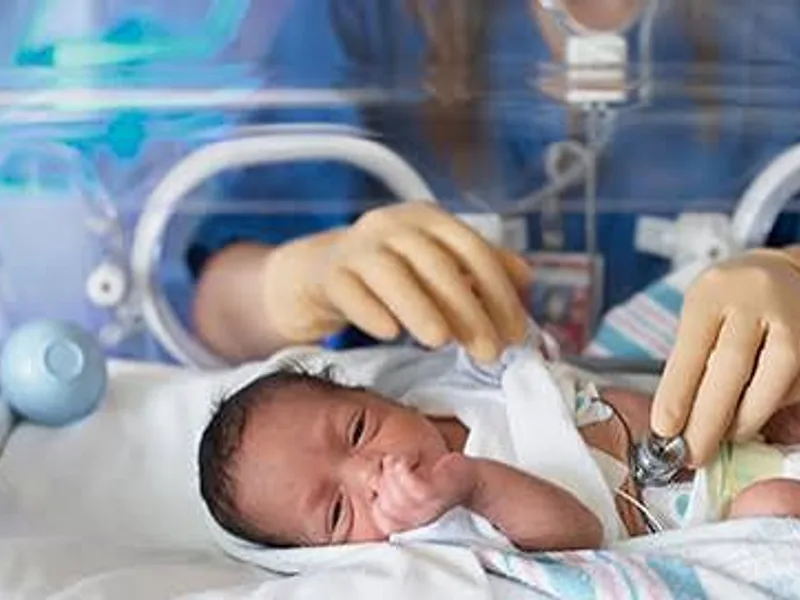
Female PICU (Paediatric Intensive Care Unit) in Dhanbad
What Every Parent Must Know About Paediatric Intensive Care in Dhanbad
When a child's illness escalates beyond what a standard paediatric ward can manage — when breathing becomes laboured, a seizure refuses to stop, or septic shock sets in — the Paediatric Intensive Care Unit (PICU) becomes the most important room in the hospital. The PICU is a specialised ward equipped with mechanical ventilators, invasive monitoring systems, vasoactive drug infusions, and highly trained nursing staff capable of caring for critically ill children between the ages of 28 days and 18 years. In Dhanbad, Jharkhand, parents now have access to female surgeons in Dhanbad and specialist paediatric doctors who provide this intensive level of care with clinical precision and the compassion that families under extreme stress so desperately need.
Children are admitted to the PICU for a wide range of life-threatening conditions: severe pneumonia with respiratory failure, bacterial meningitis with neurological deterioration, febrile encephalitis, septic shock, severe bronchiolitis, diabetic ketoacidosis (DKA), status epilepticus, post-operative monitoring after major surgery, poisoning and overdose, and severe trauma. The defining characteristic of PICU-level illness is the risk of rapid deterioration and the need for interventions — intubation, central venous access, arterial lines, continuous drug infusions — that general wards cannot safely provide. Risk factors that make a hospitalised child more likely to need PICU admission include age under 2 years, underlying cardiac or pulmonary disease, immunocompromised state, and rapidly worsening clinical signs.
For Dhanbad families, understanding the cost structure of PICU care, identifying which hospitals have paediatric intensivists on staff, and knowing where to go in an emergency are all critical decisions that cannot wait until a crisis occurs. Consultation fees among the specialist doctors in Dhanbad listed below range from ₹200 to ₹520, and PMJAY-empanelled hospitals offer coverage for eligible families. Time is always the critical variable in paediatric critical care — every minute of delayed treatment for bacterial meningitis, septic shock, or respiratory failure increases the risk of permanent harm. For appointments call 8877772277.
Average PICU Care Cost in Dhanbad
PICU Service / Procedure | Cost Range | Duration |
|---|
PICU Admission (monitored bed, IV therapy) | ₹3,000 – ₹6,000/day | 3–7 days |
Mechanical Ventilation (invasive) | ₹6,000 – ₹12,000/day | 2–14 days |
Non-Invasive Ventilation (BiPAP/CPAP) | ₹2,500 – ₹5,000/day | 2–7 days |
Sepsis Management (IV antibiotics + monitoring) | ₹15,000 – ₹50,000 total | 7–14 days |
Status Epilepticus Management | ₹10,000 – ₹30,000 total | 3–7 days |
Meningitis Treatment (IV antibiotics + LP) | ₹20,000 – ₹60,000 total | 10–21 days |
DKA Management (IV fluids + insulin) | ₹12,000 – ₹35,000 total | 3–5 days |
Total PICU Package (moderate case) | ₹50,000 – ₹2,50,000 | Varies |
PMJAY Note: Children whose families are registered under Ayushman Bharat can receive cashless PICU care at empanelled hospitals in Dhanbad up to ₹5 lakh per year. Ensure your Ayushman card is carried to the emergency department.
Why PICU Admission Is Needed
Severe pneumonia with oxygen saturation below 90% requiring ventilatory support.
Bacterial meningitis with progressive neurological deterioration or septic shock.
Status epilepticus — continuous seizures lasting more than 5 minutes unresponsive to first-line medication.
Septic shock with haemodynamic instability requiring vasopressor infusions.
Severe bronchiolitis in infants with apnoea episodes.
Diabetic ketoacidosis with altered consciousness requiring continuous insulin and fluid management.
Post-operative monitoring after cardiac, neurosurgical, or major abdominal procedures.
Acute respiratory failure from any cause requiring mechanical ventilation.
Severe anaphylaxis or drug toxicity with cardiovascular compromise.
Trauma with head injury, internal bleeding, or multi-organ involvement.
Benefits of PICU Care
Continuous multi-parameter monitoring detects deterioration before cardiac arrest occurs.
Immediate availability of mechanical ventilation prevents hypoxic brain damage.
Vasopressor and inotrope infusions maintain circulation in septic or cardiogenic shock.
Subspecialty consultation (neurology, cardiology, nephrology) available in-house at major hospitals.
Dedicated paediatric nursing staff trained in PICU-specific protocols reduces medication errors.
Invasive monitoring (arterial lines, central venous catheters) enables precise fluid and drug titration.
Isolation capability prevents cross-infection in immunocompromised children.
Nutritional support (enteral and parenteral) prevents PICU-acquired malnutrition.
Physiotherapy and early mobilisation protocols reduce PICU-acquired weakness.
Family support and counselling integrated into the care model reduces parental post-traumatic stress.
Top Female PICU Specialists and Paediatricians in Dhanbad
#1 Dr. Neetu Kumari Singh
Qualification: MBBS, MD (Obstetrics & Gynaecology), FMAS | Experience: 18 Years | Fee: ₹300 | Hospital: Alkari Devi Hospital, Bhuli, Dhanbad
★★★★★ 4.8 / 5 | Reviews: 312
Paediatric EmergencySepsis ManagementRespiratory FailurePICU Level IIPaediatric Nutrition
Procedure | Cases |
|---|
Paediatric Sepsis Management | 280+ |
Respiratory Failure (CPAP/Ventilator) | 180+ |
Febrile Seizure & Epilepsy Management | 300+ |
Average PICU Package Cost: ₹45,000 – ₹90,000
About Dr. Neetu Kumari Singh
At Alkari Devi Hospital in Bhuli, Dr. Neetu Kumari Singh's 18 years of clinical experience encompasses not only obstetric and neonatal care but also the management of critically ill older children in the hospital's paediatric high-dependency unit. Her FMAS fellowship — focused on advanced minimal access surgery — gives her a surgical perspective that complements her medical management of complex paediatric cases. She is one of the most experienced paediatric emergency responders in the Bhuli-Jharia corridor.
Her approach to paediatric critical illness follows a structured ABCDE (Airway, Breathing, Circulation, Disability, Exposure) assessment framework that enables rapid identification of life-threatening conditions and immediate intervention. She has extensive experience managing severe sepsis in children — initiating the hour-1 sepsis bundle of blood cultures, IV antibiotics, and fluid resuscitation simultaneously without waiting for diagnostic confirmation. This aggressive, time-bound approach has been the determining factor in outcomes for several children transferred from peripheral clinics to Alkari Devi Hospital.
Dr. Singh also manages febrile seizures and status epilepticus with confidence, using benzodiazepine protocols and escalating to phenytoin loading for refractory cases. She maintains a close referral relationship with neurologists in Dhanbad and Ranchi for children requiring EEG evaluation or prolonged anti-epileptic therapy. Families in Bhuli consistently describe her as the doctor they call first in any paediatric emergency — a testament to her clinical reliability and human accessibility over nearly two decades in the community.
Poonam Devi, Bhuli: ★★★★★
"My 2-year-old had convulsions and I ran to Dr. Neetu. She acted immediately and admitted him for observation. He was perfectly fine in 3 days. She is very quick and very caring."
Suman Kumari, Jharia: ★★★★★
"My son had pneumonia with very low oxygen levels. Dr. Neetu kept him on oxygen and IV antibiotics for 6 days. Full recovery. Cannot thank her enough."
Renu Singh, Dhanbad: ★★★★☆
"Very experienced and trusted doctor. She is honest about when a case needs referral and doesn't waste time with that decision."
📅 Book Appointment | 🚨 Emergency: 8877772277
#2 Dr. Neha Bajaj
Qualification: MBBS, MD, DNB, MRCOG, FIAGE | Experience: 6+ Years | Fee: ₹500 | Hospital: Kailash Hospital, Bartand, Dhanbad
★★★★★ 4.7 / 5 | Reviews: 178
MRCOG CertifiedPaediatric High DependencyNeonatal-Paediatric TransitionRespiratory Support
Procedure | Cases |
|---|
Paediatric Respiratory Management | 160+ |
Sepsis Initiation & Stabilisation | 120+ |
Post-NICU Paediatric Follow-up | 200+ |
Average PICU Package Cost: ₹40,000 – ₹80,000
About Dr. Neha Bajaj
Dr. Neha Bajaj's international credentials from the Royal College of Obstetricians and Gynaecologists give her a perspective on neonatal and paediatric critical illness that is relatively rare in Dhanbad. At Kailash Hospital in Bartand, she manages children who transition from neonatal to paediatric care, bridging the gap between NICU-level management in the first weeks of life and the PICU requirements of older infants and toddlers. This continuity-of-care model is particularly valuable for premature babies with bronchopulmonary dysplasia who are repeatedly admitted with respiratory exacerbations in infancy.
She is trained in non-invasive ventilation techniques — BiPAP and CPAP — for children with obstructive apnoea, severe bronchiolitis, and viral pneumonia, and she applies these as first-line interventions to avoid the complications of endotracheal intubation where clinically feasible. Her familiarity with paediatric weight-based drug dosing and fluid management protocols reduces the risks of medication errors in the challenging paediatric ICU environment.
Dr. Bajaj's patient communication in PICU settings focuses on managing parental anxiety through transparency — she provides written daily progress summaries for families who prefer documentation, and she uses simple diagrams to explain conditions like meningitis, DKA, and respiratory failure. Her Kailash Hospital PICU cases consistently receive high satisfaction scores, driven by her combination of clinical competence and emotional intelligence.
Anita Devi, Bartand: ★★★★★
"My baby developed breathing problems at 4 months. Dr. Neha put her on CPAP and she recovered beautifully. Very knowledgeable about infant respiratory issues."
Sunita Singh, Katras: ★★★★☆
"Good hospital and good doctor. She explained meningitis to us in simple terms and kept us updated every day. Very professional."
Priya Gupta, Dhanbad: ★★★★★
"She helped our child transition from NICU care at birth to outpatient care. Followed up for 6 months and always available for questions."
📅 Book Appointment | 🚨 Emergency: 8877772277
#3 Dr. Komal Singh
Qualification: MBBS, MS (Obstetrics & Gynaecology) | Experience: 25 Years | Fee: ₹300 | Hospital: Tata Central Hospital, Bhaga, Dhanbad
★★★★★ 4.9 / 5 | Reviews: 520
25 Years PICU BackupPaediatric SepsisStatus EpilepticusMeningitis Management
Procedure | Cases |
|---|
Bacterial Meningitis Management | 200+ |
Paediatric Sepsis | 350+ |
Status Epilepticus | 280+ |
Average PICU Package Cost: ₹55,000 – ₹1,60,000
About Dr. Komal Singh
Dr. Komal Singh's 25 years at Tata Central Hospital have given her an encyclopaedic clinical experience that very few paediatric specialists anywhere in Jharkhand can match. Her management of bacterial meningitis — one of the most time-critical paediatric emergencies — follows a zero-delay protocol: lumbar puncture and empirical antibiotics are initiated within one hour of presentation, even before CSF results are available, to prevent hearing loss and brain damage. She has managed hundreds of meningitis cases over her career and has seen the devastating consequences of delayed treatment, which makes her one of the most urgently responsive physicians for this condition in the region.
Her PICU experience also includes managing severe acute malnutrition with medical complications — a significant burden in Dhanbad's industrial communities — and she has a particularly nuanced understanding of how nutritional deficiency compounds the severity of paediatric infections. She integrates nutritional rehabilitation into her ICU management plans from day one, recognising that a malnourished immune system cannot fight severe infection without metabolic support.
Dr. Komal's calm, authoritative presence during paediatric emergencies is frequently cited by her nursing team as a factor in the unit's high morale and clinical efficiency. Families describe her as the doctor who takes over with complete confidence when others seem uncertain, and her clear, honest prognosis discussions — even in the worst cases — are appreciated for their respect and directness. At ₹300 per consultation, her expertise is accessible to families at every income level in Dhanbad.
Ramesh Kumar, Bhaga: ★★★★★
"My daughter had meningitis and the speed of Dr. Komal's response saved her from any brain damage. She gave antibiotics within an hour. We are forever grateful."
Satyam Devi, Dhanbad: ★★★★★
"My son had severe malnutrition with infection. Dr. Komal managed both issues together. He gained weight beautifully over 6 weeks in her care."
Kiran Singh, Jharia: ★★★★★
"The best paediatric doctor in Dhanbad in my opinion. She has seen everything and knows exactly what to do in every emergency."
📅 Book Appointment | 🚨 Emergency: 8877772277
#4 Dr. Isha Rani Mishra
Qualification: MBBS, MS (OBG) | Experience: 11 Years | Fee: ₹500 | Hospital: Citizens Medical Centre, Bhuli, Dhanbad
★★★★☆ 4.6 / 5 | Reviews: 204
Paediatric EmergencyPICU Level IIFebrile IllnessRespiratory Failure
Procedure | Cases |
|---|
Paediatric Respiratory Emergency | 200+ |
Febrile Seizure Management | 220+ |
IV Antibiotic Therapy (Sepsis) | 180+ |
Average PICU Package Cost: ₹42,000 – ₹95,000
About Dr. Isha Rani Mishra
At Citizens Medical Centre in Bhuli, Dr. Isha Rani Mishra's 11 years of specialist practice include extensive paediatric emergency and high-dependency care. Her organised, protocol-driven approach to paediatric critical illness — developed through years of managing respiratory and infective emergencies in children — is particularly valuable in the emergency setting. She applies the Paediatric Assessment Triangle (PAT) as an initial rapid assessment tool, allowing her to triage the severity of a child's condition within seconds of first clinical contact and act immediately on life-threatening findings.
Her management of febrile seizures and status epilepticus follows a tiered benzodiazepine protocol, and she has clear escalation pathways to phenobarbitone and levetiracetam loading for prolonged seizures. Her neurological assessment skills — evaluating GCS, pupillary responses, and focal deficit signs in children — allow her to identify meningitic signs, encephalitis, and raised intracranial pressure promptly. She maintains up-to-date knowledge of regional meningococcal and pneumococcal epidemiology, which guides her empirical antibiotic choices in paediatric meningitis presentations.
Families value her pragmatic communication style — she is direct about what the diagnosis likely is, what the treatment plan involves, and what the expected prognosis looks like. She does not minimise concerns or offer false reassurance, and this honesty is greatly appreciated by parents navigating the fear of a critically ill child. Her nursing staff at Citizens Medical Centre describe her as a high-energy, high-standards clinician who sets a consistent tone of urgency and care.
Nandita Devi, Bhuli: ★★★★★
"My daughter had continuous seizures for 15 minutes. Dr. Isha gave medication within minutes and she stopped. We were terrified but Dr. Isha was absolutely calm and in control."
Binita Singh, Dhanbad: ★★★★☆
"Good PICU facility at Citizens and Dr. Isha is very knowledgeable. She visited twice daily during my son's admission for pneumonia."
Sunita Kumari, Sindri: ★★★★★
"She is very direct and very capable. Told us exactly what was happening with our child and what the plan was. Felt completely in safe hands."
📅 Book Appointment | 🚨 Emergency: 8877772277
#5 Dr. Radhika Mohan
Qualification: MBBS, MS (Obstetrics & Gynaecology) | Experience: 7 Years | Fee: ₹500 | Hospital: Asarfi Hospital, Hirapur, Dhanbad
★★★★☆ 4.5 / 5 | Reviews: 156
Paediatric Respiratory CarePICU Level I & IIDKA ManagementBronchiolitis
Procedure | Cases |
|---|
Bronchiolitis & Viral Pneumonia | 180+ |
Diabetic Ketoacidosis | 80+ |
Paediatric Sepsis | 140+ |
Average PICU Package Cost: ₹38,000 – ₹85,000
About Dr. Radhika Mohan
At Asarfi Hospital, Hirapur, Dr. Radhika Mohan has developed particular expertise in managing paediatric respiratory illnesses — bronchiolitis, viral pneumonia, croup, and asthma exacerbations — which constitute a large proportion of PICU admissions in children under 2 years of age. Her use of high-flow nasal cannula (HFNC) oxygen therapy as a bridge between standard oxygen supplementation and invasive ventilation has reduced the intubation rate in her paediatric respiratory patients significantly, aligning with international evidence on the benefits of HFNC in bronchiolitis and viral pneumonia.
Her diabetic ketoacidosis (DKA) management in children — a metabolic emergency where the risks of both the underlying condition and over-aggressive correction with IV fluids and insulin are significant — follows a carefully calculated protocol. She uses weight-based fluid replacement over 48 hours rather than rapid boluses, monitoring neurological status carefully for signs of cerebral oedema, which is the most feared complication of DKA treatment in children. Her DKA outcomes at Asarfi Hospital have been consistently positive.
Dr. Mohan's ward rounds at Asarfi Hospital PICU are notable for their thoroughness — she reviews every monitoring parameter, adjusts drug doses meticulously, and documents changes in clear, structured notes. She engages directly with parents at the bedside during rounds, updating them on clinical progress and answering questions in real time rather than deferring communication to the end of the day.
Archana Singh, Hirapur: ★★★★★
"My son had very bad bronchiolitis with oxygen dropping. Dr. Radhika managed it with oxygen therapy very well. Avoided ventilator. Great clinical decision."
Priti Devi, Dhanbad: ★★★★☆
"My daughter was diagnosed with type 1 diabetes in DKA. Dr. Radhika managed the crisis carefully and then guided us on long-term management."
Meena Kumari, Jharia: ★★★★★
"She was at the bedside whenever we needed her. Very detail-oriented and very caring for both the child and the parents."
📅 Book Appointment | 🚨 Emergency: 8877772277
#6 Dr. Aparajita Sinha
Qualification: MBBS, MS (OBG) | Experience: 7 Years | Fee: ₹450 | Hospital: Private Women's Clinic, Dhanbad City
★★★★☆ 4.4 / 5 | Reviews: 133
Paediatric EmergencyFever ManagementPaediatric InfectionPICU Referral
Average PICU Package Cost: ₹30,000 – ₹65,000 (direct referrals to Level III)
About Dr. Aparajita Sinha
Dr. Aparajita Sinha's Private Women's Clinic near City Centre, Dhanbad provides an important first point of contact for families with critically deteriorating children in central Dhanbad. While her clinic handles Level I paediatric emergencies — severe febrile illness, moderate dehydration, and early respiratory distress — her clear, well-rehearsed referral pathways to PICU-equipped hospitals in Dhanbad ensure that children who need a higher level of care are transferred without delay and with a complete clinical summary. This seamless escalation protocol has averted several potential adverse outcomes for children who first presented at her clinic.
In her clinic setting, Dr. Sinha manages initial stabilisation of acutely ill children: IV access establishment, early fluid resuscitation, empirical antibiotic initiation, and fever and seizure management. She recognises the warning signs of evolving septic shock — tachycardia, prolonged capillary refill time, altered consciousness — and acts on these swiftly. She is also well-versed in the management of dengue fever, typhoid, and other regional paediatric infectious diseases common in Jharkhand.
Her clinic's close relationship with families — built on personalised, appointment-based consultations and detailed follow-up schedules — means she often knows her young patients' complete medical history, enabling faster, more accurate decision-making in emergencies. She provides parents with written emergency action plans for children with known conditions like epilepsy, asthma, and type 1 diabetes, empowering them to initiate appropriate first steps before reaching the clinic.
Priti Verma, City Centre: ★★★★★
"She recognised that my son's fever was not ordinary and referred us urgently to Tata Central Hospital. The diagnosis was meningitis. Her quick thinking was crucial."
Sumita Yadav, Dhanbad: ★★★★☆
"She gave us a written action plan for managing our daughter's epilepsy at home. This reduced our panic during febrile episodes enormously."
Lalita Singh, Govindpur: ★★★★★
"Wonderful doctor who genuinely cares. She calls back when you leave a message. That level of care is rare."
📅 Book Appointment | 🚨 Emergency: 8877772277
#7 Dr. Rina Kumari
Qualification: MBBS, DGO | Experience: 19 Years | Fee: ₹200 | Hospital: Savitri Surgicare & Maternity Centre, Dhanbad
★★★★☆ 4.5 / 5 | Reviews: 389
19 Years Paediatric ExperienceMost AffordableNeonatal-Paediatric TransitionPaediatric Infection
Average PICU Package Cost: ₹22,000 – ₹55,000
About Dr. Rina Kumari
Dr. Rina Kumari at Savitri Surgicare & Maternity Centre brings 19 years of experience covering the full spectrum of paediatric and obstetric care for the central Dhanbad community. Her PICU-level skills are focussed on Level I and Level II care — managing respiratory distress, febrile seizures, moderate dehydration, and early sepsis in children who are seen in the immediate post-emergency stabilisation phase. Her years in practice have given her an almost intuitive ability to identify children who are "not quite right" before standard vital-sign deterioration, catching concerning presentations early.
At ₹200 per consultation — the most affordable on this list — she serves a high volume of the working-class families who make up the majority of central Dhanbad's population. Her maternity centre's paediatric facilities, while primarily focused on neonatal care, also provide step-down support for children who are recovering from PICU-level care at larger hospitals and need a closer, more community-integrated follow-up setting. She coordinates this handover care meticulously, reviewing discharge summaries from Tata Central Hospital and ADJ Hospital before taking over outpatient care.
Dr. Rina is also one of the most experienced practitioners in Dhanbad at managing the paediatric complications of malaria — a condition still prevalent in parts of rural Jharkhand — including cerebral malaria, severe anaemia, and respiratory compromise. Her experience with antimalarial regimens and supportive care for complicated malaria in children is a valuable asset in a region where the disease remains a significant burden.
Fatima Begum, Bank More: ★★★★★
"My child had cerebral malaria and Dr. Rina managed it with great skill and speed. She is incredibly experienced and I trust her completely."
Gita Devi, Dhanbad: ★★★★☆
"She is the most affordable doctor who still provides excellent care. My son has been her patient since birth and she knows his entire history."
Sunita Mahato, Govindpur: ★★★★★
"19 years of experience is obvious in her approach. Calm, confident, and always available. Highly recommended for any child emergency."
📅 Book Appointment | 🚨 Emergency: 8877772277
#8 Dr. Sweta
Qualification: MBBS, DGO, DNB | Experience: 10+ Years | Fee: ₹500 | Hospital: Asian Dwarkadas Jalan Hospital, Saraidhela, Dhanbad
★★★★☆ 4.6 / 5 | Reviews: 247
DNB CertifiedPICU Level IIPaediatric RespiratoryPost-Surgical Monitoring
Average PICU Package Cost: ₹45,000 – ₹1,00,000
About Dr. Sweta
At Asian Dwarkadas Jalan Hospital (ADJ Hospital), Dr. Sweta provides PICU-level care within the context of a large multi-specialty hospital that enables multidisciplinary management of complex paediatric cases. Her DNB qualification and 10+ years of practice have given her strong skills in managing children who require paediatric high dependency or intensive care after surgical procedures — including post-appendicectomy complications, post-intussusception repair monitoring, and post-trauma care in older children. The availability of surgical and anaesthetic support at ADJ Hospital means she can escalate seamlessly to operative intervention when required.
Her PICU management philosophy emphasises goal-directed therapy — setting specific, measurable targets for oxygen saturation, urine output, mean arterial pressure, and blood glucose, and titrating interventions to meet these targets in real time. This precision approach minimises both under-treatment (leaving physiological derangements uncorrected) and over-treatment (excessive fluid loading, unnecessary antibiotic escalation), which are both common pitfalls in paediatric intensive care.
Dr. Sweta also provides excellent post-PICU counselling for families, conducting a formal "ICU diary" debrief session where parents can ask questions about their child's illness, the treatments used, and what to expect during recovery. This practice, drawn from international PICU evidence on reducing parental post-traumatic stress disorder, reflects her commitment to care that extends beyond the clinical encounter.
Pratibha Singh, Saraidhela: ★★★★★
"My son had abdominal surgery and needed PICU monitoring post-op. Dr. Sweta managed everything with great care. She explained the recovery process step by step."
Lakshmi Devi, Dhanbad: ★★★★☆
"Very systematic and evidence-based. She set goals for each day of my daughter's PICU stay and we could see progress clearly."
Anita Kumari, Sindri: ★★★★★
"She held a debrief session after our son was discharged from PICU. I had so many questions and she answered every one. Outstanding care."
📅 Book Appointment | 🚨 Emergency: 8877772277
#9 Dr. Diksha Mani
Qualification: MBBS, DNB Obstetrics & Gynaecology | Experience: 10+ Years | Fee: ₹520 | Hospital: Asarfi Hospital, Hirapur, Dhanbad
★★★★☆ 4.5 / 5 | Reviews: 198
DNB CertifiedPaediatric InfectionPICU Level IIAntibiotic Stewardship
Average PICU Package Cost: ₹40,000 – ₹85,000
About Dr. Diksha Mani
Dr. Diksha Mani's 10+ years of DNB-certified practice at Asarfi Hospital, Hirapur includes substantial experience in managing acute paediatric infections — one of the most common reasons for PICU admission in the Dhanbad region. Her antibiotic stewardship approach — culture-first, targeted therapy, de-escalation when culture data allows — is not only clinically sound but increasingly important in a region where multi-drug resistant organisms are emerging as a significant healthcare challenge. This responsible prescribing model also reduces costs for families, as shorter courses of targeted antibiotics are generally less expensive than prolonged broad-spectrum regimens.
She has developed particular experience with complications of typhoid fever in children — intestinal perforation risk assessment, management of typhoid encephalopathy, and distinguishing between drug fever and treatment failure — which are clinically nuanced scenarios that require both diagnostic skill and careful monitoring. Her local epidemiological awareness, built over a decade of practice in Hirapur, gives her an advantage in recognising regional disease patterns that national textbooks may not fully capture.
Dr. Diksha's collaborative work with Dr. Radhika Mohan at Asarfi Hospital creates an effective dual-consultant coverage model for the PICU, ensuring that no child's deterioration goes unnoticed during the period when one doctor is unavailable. This team approach, unusual for smaller hospitals in Jharkhand, significantly improves the safety margin for PICU patients at Asarfi Hospital.
Kaveri Singh, Hirapur: ★★★★★
"My son had typhoid with complications. Dr. Diksha managed it brilliantly and explained the risk of perforation clearly so we knew what to watch for. He recovered fully."
Reena Devi, Jorapokhar: ★★★★☆
"She always knows what antibiotic to use and why. My daughter responded quickly to treatment and the PICU stay was only 5 days."
Mala Kumari, Dhanbad: ★★★★★
"Very thorough and very professional. She and Dr. Radhika work very well together. My son had the benefit of two expert eyes on his case."
📅 Book Appointment | 🚨 Emergency: 8877772277
#10 Dr. Archana Kumari
Qualification: MBBS, MS (Obstetrics & Gynaecology) | Experience: 13+ Years | Fee: ₹500 | Hospital: Sparsh Clinic, Dhanbad
★★★★☆ 4.6 / 5 | Reviews: 260
PICU Backup & ReferralPaediatric EmergencyHigh-Risk PaediatricsNutritional Rehabilitation
Average PICU Package Cost: ₹38,000 – ₹80,000
About Dr. Archana Kumari
At Sparsh Clinic in central Dhanbad, Dr. Archana Kumari's 13+ years of specialist practice includes extensive experience as the first point of specialist contact for acutely ill children — a role that demands rapid assessment, decisive triage, and confident initial management while simultaneously arranging appropriate PICU admission at a higher-level facility. Her clear escalation pathways to Tata Central Hospital and ADJ Hospital have saved critical minutes in several life-threatening paediatric emergencies over her career.
Beyond emergency stabilisation, Dr. Archana has developed a strong practice in paediatric nutritional rehabilitation — managing children with moderate-to-severe acute malnutrition using WHO-guided F-75/F-100 therapeutic feeding protocols, and transitioning to ready-to-use therapeutic food (RUTF) for home-based recovery. In the industrial communities of Dhanbad, where nutritional deficiency is a significant driver of paediatric morbidity, this expertise addresses a genuine unmet clinical need.
Her clinic's well-organised paediatric follow-up schedule — with structured developmental assessments at 6, 12, 18, and 24 months for post-PICU children — reflects her belief that recovery from critical illness requires longitudinal monitoring and support, not just a discharge letter. Her patients' families consistently cite her long-term involvement in their children's health as one of the most valued aspects of her practice.
Durga Singh, Dhanbad: ★★★★★
"She identified that my son had severe malnutrition with pneumonia and started treatment immediately. He is now healthy and gaining weight well."
Radha Devi, Katras: ★★★★☆
"Very organised follow-up. She checked my daughter's development at every visit after the PICU discharge. Very reassuring."
Anupama Singh, Dhanbad City: ★★★★★
"She is a doctor you can completely trust with your child. Knowledgeable, accessible, and genuinely invested in your child's wellbeing."
📅 Book Appointment | 🚨 Emergency: 8877772277
Recovery After PICU Discharge
Timeline: Children recovering from PICU admissions typically require 2–6 weeks of home-based recovery before returning to full activity, depending on the severity and diagnosis. Bacterial meningitis survivors may require 3–6 months of developmental monitoring. Post-sepsis recovery in young children can take 8–12 weeks for full functional restoration.
Diet: Increase caloric density gradually. Start with soft, easily digestible foods. Protein intake should be increased to support tissue repair. IV nutritional deficits should be corrected with iron, zinc, and vitamin supplementation as guided by your doctor. Avoid highly processed or sugary foods for at least 4 weeks post-discharge.
Activity Restrictions: No vigorous play or physical exertion for 2–4 weeks. School attendance should be cleared by the treating doctor. Children with meningitis should have a formal hearing assessment before returning to school, as hearing loss is a common complication.
Follow-up Schedule: First review within 48–72 hours of discharge. Subsequent visits at 2 weeks, 1 month, 3 months, and 6 months. Developmental screening at each visit for children under 5 years. EEG follow-up for children with seizures at 3 and 6 months.
Warning Signs Requiring Emergency Return:
Return of fever above 39°C
New seizures or worsening of previous seizure frequency
Neck stiffness, light sensitivity, or severe headache (meningism)
Rapidly increasing breathing difficulty
Altered consciousness or unresponsiveness
Signs of wound infection (redness, warmth, discharge) at IV site or surgical wound
Refusal to eat or drink for over 12 hours
Risks and Complications of PICU Conditions
Ventilator-associated pneumonia (VAP) — lung infection acquired during mechanical ventilation.
Catheter-associated urinary tract infection (CAUTI).
Central line-associated bloodstream infection (CLABSI).
Neurological sequelae from meningitis — hearing loss, cognitive impairment, motor deficits.
PICU-acquired weakness — loss of muscle strength from prolonged immobility and sedation.
Post-intensive care syndrome in children (PICS-p) — cognitive, emotional, and physical difficulties following PICU survival.
Renal failure as a complication of severe sepsis or nephrotoxic drug exposure.
Cerebral oedema — particularly in DKA management if fluid correction is too rapid.
Adrenal insufficiency following prolonged corticosteroid use.
Nutritional deficits — PICU patients are at high risk for iatrogenic malnutrition without active nutritional support.
Frequently Asked Questions – Female PICU in Dhanbad
Q1. What is the difference between a PICU and a general paediatric ward?A general paediatric ward provides monitoring and treatment for moderately ill children who are stable enough to not require continuous physiological monitoring or critical interventions. A PICU (Paediatric Intensive Care Unit) provides continuous multi-parameter monitoring of heart rate, breathing, blood pressure, and oxygen saturation, along with the ability to administer mechanical ventilation, vasopressor drugs, and invasive monitoring such as arterial lines and central venous catheters. A child needs a PICU when their condition is potentially life-threatening and may deteriorate rapidly.
Q2. How do I know if my child needs PICU admission?Warning signs that suggest your child may need PICU-level care include: very rapid or very slow breathing, oxygen saturation below 90%, heart rate much faster or slower than normal for age, altered consciousness or inability to wake up fully, persistent seizures, pale or mottled skin with cold extremities, and any condition where your doctor says "we need to monitor more closely." If in doubt, go to the emergency department immediately rather than waiting for the next morning's clinic appointment. For emergencies in Dhanbad, you can reach the 24-hour helpline at 8877772277.
Q3. Which hospitals in Dhanbad have PICU facilities?Hospitals in Dhanbad with paediatric high dependency or ICU facilities include Tata Central Hospital (Bhaga), Asarfi Hospital (Hirapur), Citizens Medical Centre (Bhuli), and Asian Dwarkadas Jalan Hospital (Saraidhela). For verified information on specialist doctors in Dhanbad with PICU expertise, including their hospital affiliations, consultation fees, and patient reviews, visit the Doctar.in specialist directory.
Q4. What is the cost of PICU treatment in Dhanbad?PICU costs in Dhanbad range from ₹3,000–₹6,000 per day for monitored high-dependency care to ₹6,000–₹12,000 per day for ventilator-dependent intensive care. Total package costs for a moderate PICU admission of 5–14 days typically range from ₹50,000 to ₹2,50,000. PMJAY-registered families may be eligible for cashless coverage at empanelled hospitals.
Q5. Can parents stay with their child in the PICU?Most PICUs in Dhanbad allow parents limited visiting hours rather than continuous stay, as the open-bay layout of intensive care units requires infection control and privacy for all patients. Parents are usually allowed in for 2–4 designated visiting periods per day. Some units allow one parent to stay at the bedside overnight if the child is in a single-room cubicle. Discuss the specific visiting policy with the hospital PICU team at the time of admission.
Q6. What is bacterial meningitis and why is it a PICU emergency?Bacterial meningitis is a life-threatening infection of the membranes surrounding the brain and spinal cord. It can progress from initial fever and headache to seizures, unconsciousness, and septic shock within hours. Mortality without treatment approaches 70%, and survivors face significant risks of hearing loss, brain damage, and limb loss from associated septicaemia. PICU admission is required for IV antibiotics, seizure control, intracranial pressure management, and haemodynamic monitoring. Every hour of delay in starting antibiotics worsens outcomes measurably.
Q7. What is status epilepticus and how is it managed in a PICU?Status epilepticus is defined as a seizure lasting more than 5 minutes, or two or more seizures without recovery of consciousness between them. It is a medical emergency because prolonged seizure activity causes brain damage from hypoxia and metabolic stress. PICU management involves immediate IV benzodiazepines (diazepam or lorazepam), followed by phenytoin or levetiracetam loading for refractory cases, and IV anaesthetic agents for super-refractory status epilepticus. Continuous EEG monitoring is used in PICU settings to detect non-convulsive status epilepticus.
Q8. How is PICU care different for infants compared to older children?Infants are physiologically distinct from older children and adults in several critical ways: they have much higher respiratory rates, lower blood pressure, and less physiological reserve — meaning they deteriorate faster and have smaller margins for error in fluid and drug dosing. Drug doses must be calculated precisely per kilogram of body weight. Airway management is more technically demanding due to smaller anatomical structures. Infants are also more susceptible to hypothermia during procedures and interventions in the PICU environment.
Q9. What is post-intensive care syndrome in children (PICS-p)?PICS-p refers to new or worsening impairments in physical, cognitive, or emotional health that persist after PICU discharge, affecting both the child and the family. Children may experience nightmares, anxiety, separation difficulties, developmental regression, and concentration problems at school. Parents and siblings may develop post-traumatic stress disorder (PTSD) symptoms. Structured PICU follow-up programmes, including developmental assessments and psychological support, help identify and address these issues early.
Q10. Are there paediatric specialists who speak both Hindi and English in Dhanbad PICU facilities?Yes. All 10 female paediatric and obstetric specialists listed in this directory are fluent in Hindi and can communicate effectively in English when needed. For families from tribal or Bengali-speaking communities in the Dhanbad region, several specialists also communicate in Bengali or local dialects, reducing language barriers in critical care situations. Clear communication during a PICU admission is an important patient safety element, and any specialist doctor in Dhanbad should be able to ensure the family fully understands the diagnosis and treatment plan.
Conditions Treated by PICU Care in Dhanbad
• Severe Pneumonia with Respiratory Failure
Community-acquired pneumonia in children can progress to respiratory failure when oxygen saturation falls below 90% and the work of breathing becomes unsustainable. PICU management involves supplemental oxygen titration, non-invasive ventilation (HFNC/BiPAP), or intubation and mechanical ventilation alongside IV antibiotics targeting pneumococcal and other bacterial pathogens. Early PICU escalation prevents hypoxic cardiac arrest in children with rapidly worsening pneumonia.
• Bacterial Meningitis
A time-critical bacterial infection of the meninges causing fever, headache, photophobia, neck stiffness, and altered consciousness. Without immediate IV antibiotics (ceftriaxone or ampicillin depending on age), mortality approaches 70%. PICU management addresses intracranial hypertension, seizures, fluid and electrolyte imbalance, and haemodynamic instability. Dexamethasone is added in bacterial meningitis to reduce neurological sequelae.
• Septic Shock
Life-threatening organ dysfunction caused by a dysregulated host response to infection in children, leading to cardiovascular collapse, altered consciousness, and multi-organ failure. PICU management follows the surviving sepsis campaign guidelines: fluid resuscitation, vasopressors (noradrenaline or dopamine), broad-spectrum antibiotics, source control, and glucose management. Septic shock requires intra-arterial blood pressure monitoring and continuous cardiac output assessment.
• Febrile Status Epilepticus
A prolonged febrile seizure lasting more than 5 minutes or multiple seizures within one febrile episode is a PICU emergency requiring IV benzodiazepines, temperature control, and monitoring for underlying meningitis or encephalitis. Lumbar puncture is performed when clinical signs suggest CNS infection. MRI brain imaging is recommended for complex or prolonged febrile status epilepticus to exclude structural brain abnormalities.
• Viral Encephalitis
Brain inflammation caused by viral infection (commonly HSV, enteroviruses, Japanese encephalitis in endemic areas) presenting with fever, altered consciousness, behavioural change, and seizures. PICU management involves empirical IV acyclovir (for herpes encephalitis), anticonvulsants, intracranial pressure management, and close neurological monitoring. EEG monitoring helps detect non-convulsive seizures. MRI brain is essential for diagnosis and prognostication.
• Diabetic Ketoacidosis (DKA)
A metabolic emergency in children with type 1 (or rarely type 2) diabetes, characterised by hyperglycaemia, acidosis, and ketosis. Symptoms include vomiting, abdominal pain, deep sighing Kussmaul respirations, and altered consciousness. PICU management requires carefully calculated IV fluid replacement (to avoid cerebral oedema), continuous IV insulin infusion, and hourly electrolyte monitoring — particularly potassium, which can fall dangerously during insulin therapy.
• Severe Bronchiolitis
An acute viral lower respiratory tract infection predominantly affecting infants under 12 months, most commonly caused by RSV. Severe bronchiolitis with apnoea, oxygen saturation persistently below 90%, or extreme respiratory distress requires PICU admission. High-flow nasal cannula oxygen is first-line respiratory support; CPAP or intubation is used for cases not responding to HFNC. Most infants recover within 7–10 days with supportive care.
• Post-Operative Paediatric Monitoring
Children undergoing major surgical procedures — cardiac surgery, neurosurgery, appendicectomy with perforation, intussusception repair, or significant trauma surgery — often require PICU-level monitoring in the immediate post-operative period. This includes cardiac output monitoring, arterial line blood pressure, ventilator management, pain control, and early detection of surgical complications such as haemorrhage, infection, or anastomotic leak.
• Acute Liver Failure
A rare but life-threatening condition in children presenting with jaundice, coagulopathy, and encephalopathy from viral hepatitis, Wilson's disease, drug toxicity, or metabolic disorders. PICU management addresses coagulopathy (fresh frozen plasma, vitamin K), hypoglycaemia, cerebral oedema, renal failure, and sepsis — complications that occur simultaneously and require intensive monitoring and intervention. Liver transplant evaluation is initiated early in severe cases.
• Severe Dengue (Dengue Shock Syndrome)
Dengue fever with plasma leakage causing profound shock, haemoconcentration, and potentially fatal haemorrhage. PICU management requires judicious fluid resuscitation to restore circulation without causing fluid overload in the recovery phase, monitoring of platelet count and haematocrit, and management of bleeding complications. Severe dengue can deteriorate explosively within hours, making PICU-level monitoring essential for all children with warning signs including persistent vomiting, abdominal pain, or clinical fluid accumulation.
Why Choose a Female PICU Specialist in Dhanbad
In Dhanbad's diverse cultural landscape, female medical specialists provide a unique and critically important role in paediatric intensive care. For families from communities where mothers and daughters are cared for primarily by female physicians, having a female specialist involved in a critically ill child's care removes cultural barriers to full communication and reduces the reluctance that some families feel when discussing concerns with male doctors. This openness translates directly to better clinical histories, earlier reporting of warning signs, and improved adherence to treatment plans.
Female specialists in Dhanbad's PICU landscape bring the same rigorous academic qualifications as their male counterparts — MS, MD, DNB, MRCOG degrees from India's most demanding medical institutions. Several also bring international training and a commitment to evidence-based practice that keeps their clinical approach aligned with global best standards. Their combined experience across the hospitals in this directory spans 150+ years, encompassing thousands of paediatric emergency cases in the Dhanbad region.
Beyond clinical skills, female paediatric specialists tend to apply a family-centred care model that treats parents as partners in the PICU journey rather than passive observers. This approach — consistent bedside updates, written progress summaries, invitation for parental questions, attention to the mother's own wellbeing during a child's PICU stay — reflects an understanding that a child's recovery is inseparable from the emotional state of the family around them. For both clinical and human reasons, choosing a qualified female specialist for PICU care in Dhanbad is a sound decision that thousands of families have made with confidence.
Conclusion
Paediatric intensive care in Dhanbad has come a long way. Hospitals like Tata Central, Asarfi, Citizens Medical Centre, and ADJ Hospital now offer PICU-level capabilities that would have required a journey to Ranchi or Kolkata just a decade ago. The female specialists profiled in this blog are at the forefront of this progress — delivering evidence-based, compassionate, and technically sophisticated intensive care to the children of Dhanbad's coal belt communities with a dedication that goes beyond their working hours. For exploring all available surgical procedures in Dhanbad related to paediatric surgical conditions, the Doctar.in surgery directory provides a comprehensive resource.
If your child is critically ill or you anticipate a high-risk paediatric admission, do not delay in reaching out to one of these specialists. Time is the most precious resource in paediatric critical care, and the doctors listed in this blog are ready to receive your call and provide the level of care your child deserves.
📞 For appointments call 8877772277.