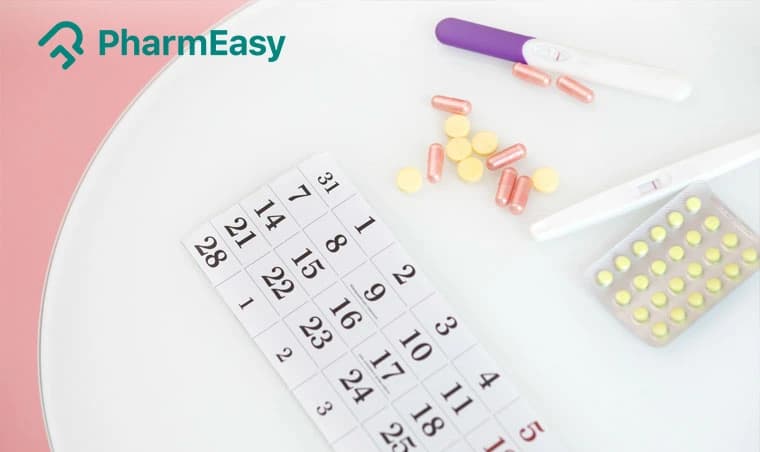
Understanding Egg Release and Its Timing
Meena, 45, a homemaker from Jaipur, noticed a slight twinge in her lower abdomen around the midpoint of her monthly rhythm. She’d also felt a bit more energetic lately, something she’d previously dismissed as a common fluctuation. Have you ever wondered why these bodily shifts happen?
Grasping the fundamentals of egg release is key to understanding a significant part of female reproductive health and fertility. Honestly, for many individuals, the intricacies of their own bodies remain a bit of a mystery until they actively seek to understand them. This process, a cornerstone of conception, involves the cyclical shedding of an egg from the ovary.
The entire reproductive journey for a woman is orchestrated by a complex interplay of hormones, primarily estrogen and progesterone, which regulate the monthly period. This period, typically lasting around 28 days though variations are widespread, prepares the body for a potential pregnancy each month.
Think about it this way: your body is essentially running a monthly readiness check. If conception doesn't occur, the uterine lining is shed, resulting in menstruation.
The Stages of the Monthly Period and Egg Release
The monthly period can be broadly divided into four phases, with egg release being the pivotal event in the middle. Each phase is governed by specific hormonal shifts.
1. Menstruation (Day 1-5 approximately)
This phase begins with the shedding of the uterine lining (endometrium) if pregnancy did not occur in the previous period. This results in menstrual bleeding, which typically lasts for 3 to 7 days. During this time, hormone levels, particularly estrogen and progesterone, are at their lowest.
Here's where it gets interesting.
2. Follicular Phase (Day 1-14 approximately)
Starting on the first day of your period, the follicular phase sees the pituitary gland releasing follicle-stimulating hormone (FSH). FSH prompts the ovaries to develop several small sacs called follicles, each containing an immature egg. Usually, only one follicle matures fully.
As this dominant follicle grows, it produces increasing amounts of estrogen. Rising estrogen levels thicken the uterine lining, preparing it for a potential embryo. This phase can vary significantly in length among individuals, making egg release timing a challenge for some.
3. Egg Release (Around Day 14)
The surge in estrogen produced by the mature follicle triggers a sudden release of luteinizing hormone (LH) from the pituitary gland. This LH surge is the critical trigger for egg release. Within 24 to 36 hours after the LH surge, the dominant follicle ruptures, releasing a mature egg from the ovary. This is the moment of egg release.
The egg then travels into the fallopian tube, where it can be fertilized by sperm. The fertile window—the days leading up to and including egg release—is when pregnancy is possible. Sperm can survive in the female reproductive tract for up to five days, while the egg is viable for only about 12 to 24 hours.
It sounds simple. It rarely is.
Worth knowing: The precise timing of egg release can be influenced by various factors, including stress, illness, and considerable alterations in weight or diet. For individuals in India, the monsoon season, with its associated atmospheric changes or dietary shifts during festivals like Diwali, might subtly impact hormonal balance, though these are generally minor influences compared to other factors.
4. Luteal Phase (Day 14-28 approximately)
After releasing the egg, the ruptured follicle transforms into a structure called the corpus luteum. This corpus luteum produces progesterone and some estrogen. Progesterone is crucial for maintaining the thickened uterine lining, making it receptive to a fertilized egg.
If fertilization and implantation occur, the corpus luteum continues to produce progesterone, supported by hormones from the developing embryo. If pregnancy does not happen, the corpus luteum degenerates about 10 to 14 days after egg release. This decline in progesterone and estrogen levels signals the uterus to shed its lining, initiating menstruation and starting the period anew.
Recognizing Signs of Egg Release
While egg release is an internal process, several physical and hormonal indications can signal its occurrence. Paying attention to these signs can help individuals track their fertile window. Does this sound familiar? You might experience some of these yourself.
That's the part worth remembering.
- Alterations in Vaginal Discharge: Throughout the period, vaginal discharge changes in consistency and quantity. Leading up to egg release, as estrogen levels rise, vaginal discharge becomes more abundant, clear, slippery, and stretchy – often described as resembling raw egg whites. This type of discharge facilitates sperm movement towards the egg. After egg release, progesterone levels increase, making the discharge thicker and less abundant.
- Slight Rise in Basal Body Temperature (BBT): Your basal body temperature is your resting body temperature. After egg release, the corpus luteum releases progesterone, which causes a slight, sustained increase in BBT (about 0.5°F or 0.3°C). Tracking BBT daily, ideally first thing in the morning before getting out of bed, can aid confirm that egg release has occurred. It's a retrospective confirmation, meaning it tells you egg release happened, rather than predicting it in advance.
- Mittelschmerz (Egg Release Pain): Some individuals experience mild, one-sided abdominal pain or cramping during egg release. This pain, known as Mittelschmerz (German for “middle pain”), can occur on the same side as the ovulating ovary. It's thought to be caused by the stretching of the ovarian wall as the follicle grows or by the release of the egg itself. The sensation typically lasts from a few minutes to a couple of hours.
- Changes in Cervical Position: The cervix also changes throughout the monthly period. During the fertile period, leading up to and during egg release, the cervix softens, rises higher in the vagina, and becomes more open and moist. After egg release, it tends to return to a lower, firmer, and more closed position.
- Increased Libido: Hormonal fluctuations around egg release can sometimes lead to a natural increase in sexual desire in some individuals. This is thought to be an evolutionary mechanism to enhance the chances of conception.
- Breast Tenderness: Some individuals report increased breast tenderness or sensitivity in the days leading up to egg release due to hormonal changes.
Tracking Egg Release: Methods and Importance
Understanding when you release an egg is crucial for several reasons. For couples trying to conceive, identifying the fertile window maximizes the chances of pregnancy. For those trying to avoid pregnancy, it helps in family planning. Various methods can be employed to track egg release.
1. Calendar Method
This involves tracking your monthly period history to predict future egg release. It's most effective for individuals with very regular periods. For example, if your period is consistently 28 days, egg release is typically around day 14.
However, its accuracy is limited due to period variability. Over 101 million Indians have diabetes (ICMR, 2023), highlighting how lifestyle factors can influence health markers, including reproductive rhythms, making the calendar method less reliable for many.
2. Ovulation Predictor Kits (OPKs)
These over-the-counter urine tests detect the LH surge that precedes egg release. By testing daily in the days leading up to suspected egg release, you can identify the LH surge and pinpoint the most fertile days. OPKs are generally reliable but can be expensive if used consistently.
Here's where it gets interesting.
3. Basal Body Temperature (BBT) Charting
Going back to what we discussed, BBT charting involves taking your temperature first thing every morning. A sustained rise indicates egg release has occurred. While it confirms egg release retrospectively, it's a valuable tool when combined with other methods for understanding your period patterns.
4. Cervical Mucus Monitoring
Observing the alterations in vaginal discharge can provide clues about your fertile window. When discharge becomes clear, stretchy, and abundant, it signals peak fertility. This method requires practice and careful observation.
5. Fertility Monitors
These electronic devices track hormone levels (often LH and estrogen) in urine or other biomarkers to predict the fertile window. Some advanced monitors can store data and provide personalized insights.
Practically speaking, combining two or more of these methods often yields the most accurate results. For instance, using OPKs alongside BBT charting can give both an early warning of egg release (LH surge) and confirmation that it has happened (BBT rise).
The numbers don't lie.
Factors Affecting Egg Release
Numerous factors can disrupt the regular egg release rhythm. These disruptions can lead to irregular periods or anovulation (lack of egg release), making it difficult to conceive.
The World Health Organization (WHO) notes that infertility affects approximately 15% of couples globally, with ovulatory dysfunction being a meaningful contributing factor.
- Stress: High levels of physical or emotional stress can interfere with the hormones that regulate egg release.
- Weight Fluctuations: Being significantly underweight or overweight can affect hormone production and egg release. Conditions like Polycystic Ovary Syndrome (PCOS), which affects a substantial percentage of individuals of reproductive age in India, are closely linked to hormonal imbalances and ovulatory issues.
- Medical Conditions: Thyroid disorders, pituitary tumors, and premature ovarian insufficiency can all impact egg release.
- Medications: Certain medications, including some chemotherapy drugs, antipsychotics, and hormonal contraceptives (though these are designed to prevent egg release), can affect ovulatory function.
- Excessive Exercise: While regular exercise is beneficial, extremely intense or prolonged physical activity can sometimes suppress egg release.
If you experience irregular periods, absent periods, or difficulty conceiving, consulting a healthcare provider is essential. Advanced diagnostics, sometimes involving imaging techniques or blood tests, can assist identify underlying causes.
Leading institutions like the All India Institute of Medical Sciences (AIIMS) offer specialized reproductive health services.
When to Seek Medical Advice
Understanding your egg release rhythm is empowering. However, if you have concerns about your fertility, irregular periods, or suspect an egg release disorder, seeking professional medical advice is paramount.
A qualified healthcare provider can offer personalized guidance, diagnostic tests, and treatment options. Remember, medical information provided here is for educational purposes only.
Always consult a qualified physician before making any medical decisions.
Key Takeaways
- Egg release is the shedding of a mature egg from the ovary, typically occurring around the middle of the monthly period.
- The fertile window, when conception is possible, includes the days leading up to and including egg release.
- usual signs of egg release include alterations in vaginal discharge (becoming slippery and stretchy), a slight rise in basal body temperature, and sometimes mild abdominal pain (Mittelschmerz).
- Tracking egg release can be done using methods like calendar tracking, ovulation predictor kits (OPKs), basal body temperature charting, and vaginal discharge monitoring.
- Factors such as stress, weight fluctuations, and certain medical conditions can affect egg release regularity.