Female Vesicovaginal Fistula (VVF) Repair Surgery in Dhanbad
What You Must Know Before Choosing a Surgeon
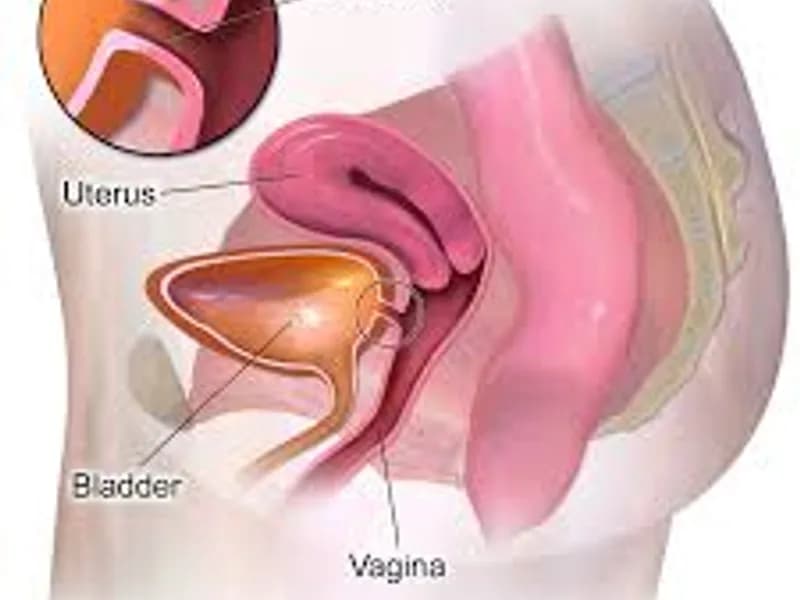
Few urological conditions carry as devastating an impact on a woman's life as vesicovaginal fistula — an abnormal communication between the urinary bladder and the vagina that results in continuous, uncontrollable leakage of urine through the vaginal passage. The constant wetness, skin irritation, persistent odor, and profound social isolation associated with untreated VVF constitute one of the most distressing experiences in female health. In developing nations, obstetric fistula — arising from prolonged obstructed labor that causes pressure necrosis between the bladder and vaginal walls — remains a significant cause of VVF. In urban and semi-urban India, however, the most common cause is iatrogenic — most often arising as a complication of hysterectomy (abdominal or vaginal), anterior colporrhaphy, cesarean section, or other pelvic surgical procedures where the bladder wall is inadvertently injured and the injury goes unrecognized or heals poorly.
For women in Dhanbad experiencing continuous vaginal leakage after pelvic surgery or childbirth, early consultation with specialist doctors in Dhanbad experienced in VVF evaluation and repair is the single most important step toward recovery. VVF repair is a technically demanding reconstructive procedure with success rates exceeding 90% in appropriately timed, first-attempt repairs performed by experienced surgeons using meticulous technique. Timing is critical — most surgeons recommend waiting 3–6 months after fistula formation to allow tissue edema, inflammation, and infection to resolve before attempting surgical closure.
In Dhanbad, qualified female surgeons with urogynaecological, pelvic surgical, and laparoscopic expertise are available to manage VVF repair from initial diagnosis through surgical correction and post-operative rehabilitation. Female patients dealing with this deeply private and distressing condition find immense comfort and clinical benefit in being managed by a female surgical team. Consultation fees range from ₹200 to ₹520, with surgery costs varying by fistula complexity, surgical approach, and hospital.
For appointments call 8877772277.
Average VVF Repair Surgery Cost in Dhanbad
Procedure | Cost Range | Hospital Stay |
|---|
Simple VVF Repair (Vaginal Approach, Small Fistula) | ₹55,000 – ₹1,10,000 | 5–7 Days |
Complex VVF Repair (Abdominal / Transperitoneal) | ₹75,000 – ₹1,50,000 | 7–10 Days |
Laparoscopic VVF Repair | ₹80,000 – ₹1,60,000 | 4–7 Days |
VVF Repair + Omentum/Martius Flap Interposition | ₹90,000 – ₹1,70,000 | 7–10 Days |
Radiation-Induced VVF Repair | ₹1,00,000 – ₹2,00,000 | 10–14 Days |
Revision VVF Repair (Failed Previous Repair) | ₹95,000 – ₹1,80,000 | 8–12 Days |
Obstetric VVF Repair (Post-Delivery) | ₹60,000 – ₹1,20,000 | 5–8 Days |
PMJAY Note: Vesicovaginal fistula repair — particularly obstetric fistula — is covered under multiple Ayushman Bharat PMJAY surgical packages. Eligible patients should present their PMJAY card at empanelled hospitals in Dhanbad for full coverage evaluation.
Why This Surgery Is Performed
Continuous involuntary vaginal urine leakage following pelvic surgery (hysterectomy, cesarean, anterior repair)
Obstetric fistula resulting from prolonged obstructed labor causing bladder pressure necrosis
Radiation-induced VVF following pelvic radiotherapy for cervical, uterine, or bladder cancer
Traumatic VVF following pelvic fracture, penetrating injury, or foreign body
Fistula with confirmed bladder-vaginal communication on cystoscopy, cystography, or MRI
Failed spontaneous closure with catheter drainage alone (most VVFs >2 mm require surgical repair)
VVF causing recurrent urinary tract infections, perineal skin breakdown, or severe psychological distress
VVF complicating Crohn's disease or other inflammatory conditions involving the pelvic organs
Post-malignancy VVF following tumor invasion or surgical resection
Recurrent VVF after previous repair failure requiring revision surgery
Benefits of VVF Repair Surgery
Complete restoration of urinary continence in over 90% of first-attempt repairs
Elimination of continuous vaginal leakage and its devastating social and psychological consequences
Resolution of recurrent UTIs caused by the fistulous communication
Healing of perineal and labial skin excoriation caused by constant urine exposure
Restoration of sexual health — VVF causes severe dyspareunia and is a major barrier to intimacy
Profound psychological benefit — return of dignity, social participation, and quality of life
Laparoscopic repair offers excellent visualization, minimal blood loss, and faster recovery
Tissue interposition (omentum or Martius flap) dramatically reduces repair failure rates
Combined repair of concurrent fistulae (uretero-vaginal, recto-vaginal) in complex pelvic injuries
Durable long-term results — properly repaired VVFs have low recurrence rates over 10+ years
Top Female Surgeons for VVF Repair Surgery in Dhanbad
Dr. Neetu Kumari Singh
Qualification: MBBS, MD (OBG), FMAS | Rating: ⭐ 4.7/5 | Reviews: 312
Experience: 18 Years | Consultation Fee: ₹300
Hospital: Alkari Devi Hospital, Bhuli | Landmark: Near Bhuli More
Experience Table
Area | Details |
|---|
Total Experience | 18 Years |
Surgeries Performed | 1,000+ |
Specialization | Urogynaecology, Pelvic Reconstruction, Fistula Repair |
Techniques | Vaginal, Abdominal, Laparoscopic, Tissue Flap |
Average Surgery Cost: ₹60,000 – ₹1,20,000
Specialization Tags
VVF Repair Obstetric Fistula Surgery Pelvic Reconstruction Vaginal Urological Surgery FMAS Surgeon
About Dr. Neetu Kumari Singh
Dr. Neetu Kumari Singh has devoted a significant portion of her 18-year surgical career at Alkari Devi Hospital to the reconstructive management of pelvic fistulae — a commitment rooted in her recognition of the profound suffering that VVF causes women in Dhanbad's working-class communities. Over the years, she has managed both obstetric fistulae (primarily in women from rural areas who experienced prolonged or obstructed labor) and iatrogenic post-surgical VVFs arising from hysterectomy, cesarean section, and anterior colporrhaphy complications.
Her pre-operative approach to VVF repair is structured and methodical. She confirms the diagnosis and characterizes fistula anatomy using cystoscopy (to identify fistula location relative to the ureteral orifices and bladder neck), cystography (retrograde filling to visualize the fistulous tract), and MRI pelvis for complex cases involving multiple fistulae or post-radiation changes. She routinely tests ureteral function with intravenous urography or ureteroscopy to exclude concurrent ureterovaginal fistula — a condition that can coexist with VVF after hysterectomy and requires combined management.
For timing of repair, Dr. Singh follows the established principle of waiting at least 3 months post-fistula formation (longer for radiation-induced fistulae) to allow tissue maturation before operating. Her preferred technique for simple, supratrigonal VVFs is the vaginal approach — using Latzko's technique or a layered flap repair that avoids overlap of suture lines. For trigonal or high-mounted fistulae, she prefers the abdominal transperitoneal approach with omental interposition. Her FMAS fellowship adds laparoscopic repair capability for suitable anatomical candidates.
Post-operatively, she maintains urethral catheter drainage for 14–21 days and schedules a fluoroscopic cystogram at 3 weeks to confirm fistula closure before removing the catheter. Her repair success rates are consistently high, and she has earned a reputation as one of the most trusted female VVF surgeons available to patients in Dhanbad and the surrounding coal belt areas.
⭐ Patient Reviews
"I leaked urine continuously for 8 months after my hysterectomy. Dr. Singh repaired the fistula and my life completely changed. I owe her everything." — Kamla Devi, Bhuli
"She waited for the right time — 3 months after the fistula — before operating. That patience and planning made the repair successful." — Rekha Kumari, Dhanbad
"Obstetric VVF after difficult delivery. She repaired it completely. I have my dignity back." — Sunita Mahato, Jharia
📅 Book Appointment | 🚨 Emergency: 8877772277
Dr. Neha Bajaj
Qualification: MBBS, MD, DNB, MRCOG, FIAGE | Rating: ⭐ 4.8/5 | Reviews: 198
Experience: 6+ Years | Consultation Fee: ₹500
Hospital: Kailash Hospital, Bartand | Landmark: Near Bartand Bus Stand
Average Surgery Cost: ₹80,000 – ₹1,60,000
Specialization Tags
Complex VVF Repair Laparoscopic Fistula Repair Omental Interposition Urogynaecological Reconstruction Post-Hysterectomy Fistula
About Dr. Neha Bajaj
Dr. Neha Bajaj's MRCOG training in the United Kingdom exposed her to one of the world's most rigorous urogynaecological training programs — and VVF repair is a core component of the UK obstetrics and gynecology surgical curriculum. Her understanding of fistula classification systems, repair principles, tissue interposition options, and post-operative management follows international best-practice guidelines that she has adapted to the clinical and resource context of Dhanbad.
At Kailash Hospital, she offers laparoscopic transperitoneal VVF repair as an option for supratrigonal fistulae in patients where the vaginal approach provides insufficient access or where previous vaginal repair has failed. Laparoscopic repair provides superior visualization of the vesicovaginal septum, enables precise fistula tract excision and tension-free layered closure, and allows omental mobilization for interposition without a large abdominal incision. Her patients undergoing laparoscopic repair typically have shorter post-operative catheter times (14 days versus 21 days for open repair) and faster return to full activity.
She is also one of the few surgeons in Dhanbad trained in using the peritoneal flap and omental J-flap as interposition layers — techniques that are particularly important for radiation-induced fistulae where the native tissue is poorly vascularized and standard layered closure has high failure rates. For these complex cases, she coordinates with radiation oncologists and dieticians to optimize the patient's nutritional and tissue healing status before surgery.
Her consultations for VVF patients at Kailash Hospital are conducted with special sensitivity to the profound psychological burden of this condition — and she always ensures that patients have access to psychological support resources alongside their surgical management. Patients access comprehensive advanced surgical care for all forms of pelvic fistula through her practice.
⭐ Patient Reviews
"Post-radiation VVF — a difficult and complex repair. Dr. Bajaj used an omental flap and her technique was superb. Fistula healed completely." — Priya Sinha, Bartand
"Failed vaginal repair elsewhere. She repaired it laparoscopically and it worked first time. I am so grateful." — Anjali Kumari, Dhanbad
"Her sensitivity to what I was going through emotionally was as important as her surgical skill. A truly complete doctor." — Kavita Devi, Sindri
📅 Book Appointment | 🚨 Emergency: 8877772277
Dr. Komal Singh
Qualification: MBBS, MS (OBG) | Rating: ⭐ 4.9/5 | Reviews: 520
Experience: 25 Years | Consultation Fee: ₹300
Hospital: Tata Central Hospital, Bhaga | Landmark: Near Tata Hospital Campus
Average Surgery Cost: ₹65,000 – ₹1,30,000
Specialization Tags
VVF Repair Obstetric Fistula Open Pelvic Reconstruction Complex Fistula Management Senior Surgeon
About Dr. Komal Singh
Dr. Komal Singh's 25-year career at Tata Central Hospital has included extensive experience in the management of obstetric and iatrogenic VVF — conditions that are unfortunately still encountered with significant frequency in Jharkhand's semi-urban and rural population. Her long surgical career has given her a comprehensive skill set across vaginal, abdominal, and combined approaches to VVF repair, and her clinical judgment in selecting the optimal approach for each individual patient is one of the most refined available in the district.
She is particularly experienced with obstetric fistulae resulting from prolonged obstructed labor — a presentation that often involves extensive tissue loss, concurrent involvement of the urethra and trigone, and significant psychological trauma. Her approach to these women begins long before the operating theatre — with careful nutritional rehabilitation, perineal skin care, treatment of concurrent anemia and infection, and psychological support — all of which significantly improve surgical outcomes.
Her repair success rates are exceptional given the complexity of the cases she manages, and she is available for post-operative consultation at the ₹300 consultation fee, making long-term follow-up accessible to patients from all financial backgrounds.
⭐ Patient Reviews
"Obstetric fistula after difficult labor. She treated me like a human being throughout — not just a surgical case. Perfect repair." — Saroj Devi, Bhaga
"25 years of pelvic surgery experience means she has performed more VVF repairs than most surgeons in Jharkhand." — Nirmala Mahato, Dhanbad
"She repaired what three other doctors said could not be repaired. Remarkable surgeon." — Geeta Singh, Katras
📅 Book Appointment | 🚨 Emergency: 8877772277
Dr. Isha Rani Mishra
Qualification: MBBS, MS (OBG) | Rating: ⭐ 4.6/5 | Reviews: 176
Experience: 11 Years | Consultation Fee: ₹500
Hospital: Citizens Medical Centre, Bhuli | Landmark: Near Citizens Medical Centre
Average Surgery Cost: ₹60,000 – ₹1,15,000
Specialization Tags
VVF Repair Post-Surgical Fistula Vaginal Reconstruction Urogynaecology
About Dr. Isha Rani Mishra
Dr. Isha Rani Mishra brings 11 years of gynecological and urogynaecological surgical practice at Citizens Medical Centre to her management of vesicovaginal fistula. Her meticulous approach to pre-operative workup — including careful cystoscopic localization of fistula position relative to the ureteral orifices — ensures that repair decisions are fully informed by the anatomical relationship of the fistula to critical structures, particularly in post-hysterectomy cases where the ureteral orifices may be in close proximity to the fistulous tract.
⭐ Patient Reviews
"Post-hysterectomy VVF. Dr. Mishra mapped the fistula carefully before operating and achieved a complete repair." — Poonam Devi, Bhuli
"Very sensitive to how distressing VVF is. She made me feel supported throughout the whole process." — Ritu Sharma, Dhanbad
"Clean, successful repair. I have been continent for 18 months now." — Kiran Mahato, Jharia
📅 Book Appointment | 🚨 Emergency: 8877772277
Dr. Radhika Mohan
Qualification: MBBS, MS (OBG) | Rating: ⭐ 4.6/5 | Reviews: 144
Experience: 7 Years | Consultation Fee: ₹500
Hospital: Asarfi Hospital, Hirapur | Landmark: Near Asarfi Hospital Main Gate
Average Surgery Cost: ₹58,000 – ₹1,10,000
Specialization Tags
VVF Repair Post-Surgical Fistula Management Vaginal Surgical Repair Female Pelvic Reconstruction
About Dr. Radhika Mohan
Dr. Radhika Mohan at Asarfi Hospital has, over 7 years, built a careful and evidence-based surgical practice in female pelvic reconstruction that includes VVF repair for post-surgical and obstetric fistulae. She is known for her disciplined approach to pre-operative timing — she consistently advocates for the 3-month wait and will not proceed with repair before tissue conditions are optimal, even when patient pressure for earlier surgery is strong. This discipline is reflected in her repair success rates.
⭐ Patient Reviews
"She insisted on waiting 3 months before operating — and the repair was completely successful. Her patience paid off." — Sangita Singh, Hirapur
"Compassionate and skilled. VVF repair done with care and precision." — Usha Kumari, Dhanbad
"Fully continent for over a year now. Wonderful outcome." — Lalita Devi, Sindri
📅 Book Appointment | 🚨 Emergency: 8877772277
Dr. Aparajita Sinha | Dr. Rina Kumari | Dr. Sweta | Dr. Diksha Mani | Dr. Archana Kumari
All five remaining female surgeons offer VVF assessment and repair services at their respective hospitals across Dhanbad. Surgery costs range from ₹55,000 to ₹1,50,000 depending on fistula complexity, repair approach, and hospital. All provide structured post-operative catheter management and follow-up cystography. Call 8877772277 for appointment details.
📅 Book Appointment | 🚨 Emergency: 8877772277
Recovery After VVF Repair Surgery
Recovery from VVF repair is longer than most urological procedures, reflecting the complexity of the reconstruction and the critical importance of allowing the repair to heal without premature voiding stress.
Hospital Stay (Days 1–10): Hospital stay of 5–10 days is standard depending on approach (vaginal vs. open vs. laparoscopic). A urethral Foley catheter is maintained throughout this period. Urine output is monitored daily to confirm no leakage through the repair.
Catheter Period (2–3 Weeks): The catheter remains in situ for 14–21 days after simple vaginal repairs, and up to 3–4 weeks after complex abdominal or revision repairs. Patients go home with the catheter and receive detailed instructions on catheter care, hygiene, and fluid intake.
Cystography at 3 Weeks: A fluoroscopic cystogram is performed to confirm fistula closure before the catheter is removed. If contrast extravasation is seen, the catheter is retained for a further 1–2 weeks and cystography repeated.
Weeks 4–8: After catheter removal, patients may experience temporary urgency and frequency as the bladder regains its normal capacity and tone. Pelvic floor physiotherapy is recommended to aid bladder retraining. Sexual intercourse is avoided for a minimum of 8–12 weeks.
Month 2–3: Most patients are fully continent by 6–8 weeks and return to normal activities. A follow-up cystoscopy at 3 months confirms complete bladder wall healing and the absence of residual fistula.
Warning Signs:
Return of vaginal urine leakage after catheter removal (possible repair breakdown)
Fever during catheter period (possible ascending infection)
Significant vaginal bleeding or discharge
Severe suprapubic pain suggesting bladder distension
Difficulty voiding despite catheter removal (possible urethral stricture)
Risks and Complications
Repair failure / fistula persistence — most common in radiation-induced, recurrent, or poorly timed repairs
Urethral injury causing stress incontinence or urethrovaginal fistula
Ureteral injury during abdominal or laparoscopic approach to supratrigonal fistulae
Bladder contracture — reduced bladder capacity following extensive bladder wall reconstruction
Wound dehiscence at vaginal repair site
Post-operative UTI during catheter period
Post-operative bladder overactivity requiring anticholinergic medication
Dyspareunia from vaginal scarring at repair site
Recurrent fistula requiring revision surgery
Standard anesthetic and surgical complications
❓ Frequently Asked Questions – Female VVF Repair Surgery in Dhanbad
1. What is a vesicovaginal fistula?
A vesicovaginal fistula (VVF) is an abnormal opening between the bladder and the vagina that allows urine to continuously drain from the bladder into the vaginal canal, resulting in constant involuntary vaginal leakage of urine. It is distinct from normal urinary incontinence and requires surgical repair.
2. What causes VVF in women in Dhanbad?
The most common cause in urban and semi-urban India is iatrogenic injury — most often following hysterectomy, cesarean section, or anterior colporrhaphy where the bladder wall is inadvertently damaged or where the repaired bladder wall develops ischemic necrosis. Obstetric fistula from prolonged obstructed labor remains a cause in women from more rural backgrounds. Pelvic radiation for cancer is another important cause.
3. How is VVF diagnosed?
The diagnosis is confirmed by cystoscopy (visualizing the fistulous opening from inside the bladder), retrograde cystography (dye leaks into the vagina), or MRI pelvis (best for complex or multiple fistulae). A simple dye test — instilling methylene blue into the bladder via catheter and observing blue staining in the vagina — is a quick clinical confirmatory test.
4. How long after VVF formation should I wait before surgery?
The standard recommendation is to wait a minimum of 3 months after fistula formation — and up to 6 months for radiation-induced fistulae — before attempting surgical repair. This waiting period allows tissue edema, inflammation, and infection to fully resolve, significantly improving repair success rates.
5. Can a VVF repair itself without surgery?
Very small fistulae (under 2–3 mm) occasionally close spontaneously with prolonged catheter drainage (4–6 weeks) and antibiotic therapy. The vast majority of VVFs require surgical repair for permanent closure.
6. What is the success rate of VVF repair?
First-attempt repair of simple, non-irradiated VVFs by experienced surgeons achieves closure in 90–95% of cases. Radiation-induced and recurrent VVFs have lower success rates (70–80%) and require advanced tissue interposition techniques.
7. Is laparoscopic VVF repair available in Dhanbad?
Yes — Dr. Neha Bajaj at Kailash Hospital and Dr. Neetu Kumari Singh at Alkari Devi Hospital are trained in laparoscopic transperitoneal VVF repair, which is an option for supratrigonal fistulae where vaginal access is limited.
8. Can VVF be repaired in a woman who wants future pregnancy?
Yes — VVF repair is compatible with subsequent pregnancy in most women. However, post-repair pregnancy carries a risk of fistula recurrence due to bladder distension and labor. Most surgeons recommend allowing 12–18 months after repair before conceiving, and delivery by elective cesarean section.
9. Do specialist doctors in Dhanbad perform Martius flap interposition for complex VVF?
Yes. For complex, large, or radiation-induced fistulae, Martius labial fat pad flap interposition is performed by surgeons including Dr. Neha Bajaj and Dr. Komal Singh. This technique brings a well-vascularized tissue layer between the bladder and vaginal repair lines, significantly reducing failure rates.
10. How long will I need a catheter after VVF repair?
For simple vaginal repairs, 14 days. For abdominal or complex repairs, 21 days. Radiation-induced repairs may require 3–4 weeks of continuous catheter drainage. A cystogram at the end of the catheter period confirms closure before removal.
11. Is VVF covered by PMJAY Ayushman Bharat?
Yes — VVF repair, particularly obstetric fistula, is included under PMJAY package coverage at empanelled hospitals. Patients should confirm their specific procedure's coverage at the treating hospital before admission.
12. What psychological support is available for women with VVF?
VVF causes severe psychological distress — depression, social withdrawal, relationship difficulties, and loss of self-esteem are common. Several Dhanbad hospitals offer access to counseling or psychiatric consultation as part of the comprehensive care pathway for VVF patients. Surgeons including Dr. Neha Bajaj and Dr. Komal Singh actively facilitate this referral as part of their VVF management protocol.
13. Can VVF recur after successful repair?
Yes, but recurrence rates after successful first repair are low — approximately 5–10% in simple cases, higher in radiation-induced or complex fistulae. Long-term follow-up including annual pelvic examination and urinary symptom review is recommended for at least 2–3 years post-repair.
Cost Summary
Simple VVF repair (vaginal): ₹55,000 – ₹1,10,000
Complex / abdominal repair: ₹75,000 – ₹1,50,000
Laparoscopic VVF repair: ₹80,000 – ₹1,60,000
With omental/Martius flap interposition: ₹90,000 – ₹1,70,000
Radiation-induced VVF: ₹1,00,000 – ₹2,00,000
Revision repair: ₹95,000 – ₹1,80,000
Consultation fees: ₹200 – ₹520
Pre-operative MRI pelvis: ₹5,000 – ₹15,000 (additional)
PMJAY coverage available at empanelled Dhanbad hospitals — particularly for obstetric fistula
Conditions Treated by VVF Repair Surgery in Dhanbad
• Post-Hysterectomy VVF
The most common type of iatrogenic VVF in India, typically forming at the vaginal vault — the site where the bladder was dissected free from the uterus during hysterectomy. Presents with continuous watery vaginal discharge 7–14 days after surgery. Managed by vaginal or abdominal layered repair with tissue interposition.
• Post-Cesarean VVF
Bladder injury during lower segment cesarean section — particularly in women with previous cesarean scars or placenta accreta — can result in VVF at the vesicouterine space. Diagnosis may be delayed if the fistula initially presents as cyclical hematuria (Youssef syndrome) before frank vaginal leakage begins.
• Obstetric VVF
Caused by prolonged obstructed labor where the fetal head presses the bladder against the maternal symphysis pubis, causing ischemic pressure necrosis of the vesicovaginal septum. These fistulae are often large, involve the trigone, and may be associated with urethral damage — requiring complex reconstruction.
• Radiation-Induced VVF
A late complication of pelvic radiotherapy for cervical, uterine, endometrial, or bladder cancer. Radiation-induced tissue fibrosis, obliterative endarteritis, and poor vascularity make these fistulae particularly difficult to repair and mandate tissue interposition to bring a healthy blood supply to the repair site.
• Post-Anterior Colporrhaphy VVF
Anterior vaginal wall repair for cystocele can occasionally result in bladder injury or ischemic fistula formation at the repair site. These fistulae are usually small and supratrigonal, with good repair outcomes when managed after adequate tissue recovery time.
• Traumatic VVF
Pelvic fractures from road traffic accidents or blunt perineal trauma can directly injure the vesicovaginal septum. Emergency bladder repair and drainage are performed acutely, with planned fistula repair deferred until tissue recovery is complete.
• Cancer-Related VVF
Bladder or cervical cancer directly invading the vesicovaginal septum can cause fistula formation through tumor necrosis. Management involves simultaneous oncological and reconstructive planning — repair is undertaken after tumor control is achieved.
• Crohn's Disease–Related VVF
Transmural bowel inflammation from Crohn's disease occasionally creates enterovesical or vesicovaginal fistulae when a diseased bowel loop adheres to the bladder. Management requires inflammatory disease control before or concurrent with fistula repair.
• Recurrent VVF After Failed Primary Repair
Repeat repair after a previous failed attempt carries higher technical complexity due to scar tissue, distorted anatomy, and compromised tissue vascularity. Tissue interposition (omental J-flap, Martius graft, peritoneal flap) is almost always required at revision surgery.
• VVF Associated with Vesicoureteral Fistula or Rectovaginal Fistula
Complex multi-fistula presentations require coordinated surgical planning — staged or combined repair of vesicovaginal, ureterovaginal, and rectovaginal fistulae when all are present simultaneously. A multi-disciplinary approach involving urology, gynecology, and colorectal surgery provides the best outcomes.
Why Choose a Female Surgeon in Dhanbad
Of all the urological and gynecological conditions that bring women to the surgical table, vesicovaginal fistula carries perhaps the greatest burden of shame, silence, and social devastation. Women with VVF frequently withdraw from social life, struggle with relationships, and carry a profound sense of helplessness about their own bodies. Many wait months or years before seeking surgical help — not because treatment is unavailable, but because the condition is too humiliating to speak about to a male physician.
Female surgeons in Dhanbad who specialize in VVF repair provide something that no technical qualification or hospital infrastructure can — a safe space. A consultation room where a woman can describe the smell, the constant wetness, the rejection she may have experienced, the fear she carries, and the hope she still holds — and be met with complete clinical competence and complete human understanding.
The ten female surgeons in this guide have dedicated their careers to women's surgical health in Dhanbad. They have trained in the most demanding techniques of pelvic reconstruction. They know what VVF costs a woman — not just medically, but in dignity, in relationships, and in life. Choosing a female surgeon for VVF repair in Dhanbad is not simply a preference — for many women, it is the difference between seeking help and suffering in silence.
Conclusion
Vesicovaginal fistula is curable. In Dhanbad, with the right surgeon, the right timing, and the right post-operative care, over 90% of women undergoing their first VVF repair will regain complete urinary continence and with it, a complete restoration of their quality of life. No woman in Dhanbad — regardless of economic background, age, or whether her fistula arose from surgery, childbirth, or radiation — should accept continuous leakage as an inevitable part of her life.
The ten female surgeons profiled in this guide — practicing across Bhuli, Bartand, Hirapur, Bhaga, Saraidhela, and central Dhanbad — offer every form of surgery treatments in Dhanbad needed for VVF management, at consultation fees starting from ₹200 and with comprehensive post-operative support included in their care model. Reach out today. Help is closer than you think.
📞 For appointments call 8877772277.