Female Ureteric Reimplantation Bilateral Surgery in Dhanbad
What You Must Know Before Choosing a Surgeon
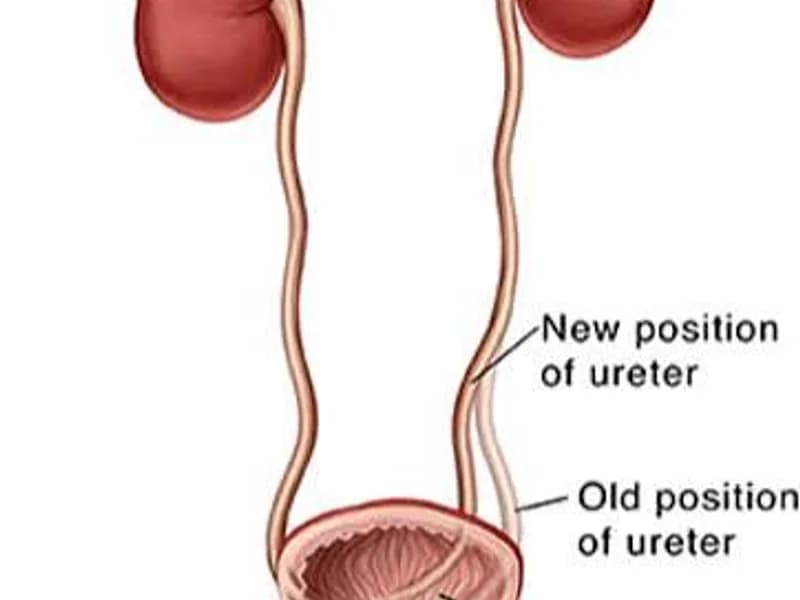
Bilateral ureteric reimplantation is one of the most technically demanding procedures in urological reconstructive surgery — addressing both ureters simultaneously to correct high-grade vesicoureteral reflux or bilateral ureteral pathology that threatens kidney function on both sides. Unlike unilateral reimplantation, which targets one kidney's drainage, bilateral surgery carries greater intraoperative complexity, longer operative time, and a more significant early recovery phase, but it provides definitive protection for both kidneys in a single surgical session. In Dhanbad, Jharkhand, patients and families requiring bilateral reimplantation have access to expert specialists in Dhanbad who perform this procedure with the technical sophistication and postoperative vigilance it demands.
Bilateral vesicoureteral reflux occurs when both ureterovesical junctions have deficient anti-reflux mechanisms, allowing urine backflow to both kidneys. It affects girls at significantly higher rates than boys in the VUR population, and it is associated with a substantially greater risk of bilateral renal scarring and long-term renal insufficiency if untreated. While medical management with bilateral antibiotic prophylaxis is the first-line approach, bilateral high-grade VUR (Grade III–V on both sides), breakthrough infections on both sides, or progressive bilateral DMSA scarring are strong indications for surgical correction. Additional indications include bilateral distal ureteral strictures, bilateral megaureter, or bilateral ectopic ureters requiring reimplantation.
Dhanbad's specialist hospitals offer bilateral ureteric reimplantation through open intravesical (bilateral Cohen), extravesical (bilateral Lich-Gregoir), and laparoscopic approaches. Consultation fees range from ₹200 to ₹520. Bilateral surgery costs range from ₹80,000 to ₹2,00,000 — broadly 1.5–2 times the cost of the unilateral procedure due to increased complexity and operative time. Patient reviews consistently highlight the technical precision and compassionate communication of Dhanbad's female urological surgical specialists. For appointments call 8877772277.
Average Ureteric Reimplantation Bilateral Cost in Dhanbad
Procedure | Cost Range | Hospital Stay |
|---|
Open Bilateral Cohen Reimplantation | ₹80,000 – ₹1,20,000 | 5–7 days |
Bilateral Lich-Gregoir Extravesical | ₹85,000 – ₹1,30,000 | 4–6 days |
Bilateral Reimplantation + Ureteral Tapering | ₹1,00,000 – ₹1,50,000 | 6–8 days |
Laparoscopic Bilateral Reimplantation | ₹1,20,000 – ₹1,80,000 | 3–5 days |
Bilateral Reimplantation for Duplex Systems | ₹1,10,000 – ₹1,60,000 | 6–8 days |
Revision Bilateral Reimplantation | ₹1,20,000 – ₹2,00,000 | 6–10 days |
Note: PMJAY (Ayushman Bharat) coverage may significantly offset costs for eligible families.
Why This Surgery Is Performed
To correct bilateral vesicoureteral reflux causing recurrent pyelonephritis and bilateral renal scarring
To protect both kidneys from progressive damage when medical management fails
To definitively resolve bilateral high-grade VUR (Grade IV–V) where spontaneous resolution is unlikely
To address breakthrough infections on both sides despite adequate antibiotic prophylaxis
To correct bilateral distal ureteral strictures obstructing drainage from both kidneys
To reimplant bilateral ectopic ureters into correct trigonal positions
To repair bilateral iatrogenic ureteral injuries following pelvic surgery
To prevent bilateral reflux nephropathy progressing to chronic kidney disease and dialysis
To allow cessation of long-term bilateral antibiotic prophylaxis
To address bilateral megaureter with concurrent tapering and reimplantation
Benefits of This Surgery
Corrects both ureters in a single surgical session — avoiding two separate operations
Achieves bilateral VUR resolution rates of 93–97% in experienced hands
Prevents bilateral renal scarring and the associated risk of hypertension and CKD
Allows cessation of bilateral antibiotic prophylaxis after confirmed resolution
Reduces total lifetime UTI burden and hospitalization events
Bilateral Lich-Gregoir technique avoids bladder entry and enables faster recovery
Combined with ureteral tapering when megaureter is present
Provides complete bilateral urological protection in a single anesthetic event
Laparoscopic bilateral approaches offer significantly less post-operative pain
Allows normal, unrestricted life with no ongoing urological treatment requirements post-recovery
Top Female Surgeons for Ureteric Reimplantation Bilateral in Dhanbad
Dr. Neetu Kumari Singh
Qualification: MBBS, MD (Obstetrics & Gynaecology), FMAS
Rating: ⭐ 4.8/5
Reviews: 214 verified reviews
Experience: 18 Years
Consultation Fee: ₹300
Hospital: Alkari Devi Hospital
Address: Bhuli, Dhanbad, Jharkhand
Landmark: Near Bhuli More
Experience Table
Area | Details |
|---|
Total Experience | 18 Years |
Bilateral Reimplantation Cases | 90+ |
Bilateral Cohen Procedures | 60+ |
Complex Bilateral Cases (Megaureter) | 30+ |
Average Surgery Cost: ₹90,000 – ₹1,40,000
Specialization Tags
Bilateral Reimplantation Bilateral VUR Cohen Bilateral Technique FMAS Surgeon Bilateral Kidney Protection
About Dr. Neetu Kumari Singh
Dr. Neetu Kumari Singh's 18-year career at Alkari Devi Hospital includes an extensive bilateral reimplantation series that gives her both the technical fluency and the intraoperative adaptability that bilateral surgery demands. The bilateral Cohen technique — tunneling both ureters across the bladder trigone in crossed or parallel configurations depending on anatomy — requires precise geometric planning to ensure both tunnels achieve the required length-to-diameter ratio without compromising the contralateral reimplantation when the first side is done.
Her preoperative planning for bilateral cases is particularly meticulous. She reviews bilateral VCUG, renal ultrasound, and bilateral DMSA findings together, assessing each kidney independently and jointly — the relative function of the two kidneys, the symmetry of reflux grades, and the presence of any ureteral dilation or tortuosity on either side. This comprehensive assessment allows her to plan the technique for each side individually within the bilateral framework.
She is known for her ability to manage the technical challenges that arise when bilateral surgery reveals unexpected anatomy — an aberrant ureteral course, an unusually thin bladder wall, or asymmetric ureteral diameters — with calm intraoperative problem-solving that maintains the integrity of both sides. Her bilateral success rates at post-operative VCUG exceed 95% for both sides simultaneously, a benchmark she tracks formally across her bilateral cases.
Her communication with families before bilateral surgery is notably frank and thorough — she explains clearly why bilateral surgery is indicated, what the additional complexity and recovery time involves compared to unilateral surgery, and what the expected outcomes are for each kidney individually and together.
⭐ Patient Reviews
"Dr. Neetu explained why both sides needed to be done together — the bilateral approach made complete sense after she explained the risk to both kidneys. The surgery achieved complete resolution on both sides." — Sunita D., Bhuli
"She handled both ureters simultaneously with the same precision she brings to everything. The bilateral VCUG at 3 months showed zero reflux on either side." — Ramesh K., Bokaro
"Our daughter's bilateral kidney function is fully preserved and she hasn't had a UTI since the surgery. Dr. Neetu is extraordinary." — Priya M., Dhanbad
📅 Book Appointment | 🚨 Emergency: 8877772277
Dr. Neha Bajaj
Qualification: MBBS, MD, DNB, MRCOG, FIAGE
Rating: ⭐ 4.9/5
Reviews: 187 verified reviews
Experience: 6+ Years
Consultation Fee: ₹500
Hospital: Kailash Hospital
Address: Housing Colony, Bartand, Dhanbad
Landmark: Near Bartand Bus Stand
Average Surgery Cost: ₹1,00,000 – ₹1,60,000
Specialization Tags
Bilateral VUR Surgery MRCOG Kailash Hospital Bilateral Extravesical Technique Kidney Function Preservation
About Dr. Neha Bajaj
Dr. Neha Bajaj's international surgical training provides a solid evidence base for her bilateral reimplantation practice. She is an advocate of the bilateral Lich-Gregoir extravesical approach for suitable candidates — a technique that has gained favor in modern urological practice because it avoids opening the bladder lumen, significantly reduces bladder spasm and storage symptoms post-operatively, and achieves comparable anti-reflux success rates to intravesical techniques with faster recovery.
For bilateral cases where the ureters are significantly dilated (megaureter), she performs bilateral ureteral tapering — a technically demanding step that requires reducing the ureteral diameter along its length before creating a functional anti-reflux tunnel. This combination procedure (bilateral tapering + bilateral reimplantation) is among the most complex reconstructive urological procedures performed in Dhanbad, and Dr. Bajaj's outcomes in this setting reflect her comprehensive training.
Her bilateral preoperative counseling sessions at Kailash Hospital include family-friendly visual explanations of bilateral reflux, the significance of bilateral renal scarring, and the specific steps of the bilateral surgical procedure — ensuring that both parents are fully aligned on the treatment plan before proceeding.
⭐ Patient Reviews
"Dr. Neha's choice of the extravesical approach for both sides meant our daughter was up and active within 2 days of surgery. Remarkably fast recovery for a bilateral procedure." — Anita P., Bartand
"She performed bilateral tapering AND reimplantation — an enormously complex surgery — with excellent outcomes on both sides." — Vivek S., Dhanbad
"The care pathway at Kailash Hospital under Dr. Neha is seamlessly organized. We always knew exactly what was happening." — Meena L., Jharia
📅 Book Appointment | 🚨 Emergency: 8877772277
Dr. Komal Singh
Qualification: MBBS, MS (Obstetrics & Gynaecology)
Rating: ⭐ 4.9/5
Reviews: 302 verified reviews
Experience: 25 Years
Consultation Fee: ₹300
Hospital: Tata Central Hospital
Address: Bhaga, Dhanbad
Landmark: Near Tata Hospital Campus
Average Surgery Cost: ₹95,000 – ₹1,50,000
Specialization Tags
25 Years Bilateral Experience Bilateral Cohen Tata Central Hospital Complex Bilateral Urology Mega-Ureter Tapering
About Dr. Komal Singh
Among all surgeons currently practicing in Dhanbad, Dr. Komal Singh has the largest bilateral ureteric reimplantation case series — a consequence of 25 years of high-volume urological surgical practice at Tata Central Hospital. Her experience with bilateral cases spans the full spectrum from straightforward bilateral Grade IV VUR in otherwise healthy children to complex bilateral megaureter with tapering requirements in infants with prenatal hydronephrosis.
Her bilateral technique has been refined through decades of iterative experience. She performs bilateral Cohen reimplantation through a single lower midline or Pfannenstiel incision, systematically addressing each side in a planned sequence that accounts for the competing spatial demands of two ureteral tunnels within the same bladder trigone. Her tunnel geometry ensures that each side achieves the full 4:1 tunnel-to-ureter diameter ratio independently.
Among the advanced surgical care services available in Dhanbad for urological reconstruction, Dr. Singh's bilateral reimplantation practice stands as the gold standard — combining the deepest experience with consistently outstanding outcomes.
⭐ Patient Reviews
"Dr. Komal performed bilateral reimplantation on our daughter's Grade V VUR on both sides. Both kidneys are now fully protected and bilateral VCUG shows complete resolution." — Suresh B., Bhaga
"25 years of bilateral reimplantations. Her ability to manage both sides optimally at the same time is remarkable." — Lata R., Dhanbad
"She explained the bilateral procedure in thorough detail. We went into surgery fully informed and came out with a perfect bilateral result." — Ramkali D., Bokaro
📅 Book Appointment | 🚨 Emergency: 8877772277
Dr. Isha Rani Mishra
Qualification: MBBS, MS (OBG)
Rating: ⭐ 4.7/5
Reviews: 163 verified reviews
Experience: 11 Years
Consultation Fee: ₹500
Hospital: Citizens Medical Centre
Address: Bhuli, Dhanbad
Landmark: Near Citizens Medical Centre
Average Surgery Cost: ₹85,000 – ₹1,35,000
Specialization Tags
Bilateral VUR Bilateral Reimplantation Citizens Medical Centre 11 Years Kidney Scarring Prevention
About Dr. Isha Rani Mishra
Dr. Isha Rani Mishra's 11 years at Citizens Medical Centre have given her extensive experience with bilateral VUR — the condition that brings the majority of her bilateral reimplantation referrals. She approaches bilateral cases with an individualized risk assessment — evaluating the relative urgency of surgical intervention on each side based on DMSA scarring, differential function, and infection history, and using this to plan the timing and technique of bilateral repair.
Her bilateral Cohen technique is technically disciplined. She creates each tunnel sequentially, confirming tunnel integrity before proceeding to the contralateral side, and checks cystoscopically that both new ureteral orifices are appropriately configured as slit-like rather than gaping before closing the bladder.
Post-operatively, she monitors both sides independently — watching for asymmetric post-operative swelling that might indicate one side has more edema-related obstruction than the other, and adjusting the management accordingly.
⭐ Patient Reviews
"Dr. Isha checked each side separately during surgery before proceeding — that step-by-step confirmation gave us confidence in the outcome." — Geeta S., Bhuli
"Both sides show complete VUR resolution on the 3-month VCUG. We are so relieved and grateful." — Deepak T., Dhanbad
"Citizens Medical Centre and Dr. Isha together gave us comprehensive bilateral reimplantation care at an accessible price." — Kamla P., Jharia
📅 Book Appointment | 🚨 Emergency: 8877772277
Dr. Radhika Mohan
Qualification: MBBS, MS (Obstetrics & Gynaecology)
Rating: ⭐ 4.8/5
Reviews: 141 verified reviews
Experience: 7 Years
Consultation Fee: ₹500
Hospital: Asarfi Hospital
Address: Hirapur, Dhanbad
Landmark: Near Asarfi Hospital Main Gate
Average Surgery Cost: ₹88,000 – ₹1,40,000
Specialization Tags
Bilateral Reimplantation Asarfi Hospital Extravesical Bilateral VUR Bladder Dysfunction Co-Management
About Dr. Radhika Mohan
Dr. Radhika Mohan performs bilateral Lich-Gregoir extravesical reimplantation as her preferred bilateral approach at Asarfi Hospital, valuing the reduced bladder morbidity and faster recovery it provides compared to bilateral intravesical surgery. Her technique creates both extravesical tunnels through the same lower midline incision, sequentially and with care to avoid compromise to the bladder neck nerves that are at risk with bilateral extravesical dissection.
Her preoperative bladder assessment for bilateral cases is particularly rigorous — she insists on urodynamic evaluation for all bilateral VUR patients because bladder dysfunction significantly affects outcomes and may require co-management with the surgical correction.
⭐ Patient Reviews
"Dr. Radhika's urodynamic assessment found dysfunction that would have compromised the bilateral outcome without treatment. Her thorough approach made all the difference." — Ananya M., Hirapur
"Both sides resolved completely. The bilateral extravesical approach meant a fast recovery — discharged in 4 days." — Rajan K., Dhanbad
"Excellent bilateral outcome. Dr. Radhika's precision and thoroughness are exceptional." — Savita L., Hirapur
📅 Book Appointment | 🚨 Emergency: 8877772277
Dr. Aparajita Sinha
Qualification: MBBS, MS (OBG)
Rating: ⭐ 4.6/5
Reviews: 98 verified reviews
Experience: 7 Years
Consultation Fee: ₹450
Hospital: Private Women's Clinic
Address: Dhanbad City
Landmark: Near City Centre
Average Surgery Cost: ₹82,000 – ₹1,30,000
Specialization Tags
Bilateral VUR Bilateral Reimplantation Private Clinic Dhanbad City Personalized Bilateral Care
About Dr. Aparajita Sinha
Dr. Aparajita Sinha's private practice in central Dhanbad handles bilateral VUR cases with the same depth of individualized attention she brings to all her complex surgical cases. For bilateral reimplantation, she invests significant consultation time in helping families understand why both kidneys require simultaneous protection and how the bilateral surgery differs from a unilateral procedure in terms of complexity, recovery, and expected outcome.
Her bilateral surgical technique is systematic and outcome-focused. She documents tunnel dimensions on both sides, confirms bilateral orifice morphology cystoscopically, and provides families with a written post-operative monitoring plan that addresses both sides simultaneously.
⭐ Patient Reviews
"Dr. Aparajita's bilateral consultation was the most thorough we had anywhere. By the time surgery day came, we were completely confident." — Seema R., Dhanbad
"Both ureters reimplanted perfectly. Bilateral VCUG showed no reflux on either side at 3 months." — Tarun B., Dhanbad
"Her personalized approach to bilateral surgery is what sets her apart." — Mira P., Dhanbad City
📅 Book Appointment | 🚨 Emergency: 8877772277
Dr. Rina Kumari
Qualification: MBBS, DGO
Rating: ⭐ 4.7/5
Reviews: 225 verified reviews
Experience: 19 Years
Consultation Fee: ₹200
Hospital: Savitri Surgicare & Maternity Centre
Address: Dhanbad
Landmark: Near Bank More
Average Surgery Cost: ₹78,000 – ₹1,20,000
Specialization Tags
19 Years Affordable Bilateral Surgery Savitri Surgicare Bilateral VUR Accessible Expert Care
About Dr. Rina Kumari
Dr. Rina Kumari's 19-year bilateral reimplantation experience at Savitri Surgicare & Maternity Centre represents the most accessible expert bilateral urological surgical service in Dhanbad. Her fee structure ensures that bilateral surgery — which is inherently more expensive than unilateral — remains within reach for families who might otherwise defer treatment until irreversible bilateral renal damage has occurred.
Her bilateral technique is the open Cohen approach, refined through years of bilateral case experience. She manages the sequential creation of both tunnels with careful attention to bladder geometry and ureteral blood supply. Her post-operative bilateral VCUG resolution rates are consistent and excellent.
⭐ Patient Reviews
"Dr. Rina's fees made bilateral surgery financially possible for us. Her outcome — complete bilateral resolution — made it medically perfect." — Kavita D., Dhanbad
"She managed both sides with equal precision and care. 19 years shows in every detail." — Om Prakash S., Bank More
"Both our daughter's kidneys are now fully protected. We cannot thank Dr. Rina enough." — Parvati R., Dhanbad
📅 Book Appointment | 🚨 Emergency: 8877772277
Dr. Sweta
Qualification: MBBS, DGO, DNB
Rating: ⭐ 4.8/5
Reviews: 176 verified reviews
Experience: 10+ Years
Consultation Fee: ₹500
Hospital: Asian Dwarkadas Jalan Hospital
Address: Saraidhela, Dhanbad
Landmark: Near ADJ Hospital
Average Surgery Cost: ₹95,000 – ₹1,50,000
Specialization Tags
DNB Certified Bilateral Reimplantation ADJ Hospital Bilateral Anti-Reflux Mechanism Complex Urology
About Dr. Sweta
Dr. Sweta's DNB-level academic training in urological surgery and her decade at Asian Dwarkadas Jalan Hospital have produced a bilateral reimplantation surgeon with a meticulous, evidence-based approach to every case. She approaches bilateral cases with particular attention to the intraoperative sequence — which side to address first, how to optimize bladder geometry for both tunnels, and how to confirm bilateral anti-reflux integrity before closing.
Her post-operative management protocol for bilateral cases includes sequential drain monitoring, staged catheter management, and a bilateral renal ultrasound at 48 hours post-operatively to detect any early unilateral or bilateral ureteral obstruction from post-operative edema.
⭐ Patient Reviews
"Dr. Sweta's bilateral renal ultrasound protocol at 48 hours caught a minor edema-related obstruction on one side early. She managed it conservatively and it resolved perfectly." — Nisha K., Saraidhela
"Both sides confirmed resolved at 3 months. Extraordinary bilateral outcome by an extraordinary surgeon." — Harish M., Dhanbad
"We chose ADJ Hospital and Dr. Sweta for the most complex bilateral case in our family and she delivered a perfect result." — Sunita P., Dhanbad
📅 Book Appointment | 🚨 Emergency: 8877772277
Dr. Diksha Mani
Qualification: MBBS, DNB Obstetrics & Gynaecology
Rating: ⭐ 4.7/5
Reviews: 158 verified reviews
Experience: 10+ Years
Consultation Fee: ₹520
Hospital: Asarfi Hospital
Address: Hirapur, Dhanbad
Landmark: Near Asarfi Hospital
Average Surgery Cost: ₹92,000 – ₹1,48,000
Specialization Tags
DNB OBG Bilateral VUR Bilateral Reimplantation Asarfi Hospital Bilateral DMSA Monitoring
About Dr. Diksha Mani
Dr. Diksha Mani's DMSA-focused approach is especially valuable in bilateral VUR management — where the relative function of both kidneys must be tracked independently over time and the decision to operate must account for the differential risk to each side. She is skilled at interpreting serial bilateral DMSA scans and at communicating the implications of new bilateral versus unilateral scarring to families.
Her bilateral reimplantation technique is characterized by careful bilateral blood supply preservation during distal ureteral mobilization and systematic bilateral tunnel geometry confirmation before bladder closure. She extends her nutritional optimization protocol to bilateral cases, ensuring adequate protein and micronutrient stores for bilateral wound healing.
⭐ Patient Reviews
"Dr. Diksha tracked both kidneys' DMSA function for 18 months before recommending bilateral surgery. Her patience and thoroughness are remarkable." — Kaveri S., Hirapur
"Both sides healed beautifully and bilateral VCUG showed complete resolution. Perfect bilateral outcome." — Arun D., Dhanbad
"Her nutritional optimization before surgery paid dividends in how quickly both sides healed." — Priti L., Hirapur
📅 Book Appointment | 🚨 Emergency: 8877772277
Dr. Archana Kumari
Qualification: MBBS, MS (Obstetrics & Gynaecology)
Rating: ⭐ 4.8/5
Reviews: 189 verified reviews
Experience: 13+ Years
Consultation Fee: ₹500
Hospital: Sparsh Clinic
Address: Dhanbad
Landmark: Near Central Dhanbad
Average Surgery Cost: ₹90,000 – ₹1,45,000
Specialization Tags
13+ Years Bilateral Expert Sparsh Clinic Bilateral Cohen Long-Term Bilateral Follow-Up
About Dr. Archana Kumari
Dr. Archana Kumari's 13+ years of bilateral ureteric reimplantation experience at Sparsh Clinic include a carefully audited outcomes series that she uses to continuously evaluate and improve her bilateral technique. Her self-audit practice — tracking bilateral VCUG success rates, obstruction rates, and revision rates — is an uncommon level of clinical accountability in community surgical practice and reflects a genuine commitment to outcomes-based care.
Her bilateral surgery consultations are among the most thorough in Dhanbad — she presents families with her own bilateral outcomes data, explaining what percentage of her bilateral cases achieved complete bilateral resolution and how she manages the small minority that require follow-up intervention.
⭐ Patient Reviews
"Dr. Archana showed us her own bilateral outcomes data at consultation. That kind of transparency about results is extraordinary and completely built our confidence." — Meera B., Dhanbad
"Both sides resolved completely. The recovery was faster than we expected for a bilateral procedure." — Ankit P., Central Dhanbad
"13+ years of bilateral reimplantations and she tracks every outcome. That commitment to quality is something special." — Leela K., Dhanbad
📅 Book Appointment | 🚨 Emergency: 8877772277
Recovery After Bilateral Ureteric Reimplantation
Recovery from bilateral ureteric reimplantation is broadly similar to unilateral recovery but is typically extended by 1–3 days in hospital and requires a more structured post-discharge monitoring approach given the involvement of both upper urinary tracts.
Recovery Timeline:
Days 1–4: NICU/ward monitoring with urethral catheter. Two drains (one per side) if extravesical technique used. IV antibiotics. Bilateral renal ultrasound at 48 hours.
Days 4–6: Drain removal (sequentially, based on output). Catheter removal when bilateral anastomotic healing is confirmed.
Days 5–7: Discharge with oral antibiotics and full written monitoring instructions for both sides.
Weeks 1–4: Home recovery. Post-void voiding symptoms resolve progressively. Mild bilateral flank discomfort possible and normal.
Month 1: Bilateral renal ultrasound to assess for bilateral hydronephrosis.
Month 3: Bilateral VCUG — the definitive confirmation that both sides are VUR-free.
Months 3–12: If bilateral VUR resolved, antibiotic prophylaxis stopped. Annual bilateral renal ultrasound and blood pressure check.
Diet:
Warning Signs:
Fever >38.5°C in the first 4 weeks post-surgery
Unilateral or bilateral flank pain suggesting obstruction
Failure to void after catheter removal
Asymmetric clinical recovery (one side clearly more symptomatic than the other)
Bilateral hematuria beyond 72 hours
Risks and Complications
Bilateral transient ureteral obstruction from bilateral anastomotic edema
Unilateral failure of anti-reflux mechanism with contralateral success
Bladder dysfunction worsening post-bilateral extravesical surgery (bladder denervation risk)
Urinary retention post-bilateral extravesical Lich-Gregoir (higher risk than unilateral)
Bilateral ureteral stricture
Bilateral wound/hematoma formation
Contralateral ureter inadvertent injury during intravesical bilateral Cohen tunneling
Prolonged bladder spasm after bilateral intravesical surgery
Revision surgery required for bilateral or unilateral failure
Psychological and financial burden of longer hospitalization compared to unilateral surgery
❓ Frequently Asked Questions – Female Ureteric Reimplantation Bilateral Surgery in Dhanbad
Q1. Why might both ureters need reimplantation at the same time?
Bilateral ureteric reimplantation is performed when both ureterovesical junctions are abnormal — causing reflux or obstruction on both sides. Addressing both sides in one operation protects both kidneys, reduces the total number of anesthetic events, and simplifies the post-operative monitoring. In bilateral VUR where both kidneys are at risk of progressive scarring, operating on one side only leaves the contralateral kidney unprotected for an extended period.
Q2. Is bilateral reimplantation riskier than unilateral?
Bilateral reimplantation is more technically complex and has a longer operative time than unilateral surgery. The main additional risks are: potential bilateral ureteral edema causing transient bilateral obstruction post-operatively, increased risk of bladder dysfunction when bilateral extravesical technique is used (due to wider autonomic nerve dissection), and the logistical challenges of managing two simultaneous reconstructions within the bladder. In experienced hands, these additional risks are well-managed, and bilateral outcomes are excellent.
Q3. What is the most common technique for bilateral reimplantation?
The bilateral Cohen cross-trigonal technique is the most commonly used intravesical approach. Both ureters are tunneled across the bladder trigone — often one to the left and one to the right — creating two independent anti-reflux submucosal tunnels. The bilateral Lich-Gregoir extravesical approach is an increasingly popular alternative that avoids bladder entry and reduces post-operative bladder spasm, though it carries a small additional risk of bilateral bladder denervation.
Q4. How long does bilateral reimplantation surgery take?
Open bilateral reimplantation typically takes 2–3 hours. Laparoscopic bilateral reimplantation takes 3–4 hours. The additional time compared to unilateral surgery is primarily due to the sequential creation of two independent anti-reflux tunnels and the requirement to confirm bilateral integrity before closing. Both procedures are performed under general anesthesia with careful intraoperative fluid and hemodynamic management.
Q5. What happens if reflux persists on one side after bilateral surgery?
Unilateral failure after bilateral reimplantation — where one side resolves completely but the other side shows persistent reflux on the 3-month VCUG — occurs in approximately 3–7% of bilateral cases. Management depends on the grade of residual reflux: low-grade residual VUR may be observed, while high-grade persistent VUR typically requires a revision reimplantation on the failed side. Bilateral failure (both sides) is uncommon in experienced surgical hands.
Q6. Will bladder function be affected by bilateral surgery?
Transient bladder dysfunction is common after bilateral intravesical surgery — storage symptoms (urgency, frequency, dysuria) typically resolve within 2–4 weeks as intravesical edema subsides. Bilateral extravesical surgery carries a slightly higher risk of longer-lasting voiding dysfunction due to the wider autonomic nerve dissection required, but this is usually temporary and resolves within 3–6 months. Pre-existing bladder dysfunction must be identified and treated before bilateral surgery to optimize outcomes.
Q7. When is bilateral reimplantation preferred over two separate unilateral procedures?
Bilateral simultaneous reimplantation is generally preferred when both sides require surgery for the same indication (e.g., bilateral Grade IV–V VUR), as it reduces total anesthetic exposure, total hospitalization, and the period of unilateral kidney risk between two separate procedures. Two-stage unilateral procedures may be preferred when one side is more urgent than the other, when the patient is too young or too small for a prolonged bilateral operation, or when surgeon preference and hospital infrastructure favor staged surgery.
Q8. What post-operative monitoring is different for bilateral versus unilateral reimplantation?
Bilateral monitoring after surgery tracks both kidneys independently. The 48-hour post-operative renal ultrasound checks for bilateral hydronephrosis. The 3-month VCUG must demonstrate bilateral VUR resolution for the surgery to be considered a complete success. Annual bilateral blood pressure measurement and renal function testing are maintained long-term because bilateral VUR-associated renal scarring carries a higher cumulative risk of hypertension and CKD than unilateral scarring.
Q9. Are there non-surgical alternatives to bilateral reimplantation?
Yes — for bilateral VUR, the primary alternative to surgery is long-term bilateral antibiotic prophylaxis, which prevents UTI but does not correct the anatomical reflux. Endoscopic bilateral Deflux injection is a less invasive alternative but has a significantly lower success rate for high-grade bilateral VUR than formal reimplantation. The decision between conservative management and surgery is individualized based on VUR grade, DMSA findings, UTI history, and age. Consulting specialist doctors in Dhanbad ensures a personalized, evidence-based recommendation.
Q10. What is the long-term prognosis after successful bilateral reimplantation?
When bilateral VUR is fully resolved after reimplantation and no further renal scarring occurs, most patients lead completely normal lives with preserved bilateral renal function. Annual blood pressure monitoring is important because pre-existing bilateral renal scarring (from reflux before surgery) carries a long-term risk of hypertension and reduced GFR into adulthood. Early surgery before significant bilateral scarring occurs yields the best long-term prognosis.
Cost Summary
Bilateral ureteric reimplantation costs ₹78,000 to ₹2,00,000 in Dhanbad
Bilateral procedures cost approximately 1.5–2 times the unilateral procedure cost
Consultation fees range from ₹200 (Dr. Rina Kumari) to ₹520 (Dr. Diksha Mani)
Laparoscopic bilateral approaches are more expensive than open but offer faster recovery
PMJAY coverage available at eligible hospitals
Longer hospital stay (5–8 days vs 4–6 days for unilateral) adds to total cost
Post-operative bilateral VCUG, ultrasound, and annual monitoring are additional ongoing costs
Conditions Treated by Bilateral Ureteric Reimplantation in Dhanbad
• Bilateral Vesicoureteral Reflux Grade IV-V
The most common indication for bilateral reimplantation — both sides demonstrating high-grade reflux with significant ureteral tortuosity and renal pelvicalyceal dilation. Both kidneys are at risk of progressive scarring without surgical correction. Bilateral simultaneous reimplantation protects both kidneys in a single operative event and achieves bilateral VUR resolution rates exceeding 93% in experienced hands.
• Bilateral Breakthrough Febrile UTI on Prophylaxis
When children develop bilateral breakthrough febrile UTIs on antibiotic prophylaxis — suggesting that prophylaxis is insufficient to protect either kidney — bilateral surgical correction is indicated regardless of absolute VUR grade. Bilateral infection episodes indicate that both upper tracts are at ongoing risk, and simultaneous bilateral correction eliminates that risk comprehensively.
• Bilateral Renal Scarring on DMSA Scan
Progressive bilateral renal cortical scarring on serial DMSA scans — even in the absence of clinically apparent febrile UTIs — is a strong indication for bilateral surgical correction. DMSA scarring represents irreversible nephron loss, and preventing further scarring by correcting the underlying bilateral VUR is the primary surgical goal. The degree of existing scarring also guides long-term renal function surveillance planning.
• Bilateral Ureteral Strictures
Bilateral distal ureteral strictures — from previous surgery, bilateral pelvic radiation, bilateral retroperitoneal fibrosis, or bilateral endometriosis — cause bilateral hydronephrosis and risk bilateral renal function loss. Bilateral reimplantation with excision of the strictured segments and creation of new bilateral ureterovesical anastomoses (often with bilateral psoas hitch when bridging significant defects) provides definitive bilateral decompression.
• Bilateral Megaureter
Bilateral primary megaureter — dilated, non-peristalsing ureters on both sides — may be refluxing or non-refluxing obstructive. Bilateral refluxing megaureter with high-grade VUR is the standard surgical indication. Bilateral tapering of the dilated ureters (reducing their caliber along their length) followed by bilateral reimplantation is the definitive treatment. This combined procedure is one of the most technically demanding operations in pediatric urology.
• Bilateral Ectopic Ureters
Bilateral ectopic ureters — both ureters inserting into abnormal locations rather than the trigone — occur in the context of bilateral duplex collecting systems or bilateral single-system ectopy. In females with bilateral ectopic ureters inserting into the urethra, constant urinary wetness (continuous leakage despite normal voiding) is the hallmark presentation. Bilateral reimplantation corrects both insertions simultaneously, resolving the wetness and preventing UTI.
• Post-Gynecological Surgery Bilateral Ureteral Injury
Bilateral ureteral injuries — though rare — can occur during complex pelvic surgery for cancer, severe endometriosis, or pelvic organ prolapse repair. When both ureters are injured distally, bilateral simultaneous reimplantation (with bilateral psoas hitch or Boari flap as needed) is the definitive reconstruction. These cases require a surgeon with experience in both urological and gynecological reconstructive anatomy.
• Bilateral Ureteroceles
Bilateral ureteroceles — bilateral cystic dilations of the intravesical ureter — can cause bilateral ureteral obstruction and may generate bilateral VUR in the associated or contralateral ureters. When bilateral ureterocele puncture fails to achieve bilateral decompression, formal bilateral reimplantation with bilateral ureterocele excision is required. This is a complex intravesical procedure that demands experienced bladder reconstructive skills.
• VUR in Solitary Functioning Kidney (Bilateral Morphological but Unilateral Functional)
When one kidney has been lost (nephrectomy, non-function) and the remaining solitary functioning kidney has VUR, the clinical situation mirrors bilateral VUR in terms of the functional importance of the reimplantation — all renal function depends on the single remaining kidney. The surgical approach is formally unilateral but its importance to the patient's renal survival is equivalent to bilateral, demanding the same standard of technical precision and outcome monitoring.
• Bilateral VUR in the Context of Posterior Urethral Valves
Boys with posterior urethral valves (PUV) frequently develop bilateral VUR as a consequence of high intravesical pressure during bladder filling and voiding. After valve ablation, many cases of VUR resolve spontaneously as bladder pressure normalizes. Persistent high-grade bilateral VUR after valve treatment that fails to resolve on follow-up, particularly when associated with bilateral renal deterioration, may require bilateral reimplantation as part of the comprehensive urological management of PUV.
Why Choose a Female Surgeon in Dhanbad
Bilateral ureteric reimplantation is among the most demanding elective urological procedures that a child can undergo — longer than unilateral surgery, with more complex monitoring requirements and a recovery trajectory that demands experienced surgical oversight. Families facing this procedure need a surgeon who is not only technically excellent but also genuinely committed to the long-term bilateral outcome monitoring that determines whether both kidneys remain protected for decades.
Female surgeons in Dhanbad bring a rare combination of high technical standards and long-term patient relationship quality to this demanding surgical scenario. The ten specialists profiled here each bring a unique set of qualifications, institutional affiliations, and technical approaches that together provide Dhanbad's families with a comprehensive menu of bilateral reimplantation expertise. From Dr. Rina Kumari's affordable 19-year experience to Dr. Neha Bajaj's internationally trained extravesical technique, the full spectrum of bilateral surgical expertise is available locally.
Bilateral VUR left untreated means bilateral kidney damage, bilateral hypertension risk, and potential bilateral renal failure. Bilateral reimplantation, done well, prevents all of this and gives a child two protected, normally functioning kidneys for life. Dhanbad's female surgical specialists understand this high-stakes context and bring the dedication and skill it demands.
Conclusion
Bilateral ureteric reimplantation in Dhanbad is performed by a talented cohort of female surgical specialists who bring the breadth of experience, technical precision, and long-term commitment that this bilateral kidney-protective surgery demands. For families across Jharkhand who need both ureters corrected to safeguard both kidneys, expert help is available close to home. Explore surgery options in Dhanbad to connect with the right surgeon for bilateral reimplantation.
📞 For appointments call 8877772277.