Female Ureteral Reimplantation Surgery for VUR in Dhanbad
What You Must Know Before Choosing a Surgeon
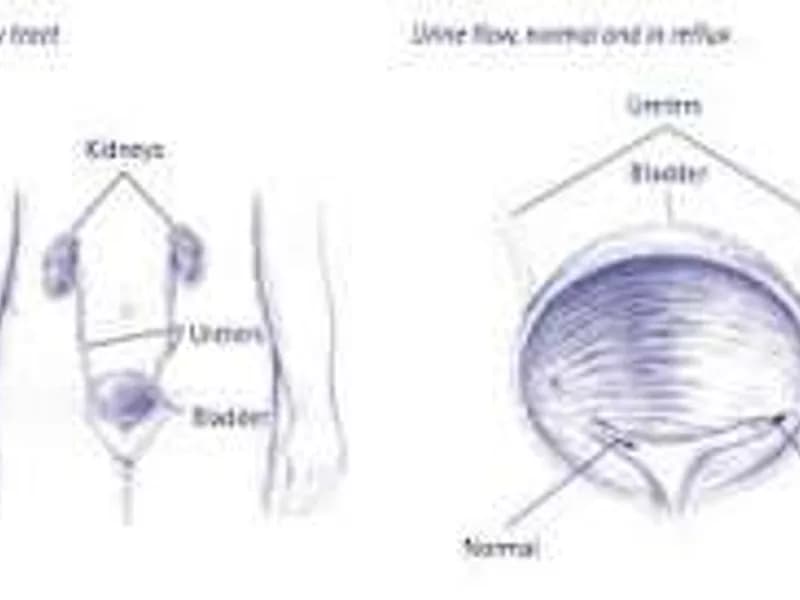
Vesicoureteral reflux, commonly known as VUR, is a condition where urine flows backward from the bladder into the ureters and sometimes up to the kidneys instead of draining out normally. While it is often diagnosed in childhood, many women in Dhanbad and the surrounding areas of Jharkhand are now being identified with VUR in adulthood, usually after repeated urinary tract infections, unexplained flank pain, or kidney scarring noticed during a routine scan. For women living with this condition, finding the right medical guidance early can make the difference between a simple corrective procedure and long-term kidney damage.
Dhanbad has steadily grown as a healthcare hub for women's urological and gynaecological care, with a number of well-qualified female general surgeons, female laparoscopic surgeons, and female urological surgeons now practising across the city's hospitals. Whether the concern is a recurring infection that won't go away, a child who has outgrown conservative management, or an adult woman experiencing reflux-related kidney issues, the city now offers access to female surgeons who understand the anatomical and emotional nuances of treating women and girls. Many patients specifically prefer consulting a female surgeon for procedures involving the urinary tract, and Dhanbad's medical community has responded to this demand with experienced professionals across multiple hospitals.
VUR typically develops because of a faulty valve mechanism where the ureter enters the bladder. In a healthy urinary system, this junction acts like a one-way valve, allowing urine to pass from the kidney to the bladder but preventing it from flowing backward. When this valve is too short, malformed, or weakened, urine can reflux upward, carrying bacteria with it and increasing the risk of kidney infections (pyelonephritis). Left untreated over years, this backward flow can cause progressive scarring of the kidney tissue, a condition known as reflux nephropathy, which may eventually contribute to high blood pressure or reduced kidney function. Common symptoms include recurrent urinary tract infections with fever, burning urination, lower back or flank pain, cloudy or foul-smelling urine, and in children, poor growth or bedwetting that persists beyond the expected age. Risk factors include a family history of VUR, congenital abnormalities of the urinary tract, and repeated untreated UTIs that damage the ureteric valve over time. Complications, if ignored, range from chronic kidney infections to permanent scarring, hypertension, and in severe cases, reduced kidney function requiring long-term monitoring.
Surgery becomes necessary when grade III, IV, or V reflux is present, when infections keep recurring despite antibiotic prophylaxis, or when imaging shows ongoing kidney damage. Ureteral reimplantation surgery corrects the underlying valve defect by repositioning the ureter into the bladder wall at a better angle and with a longer tunnel, restoring the natural one-way valve effect. The benefits of addressing this early are significant: patients who undergo timely correction generally see a dramatic drop in infection frequency, preservation of kidney function, and relief from the chronic discomfort and anxiety that comes with recurring illness. Early treatment also tends to mean a less complicated recovery, since the kidneys haven't yet sustained long-term scarring.
If you or your daughter has been dealing with repeated urinary infections or has been told by a doctor that reflux might be the cause, it helps to consult with experienced surgeons in Dhanbad who can evaluate the grade of reflux and recommend the right course of action — whether that's continued monitoring, medication, or surgical correction.
Consultation fees with the gynaecological and surgical specialists listed in this article generally range from ₹200 to ₹520, depending on the doctor's experience and the hospital. Most clinics in Dhanbad operate OPD hours from around 9:00 AM to 1:00 PM and again from 5:00 PM to 8:00 PM, though emergency consultations can usually be arranged outside these hours. The total treatment cost for ureteral reimplantation, including pre-operative tests, the surgical procedure, hospital stay, and post-operative follow-up, typically falls between ₹60,000 and ₹1,80,000 depending on whether the approach is open or minimally invasive (laparoscopic/robotic), and on the hospital's facilities. Patients researching their options often look at verified reviews from previous patients to get a sense of a hospital's hygiene standards, staff behaviour, and the surgeon's communication style — all of which matter a great deal when undergoing a procedure involving the urinary tract.
For appointments call 8877772277.
Average Ureteral Reimplantation Surgery Cost in Dhanbad
The cost of ureteral reimplantation surgery in Dhanbad varies based on the surgical technique used, the grade of reflux being corrected, whether one or both ureters need reimplantation, and the type of hospital room chosen. Below is an approximate cost breakdown to help with planning.
Procedure | Cost Range | Hospital Stay |
|---|
Open unilateral ureteral reimplantation (Cohen/Lich-Gregoir technique) | ₹65,000 – ₹95,000 | 4–6 days |
Open bilateral ureteral reimplantation | ₹1,10,000 – ₹1,50,000 | 5–7 days |
Laparoscopic ureteral reimplantation (unilateral) | ₹95,000 – ₹1,40,000 | 3–5 days |
Laparoscopic ureteral reimplantation (bilateral) | ₹1,40,000 – ₹1,80,000 | 4–6 days |
Pre-operative workup (VCUG, DMSA scan, ultrasound, blood work) | ₹6,000 – ₹15,000 | Day care |
Post-operative DJ stent removal (follow-up procedure) | ₹3,000 – ₹8,000 | Day care |
ICU care (if required for complex cases) | ₹4,000 – ₹8,000 per day | As needed |
Follow-up imaging (post-surgical VCUG/ultrasound) | ₹2,500 – ₹6,000 | Not applicable |
PMJAY Note: Patients covered under the Pradhan Mantri Jan Arogya Yojana (Ayushman Bharat) scheme may be eligible for cashless treatment of ureteral reimplantation surgery at empanelled hospitals in Dhanbad, subject to the scheme's package rates and the hospital's empanelment status. It is advisable to confirm coverage details and required documentation with the hospital's PMJAY help desk before admission.
Why Ureteral Reimplantation Surgery Is Performed
To correct moderate to severe vesicoureteral reflux (Grade III, IV, or V) that has not improved with conservative management or medication.
To stop the cycle of recurrent febrile urinary tract infections that occur due to backward urine flow carrying bacteria toward the kidneys.
To prevent further scarring of kidney tissue (reflux nephropathy) in patients who already show early signs of kidney damage on imaging.
To preserve long-term kidney function in young women who may otherwise face progressive renal impairment.
To correct an anatomically short or poorly positioned ureteric tunnel that fails to act as a proper one-way valve.
To address persistent reflux that continues despite a course of antibiotic prophylaxis over an extended period.
To manage reflux associated with congenital anomalies such as duplicated ureters or ectopic ureteric openings.
To reduce dependency on long-term antibiotic use, which can lead to antibiotic resistance over time.
To relieve chronic flank pain and discomfort associated with reflux-related kidney swelling (hydronephrosis).
To correct reflux that has persisted into adulthood and is now affecting pregnancy planning or causing complications during pregnancy.
Benefits of Ureteral Reimplantation Surgery
Significant reduction or complete elimination of recurrent urinary tract infections.
Protection of existing kidney function and prevention of further scarring.
Reduced need for long-term antibiotic prophylaxis, lowering the risk of antibiotic resistance.
Relief from chronic flank pain, pelvic discomfort, and the fatigue associated with ongoing infections.
High success rates, with most modern techniques achieving reflux correction in over 95% of cases.
Minimally invasive options (laparoscopic) offer smaller incisions, less visible scarring, and faster recovery.
Improved quality of life, especially for women who have lived with the anxiety of frequent hospital visits.
Better outcomes for future pregnancies, as untreated reflux can complicate pregnancy-related kidney health.
One-time corrective procedure rather than a lifetime of monitoring and medication.
Restoration of normal urinary flow dynamics, reducing bladder pressure-related symptoms.
Top Female Surgeons for Ureteral Reimplantation Surgery in Dhanbad
Below is a directory of experienced female doctors in Dhanbad who can be consulted for evaluation, diagnosis, and surgical management of vesicoureteral reflux and related urological conditions. Please contact the hospital directly to confirm current availability, OPD timings, and whether the specific doctor performs or refers ureteral reimplantation procedures, as surgical sub-specialisation can vary.
Dr. Neetu Kumari Singh
Qualification: MBBS, MD (Obstetrics & Gynaecology), FMAS Experience: 18 Years Consultation Fee: ₹300 Hospital: Alkari Devi Hospital Address: Bhuli, Dhanbad, Jharkhand Landmark: Near Bhuli More
Dr. Neha Bajaj
Qualification: MBBS, MD, DNB, MRCOG, FIAGE Experience: 6+ Years Consultation Fee: ₹500 Hospital: Kailash Hospital Address: Housing Colony, Bartand, Dhanbad Landmark: Near Bartand Bus Stand
Dr. Komal Singh
Qualification: MBBS, MS (Obstetrics & Gynaecology) Experience: 25 Years Consultation Fee: ₹300 Hospital: Tata Central Hospital Address: Bhaga, Dhanbad Landmark: Near Tata Hospital Campus
Dr. Isha Rani Mishra
Qualification: MBBS, MS (OBG) Experience: 11 Years Consultation Fee: ₹500 Hospital: Citizens Medical Centre Address: Bhuli, Dhanbad Landmark: Near Citizens Medical Centre
Dr. Radhika Mohan
Qualification: MBBS, MS (Obstetrics & Gynaecology) Experience: 7 Years Consultation Fee: ₹500 Hospital: Asarfi Hospital Address: Hirapur, Dhanbad Landmark: Near Asarfi Hospital Main Gate
Dr. Aparajita Sinha
Qualification: MBBS, MS (OBG) Experience: 7 Years Consultation Fee: ₹450 Hospital: Private Women's Clinic Address: Dhanbad City Landmark: Near City Centre
Dr. Rina Kumari
Qualification: MBBS, DGO Experience: 19 Years Consultation Fee: ₹200 Hospital: Savitri Surgicare & Maternity Centre Address: Dhanbad Landmark: Near Bank More
Dr. Sweta
Qualification: MBBS, DGO, DNB Experience: 10+ Years Consultation Fee: ₹500 Hospital: Asian Dwarkadas Jalan Hospital Address: Saraidhela, Dhanbad Landmark: Near ADJ Hospital
Dr. Diksha Mani
Qualification: MBBS, DNB Obstetrics & Gynaecology Experience: 10+ Years Consultation Fee: ₹520 Hospital: Asarfi Hospital Address: Hirapur, Dhanbad Landmark: Near Asarfi Hospital
Dr. Archana Kumari
Qualification: MBBS, MS (Obstetrics & Gynaecology) Experience: 13+ Years Consultation Fee: ₹500 Hospital: Sparsh Clinic Address: Dhanbad Landmark: Near Central Dhanbad
📅 To book an appointment with any of the above specialists, call the hospital reception directly or use the contact numbers listed on their hospital's official page. 🚨 Emergency: 8877772277
For patients seeking surgery options in Dhanbad beyond ureteral reimplantation — including related procedures for kidney stones, bladder repair, or other urological conditions — it helps to discuss the full range of available surgical care with your consulting doctor so that any related issues can be addressed during the same evaluation.
Recovery After Ureteral Reimplantation Surgery
Recovery from ureteral reimplantation surgery depends on whether the procedure was performed through an open incision or laparoscopically, but most patients can expect a structured recovery timeline over the following weeks.
Immediate Post-Operative Period (Days 1–3): Patients typically stay in the hospital for observation. A urinary catheter and sometimes a ureteric stent (DJ stent) are placed to allow the surgical site to heal without urine flow putting pressure on the new ureteric tunnel. Pain is managed with prescribed medication, and intravenous fluids are given until the patient can eat and drink normally. Mild blood-tinged urine in the first day or two is common and usually resolves on its own.
Early Recovery (Days 4–14): The urinary catheter is usually removed before discharge or within a few days after, depending on the surgeon's assessment of healing. Patients are advised to rest at home, avoid lifting anything heavy, and gradually increase mobility with short walks to prevent blood clots and encourage circulation. Mild discomfort during urination, slight urgency, or occasional spasms are normal during this period and typically improve week by week.
Diet: A light, easily digestible diet is recommended for the first few days — soups, khichdi, boiled vegetables, and plenty of fluids to keep the urinary tract flushed and reduce infection risk. Once normal bowel movements resume, patients can gradually return to a regular diet. It's advisable to limit caffeine, carbonated drinks, and excessive salt during the healing phase, as these can irritate the bladder lining.
Restrictions: For the first 4–6 weeks, patients should avoid heavy lifting, strenuous exercise, swimming, and sexual activity until cleared by the surgeon. Driving should be avoided until pain medication is no longer needed and the patient feels confident in their range of motion. Most women can return to light desk-based work within 2–3 weeks, while more physically demanding jobs may require 4–6 weeks off.
Follow-up: A follow-up visit is usually scheduled around 2 weeks after surgery to check the incision and overall healing. If a DJ stent was placed, a separate day-care procedure is scheduled (typically 4–6 weeks post-surgery) to remove it under brief sedation. A follow-up ultrasound or VCUG (voiding cystourethrogram) is often performed around 3 months post-surgery to confirm that reflux has been corrected and that urine is flowing normally without backflow.
Warning Signs to Watch For: Patients should contact their surgeon promptly if they experience high fever, severe or worsening flank pain, heavy or persistent blood in the urine, inability to urinate, foul-smelling discharge from the incision site, or signs of wound infection such as redness, swelling, or pus. Any of these symptoms could indicate a complication that needs prompt medical attention rather than waiting for the scheduled follow-up.
Overall, most women return to their normal daily routine within 4–6 weeks, with full internal healing of the ureteric tunnel taking up to 2–3 months. The long-term outlook after successful reimplantation is excellent, with the majority of patients experiencing no further episodes of reflux-related infections.
Risks and Complications
Urinary tract infection at the surgical site or bladder during the healing period.
Temporary urinary retention requiring prolonged catheter use.
Persistent or recurrent reflux in a small percentage of cases, sometimes requiring a repeat procedure.
Ureteral obstruction at the new implantation site due to swelling or scar tissue (stricture).
Bleeding during or after surgery requiring transfusion in rare cases.
Bladder spasms and discomfort during the early recovery period.
Risk of injury to nearby structures such as the bowel or blood vessels during laparoscopic access.
Anaesthesia-related risks, which are generally low but assessed individually before surgery.
Wound infection or delayed healing at the incision site.
Need for a secondary procedure to remove a ureteric stent, which carries its own minor risks of discomfort.
❓ Frequently Asked Questions – Female Ureteral Reimplantation Surgery in Dhanbad
1. What is vesicoureteral reflux (VUR) and why does it need surgery? VUR is a condition where urine flows backward from the bladder toward the kidneys instead of draining out normally. This happens because the valve-like mechanism where the ureter meets the bladder doesn't close properly. While mild cases (Grade I–II) often improve with monitoring and medication, moderate to severe cases (Grade III–V) usually need surgical correction to prevent recurrent infections and long-term kidney damage. Ureteral reimplantation repositions the ureter to restore proper valve function, offering a long-term solution rather than ongoing management with antibiotics.
2. How do I know if I need ureteral reimplantation surgery? Your doctor will usually recommend imaging tests such as a voiding cystourethrogram (VCUG), renal ultrasound, and sometimes a DMSA scan to assess the grade of reflux and check for kidney scarring. If you have frequent urinary infections, visible kidney swelling, or evidence of ongoing kidney damage despite medication, surgery is often advised. Consulting with specialist doctors in Dhanbad can help you understand your specific grade of reflux and whether surgery is the right next step for your situation.
3. Is ureteral reimplantation surgery painful? The surgery itself is performed under general anaesthesia, so you won't feel pain during the procedure. After surgery, some discomfort, bladder spasms, and mild pain during urination are common, but these are well managed with prescribed pain medication. Most patients describe the post-operative discomfort as manageable and significantly improving within the first week.
4. How long does the surgery take? Depending on whether one or both ureters need correction and whether the approach is open or laparoscopic, the surgery typically takes between 1.5 to 3 hours. Bilateral reimplantation or more complex anatomical cases may take slightly longer.
5. What is the difference between open and laparoscopic ureteral reimplantation? Open surgery involves a single incision in the lower abdomen and has been used successfully for decades with very high success rates. Laparoscopic surgery uses small incisions and a camera-guided approach, generally resulting in less visible scarring, reduced post-operative pain, and a shorter hospital stay, though it requires specialised expertise and equipment. Your surgeon will recommend the most suitable approach based on your anatomy and the hospital's available facilities.
6. Will I need a stent after surgery? Many surgeons place a temporary ureteric stent (DJ stent) during the procedure to support healing of the new ureteric tunnel. This stent is usually removed in a quick day-care procedure 4–6 weeks after the main surgery. Not all cases require a stent — your surgeon will decide based on the specific technique used and the condition of your ureter during surgery.
7. How long is the hospital stay? Most patients stay in the hospital for 3–7 days depending on the surgical approach, with laparoscopic procedures generally allowing for a shorter stay than open surgery. Your surgeon will monitor your urine output, pain levels, and overall recovery before clearing you for discharge.
8. When can I return to work after surgery? For desk-based or low-activity jobs, most women can return within 2–3 weeks. If your work involves physical labour, heavy lifting, or prolonged standing, your surgeon may recommend waiting 4–6 weeks to allow complete internal healing.
9. Can VUR come back after surgery? Ureteral reimplantation has a high success rate, generally above 95%, in correcting reflux permanently. However, in a small number of cases, reflux can recur, particularly if there were anatomical complexities. Follow-up imaging around 3 months after surgery helps confirm that the correction has been successful.
10. Is this surgery safe during pregnancy or for women planning pregnancy? Ureteral reimplantation is generally performed before pregnancy is planned, as untreated VUR can complicate pregnancy due to increased risk of kidney infections. If you are planning a pregnancy and have a history of recurrent UTIs or known reflux, it's advisable to get evaluated and treated beforehand. Women who have already undergone successful reimplantation generally have uncomplicated pregnancies with respect to their urinary tract.
11. What tests are done before the surgery? Pre-operative evaluation typically includes blood tests, urine culture, kidney function tests, a renal ultrasound, a VCUG to confirm the grade and side of reflux, and sometimes a DMSA scan to assess kidney scarring. An ECG and anaesthesia fitness assessment are also standard before any major procedure.
12. Are there non-surgical alternatives? For mild reflux (Grade I–II), many doctors recommend a period of watchful waiting with low-dose antibiotic prophylaxis, since some cases resolve on their own as a child or young woman grows. However, for moderate to severe reflux, or when infections continue despite medication, surgery offers a more definitive solution than indefinite antibiotic use.
13. Will there be a visible scar after surgery? Open surgery leaves a small horizontal scar in the lower abdomen, usually a few centimetres long, which fades significantly over time. Laparoscopic surgery leaves only a few small puncture-mark scars, which are typically barely noticeable after healing.
14. How soon will I notice improvement in my symptoms after surgery? Most patients notice a significant reduction in urinary infections within the first few months after surgery, once the surgical site has fully healed and the new ureteric tunnel is functioning properly. Full benefits, including confirmation that reflux has been corrected, are usually assessed at the 3-month follow-up imaging.
15. How do I choose the right surgeon for this procedure in Dhanbad? Look for a surgeon with relevant experience in urological or reconstructive procedures, check the hospital's facilities for post-operative care, and don't hesitate to ask questions about their experience with similar cases during your consultation. Many women also prefer discussing this procedure with a female doctor for comfort, and Dhanbad has several experienced female specialists available for consultation.
Cost Summary
Open unilateral ureteral reimplantation typically costs between ₹65,000 and ₹95,000.
Bilateral procedures cost significantly more, generally ₹1,10,000 to ₹1,80,000 depending on the approach.
Laparoscopic procedures tend to cost more than open surgery due to specialised equipment but offer faster recovery.
Pre-operative diagnostic workup (VCUG, ultrasound, DMSA scan, blood work) adds approximately ₹6,000 to ₹15,000 to the total cost.
DJ stent removal, if required, is a separate day-care charge of roughly ₹3,000 to ₹8,000.
Hospital stay duration significantly affects the final bill, with longer stays for open surgery or complex cases increasing room charges.
PMJAY/Ayushman Bharat beneficiaries should check with empanelled hospitals for cashless treatment options.
Always request a detailed cost estimate covering surgeon's fee, anaesthesia, OT charges, room rent, medicines, and follow-up visits before scheduling surgery.
Conditions Treated by Ureteral Reimplantation Surgery in Dhanbad
• Vesicoureteral Reflux (VUR)
The primary condition addressed by this surgery, VUR involves the backward flow of urine from the bladder into the ureters and kidneys due to a faulty valve mechanism. Reimplantation corrects this by recreating a proper one-way valve, preventing further reflux and protecting kidney health over the long term.
• Recurrent Urinary Tract Infections (UTIs)
Women experiencing repeated UTIs despite proper hygiene and antibiotic courses often have an underlying anatomical cause such as reflux. By correcting the reflux, the frequency of these infections drops dramatically, reducing the need for ongoing antibiotic use and the associated risk of resistance.
• Reflux Nephropathy
This refers to kidney scarring that develops as a result of long-standing, untreated reflux. While reimplantation cannot reverse existing scarring, it halts further damage by stopping the backward flow of urine, helping preserve remaining kidney function.
• Megaureter (Dilated Ureter)
In some cases, the ureter becomes abnormally widened due to chronic reflux or obstruction. Surgical reimplantation can include tapering of the ureter alongside repositioning, restoring more normal urine flow dynamics.
• Ureterocele with Reflux
A ureterocele is a balloon-like swelling at the lower end of the ureter where it enters the bladder, which can be associated with reflux into the affected or an adjacent ureter. Surgical correction often involves reimplantation alongside removal or correction of the ureterocele.
• Duplicated Collecting System with Reflux
Some women are born with two ureters draining a single kidney, a condition that can predispose to reflux in one or both ureters. Reimplantation techniques can be adapted to correct reflux in duplicated systems while preserving normal drainage.
• Post-Surgical Reflux
In rare cases, reflux can develop or persist after other pelvic or urological surgeries due to changes in anatomy. Reimplantation can correct this secondary reflux and restore normal urinary function.
• Hydronephrosis Due to Reflux
Chronic reflux can cause the kidney's collecting system to swell due to back-pressure from refluxing urine, a condition known as hydronephrosis. Correcting the reflux through reimplantation helps the swelling resolve over time and prevents further kidney strain.
• Ectopic Ureter with Reflux
An ectopic ureter is one that doesn't drain into its normal position in the bladder, sometimes causing both reflux and incontinence-like symptoms. Surgical reimplantation repositions the ureter into the correct location on the bladder wall, addressing both issues.
• Persistent Reflux After Failed Endoscopic Treatment
Some patients initially try a minimally invasive injection-based treatment (such as Deflux) for reflux, which may not be fully successful in all cases. When reflux persists or recurs after such treatments, ureteral reimplantation offers a more definitive surgical correction.
Why Choose a Female Surgeon in Dhanbad
For many women, the decision to consult a female surgeon for a urological procedure like ureteral reimplantation comes down to comfort, communication, and trust. Procedures involving the urinary and reproductive tract can feel deeply personal, and many patients find it easier to discuss symptoms, ask questions, and express concerns with a doctor who can relate to their experience on a personal level. Female surgeons in Dhanbad often bring not only strong clinical training but also an approach to patient care that emphasises clear explanations, patience during consultations, and sensitivity around examinations that can otherwise feel intimidating.
Beyond comfort, many female specialists in Dhanbad have built their practices around comprehensive women's health — meaning they're often well-positioned to consider how a urological condition like VUR might intersect with other aspects of a woman's health, including menstrual health, pregnancy planning, and general gynaecological wellbeing. This holistic perspective can be particularly valuable for younger women who may have questions about how a urological surgery could affect future pregnancies, or for women managing reflux alongside other gynaecological concerns.
Dhanbad's female doctors span a wide range of experience levels, from specialists with 25 years of practice to younger doctors bringing newer surgical techniques and fellowship training into their work. This diversity means patients can choose a doctor whose communication style and clinical approach feels right for them, while still receiving care grounded in established medical protocols. Many of these doctors are affiliated with well-known hospitals across the city — from Tata Central Hospital and Asarfi Hospital to smaller, more personalised clinics — giving patients flexibility in choosing a setting that suits their comfort level, whether that's a large multi-specialty hospital or a smaller, more intimate clinic environment.
Ultimately, the choice of surgeon should be based on a combination of factors: relevant clinical experience, the hospital's facilities for the specific procedure, logistical convenience, and personal comfort during consultations. Taking the time to have an initial consultation, ask questions about the surgeon's experience with similar cases, and understand the proposed treatment plan can go a long way toward making the overall surgical journey feel less daunting.
Conclusion
Vesicoureteral reflux, while often overlooked or misunderstood, is a condition that can have serious long-term consequences for kidney health if left unaddressed — but it is also highly treatable with the right surgical care. Ureteral reimplantation surgery has a long track record of success, offering women in Dhanbad a reliable path away from the cycle of recurrent infections, discomfort, and worry about kidney damage.
If you've been dealing with repeated urinary infections, unexplained flank pain, or have been told during a scan that reflux might be present, the most important step is getting a proper evaluation. Imaging tests can clarify the grade of reflux and help your doctor determine whether monitoring, medication, or surgical correction is the right path for you. For many women, especially those with moderate to severe reflux or ongoing infections despite treatment, surgery offers a one-time solution that restores normal urinary function and protects the kidneys for the long term.
Dhanbad's growing network of experienced female doctors means that women no longer need to travel to larger cities for specialised evaluation and access to surgical procedures in Dhanbad for conditions like VUR. With consultation fees that remain accessible and a range of hospitals offering both open and minimally invasive surgical options, getting started on the path to treatment is more straightforward than many women realise. Don't let recurring infections become "just something you live with" — a proper evaluation could be the first step toward lasting relief.
📞 For appointments call 8877772277.