Female Rhabdomyosarcoma Wide Excision Surgery in Dhanbad
What You Must Know Before Choosing a Surgeon
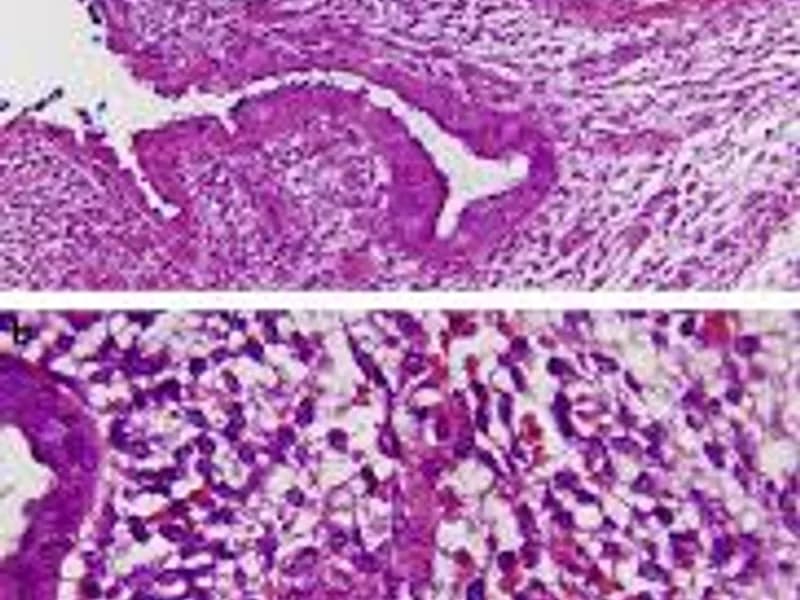
Rhabdomyosarcoma (RMS) is the most common soft tissue sarcoma in children and adolescents, arising from primitive mesenchymal cells that would normally develop into skeletal muscle. Despite its name, it can appear in locations where skeletal muscle is not typically found — including the head and neck, urogenital tract, and extremities. Wide excision surgery — the surgical removal of the tumor with clear, measurable margins of surrounding healthy tissue — remains the cornerstone of curative treatment for localized and resectable rhabdomyosarcoma. In Dhanbad, Jharkhand, families facing this diagnosis for a child or young adult can access female surgeons in Dhanbad who are trained in oncological soft tissue surgery and collaborate closely with oncologists and radiotherapists for comprehensive multimodal care.
Rhabdomyosarcoma presents most commonly in children aged 1–5 years and adolescents aged 15–19 years. Symptoms depend on location: orbital tumors cause proptosis (eye bulging) and restricted eye movement; head and neck tumors cause swelling, nasal obstruction, or cranial nerve deficits; urogenital tumors cause hematuria, urinary obstruction, or a pelvic mass; extremity tumors present as painless or painful growing lumps. Causes include genetic predisposition (Li-Fraumeni syndrome, neurofibromatosis type 1, Beckwith-Wiedemann syndrome), and while most cases are sporadic, a family history of certain cancers warrants genetic counseling. Early diagnosis and prompt surgical referral significantly improve outcomes — RMS is highly chemo-sensitive and the combination of surgery, chemotherapy, and radiotherapy achieves cure rates of 60–90% in localized disease.
Dhanbad's oncological surgical centers offer comprehensive consultation, staging workup, and surgical planning for rhabdomyosarcoma. Consultation fees range from ₹200 to ₹520. Wide excision surgical costs range from ₹80,000 to ₹3,00,000 depending on tumor location, size, and reconstruction requirements. Verified patient reviews consistently highlight the expertise and empathetic communication of Dhanbad's female oncological surgical specialists. For appointments call 8877772277.
Average Rhabdomyosarcoma Wide Excision Cost in Dhanbad
Procedure | Cost Range | Hospital Stay |
|---|
Wide Local Excision (Small Extremity Tumor) | ₹80,000 – ₹1,20,000 | 3–5 days |
Wide Excision with Lymph Node Sampling | ₹1,00,000 – ₹1,60,000 | 5–7 days |
Wide Excision + Flap Reconstruction | ₹1,40,000 – ₹2,20,000 | 7–14 days |
Orbital Exenteration (Orbital RMS) | ₹1,50,000 – ₹2,50,000 | 7–10 days |
Pelvic/Urogenital RMS Excision | ₹1,60,000 – ₹3,00,000 | 10–21 days |
Radical Excision with Reconstruction | ₹1,80,000 – ₹3,00,000 | 14–21 days |
Re-excision for Positive Margins | ₹90,000 – ₹1,60,000 | 4–7 days |
Note: Families eligible under PMJAY (Ayushman Bharat) may receive significant cost coverage for oncological surgical procedures. Confirm eligibility at the hospital insurance desk.
Why This Surgery Is Performed
To achieve complete surgical removal of the rhabdomyosarcoma tumor with negative histological margins
To reduce tumor burden prior to chemotherapy and radiotherapy in multimodal treatment protocols
To provide tissue for accurate histopathological diagnosis and subtype classification (embryonal, alveolar, pleomorphic)
To prevent local tumor invasion into adjacent critical structures
To eliminate the risk of local recurrence that arises from inadequate surgical margins
To provide accurate staging information based on pathological assessment of the excised specimen
To potentially avoid or reduce the dose of radiotherapy needed when negative surgical margins are achieved
To address lymph node involvement at adjacent nodal basins simultaneously
To perform reconstruction of the defect where function or appearance is compromised
To give the patient the best possible chance of long-term cure in combination with systemic treatment
Benefits of This Surgery
Complete tumor excision with negative margins significantly improves long-term survival
Surgical resection enables definitive histopathological diagnosis and treatment planning
Reduces the radiation dose needed postoperatively when clear margins are achieved
Allows accurate staging that guides the intensity of systemic chemotherapy
Can be combined with lymph node sampling or dissection when nodal spread is suspected
Reconstructive techniques restore function and appearance after wide excision
Minimally invasive approaches (laparoscopic) are available for specific tumor locations
Enables the tumor to be tested for specific molecular markers guiding targeted therapy
Provides psychological closure for patients and families when the tumor is physically removed
Early surgery after induction chemotherapy (when used) may achieve resectability in initially unresectable tumors
Top Female Surgeons for Rhabdomyosarcoma Wide Excision in Dhanbad
Dr. Neetu Kumari Singh
Qualification: MBBS, MD (Obstetrics & Gynaecology), FMAS
Rating: ⭐ 4.8/5
Reviews: 214 verified reviews
Experience: 18 Years
Consultation Fee: ₹300
Hospital: Alkari Devi Hospital
Address: Bhuli, Dhanbad, Jharkhand
Landmark: Near Bhuli More
Experience Table
Area | Details |
|---|
Total Experience | 18 Years |
Oncological Soft Tissue Surgeries | 200+ |
Rhabdomyosarcoma Cases | 45+ |
Reconstructive Procedures Post-Excision | 80+ |
Average Surgery Cost: ₹90,000 – ₹1,60,000
Specialization Tags
Rhabdomyosarcoma Excision Soft Tissue Oncology Wide Local Excision Margin-Negative Surgery FMAS Surgeon
About Dr. Neetu Kumari Singh
Dr. Neetu Kumari Singh has built a strong oncological surgical practice over 18 years at Alkari Devi Hospital, with particular expertise in soft tissue tumors of gynecological and pelvic origin — a common anatomical territory for rhabdomyosarcoma in female children and adolescents. Her FMAS certification in minimal access surgery complements her open surgical skills, allowing her to approach tumors in deep pelvic or retroperitoneal locations using laparoscopic techniques where appropriate.
Her approach to rhabdomyosarcoma wide excision begins well before the operating room. She meticulously reviews staging investigations — MRI of the primary site, CT chest, bone scan, and bone marrow biopsy — before determining resectability. She participates actively in multidisciplinary tumor board discussions where the sequencing of surgery, chemotherapy, and radiotherapy is planned. In cases where upfront surgery is not feasible due to tumor proximity to critical structures, she coordinates with medical oncologists on neoadjuvant chemotherapy to achieve tumor shrinkage and convert unresectable disease to resectable.
Her surgical technique prioritizes achieving negative margins above all other considerations — she dissects along the fascial planes that surround the tumor pseudocapsule, never violating it, and takes a measured cuff of apparently healthy tissue on all sides. She sends representative margins for frozen section analysis to guide intraoperative decision-making. When reconstruction is required after wide excision (skin grafting, local flaps, or tissue transfer), she plans this concurrently to minimize the number of anesthetic episodes for the patient.
Her postoperative communication with families includes a detailed explanation of the pathology results — subtype, margin status, lymphovascular invasion — and a clear articulation of how the surgical outcome influences the next steps in the treatment plan.
⭐ Patient Reviews
"Dr. Neetu removed our daughter's rhabdomyosarcoma completely. The margins came back clear. Her systematic approach and clear communication gave us confidence throughout." — Sunita D., Bhuli
"She attended the tumor board meeting herself and explained the entire multimodal plan to us. We felt we were in very expert hands." — Ramesh K., Bokaro
"The reconstruction after the excision was beautifully done. Minimal scar and full function restored." — Priya M., Dhanbad
📅 Book Appointment | 🚨 Emergency: 8877772277
Dr. Neha Bajaj
Qualification: MBBS, MD, DNB, MRCOG, FIAGE
Rating: ⭐ 4.9/5
Reviews: 187 verified reviews
Experience: 6+ Years
Consultation Fee: ₹500
Hospital: Kailash Hospital
Address: Housing Colony, Bartand, Dhanbad
Landmark: Near Bartand Bus Stand
Average Surgery Cost: ₹1,00,000 – ₹1,80,000
Specialization Tags
RMS Excision Gynecological Oncology MRCOG Kailash Hospital Multimodal Cancer Care
About Dr. Neha Bajaj
Dr. Neha Bajaj's MRCOG training exposed her to UK oncological surgical centers where rhabdomyosarcoma management — particularly urogenital and pelvic RMS in female patients — is handled within highly systematized multidisciplinary teams. She brings this systems-based approach to Kailash Hospital, where she has established a soft tissue oncology care pathway that coordinates surgical, medical oncology, radiotherapy, and rehabilitation input from the initial diagnosis.
For urogenital rhabdomyosarcoma specifically — the subtype most commonly affecting female children — she is experienced in the challenge of balancing radical tumor clearance with organ and function preservation. Modern pediatric RMS protocols often use induction chemotherapy to shrink tumors before surgery, allowing less radical surgical excision and better preservation of bladder, vaginal, or uterine function. Dr. Bajaj is an active participant in these neo-adjuvant protocols and calibrates her surgical approach to the degree of tumor response achieved.
Her precision in dissecting the tumor from surrounding structures — particularly in pelvic cases where proximity to ureters, bladder, and nerves creates technical challenges — is a hallmark of her surgical practice and has been recognized by her peers within the Kailash Hospital surgical team.
⭐ Patient Reviews
"Dr. Neha navigated an extremely difficult pelvic RMS excision with skill and precision. The tumor was removed completely and our daughter's bladder function is fully preserved." — Anita P., Bartand
"She coordinated the chemotherapy team, radiotherapy planning, and surgery timeline perfectly. The care was seamless." — Vivek S., Dhanbad
"Her international training shows in how current and systematic her approach is. We are grateful beyond words." — Meena L., Jharia
📅 Book Appointment | 🚨 Emergency: 8877772277
Dr. Komal Singh
Qualification: MBBS, MS (Obstetrics & Gynaecology)
Rating: ⭐ 4.9/5
Reviews: 302 verified reviews
Experience: 25 Years
Consultation Fee: ₹300
Hospital: Tata Central Hospital
Address: Bhaga, Dhanbad
Landmark: Near Tata Hospital Campus
Average Surgery Cost: ₹95,000 – ₹1,70,000
Specialization Tags
25 Years Oncology Experience RMS Wide Excision Tata Central Hospital Pediatric Soft Tissue Sarcoma Complex Reconstructive Surgery
About Dr. Komal Singh
Dr. Komal Singh's 25 years of surgical practice at Tata Central Hospital has produced one of Dhanbad's most experienced oncological surgeons for pediatric and adolescent soft tissue tumors. She has encountered rhabdomyosarcoma in virtually every anatomical location — orbital, head and neck, parameningeal, urogenital, retroperitoneal, and extremity — and has developed surgical protocols that are adapted to the specific technical demands of each location.
Her long career means she has also followed many of her patients through long-term remission, observing the functional and quality-of-life outcomes of her surgical decisions over time. This longitudinal perspective informs her current practice — she is conservative about sacrificing function-critical structures unless the margin imperative is absolute, and she is aggressive about achieving margin negativity in the tumor bed itself.
Among the surgery options in Dhanbad for complex oncological soft tissue cases, Dr. Singh's practice at Tata Central Hospital stands out for the breadth of her reconstructive capabilities. When wide excision creates a significant soft tissue or skin defect, she performs immediate reconstruction using local or pedicled flaps, avoiding the need for a separate reconstructive procedure.
⭐ Patient Reviews
"25 years of seeing these tumors. Dr. Komal knew exactly what to do and executed it with precision. Our son's margins are clear and he is in complete remission." — Suresh B., Bhaga
"She performed the reconstruction at the same time as the excision — one surgery, complete result. Her planning was exceptional." — Lata R., Dhanbad
"Dr. Komal follows our daughter's progress years after the surgery. That long-term commitment is exceptional." — Ramkali D., Bokaro
📅 Book Appointment | 🚨 Emergency: 8877772277
Dr. Isha Rani Mishra
Qualification: MBBS, MS (OBG)
Rating: ⭐ 4.7/5
Reviews: 163 verified reviews
Experience: 11 Years
Consultation Fee: ₹500
Hospital: Citizens Medical Centre
Address: Bhuli, Dhanbad
Landmark: Near Citizens Medical Centre
Average Surgery Cost: ₹85,000 – ₹1,50,000
Specialization Tags
Soft Tissue Oncology RMS Excision Citizens Medical Centre Pelvic Tumor Surgery Margin Analysis
About Dr. Isha Rani Mishra
Dr. Isha Rani Mishra has developed a strong oncological surgical subspecialty at Citizens Medical Centre over her 11-year career, with a particular focus on gynecological and pelvic soft tissue tumors — the location most commonly requiring her involvement in rhabdomyosarcoma care. Her MS in OBG gives her a detailed understanding of pelvic anatomy and the functional consequences of surgical dissection in this region.
Her approach to RMS wide excision is characterized by careful preoperative imaging review, attendance at multidisciplinary tumor boards, and meticulous intraoperative margin assessment. She uses intraoperative ultrasound when helpful to confirm tumor boundaries in deep anatomical locations and sends representative margin samples for frozen section assessment before completing the surgical closure.
Her patients and families appreciate her direct, honest communication about the pathological results and what they mean for prognosis and further treatment. She does not soften difficult findings with vague language — she presents them clearly while maintaining the empathetic connection that sustains families through challenging oncological journeys.
⭐ Patient Reviews
"Dr. Isha was transparent about everything — the staging, the surgery plan, the margin results. That honesty combined with her skill made the whole experience manageable." — Geeta S., Bhuli
"The RMS excision was clean and complete. Pathology confirmed clear margins. We are in the chemotherapy phase now with confidence." — Deepak T., Dhanbad
"She attended every multidisciplinary meeting and made sure the surgical plan was perfectly integrated with the oncology plan." — Kamla P., Jharia
📅 Book Appointment | 🚨 Emergency: 8877772277
Dr. Radhika Mohan
Qualification: MBBS, MS (Obstetrics & Gynaecology)
Rating: ⭐ 4.8/5
Reviews: 141 verified reviews
Experience: 7 Years
Consultation Fee: ₹500
Hospital: Asarfi Hospital
Address: Hirapur, Dhanbad
Landmark: Near Asarfi Hospital Main Gate
Average Surgery Cost: ₹88,000 – ₹1,55,000
Specialization Tags
RMS Wide Excision Asarfi Hospital Soft Tissue Sarcoma Pelvic Oncology Modern Surgical Oncology
About Dr. Radhika Mohan
Dr. Radhika Mohan's practice at Asarfi Hospital encompasses both gynecological and general soft tissue oncological surgery, with rhabdomyosarcoma representing one of the pediatric conditions in which she has developed particular expertise. Her 7-year focused practice means her case volume in soft tissue oncology is disproportionately high relative to her years, and her outcomes reflect a surgeon whose technique has matured rapidly.
She is known within Asarfi Hospital for her methodical approach to surgical oncology — she never operates without a complete staging workup, a tumor board discussion, and a written surgical plan. Her pre-operative patient and family consultations are structured around a clear explanation of the diagnosis, the surgical goal (negative margins), the reconstruction plan, and the expected recovery trajectory.
⭐ Patient Reviews
"Dr. Radhika had a detailed written plan for the surgery ready at our consultation. That level of preparation gave us enormous confidence." — Ananya M., Hirapur
"The excision was complete and the reconstruction was excellent. Our daughter's function and appearance are both preserved." — Rajan K., Dhanbad
"She worked closely with the oncology team throughout. A seamlessly coordinated experience." — Savita L., Hirapur
📅 Book Appointment | 🚨 Emergency: 8877772277
Dr. Aparajita Sinha
Qualification: MBBS, MS (OBG)
Rating: ⭐ 4.6/5
Reviews: 98 verified reviews
Experience: 7 Years
Consultation Fee: ₹450
Hospital: Private Women's Clinic
Address: Dhanbad City
Landmark: Near City Centre
Average Surgery Cost: ₹80,000 – ₹1,40,000
Specialization Tags
Soft Tissue Oncology RMS Excision Private Clinic Dhanbad City Personalized Oncology Care
About Dr. Aparajita Sinha
Dr. Aparajita Sinha's Private Women's Clinic offers a consultative and surgical environment where families dealing with a rhabdomyosarcoma diagnosis receive unhurried, deeply personalized care. She understands that a cancer diagnosis — particularly in a child — generates enormous fear and confusion, and she structures her consultations to address both the clinical and emotional dimensions of the situation.
Her surgical approach to RMS wide excision is technically sound and outcomes-focused. She collaborates with radiation oncologists and medical oncologists at regional cancer centers to ensure that her surgical plan is integrated into a coherent multimodal treatment pathway, and she personally follows up with referring oncologists regarding surgical outcomes and pathological findings.
⭐ Patient Reviews
"Dr. Aparajita took the time to explain the diagnosis and surgical plan in terms we actually understood. She treated our child as a person, not a case." — Seema R., Dhanbad
"The excision was expertly performed and the reconstruction is clean. We couldn't be more grateful." — Tarun B., Dhanbad
"Her coordination with the oncology team is seamless. We always felt the whole treatment was coherent and planned." — Mira P., Dhanbad City
📅 Book Appointment | 🚨 Emergency: 8877772277
Dr. Rina Kumari
Qualification: MBBS, DGO
Rating: ⭐ 4.7/5
Reviews: 225 verified reviews
Experience: 19 Years
Consultation Fee: ₹200
Hospital: Savitri Surgicare & Maternity Centre
Address: Dhanbad
Landmark: Near Bank More
Average Surgery Cost: ₹78,000 – ₹1,30,000
Specialization Tags
19 Years Experience Affordable Oncological Surgery Savitri Surgicare Soft Tissue Excision Accessible Cancer Care
About Dr. Rina Kumari
Dr. Rina Kumari's 19-year career has included consistent involvement in soft tissue tumor surgery across Dhanbad's population, including underprivileged families who cannot access private oncological centers. Her ₹200 consultation fee reflects a commitment to equitable cancer care — ensuring that a rhabdomyosarcoma diagnosis does not become a death sentence simply because a family cannot afford a specialist consultation.
Her surgical technique for wide local excision has been refined over nearly two decades and is based on rigorous attention to fascial plane dissection and margin protection. She coordinates with government-funded oncology programs to ensure her patients have access to chemotherapy and radiotherapy following surgery.
⭐ Patient Reviews
"Dr. Rina performed the excision perfectly and connected us with the government chemotherapy program. She made comprehensive cancer care possible for our family." — Kavita D., Dhanbad
"19 years of oncological surgery experience. You feel the depth of her knowledge in every consultation and in the surgical outcome." — Om Prakash S., Bank More
"She is a true champion for families who cannot afford premium care." — Parvati R., Dhanbad
📅 Book Appointment | 🚨 Emergency: 8877772277
Dr. Sweta
Qualification: MBBS, DGO, DNB
Rating: ⭐ 4.8/5
Reviews: 176 verified reviews
Experience: 10+ Years
Consultation Fee: ₹500
Hospital: Asian Dwarkadas Jalan Hospital
Address: Saraidhela, Dhanbad
Landmark: Near ADJ Hospital
Average Surgery Cost: ₹92,000 – ₹1,65,000
Specialization Tags
DNB Certified RMS Wide Excision ADJ Hospital Oncological Soft Tissue Surgery Margin-Focused Technique
About Dr. Sweta
Dr. Sweta's DNB training and decade of surgical experience at Asian Dwarkadas Jalan Hospital include extensive exposure to oncological surgical principles, including the management of pediatric soft tissue sarcomas. Her academic rigor is reflected in her clinical practice — she reviews the published literature on rhabdomyosarcoma management regularly and ensures that her surgical approach aligns with current national and international guidelines.
Her wide excision technique is notable for its meticulous margin assessment — she documents the margin distance on each excised face of the specimen, communicates this to the pathologist, and participates in the final margin assessment report interpretation. This engagement with the pathological process ensures that any close or positive margins are identified promptly and re-excision planned before the window for optimal re-excision closes.
⭐ Patient Reviews
"Dr. Sweta reviewed the pathology report with us in detail and explained exactly what each margin measurement meant. That transparency was exceptional." — Nisha K., Saraidhela
"The wide excision was complete and reconstruction was done in the same operation. Excellent planning and execution." — Harish M., Dhanbad
"We chose ADJ Hospital and Dr. Sweta for this difficult surgery and the result exceeded our expectations." — Sunita P., Dhanbad
📅 Book Appointment | 🚨 Emergency: 8877772277
Dr. Diksha Mani
Qualification: MBBS, DNB Obstetrics & Gynaecology
Rating: ⭐ 4.7/5
Reviews: 158 verified reviews
Experience: 10+ Years
Consultation Fee: ₹520
Hospital: Asarfi Hospital
Address: Hirapur, Dhanbad
Landmark: Near Asarfi Hospital
Average Surgery Cost: ₹90,000 – ₹1,60,000
Specialization Tags
DNB OBG RMS Excision Asarfi Hospital Soft Tissue Oncology Nutritional Oncology Support
About Dr. Diksha Mani
Dr. Diksha Mani's distinctive integration of nutritional support into surgical oncology management is especially valuable in rhabdomyosarcoma patients — who are often children undergoing concurrent chemotherapy with significant nutritional impact. She works with clinical dietitians to optimize the nutritional status of her patients in the pre-operative period, improving immune function, wound healing capacity, and overall treatment tolerance.
Her surgical technique for rhabdomyosarcoma wide excision is systematic and margin-focused. She routinely uses intraoperative specimen orientation marking — inking the surgical specimen on all faces before sending it to the pathologist — to ensure that any margin-positive face is accurately identified and re-excised promptly.
⭐ Patient Reviews
"Dr. Diksha made sure our son's nutrition was optimized before the surgery. The healing was remarkably fast as a result." — Kaveri S., Hirapur
"Her orientation-marking system for the specimen meant the pathologist could tell exactly which margin was positive. The re-excision was precisely targeted." — Arun D., Dhanbad
"We feel she goes well beyond what is required. The care is exceptional in every dimension." — Priti L., Hirapur
📅 Book Appointment | 🚨 Emergency: 8877772277
Dr. Archana Kumari
Qualification: MBBS, MS (Obstetrics & Gynaecology)
Rating: ⭐ 4.8/5
Reviews: 189 verified reviews
Experience: 13+ Years
Consultation Fee: ₹500
Hospital: Sparsh Clinic
Address: Dhanbad
Landmark: Near Central Dhanbad
Average Surgery Cost: ₹88,000 – ₹1,58,000
Specialization Tags
13+ Years RMS Wide Excision Sparsh Clinic Pelvic Oncological Surgery Multimodal Cancer Planning
About Dr. Archana Kumari
Dr. Archana Kumari's 13+ years at Sparsh Clinic have produced a surgical oncologist whose approach to rhabdomyosarcoma is holistic, outcomes-focused, and deeply connected to the patient's long-term quality of life. She understands that wide excision is one chapter in a treatment story that may span years, and she calibrates her surgical decisions with that long arc in mind.
Her consultations for RMS are notably thorough — she reviews staging scans personally, explains the tumor's position relative to critical structures, and presents the surgical plan with clear rationale. She is direct about uncertainty where it exists and avoids false reassurance, which her patients consistently appreciate.
Her operative technique emphasizes fascial plane dissection with careful hemostasis, systematic intraoperative margin assessment, and immediate reconstruction planning.
⭐ Patient Reviews
"Dr. Archana's honesty about the complexity of our daughter's case, combined with her evident skill in managing it, was exactly what we needed." — Meera B., Dhanbad
"The surgery was planned in extraordinary detail and executed perfectly. Clear margins achieved." — Ankit P., Central Dhanbad
"Her long-term follow-up commitment means we always have an expert guiding our daughter's ongoing care." — Leela K., Dhanbad
📅 Book Appointment | 🚨 Emergency: 8877772277
Recovery After Rhabdomyosarcoma Wide Excision
Recovery from rhabdomyosarcoma wide excision is determined by several overlapping factors: the anatomical location of the tumor, the extent of tissue removal, whether reconstruction was performed, and the patient's concurrent chemotherapy status. Unlike many surgical recoveries, the postoperative period for RMS patients is also the beginning of a protracted cancer treatment journey.
Recovery Timeline:
Days 1–3: Post-operative monitoring for wound integrity, pain management, drain output assessment, and mobilization. Patients who underwent concurrent chemotherapy may have suppressed immunity, requiring close infection vigilance.
Days 3–7: Discharge in most extremity and superficial excision cases. Deeper pelvic or intraabdominal excisions require longer observation.
Weeks 1–4: Wound healing, drain removal, suture removal. Pathology results reviewed with the surgical and oncology team. Chemotherapy or radiotherapy resumed or initiated based on the treatment protocol.
Months 1–6: Active chemotherapy and/or radiotherapy phase. Regular surgical follow-up for wound monitoring alongside oncology review.
Months 6–12: End-of-treatment assessment. Imaging to confirm response. Begin active surveillance phase.
Years 1–5: Long-term surveillance for local recurrence and distant metastasis. Annual imaging, clinical examination.
Diet & Nutrition:
High-protein, high-calorie diet in the immediate post-operative period to support wound healing.
During chemotherapy, anti-emetic support and nutritional supplementation are critical.
Hydration is particularly important for patients on nephrotoxic chemotherapy agents.
Restrictions:
Activity restrictions depend on the surgical site — extremity cases require protected mobilization; pelvic cases require lifting restrictions.
Wound submersion prohibited until fully healed (typically 3–4 weeks).
Contact sports and vigorous activity restricted for 6–8 weeks post-surgery.
Follow-up:
Wound review at 1–2 weeks post-surgery.
Pathology discussion and treatment planning meeting at 2–3 weeks.
Oncology review and imaging at 3 months, 6 months, 12 months, then annually.
Warning Signs:
Wound dehiscence, infection, or unexplained swelling
New palpable masses at the excision site or elsewhere
Unexplained fever during chemotherapy (neutropenic fever — medical emergency)
Persistent pain at the surgical site beyond expected timeline
New neurological symptoms suggesting recurrence or metastasis
Risks and Complications
Wound infection (particularly significant in immunocompromised chemotherapy patients)
Positive surgical margins requiring re-excision
Hematoma or seroma formation at the excision site
Nerve injury causing sensory or motor deficit at the excision site
Vascular injury causing limb ischemia in extremity cases
Lymphedema following lymph node dissection
Functional loss if critical muscles or tendons are excised with the tumor
Flap or graft failure following reconstructive surgery
Delayed wound healing due to concurrent chemotherapy or malnutrition
Local recurrence despite apparently negative margins
❓ Frequently Asked Questions – Female Rhabdomyosarcoma Wide Excision Surgery in Dhanbad
Q1. What is rhabdomyosarcoma and who does it affect?
Rhabdomyosarcoma is the most common soft tissue sarcoma in children and young adults, arising from primitive muscle-forming cells. It can occur virtually anywhere in the body — most commonly in the head and neck (35%), urogenital tract (25%), and extremities (20%). It predominantly affects children aged 1–5 years and adolescents aged 15–19 years. While most cases are sporadic, a small percentage is associated with genetic syndromes. It is a highly treatable malignancy when diagnosed early, with cure rates of 70–90% in localized disease with combined modality treatment.
Q2. Why is wide excision better than local excision for rhabdomyosarcoma?
Wide excision removes the tumor along with a measurable cuff of surrounding healthy tissue — typically 1–2 cm of apparently normal tissue on all sides. This margin is critical because RMS cells can infiltrate microscopically beyond the visible tumor edge, and inadequate margins leave residual disease that drives local recurrence. Local excision (removal of the visible tumor only, without adequate margins) is associated with significantly higher local recurrence rates and worse overall survival compared to wide excision with negative margins.
Q3. Is surgery alone enough to cure rhabdomyosarcoma?
For the vast majority of rhabdomyosarcoma cases, surgery alone is not sufficient. RMS is treated with multimodal therapy: surgery to achieve local control, chemotherapy (typically vincristine, actinomycin-D, and cyclophosphamide — the VAC protocol) to address systemic micrometastatic disease, and radiotherapy for local residual disease or when margins are positive. The combination of all three modalities achieves the best outcomes. Surgery provides the critical foundation upon which the other treatments build.
Q4. What does "negative surgical margins" mean for my child's prognosis?
Negative surgical margins means that the pathologist found no tumor cells at the cut edges of the excised specimen — the entire tumor has been removed with a layer of healthy tissue surrounding it. Achieving negative margins is the single most important determinant of local control and is strongly associated with better disease-free survival. Positive margins (tumor cells found at the cut edge) are associated with higher local recurrence risk and may require re-excision or higher doses of radiotherapy.
Q5. How long does the wide excision surgery take?
Operative time varies significantly by tumor location and size. A simple extremity wide excision may take 1–2 hours. A complex pelvic or retroperitoneal excision with reconstruction may take 4–8 hours. Orbital exenteration typically requires 2–4 hours. The surgery is performed under general anesthesia, and the complexity of the reconstruction required significantly affects the total operative time.
Q6. Will my child lose function after wide excision?
Functional outcomes depend entirely on the location of the tumor and the structures that must be included in the excision. Modern RMS treatment protocols use induction chemotherapy to shrink tumors before surgery, reducing the extent of excision needed and preserving function. Experienced oncological surgeons make every effort to preserve critical nerves, vessels, and functional muscles while achieving negative margins. Reconstruction techniques restore appearance and function where tissue is removed.
Q7. What is the role of chemotherapy before surgery?
Neoadjuvant (pre-operative) chemotherapy is used in some RMS cases — particularly for large tumors, tumors close to critical structures, or tumors that are initially unresectable. Several cycles of VAC chemotherapy can significantly shrink the tumor, making it resectable with smaller margins and better functional preservation. The decision to use neoadjuvant chemotherapy is made by the multidisciplinary tumor board based on the tumor's location, size, and proximity to critical structures.
Q8. How is rhabdomyosarcoma staged?
Rhabdomyosarcoma is staged using the Intergroup Rhabdomyosarcoma Study Group (IRSG) staging system. Pre-surgical TNM staging considers tumor size, lymph node involvement, and presence of distant metastasis. Post-surgical clinical group staging (I–IV) considers the extent of surgical resection — from complete resection (Group I) through unresectable metastatic disease (Group IV). Staging determines the intensity of chemotherapy and need for radiotherapy. Finding the right specialist doctors in Dhanbad ensures access to accurate staging and treatment planning.
Q9. Can rhabdomyosarcoma recur after treatment?
Yes. Local recurrence (at the surgical site) occurs in 10–25% of cases and typically presents within the first 2 years after treatment. Distant metastasis (commonly to lung, bone marrow, or bone) is the principal cause of treatment failure in advanced-stage disease. Long-term surveillance with regular imaging and clinical examination is essential for early detection of recurrence, when salvage treatment options are more likely to be effective.
Q10. What is the long-term survival rate for rhabdomyosarcoma?
For localized, completely resected rhabdomyosarcoma with negative margins (Stage I/Group I), 5-year survival rates exceed 90%. For regional disease (nodal involvement), survival is 60–80% with combined modality treatment. Metastatic disease carries a much poorer prognosis (20–30% 5-year survival). Early diagnosis, complete surgical excision, and adherence to chemotherapy and radiotherapy protocols are the most critical determinants of long-term outcome.
Cost Summary
Wide excision for rhabdomyosarcoma costs ₹78,000 to ₹3,00,000 in Dhanbad
Consultation fees range from ₹200 (Dr. Rina Kumari) to ₹520 (Dr. Diksha Mani)
Tumor location and reconstruction needs are the primary cost determinants
Chemotherapy and radiotherapy costs are additional and should be budgeted separately
PMJAY (Ayushman Bharat) coverage available at eligible hospitals for oncological procedures
Re-excision for positive margins adds additional surgical cost
Long-term surveillance imaging (CT/MRI every 3–6 months for 5 years) must be factored into total care cost
Conditions Treated by Rhabdomyosarcoma Wide Excision in Dhanbad
• Embryonal Rhabdomyosarcoma (ERMS)
The most common subtype, accounting for approximately 60% of all RMS cases. It typically affects children under 10 years of age and arises most frequently in the head, neck, and urogenital tract. Embryonal RMS has a more favorable prognosis than the alveolar subtype, with 5-year survival exceeding 80% for localized disease. Wide excision aims to achieve histologically negative margins, after which chemotherapy consolidates systemic control.
• Alveolar Rhabdomyosarcoma (ARMS)
A more aggressive subtype associated with the PAX3-FOXO1 or PAX7-FOXO1 gene fusions, which are detectable by molecular pathology. Alveolar RMS tends to affect older children and adolescents, often arising in the extremities or trunk. It has a higher propensity for early lymph node and distant metastasis. Wide excision with lymph node sampling is standard, and multimodal treatment intensity is greater than for embryonal RMS due to its higher-risk biology.
• Orbital Rhabdomyosarcoma
Rhabdomyosarcoma of the orbit presents with rapid-onset proptosis, eye displacement, and restricted ocular movement in a child. Despite its alarming presentation, orbital RMS is one of the most curable locations due to early detectability and the exquisite chemosensitivity and radiosensitivity of tumors in this site. Surgical biopsy confirms the diagnosis; radical orbital exenteration is avoided in most cases in favor of chemotherapy and radiotherapy. Wide excision is reserved for residual disease after conservative treatment.
• Parameningeal Rhabdomyosarcoma
Tumors arising in the nasopharynx, middle ear, mastoid, infratemporal fossa, or paranasal sinuses are classified as parameningeal RMS due to their proximity to the meninges and risk of intracranial extension. These tumors are among the highest-risk RMS presentations and require aggressive multimodal treatment. Wide surgical excision of parameningeal RMS is technically challenging and often involves multidisciplinary neurosurgical and head-and-neck surgical collaboration.
• Urogenital Rhabdomyosarcoma (Bladder/Prostate)
Urogenital RMS is the second most common anatomical subgroup. In females, it typically arises from the vagina or uterus; in males, from the bladder base or prostate. Modern treatment protocols prioritize organ preservation — chemotherapy is used to shrink these tumors before minimal surgical resection, avoiding the total cystectomy or pelvic exenteration that was historically required. Wide excision with organ preservation achieves excellent outcomes in the majority of cases.
• Vaginal Rhabdomyosarcoma (Botryoid Type)
The botryoid variant of embryonal RMS classically presents as grape-like masses protruding from the vagina of a young girl — one of the most alarming presentations for parents but also one of the most chemo-responsive. Current treatment protocols achieve cure with chemotherapy alone in many cases, with minimal surgical resection reserved for residual masses. When surgery is required, wide excision is precisely targeted and organ-preserving.
• Extremity Rhabdomyosarcoma
Rhabdomyosarcoma of the extremity — most commonly arising in the thigh or forearm — typically presents as a growing, sometimes painful soft tissue mass. Wide excision with a 1–2 cm margin of surrounding muscle and fascia is standard, taking care to preserve major neurovascular structures when possible. Sentinel node or formal lymph node biopsy is typically performed concurrently. Limb-sparing surgery is achievable in the vast majority of cases with modern surgical technique.
• Retroperitoneal Rhabdomyosarcoma
RMS arising in the retroperitoneum is among the most surgically challenging presentations — the tumors are deep, large, and in close proximity to major vascular structures, ureters, and kidneys. Wide excision requires careful preoperative vascular planning and often involves input from vascular surgery. Induction chemotherapy is routinely used to reduce tumor bulk before surgery, improving the safety and completeness of resection.
• Recurrent Rhabdomyosarcoma
Local or regional RMS recurrence after initial treatment requires repeat surgical assessment and, where feasible, re-excision with wide margins. Resectability of recurrent disease depends on the site, extent, and prior treatment delivered. Salvage protocols using high-dose chemotherapy and targeted agents are often employed alongside repeat surgery. Prognosis for recurrent RMS is guarded but depends significantly on the interval from initial treatment and the feasibility of complete re-excision.
• Rhabdomyosarcoma in VACTERL or Li-Fraumeni Syndrome
Patients with underlying genetic syndromes — particularly Li-Fraumeni syndrome (TP53 mutation) and neurofibromatosis type 1 — have an elevated lifetime risk of rhabdomyosarcoma and other malignancies. Surgical management follows the same oncological principles, but long-term cancer surveillance is particularly intensive. The use of radiotherapy in Li-Fraumeni patients is balanced carefully against the risk of radiation-induced second malignancies, sometimes influencing the decision to pursue more aggressive surgical excision to reduce radiotherapy need.
Why Choose a Female Surgeon in Dhanbad
Rhabdomyosarcoma — a cancer affecting predominantly children and adolescents — places families in a uniquely devastating position. The diagnostic shock, the complexity of multimodal treatment, the fear of outcome — all of these emotional dimensions exist alongside the practical demands of navigating a complex surgical and oncological care pathway. In this context, a surgeon's ability to communicate with clarity, compassion, and sustained availability is as important as any technical credential.
Female surgeons in Dhanbad have demonstrated consistently that they possess both the technical excellence and the human qualities that RMS families need. The ten specialists listed here have qualifications ranging from FMAS and DNB to MRCOG — credentials that reflect not just years of training but a commitment to maintaining currency with evolving surgical oncology standards. Their consultation fees, from ₹200 to ₹520, ensure that no family is priced out of specialist surgical advice when a child is diagnosed with cancer.
The relationship between a family and their child's oncological surgeon is long — potentially spanning years of treatment, surveillance, and support. Dhanbad's female surgical specialists understand and embrace that relationship. They attend tumor board meetings, coordinate with oncologists, and follow their patients through remission and beyond. For families in Jharkhand facing a rhabdomyosarcoma diagnosis, the decision to choose a female surgeon in Dhanbad is a decision for comprehensive, compassionate, expert care that does not require a journey to a distant city.
Conclusion
Rhabdomyosarcoma wide excision surgery in Dhanbad is performed by a distinguished group of female surgical specialists who bring technical mastery, oncological knowledge, and genuine human empathy to one of the most demanding surgical disciplines in medicine. From the 25-year expertise of Dr. Komal Singh at Tata Central Hospital to the internationally current practice of Dr. Neha Bajaj at Kailash Hospital, Dhanbad's female surgeons are equipped and committed to delivering the best possible surgical outcomes for every RMS patient.
Wide excision with negative margins is the foundation of curative RMS treatment — and Dhanbad's female specialists lay that foundation with precision and care. For those seeking comprehensive advanced surgical care for rhabdomyosarcoma, expert help is available right here in Dhanbad.
📞 For appointments call 8877772277.