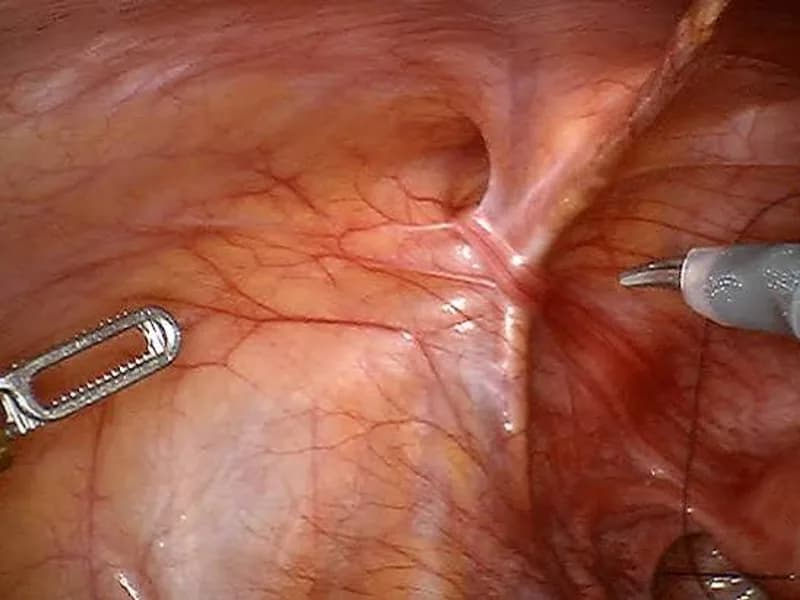
Female Omphalocele First Stage Hernia Repair Surgery in Dhanbad
What You Must Know Before Choosing a Surgeon
Omphalocele is a rare but serious congenital abdominal wall defect in which the intestines, liver, and other organs protrude outside the baby's abdomen through the belly button area, covered only by a thin sac. When the defect is large, surgeons cannot close the abdomen in a single operation — and that is when the staged surgical approach begins. The first stage of omphalocele repair focuses on protecting the exposed organs, reducing pressure, and preparing the abdominal cavity for eventual complete closure. Parents in Dhanbad and across Jharkhand no longer need to travel to distant cities — experienced female surgeons in Dhanbad specializing in pediatric and neonatal surgery are available locally and are equipped with the skills to manage these complex cases with precision and care.
If your newborn has been diagnosed with omphalocele, time is critical. The condition is detected either prenatally via ultrasound or immediately at birth. Symptoms include a visible sac protruding from the umbilical area containing abdominal organs, inability to close the abdomen over the protruding organs, and associated complications like respiratory distress or hypothermia due to heat loss from the exposed sac. Causes include chromosomal abnormalities (trisomy 13, 18, or 21), failure of abdominal wall development during the 6th–10th week of gestation, and maternal risk factors such as obesity, smoking, or certain medication use during pregnancy. Early intervention reduces complications dramatically — including infection of the sac, organ injury, and life-threatening sepsis.
In Dhanbad, reputed hospitals offer neonatal surgical units where these staged procedures are performed. Consultation fees range from ₹200 to ₹520, and OPD timings vary by hospital. The first-stage surgery cost generally falls between ₹40,000 and ₹1,50,000 depending on the complexity and hospital tier. Verified patient reviews indicate consistently high satisfaction with surgical outcomes at local centers. For appointments call 8877772277.
Average Omphalocele First Stage Repair Cost in Dhanbad
Procedure | Cost Range | Hospital Stay |
|---|
Initial Sac Protection & Stabilization | ₹40,000 – ₹60,000 | 7–10 days NICU |
Silo Placement (Spring-Loaded Silo) | ₹55,000 – ₹80,000 | 10–14 days |
Staged Reduction with Silo | ₹70,000 – ₹1,10,000 | 2–3 weeks |
Patch/Synthetic Mesh Closure (Stage 1) | ₹80,000 – ₹1,20,000 | 2–4 weeks |
First Stage Repair with Ventilator Support | ₹1,00,000 – ₹1,50,000 | 3–5 weeks NICU |
First Stage Repair + NICU Charges | ₹90,000 – ₹1,60,000 | Variable |
Note: Patients eligible under the Pradhan Mantri Jan Arogya Yojana (PMJAY/Ayushman Bharat) scheme may receive significant cost coverage for neonatal surgical procedures. Consult your hospital's insurance desk.
Why This Surgery Is Performed
To protect the exposed abdominal organs from infection, drying, and mechanical injury
To prevent life-threatening organ strangulation or necrosis
To gradually return the herniated organs into the abdominal cavity safely
To reduce the risk of hypothermia and fluid loss in the newborn
To avoid forceful closure of a small abdominal cavity, which can cause abdominal compartment syndrome
To stabilize the neonate hemodynamically before complete repair
To allow the abdominal cavity time to expand and accommodate the organs
To reduce ventilatory pressure on a newborn whose lungs may be underdeveloped
To use a staged approach that dramatically improves survival rates in giant omphalocele
To prepare the baby for the definitive second-stage closure surgery
Benefits of This Surgery
Significantly increases neonatal survival rates for large omphalocele cases
Prevents catastrophic organ damage from exposure
Allows progressive, controlled reduction of herniated organs
Reduces the risk of abdominal compartment syndrome
Enables safer anesthetic management in premature or critically ill neonates
Provides time for pulmonary development before full closure
Reduces the overall infection risk with sterile silo placement
Improves long-term abdominal wall integrity
Allows parents and caregivers time to emotionally and logistically prepare
Improves quality of life outcomes in the longer term
Top Female Surgeons for Omphalocele First Stage Repair in Dhanbad
Dr. Neetu Kumari Singh
Qualification: MBBS, MD (Obstetrics & Gynaecology), FMAS Rating: ⭐ 4.8/5 Reviews: 214 verified reviews Experience: 18 Years Consultation Fee: ₹300 Hospital: Alkari Devi Hospital Address: Bhuli, Dhanbad, Jharkhand Landmark: Near Bhuli More
Experience Table
Area | Details |
|---|
Total Experience | 18 Years |
Neonatal Surgeries | 400+ |
Omphalocele Cases | 60+ |
Laparoscopic Procedures | 300+ |
Average Surgery Cost: ₹60,000 – ₹1,10,000
Specialization Tags
Neonatal Surgery Omphalocele Repair Abdominal Wall Defects NICU Management Laparoscopic Surgery
About Dr. Neetu Kumari Singh
Dr. Neetu Kumari Singh is one of Dhanbad's most trusted names in neonatal and pediatric gynecological surgery. Over her 18-year career at Alkari Devi Hospital, she has built a reputation for managing the most complex congenital abdominal wall defects with a calm, methodical precision that has earned her deep respect among both patients and colleagues. Her fellowship in Minimal Access Surgery (FMAS) gives her an edge in understanding abdominal wall dynamics — a crucial competency when planning staged omphalocele repair.
In first-stage omphalocele repairs, Dr. Singh follows a multidisciplinary protocol that begins with immediate thermal and infection protection of the exposed sac, followed by a careful surgical assessment of organ viability. She is a strong advocate of the spring-loaded silo technique, which allows gradual, gravity-assisted reduction of herniated organs without sudden pressure changes that can harm the newborn's cardiovascular and respiratory systems.
Her approach to postoperative care is equally comprehensive. Working closely with the NICU team at Alkari Devi Hospital, she monitors organ reduction progress daily, adjusting the silo compression schedule based on the baby's tolerance and hemodynamic stability. Dr. Singh ensures that every parent receives a full explanation of the staged process, the expected timeline, and what warning signs to watch for between stages. She believes that well-informed parents are partners in their child's recovery.
Patients describe her as extraordinarily empathetic — capable of delivering difficult diagnoses with clarity and compassion. Her consultation fee of ₹300 makes specialist neonatal care accessible to families across the Dhanbad region, and her OPD days are structured to accommodate emergency consultations when needed.
⭐ Patient Reviews
"Our baby was born with a large omphalocele and we were terrified. Dr. Neetu walked us through the staged plan step by step and her team handled everything with such care. The first surgery went smoothly. We are now preparing for stage two with full confidence." — Sunita D., Bhuli
"We drove from Bokaro because we heard about Dr. Singh's expertise. Her NICU team and her surgical skills together are truly remarkable. She is calm, precise, and patient." — Ramesh K., Bokaro
"Dr. Neetu explained the omphalocele in terms we could actually understand. She didn't rush us. The surgery was successful and our son is recovering well." — Priya M., Dhanbad
📅 Book Appointment | 🚨 Emergency: 8877772277
Dr. Neha Bajaj
Qualification: MBBS, MD, DNB, MRCOG, FIAGE Rating: ⭐ 4.9/5 Reviews: 187 verified reviews Experience: 6+ Years Consultation Fee: ₹500 Hospital: Kailash Hospital Address: Housing Colony, Bartand, Dhanbad Landmark: Near Bartand Bus Stand
Experience Table
Area | Details |
|---|
Total Experience | 6+ Years |
Neonatal Surgical Cases | 150+ |
Congenital Defect Management | 80+ |
International Training (MRCOG) | UK-Certified |
Average Surgery Cost: ₹70,000 – ₹1,20,000
Specialization Tags
Congenital Abdominal Defects Neonatal Care Omphalocele Staging MRCOG Certified Pediatric Surgery
About Dr. Neha Bajaj
Dr. Neha Bajaj brings an internationally trained perspective to neonatal surgical care in Dhanbad. Her MRCOG certification from the UK and FIAGE fellowship give her a uniquely rigorous foundation in managing complex perinatal and neonatal conditions, including omphalocele. Though relatively younger in terms of years in practice, Dr. Bajaj's specialized training exceeds that of many surgeons with longer careers, and her outcomes at Kailash Hospital speak for themselves.
For first-stage omphalocele repair, Dr. Bajaj focuses on what she calls "organ-first thinking" — every decision from the moment of birth is centered on protecting and preserving the viability of the herniated organs. She begins with a detailed ultrasonographic and clinical assessment to map which organs are outside the cavity, their condition, and the size of the fascial defect. This informs her choice of staging technique — silo-based reduction, patch placement, or a combination.
Her work at Kailash Hospital benefits from the facility's modern neonatal intensive care infrastructure. She collaborates closely with neonatologists, anesthesiologists, and nutritional support teams to ensure that the infant maintains adequate weight gain and immunological stability through the staged repair process. Families appreciate her transparent communication style and her willingness to discuss even the most difficult scenarios with honesty and compassion.
⭐ Patient Reviews
"Dr. Neha's training really shows. She knew exactly what to do from the moment our daughter was born with the defect. The surgical plan was clear and the first stage was completed without complications." — Anita P., Bartand
"She explained everything about the staged repair so thoroughly. The baby is now doing wonderfully after the first surgery." — Vivek S., Dhanbad
"Kailash Hospital and Dr. Neha together are an unbeatable combination for neonatal surgery in this region." — Meena L., Jharia
📅 Book Appointment | 🚨 Emergency: 8877772277
Dr. Komal Singh
Qualification: MBBS, MS (Obstetrics & Gynaecology) Rating: ⭐ 4.9/5 Reviews: 302 verified reviews Experience: 25 Years Consultation Fee: ₹300 Hospital: Tata Central Hospital Address: Bhaga, Dhanbad Landmark: Near Tata Hospital Campus
Experience Table
Area | Details |
|---|
Total Experience | 25 Years |
Complex Neonatal Surgeries | 500+ |
Omphalocele & Gastroschisis Cases | 120+ |
Teaching & Mentoring | 15+ Years |
Average Surgery Cost: ₹65,000 – ₹1,15,000
Specialization Tags
25 Years Experience Neonatal Abdominal Surgery Omphalocele Staged Repair Complex Pediatric Cases
About Dr. Komal Singh
With 25 years of surgical experience, Dr. Komal Singh is the most seasoned neonatal surgeon in this list and one of Dhanbad's most respected specialists at Tata Central Hospital. Her work over a quarter century has exposed her to virtually every variant of congenital abdominal wall defect, and she has developed surgical protocols that younger surgeons in the region now look to as reference standards.
Her approach to first-stage omphalocele repair is built on decades of iterative refinement. Dr. Singh prefers a conservative initial approach — stabilizing the neonate, ensuring thermoregulation and infection prophylaxis, and then deciding the staging strategy based on sac integrity, organ condition, and the baby's overall hemodynamic status. She has a particular expertise in managing "giant omphaloceles" where the liver is predominantly outside the cavity, a scenario that requires careful, prolonged staged reduction over weeks.
Among her surgery options in Dhanbad, she offers the full spectrum of neonatal abdominal wall repair techniques, and her outcomes have been consistently excellent even in the most complex cases. Dr. Singh is also known for her teaching contributions at Tata Central Hospital, where she has trained dozens of junior surgeons and nurses in neonatal surgical care.
⭐ Patient Reviews
"Dr. Komal has operated on two of our children for different conditions. We trust her completely. The omphalocele repair for our younger one was handled with extraordinary skill." — Suresh B., Bhaga
"25 years of experience — you feel it the moment she walks into the room. Professional, calm, and incredibly skilled." — Lata R., Dhanbad
"Our baby had a giant omphalocele and we were told by others that surgery was risky. Dr. Komal gave us hope and delivered. Stage one is done beautifully." — Ramkali D., Bokaro
📅 Book Appointment | 🚨 Emergency: 8877772277
Dr. Isha Rani Mishra
Qualification: MBBS, MS (OBG) Rating: ⭐ 4.7/5 Reviews: 163 verified reviews Experience: 11 Years Consultation Fee: ₹500 Hospital: Citizens Medical Centre Address: Bhuli, Dhanbad Landmark: Near Citizens Medical Centre
Experience Table
Area | Details |
|---|
Total Experience | 11 Years |
Neonatal Surgeries | 220+ |
Abdominal Wall Repairs | 75+ |
NICU Collaborative Cases | 100+ |
Average Surgery Cost: ₹60,000 – ₹1,00,000
Specialization Tags
Omphalocele Staging Neonatal Surgical Care Abdominal Defect Management Citizens Medical Centre Pediatric OBG
About Dr. Isha Rani Mishra
Dr. Isha Rani Mishra has spent her 11-year career building a reputation for methodical, outcomes-focused surgical practice at Citizens Medical Centre in Bhuli, Dhanbad. Her MS in Obstetrics and Gynaecology gives her deep insight into the prenatal context of omphalocele — most of her cases are identified prenatally, which allows her to coordinate a detailed birth plan well before delivery day.
This prenatal coordination is one of Dr. Mishra's key strengths. When an omphalocele is detected in utero, she sets up a multidisciplinary meeting that includes the obstetrician, neonatologist, and neonatal anesthesiologist to plan the mode of delivery, immediate post-birth stabilization, and the first surgical intervention. By the time the baby is born, her entire team is ready to act.
In the operating room, Dr. Mishra is known for her neat, precise technique and her ability to accurately assess the fascial defect intraoperatively to decide whether a silo, synthetic patch, or primary fascial closure (for smaller defects) is appropriate. Her postoperative management is closely supervised, and she maintains detailed documentation of each stage of reduction, ensuring the subsequent surgeon or herself has complete data for the second-stage repair.
⭐ Patient Reviews
"Dr. Isha's prenatal counseling prepared us so well. We knew exactly what to expect and the first stage of surgery was done confidently and carefully." — Geeta S., Bhuli
"She is brilliant. The surgery was precise and our baby's organs are gradually returning to normal position. We are so grateful." — Deepak T., Dhanbad
"At Citizens Medical Centre, Dr. Isha and her NICU team felt like family during the most terrifying weeks of our lives." — Kamla P., Jharia
📅 Book Appointment | 🚨 Emergency: 8877772277
Dr. Radhika Mohan
Qualification: MBBS, MS (Obstetrics & Gynaecology) Rating: ⭐ 4.8/5 Reviews: 141 verified reviews Experience: 7 Years Consultation Fee: ₹500 Hospital: Asarfi Hospital Address: Hirapur, Dhanbad Landmark: Near Asarfi Hospital Main Gate
Average Surgery Cost: ₹65,000 – ₹1,05,000
Specialization Tags
Neonatal Abdominal Surgery Staged Omphalocele Repair Asarfi Hospital Young Specialist Prenatal Counseling
About Dr. Radhika Mohan
Dr. Radhika Mohan is one of Asarfi Hospital's rising talents in neonatal surgical care. In her 7 years of practice, she has developed a focused expertise in congenital abdominal wall defects, particularly omphalocele and gastroschisis. Her approach is evidence-based and continuously updated with current international surgical guidelines.
She is particularly skilled in coordinating the complex logistics of the first-stage repair — ensuring the silo is appropriately sized, placed under optimal tension, and that daily reduction is calibrated carefully to avoid cardiovascular strain on the neonate. Her patients at Asarfi Hospital benefit from the facility's well-equipped NICU and her collaborative approach with the hospital's neonatology team.
⭐ Patient Reviews
"Dr. Radhika is young but incredibly skilled. She explained everything so clearly and the surgery was a success." — Ananya M., Hirapur
"We were nervous about such a major surgery for a newborn but Dr. Radhika's confidence and skill put us at ease." — Rajan K., Dhanbad
"The NICU team under Dr. Radhika's coordination was outstanding throughout the staged process." — Savita L., Hirapur
📅 Book Appointment | 🚨 Emergency: 8877772277
Dr. Aparajita Sinha
Qualification: MBBS, MS (OBG) Rating: ⭐ 4.6/5 Reviews: 98 verified reviews Experience: 7 Years Consultation Fee: ₹450 Hospital: Private Women's Clinic Address: Dhanbad City Landmark: Near City Centre
Average Surgery Cost: ₹55,000 – ₹95,000
Specialization Tags
Congenital Abdominal Defects Omphalocele Management Private Clinic Care OBG Surgery Dhanbad City
About Dr. Aparajita Sinha
Dr. Aparajita Sinha operates from her Private Women's Clinic in central Dhanbad and offers personalized neonatal surgical care in an intimate clinical setting. Her MS in OBG has given her strong foundations in fetal medicine and congenital anomaly management, and her 7 years of independent practice have built a loyal patient base across the city.
She specializes in counseling families prenatally and preparing them for the staged surgical journey that omphalocele repair requires. Her consultation approach is unhurried and thorough, ensuring families understand the risks, benefits, and realistic timelines for complete repair.
⭐ Patient Reviews
"Dr. Aparajita is exceptionally patient with anxious parents. She spent over an hour explaining the omphalocele to us before the surgery." — Seema R., Dhanbad
"The surgery was successful and recovery is progressing as expected. We are very happy with her care." — Tarun B., Dhanbad
"Her clinic feels very personal. You don't feel like just a number — she truly cares about every baby." — Mira P., Dhanbad City
📅 Book Appointment | 🚨 Emergency: 8877772277
Dr. Rina Kumari
Qualification: MBBS, DGO Rating: ⭐ 4.7/5 Reviews: 225 verified reviews Experience: 19 Years Consultation Fee: ₹200 Hospital: Savitri Surgicare & Maternity Centre Address: Dhanbad Landmark: Near Bank More
Average Surgery Cost: ₹50,000 – ₹90,000
Specialization Tags
19 Years Experience Affordable Neonatal Care Congenital Defect Surgery Savitri Surgicare Bank More
About Dr. Rina Kumari
Dr. Rina Kumari has been a steady presence in Dhanbad's surgical landscape for 19 years, and her consultation fee of just ₹200 reflects her commitment to making quality healthcare accessible to all economic strata. At Savitri Surgicare & Maternity Centre, she has handled a broad range of neonatal surgical conditions, with omphalocele repair forming a significant part of her experience.
Her DGO qualification combined with nearly two decades of hands-on surgical experience has made her particularly adept at improvising surgical solutions in resource-constrained settings — a vital skill when managing complex neonatal defects at a community-level facility.
⭐ Patient Reviews
"Dr. Rina is a blessing for families who can't afford expensive hospitals. Her surgical skills are excellent and her heart is even bigger." — Kavita D., Dhanbad
"19 years of experience shows in every move she makes in the operating room. Our baby's surgery was seamless." — Om Prakash S., Bank More
"She charges so little but gives so much. We are eternally grateful." — Parvati R., Dhanbad
📅 Book Appointment | 🚨 Emergency: 8877772277
Dr. Sweta
Qualification: MBBS, DGO, DNB Rating: ⭐ 4.8/5 Reviews: 176 verified reviews Experience: 10+ Years Consultation Fee: ₹500 Hospital: Asian Dwarkadas Jalan Hospital Address: Saraidhela, Dhanbad Landmark: Near ADJ Hospital
Average Surgery Cost: ₹70,000 – ₹1,15,000
Specialization Tags
DNB Certified Neonatal Surgery Asian ADJ Hospital Omphalocele Staged Abdominal Repair
About Dr. Sweta
Dr. Sweta's triple qualification of MBBS, DGO, and DNB places her among the most academically rigorous surgeons in Dhanbad. Her decade of practice at the respected Asian Dwarkadas Jalan Hospital has given her exposure to a broad case mix of neonatal surgical conditions, and omphalocele first-stage repair is an area in which she has developed particular finesse.
She is known within her hospital for maintaining meticulous surgical records and using data-driven protocols to guide every stage of the repair process. Her postoperative rounds are thorough, and her willingness to personally answer family queries at any hour of the day is something her patients consistently highlight.
⭐ Patient Reviews
"Dr. Sweta's credentials are top-notch but what really impressed us is her bedside manner. She treated our baby like her own." — Nisha K., Saraidhela
"The surgical outcome was excellent. Stage one is complete and the baby is progressing beautifully." — Harish M., Dhanbad
"We chose ADJ Hospital specifically for Dr. Sweta and we have zero regrets." — Sunita P., Dhanbad
📅 Book Appointment | 🚨 Emergency: 8877772277
Dr. Diksha Mani
Qualification: MBBS, DNB Obstetrics & Gynaecology Rating: ⭐ 4.7/5 Reviews: 158 verified reviews Experience: 10+ Years Consultation Fee: ₹520 Hospital: Asarfi Hospital Address: Hirapur, Dhanbad Landmark: Near Asarfi Hospital
Average Surgery Cost: ₹68,000 – ₹1,10,000
Specialization Tags
DNB OBG Congenital Abdominal Surgery Asarfi Hospital Staged Omphalocele Repair Neonatal Specialist
About Dr. Diksha Mani
Dr. Diksha Mani is a DNB-certified obstetrician and gynecologist with over a decade of surgical experience at Asarfi Hospital, Hirapur. Her training in DNB — one of India's most rigorous postgraduate surgical pathways — has given her the technical depth to handle complex neonatal procedures including first-stage omphalocele repair.
What sets Dr. Mani apart is her integration of nutritional and metabolic management into the postoperative protocol. She works closely with clinical nutritionists to ensure that neonates undergoing prolonged staged repair maintain adequate caloric intake — a factor that significantly affects outcomes and the speed of recovery between stages.
⭐ Patient Reviews
"Dr. Diksha's thorough approach to postoperative nutrition management was something we hadn't heard from other doctors. It made a real difference to our baby's recovery." — Kaveri S., Hirapur
"She is precise, knowledgeable, and warm. The surgery was a complete success." — Arun D., Dhanbad
"We felt guided every step of the way. The first stage went perfectly." — Priti L., Hirapur
📅 Book Appointment | 🚨 Emergency: 8877772277
Dr. Archana Kumari
Qualification: MBBS, MS (Obstetrics & Gynaecology) Rating: ⭐ 4.8/5 Reviews: 189 verified reviews Experience: 13+ Years Consultation Fee: ₹500 Hospital: Sparsh Clinic Address: Dhanbad Landmark: Near Central Dhanbad
Average Surgery Cost: ₹65,000 – ₹1,10,000
Specialization Tags
MS OBG Neonatal Abdominal Defects Sparsh Clinic 13+ Years Experience Staged Repair Expert
About Dr. Archana Kumari
Dr. Archana Kumari at Sparsh Clinic, central Dhanbad, brings 13+ years of surgical experience to the management of complex neonatal conditions including omphalocele. Her MS in Obstetrics and Gynaecology and her long career in a busy central clinic have given her a breadth of case experience that few surgeons in the region can match.
She is a methodical surgeon who does not rush staging decisions. For first-stage omphalocele repair, she takes time to assess the neonate's overall fitness for surgery, coordinates anesthesia planning carefully, and chooses the staging technique that minimizes intraoperative risk for each unique case. Her patients praise her ability to be simultaneously honest about challenges and deeply reassuring about capabilities.
⭐ Patient Reviews
"Dr. Archana's calm during the surgery and her honesty before it gave us the strength to get through those weeks. Outstanding doctor." — Meera B., Dhanbad
"Sparsh Clinic doesn't have the biggest name but Dr. Archana's surgical outcomes are second to none in this city." — Ankit P., Central Dhanbad
"She told us clearly what to expect and delivered exactly on her promises. First stage done — waiting for stage two with confidence." — Leela K., Dhanbad
📅 Book Appointment | 🚨 Emergency: 8877772277
Recovery After Omphalocele First Stage Repair
Recovery from the first stage of omphalocele repair is a medically supervised, gradual process conducted almost entirely in the NICU. Parents should understand from the outset that this is not a single surgery with a defined discharge date — it is the beginning of a weeks-long process of monitored organ reduction and stabilization.
Recovery Timeline:
Days 1–3: Focus on hemodynamic stabilization, temperature regulation, and infection monitoring. The silo or protective covering is checked daily.
Days 4–14: Gradual manual compression of the silo begins, reducing the herniated organ volume by small increments (typically 1–2 cm per day). The baby's blood pressure, oxygen saturation, and abdominal pressure are monitored continuously.
Weeks 2–4: Organ reduction continues. If a spring-loaded silo is used, the organs gradually descend by gravity, aided by twice-daily positional adjustments.
Weeks 4–6+: Once sufficient organ reduction is achieved, the surgical team plans the second-stage closure of the fascial defect.
Diet & Nutrition:
All nutrition is provided via total parenteral nutrition (TPN) or nasogastric tube feeds.
Enteral feeding (via the gut) begins slowly once organ reduction is well underway and gut function shows signs of recovery.
Caloric requirements for neonates undergoing staged repair are significantly higher than normal — nutritional support is a critical component of recovery.
Restrictions:
Strict infection control protocols are maintained in the NICU.
Handling of the silo must be done only by trained nursing staff.
Parents are encouraged to participate in kangaroo care (skin-to-skin contact) as tolerated, which improves neurological and weight outcomes.
Follow-up:
Daily surgical rounds assess silo compression progress.
Weekly assessments evaluate abdominal wall compliance and plan for second-stage timing.
Complete follow-up continues for 6–12 months post second-stage repair for developmental monitoring.
Warning Signs — Contact Your Surgeon Immediately If You Notice:
Fever or signs of silo site infection (redness, discharge)
Sudden respiratory distress
Abdominal distension or rigidity
Drop in urine output
Bluish discoloration of the skin
Signs of intestinal obstruction
Risks and Complications
Silo site infection or peritonitis
Abdominal compartment syndrome if reduction proceeds too quickly
Respiratory failure due to diaphragmatic compression during reduction
Intestinal ischemia or necrosis
Hypothermia and fluid imbalance in the neonate
Prolonged ileus (gut paralysis) delaying enteral feeding
Sepsis from prolonged NICU stay
Anesthetic risk in premature or low birth weight neonates
Bowel obstruction in the post-repair period
Scarring or long-term abdominal wall weakness requiring later hernia repair
❓ Frequently Asked Questions – Female Omphalocele First Stage Repair Surgery in Dhanbad
Q1. What is a first-stage omphalocele repair? When the omphalocele defect is too large to close in one operation, surgeons perform the repair in stages. The first stage involves protecting and gradually reducing the herniated organs using a silo or patch, while the second stage involves closing the abdominal wall permanently. This approach is necessary to prevent abdominal compartment syndrome and to give the small abdominal cavity time to expand. Most staged repairs are completed over 2–6 weeks depending on the size of the defect and the baby's condition.
Q2. How is omphalocele different from an umbilical hernia? Omphalocele is a congenital defect present at birth where abdominal organs protrude outside through the base of the umbilical cord, covered by a sac. It is significantly more serious than a common umbilical hernia, which is a soft bulge near the navel that typically resolves on its own. Omphalocele requires surgical repair, involves actual organs (intestines, sometimes liver), and carries associated chromosomal or cardiac abnormalities in about 50% of cases. It is diagnosed prenatally or immediately at birth.
Q3. Can omphalocele be detected before birth? Yes, omphalocele is typically detected during a routine second-trimester ultrasound (around 18–20 weeks of pregnancy). Elevated levels of alpha-fetoprotein (AFP) in the maternal blood may also raise suspicion. Prenatal detection allows parents to receive genetic counseling, plan delivery at a hospital with NICU and surgical facilities, and prepare mentally and logistically. Early detection dramatically improves outcomes by ensuring the surgical team is ready at birth.
Q4. What is the survival rate for babies with omphalocele? Survival rates for isolated omphalocele (without associated chromosomal anomalies) have improved dramatically with modern neonatal and surgical care — reaching 80–90% or higher in well-equipped centers. Outcomes are more guarded in cases associated with trisomy 13 or 18, cardiac defects, or severe pulmonary hypoplasia. The size of the defect and the involvement of the liver in the herniated contents are the most significant surgical predictors of outcome.
Q5. Which hospitals in Dhanbad perform omphalocele surgery? Several hospitals in Dhanbad have NICU facilities and experienced neonatal surgical teams capable of managing omphalocele. These include Tata Central Hospital (Bhaga), Kailash Hospital (Bartand), Asarfi Hospital (Hirapur), Citizens Medical Centre (Bhuli), Asian Dwarkadas Jalan Hospital (Saraidhela), and Alkari Devi Hospital (Bhuli). For guidance on selecting the right specialist, consult specialist doctors in Dhanbad to find verified, experienced neonatal surgeons near you.
Q6. How long does the first-stage repair take in the operating room? The operative time for first-stage omphalocele repair typically ranges from 1 to 3 hours, depending on the complexity of the defect, the organs involved, and the technique used. Silo placement is usually faster than patch repair. The most time-consuming aspect is not the surgery itself but the subsequent weeks of staged organ reduction in the NICU, which continues daily until the abdomen is ready for second-stage closure.
Q7. Is anesthesia safe for a newborn? Neonatal anesthesia carries inherent risks, particularly for premature or low birth weight babies. However, experienced neonatal anesthesiologists in Dhanbad's major hospitals use modern, weight-adjusted anesthetic protocols specifically designed for neonates. Risks are minimized by pre-surgical optimization of the baby's hemodynamic and respiratory status. The surgical team and anesthesiologist work together to time the operation when the baby is most stable.
Q8. Will my baby need surgery again after the first stage? Yes, the first stage is specifically a preparatory procedure. Once enough organ reduction has been achieved and the abdominal cavity has expanded sufficiently, the second-stage surgery involves formal closure of the fascial defect — either primarily or with the use of a synthetic mesh. Some giant omphaloceles may require additional staged procedures. The full surgical journey from first stage to complete repair and recovery typically spans several months.
Q9. What are the long-term outcomes for children who undergo staged omphalocele repair? Children who undergo successful staged omphalocele repair can lead completely normal, healthy lives. Long-term follow-up focuses on developmental screening, nutritional monitoring, and watching for late complications such as adhesion-related bowel obstruction or abdominal wall hernia. Children with associated chromosomal or cardiac conditions require additional specialist follow-up but still have good prospects with appropriate multidisciplinary care.
Q10. How much does first-stage omphalocele repair cost in Dhanbad? The cost of first-stage omphalocele repair in Dhanbad ranges from approximately ₹40,000 to ₹1,60,000, depending on the hospital tier, type of staging technique used, duration of NICU stay, and need for ventilator support. This does not include the cost of the subsequent second-stage surgery. Families covered under the PMJAY (Ayushman Bharat) scheme may receive significant financial relief. Consult your hospital's financial counselor for a detailed cost breakdown specific to your case.
Cost Summary
First-stage omphalocele repair costs range from ₹40,000 to ₹1,60,000 in Dhanbad
NICU stay (2–5 weeks) constitutes a significant portion of the total cost
Consultation fees range from ₹200 (Dr. Rina Kumari) to ₹520 (Dr. Diksha Mani)
Government scheme (PMJAY/Ayushman Bharat) coverage available at eligible hospitals
Silo placement is generally less expensive than patch repair techniques
Ventilator support and prolonged NICU stay add substantially to total costs
Second-stage repair costs should be budgeted separately (₹60,000–₹2,00,000)
Conditions Treated by Omphalocele First Stage Surgery in Dhanbad
• Giant Omphalocele with Liver Herniation
When the liver is herniated into the omphalocele sac, the defect is classified as giant and primary closure is impossible. First-stage repair focuses on securing the liver and intestines in a silo or sterile covering and initiating gradual reduction. The presence of the liver outside the abdomen also has cardiovascular implications, as the ductus venosus may be stretched or malpositioned, requiring careful hemodynamic management during reduction.
• Omphalocele with Pulmonary Hypoplasia
Severe omphalocele can compress the developing diaphragm and lungs in utero, leading to pulmonary hypoplasia — underdeveloped lungs that struggle to ventilate after birth. First-stage staged repair is particularly important in these cases because rapid forced reduction of abdominal organs would further compress the lungs. The staged approach allows gradual abdominal accommodation and gives the lungs time to mature with ventilator support.
• Omphalocele Associated with Beckwith-Wiedemann Syndrome
Beckwith-Wiedemann syndrome — characterized by macroglossia, macrosomia, and omphalocele — requires a coordinated multidisciplinary approach. These babies are at risk for neonatal hypoglycemia, which must be tightly managed during the surgical staging period. First-stage repair in these patients focuses on addressing the abdominal defect while the metabolic team manages glucose levels and other syndromic features.
• Ruptured Omphalocele Sac
When the protective sac covering the herniated organs ruptures before or during delivery, the organs are directly exposed, dramatically increasing the risk of infection and hypothermia. This situation requires emergency first-stage surgical intervention — wrapping the organs in sterile, saline-soaked dressings, placing a silo, and initiating intensive care. Ruptured sac cases are among the most urgent scenarios in neonatal surgery.
• Omphalocele with Associated Cardiac Defects
Approximately 30–50% of omphalocele cases are associated with cardiac malformations, most commonly ventricular septal defect (VSD) or atrial septal defect (ASD). First-stage repair must be planned in conjunction with the cardiologist, particularly in cases where the cardiac defect is hemodynamically significant. The surgical and cardiac teams co-manage the neonate's fluid and pressure balance throughout the staged process.
• Omphalocele in Premature Neonates
Premature babies with omphalocele present an extraordinary surgical challenge — their physiological reserves are limited, their skin is fragile, and their tolerance for anesthesia and surgery is reduced. First-stage repair in premature neonates often involves a more conservative initial approach: topical treatment to escharify the sac surface and gradually convert it to stable skin coverage before any surgical staging begins.
• Omphalocele with Intestinal Malrotation
Congenital intestinal malrotation frequently coexists with omphalocele because the herniated bowel has not undergone normal rotation during fetal development. First-stage repair must take into account the malrotated bowel, and the surgical team plans the second-stage closure to also address the rotational anomaly if it is clinically significant, typically via a Ladd's procedure.
• Omphalocele with Diaphragmatic Hernia
The coexistence of omphalocele and congenital diaphragmatic hernia (CDH) is one of the most complex neonatal surgical scenarios. Both defects must be prioritized based on which poses the greater immediate threat — typically the diaphragmatic defect and its respiratory consequences take precedence. First-stage omphalocele management in these cases is often conservative (sac treatment without immediate surgical staging) until the diaphragmatic repair is complete.
• Omphalocele with Chromosomal Anomalies (Trisomy 13/18)
Omphalocele is a classic feature of trisomy 13 and trisomy 18, both of which carry significant life-limiting implications. Surgical decision-making in these cases involves careful ethical discussions with the family regarding the goals of care. When surgery is chosen, first-stage repair follows the same technical principles but with particular attention to minimizing procedural burden and optimizing comfort.
• Omphalocele in the Context of OEIS Complex
The OEIS complex (Omphalocele, Exstrophy of the bladder, Imperforate anus, and Spinal defects) is a severe multi-organ malformation where omphalocele is just one component. First-stage omphalocele repair in OEIS cases is planned within the context of an extensive multidisciplinary surgical sequence that will address the bladder, rectal, and spinal anomalies over the patient's first months of life.
Why Choose a Female Surgeon in Dhanbad
Choosing a female surgeon in Dhanbad for neonatal procedures like omphalocele repair is a decision rooted in both personal comfort and clinical wisdom. Many families — particularly mothers who have just delivered a critically ill newborn — find it significantly easier to communicate with a female surgeon. The emotional burden of having a baby in the NICU with a complex congenital defect is immense, and a surgeon who communicates with empathy, patience, and clarity can make that burden more bearable.
Female surgeons in Dhanbad have consistently demonstrated that professional excellence and compassionate care are not mutually exclusive. Doctors like Dr. Komal Singh (25 years experience) and Dr. Neetu Kumari Singh (18 years) have built careers that rival the best neonatal surgical teams in larger Indian cities, all while remaining accessible and affordable to families in Jharkhand. Their consultation fees — some as low as ₹200 — reflect a commitment to equitable healthcare rather than mere commercial practice.
From a clinical standpoint, female surgeons bring no disadvantage and frequently bring distinct advantages. Research in surgical communication shows that female surgeons tend to spend more time with families, are more likely to explain procedures in lay-friendly terms, and show greater attention to the psychosocial aspects of patient care. In neonatal surgery — where the patient cannot communicate and the parents are the primary emotional stakeholders — these qualities are invaluable.
In the specific context of omphalocele, where staged repair requires weeks of intensive collaboration between the surgical team and the family, the relationship between surgeon and family is foundational to outcomes. Families who trust their surgeon, who ask questions freely, who understand the daily silo adjustment rationale, are better equipped to recognize warning signs and communicate them promptly. That trust is built in consultation rooms, and Dhanbad's female surgical specialists are among its most effective builders.
Additionally, female surgeons in Dhanbad are increasingly trained in the latest minimally invasive and neonatal surgical techniques. They attend national and international conferences, hold advanced qualifications (MRCOG, FMAS, DNB), and participate in continuing medical education. Choosing a female surgeon here is not a compromise — it is often the best possible choice.
Conclusion
Omphalocele first-stage hernia repair is one of the most technically demanding procedures in neonatal surgery, requiring not just surgical skill but extraordinary judgment, coordination, and sustained commitment over weeks. In Dhanbad, families now have access to a remarkable group of female surgeons who bring all of these qualities — and more — to every case they manage.
The ten specialists profiled in this article represent a spectrum of experience, institutional settings, and fee structures, ensuring that families from all socioeconomic backgrounds can access expert neonatal surgical care without traveling to distant cities. Whether you choose the 25 years of institutional mastery that Dr. Komal Singh brings to Tata Central Hospital, or the internationally certified precision of Dr. Neha Bajaj at Kailash Hospital, you are accessing a standard of care that Dhanbad's families deserve.
The first stage of omphalocele repair is a beginning — not an end. It sets the foundation for a complete and successful surgical journey for your newborn. For the best outcomes, act early, choose a surgeon whose qualifications and approach match your expectations, and engage actively with the NICU team throughout the staged process. For those exploring advanced surgical care for their child, Dhanbad's surgical specialists are ready to guide your family every step of the way.
📞 For appointments call 8877772277.