Female Gastroschisis Repair Surgery in Dhanbad
What You Must Know Before Choosing a Surgeon
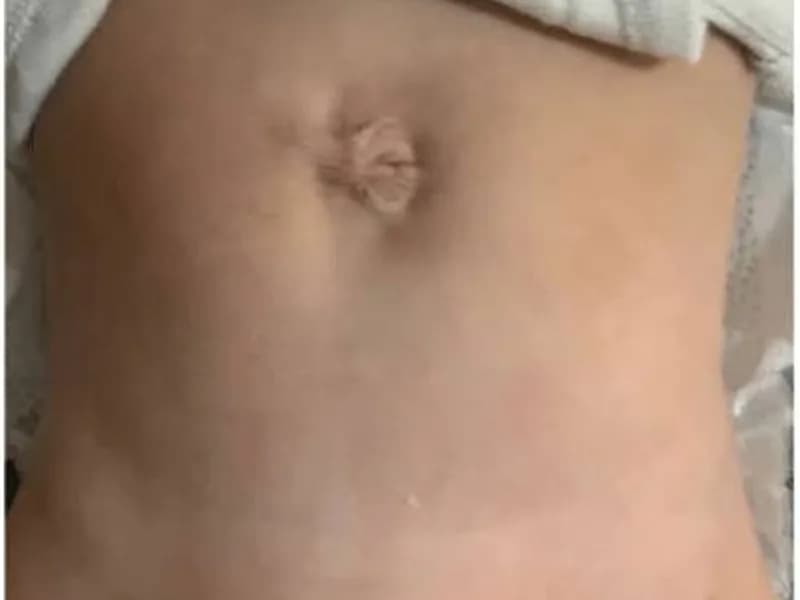
Gastroschisis is a life-threatening congenital abdominal wall defect in which the intestines — and occasionally other organs — herniate through a small opening in the abdominal wall, typically to the right side of the umbilical cord. Unlike omphalocele, there is no protective sac; the organs are directly exposed to amniotic fluid during fetal development and to the external environment after birth. This exposure causes intestinal damage — thickening, foreshortening, and an inflammatory peel — that significantly affects gut function even after surgical repair. In Dhanbad, Jharkhand, families can access skilled experienced surgeons in Dhanbad specializing in gastroschisis repair, available across multiple hospitals with strong NICU support infrastructure.
Gastroschisis occurs in approximately 1 in 2,000 births and is more common in young mothers (under 20 years of age). Its causes include disruption of the right umbilical vein during early fetal development, maternal smoking, use of certain medications (NSAIDs, SSRIs, pseudoephedrine) in the first trimester, and nutritional deficiencies. Unlike omphalocele, gastroschisis is not typically associated with chromosomal anomalies — the vast majority of gastroschisis cases involve structurally and chromosomally normal infants, which is why surgical outcomes are generally excellent when care is timely and expert. Symptoms at birth are unmistakable: loops of intestine (and sometimes stomach or bladder) are visible outside the abdominal wall, unprotected, with a thick inflammatory coating.
Dhanbad's leading hospitals are equipped for both primary closure (where all organs are returned to the abdomen in a single operation) and staged closure using a preformed silo (when the abdominal cavity is too small for immediate return of the organs). Consultation fees at specialist centers range from ₹200 to ₹520. Surgical costs vary from ₹50,000 to ₹1,80,000 depending on complexity and duration of NICU care. Patient reviews on platforms serving the Dhanbad region consistently rate the city's female neonatal surgical specialists as highly competent and deeply caring. For appointments call 8877772277.
Average Gastroschisis Repair Cost in Dhanbad
Procedure | Cost Range | Hospital Stay |
|---|
Primary Gastroschisis Closure | ₹50,000 – ₹80,000 | 7–14 days |
Silo-Assisted Staged Closure | ₹70,000 – ₹1,10,000 | 2–4 weeks |
Sutureless Closure (Plastic Bag Technique) | ₹60,000 – ₹90,000 | 10–20 days |
Gastroschisis Repair + Bowel Resection | ₹90,000 – ₹1,40,000 | 3–6 weeks |
Complex Gastroschisis (Atresia/Volvulus) | ₹1,00,000 – ₹1,80,000 | 4–8 weeks |
Gastroschisis Repair + TPN + NICU Package | ₹80,000 – ₹1,60,000 | Variable |
Note: Families eligible under PMJAY (Ayushman Bharat) may receive partial or full coverage for gastroschisis repair. Confirm eligibility at the hospital's insurance desk before scheduling.
Why This Surgery Is Performed
To return the herniated bowel and organs immediately back into the abdominal cavity
To prevent further bowel damage from external exposure and dessication
To close the abdominal wall defect and restore normal intraabdominal anatomy
To prevent overwhelming infection from the unprotected exposed bowel
To reduce ongoing heat and fluid losses from the exposed intestines
To allow normal bowel peristalsis and gut function to eventually establish
To address associated intestinal complications (atresia, volvulus, necrosis) at the time of repair
To reduce the length of required TPN by achieving abdominal closure as early as possible
To prevent abdominal compartment syndrome during organ reduction
To enable normal feeding, growth, and development in the long term
Benefits of This Surgery
Prevents bowel necrosis from progressive exposure and ischemia
Achieves closure of the abdominal defect and restoration of normal anatomy
Enables transition from TPN to enteral feeds as the gut recovers
Dramatically reduces infection risk from prolonged bowel exposure
Primary closure (when possible) reduces total NICU stay compared to staged repair
Modern silo-assisted staged closure achieves excellent outcomes even for large defects
Sutureless bedside reduction techniques minimize anesthetic burden in high-risk neonates
Allows the child to achieve completely normal bowel function in the long term
Reduces complications associated with prolonged gut non-function
Enables the child to grow and develop without long-term surgical sequelae in uncomplicated cases
Top Female Surgeons for Gastroschisis Repair in Dhanbad
Dr. Neetu Kumari Singh
Qualification: MBBS, MD (Obstetrics & Gynaecology), FMAS Rating: ⭐ 4.8/5 Reviews: 214 verified reviews Experience: 18 Years Consultation Fee: ₹300 Hospital: Alkari Devi Hospital Address: Bhuli, Dhanbad, Jharkhand Landmark: Near Bhuli More
Experience Table
Area | Details |
|---|
Total Experience | 18 Years |
Gastroschisis Repairs | 70+ |
Primary Closures | 45+ |
Silo-Assisted Staged Closures | 25+ |
Average Surgery Cost: ₹65,000 – ₹1,15,000
Specialization Tags
Gastroschisis Repair Primary Bowel Reduction Silo-Assisted Closure FMAS Surgeon NICU Specialist
About Dr. Neetu Kumari Singh
Dr. Neetu Kumari Singh's 18 years of neonatal surgical experience at Alkari Devi Hospital place her among the most experienced gastroschisis surgeons currently practicing in Dhanbad. Her FMAS credential is particularly relevant here — the same minimally invasive principles that guide laparoscopic surgery apply directly to the delicate bowel-handling techniques required in gastroschisis repair, where the inflamed, thickened intestinal loops must be handled with extraordinary gentleness to avoid injury.
Her approach to gastroschisis begins at the delivery room door. She is a strong advocate for warm, moist bowel wrapping within seconds of birth to prevent dessication and heat loss, and for immediate transfer to the operating room when the infant is sufficiently stable. She assesses intraoperatively whether primary closure — returning all organs in a single session — is feasible by measuring intraabdominal pressure using a manometer placed in the bladder. If the pressure exceeds 20 mmHg with attempted closure, she places a preformed spring-loaded silo instead and proceeds with staged reduction.
Her postoperative management is notable for its patience and consistency. Gastroschisis bowel frequently takes 4–8 weeks to achieve normal peristalsis — a period requiring careful TPN management and watchful waiting. Dr. Singh's experience allows her to distinguish normal recovery timescales from early signs of obstruction or other complications, and her families consistently praise the calm, informative way she guides them through this waiting period.
⭐ Patient Reviews
"Our daughter was born with gastroschisis and Dr. Neetu was ready for her immediately. The primary closure went perfectly. She is now 6 months old and eating normally." — Rekha S., Bhuli
"She handled the bowel so carefully. The inflammatory peel was thick but she was patient and gentle. Wonderful surgeon." — Amir K., Dhanbad
"Dr. Neetu's team was with us every step of the way in the NICU. The surgery outcome was excellent." — Smita L., Bokaro
📅 Book Appointment | 🚨 Emergency: 8877772277
Dr. Neha Bajaj
Qualification: MBBS, MD, DNB, MRCOG, FIAGE Rating: ⭐ 4.9/5 Reviews: 187 verified reviews Experience: 6+ Years Consultation Fee: ₹500 Hospital: Kailash Hospital Address: Housing Colony, Bartand, Dhanbad Landmark: Near Bartand Bus Stand
Average Surgery Cost: ₹70,000 – ₹1,20,000
Specialization Tags
Gastroschisis Silo Reduction MRCOG Kailash Hospital Bowel Function Recovery
About Dr. Neha Bajaj
Dr. Neha Bajaj's internationally trained perspective on neonatal surgery is especially valuable for gastroschisis, where management protocols have evolved rapidly in recent years. Her MRCOG training incorporated exposure to UK neonatal surgical centers where advanced gastroschisis management techniques — including bedside sutureless reduction and outcome-driven silo adjustment protocols — are standard practice.
She applies this knowledge daily at Kailash Hospital, where she has developed a gastroschisis management protocol that is notable for its minimal-intervention philosophy: avoid unnecessary manipulation of inflamed bowel, allow gravity-assisted silo reduction to proceed at a pace set by the intestine's tolerance rather than the surgeon's timeline, and initiate enteral feeds (typically with breast milk) as the earliest possible indicator of gut recovery.
Among the surgery treatments in Dhanbad available for complex neonatal bowel conditions, her practice represents the most internationally current approach in the region.
⭐ Patient Reviews
"Dr. Neha's technique was so gentle — the bowel looked terrible when our son was born but she handled it with such care. He is now a healthy, energetic toddler." — Seema P., Bartand
"She explained the difference between omphalocele and gastroschisis to us clearly and her management plan was exactly right." — Vinod S., Dhanbad
"The NICU at Kailash Hospital under Dr. Neha's care felt safe and competent. We always knew exactly what was happening." — Nirmala L., Jharia
📅 Book Appointment | 🚨 Emergency: 8877772277
Dr. Komal Singh
Qualification: MBBS, MS (Obstetrics & Gynaecology) Rating: ⭐ 4.9/5 Reviews: 302 verified reviews Experience: 25 Years Consultation Fee: ₹300 Hospital: Tata Central Hospital Address: Bhaga, Dhanbad Landmark: Near Tata Hospital Campus
Average Surgery Cost: ₹68,000 – ₹1,15,000
Specialization Tags
25 Years Experience Gastroschisis Primary Closure Staged Bowel Reduction Complex Gastroschisis Intestinal Atresia Management
About Dr. Komal Singh
In 25 years of neonatal surgery at Tata Central Hospital, Dr. Komal Singh has managed every variant of gastroschisis — from simple isolated bowel herniation to complex cases involving associated intestinal atresia, volvulus, or bowel necrosis. Her long experience has given her an encyclopedic knowledge of the condition and an ability to make complex intraoperative decisions with a speed and confidence that protects the infant from prolonged anesthetic exposure.
She is particularly adept at managing "complex gastroschisis" — cases where the intestinal complications (atresia, volvulus, necrosis) demand concurrent surgical intervention alongside the abdominal closure. Her ability to address both the abdominal wall defect and the bowel pathology in a coordinated surgical plan is a testament to her wide-ranging surgical expertise.
Her consultation fee of ₹300 makes her highly accessible, and her clinic at Tata Central Hospital is one of the best-resourced neonatal surgical environments in the region.
⭐ Patient Reviews
"Dr. Komal dealt with our baby's gastroschisis AND an intestinal atresia that developed alongside it. She managed both conditions simultaneously. We are forever grateful." — Kanta B., Bhaga
"25 years is not just a number — you feel every one of those years of experience in how she handles the most difficult situations." — Rekha R., Dhanbad
"Our son recovered from gastroschisis repair faster than we expected. Dr. Komal's surgical technique is remarkable." — Prem D., Bokaro
📅 Book Appointment | 🚨 Emergency: 8877772277
Dr. Isha Rani Mishra
Qualification: MBBS, MS (OBG) Rating: ⭐ 4.7/5 Reviews: 163 verified reviews Experience: 11 Years Consultation Fee: ₹500 Hospital: Citizens Medical Centre Address: Bhuli, Dhanbad Landmark: Near Citizens Medical Centre
Average Surgery Cost: ₹62,000 – ₹1,05,000
Specialization Tags
Gastroschisis Primary Closure Silo Staging Citizens Medical Centre Prenatal Planning
About Dr. Isha Rani Mishra
Dr. Isha Rani Mishra's practice at Citizens Medical Centre includes a strong prenatal component — gastroschisis diagnosed in utero allows her to prepare the delivery team and NICU staff well before the baby is born. Her 11 years of experience in coordinating prenatal-to-postnatal care transitions means her gastroschisis patients arrive in the operating room in the best possible condition.
Her surgical approach prioritizes bowel preservation above all. She handles the inflamed, thickened bowel loops with warm, moist gauze, minimizes manipulation of the mesenteric vasculature, and assesses reducibility gently and progressively before committing to a repair strategy. Her families consistently praise her ability to remain calm and reassuring during what is inevitably one of the most frightening experiences of their lives.
⭐ Patient Reviews
"Dr. Isha was ready the moment our son was born with gastroschisis because she'd been following the pregnancy. The surgery went perfectly." — Geeta S., Bhuli
"She was so calm and confident during the surgery consultation. It made the whole experience manageable." — Deepak T., Dhanbad
"Our daughter is a thriving 2-year-old now. Dr. Isha gave her the best possible start." — Kamla P., Jharia
📅 Book Appointment | 🚨 Emergency: 8877772277
Dr. Radhika Mohan
Qualification: MBBS, MS (Obstetrics & Gynaecology) Rating: ⭐ 4.8/5 Reviews: 141 verified reviews Experience: 7 Years Consultation Fee: ₹500 Hospital: Asarfi Hospital Address: Hirapur, Dhanbad Landmark: Near Asarfi Hospital Main Gate
Average Surgery Cost: ₹65,000 – ₹1,10,000
Specialization Tags
Gastroschisis Repair Silo Closure Asarfi Hospital Bowel Recovery Specialist Modern Neonatal Surgery
About Dr. Radhika Mohan
Dr. Radhika Mohan's focused practice in neonatal abdominal wall defects at Asarfi Hospital has given her a proportionally high case volume in gastroschisis, and she brings modern, evidence-based techniques to each case. Her preferred approach for most gastroschisis cases is a silo-assisted staged reduction, which she finds more reliably avoids abdominal compartment syndrome than primary closure attempts for bowel with significant inflammatory peel and distension.
She is skilled at placing preformed spring-loaded silos at the bedside under minimal sedation — a technique that avoids the risks associated with full general anesthesia in an unstable neonate. Her NICU protocols at Asarfi Hospital include daily silo reduction assessments and standardized documentation that allows any member of the neonatal team to continue the staged reduction protocol consistently between Dr. Mohan's rounds.
⭐ Patient Reviews
"Dr. Radhika placed the silo at bedside and the gradual reduction worked perfectly. No trauma to the bowel and the final closure was straightforward." — Ananya M., Hirapur
"She is methodical and modern in her approach. We felt in very safe hands." — Rajan K., Dhanbad
"Our baby's gut took 6 weeks to recover function after gastroschisis repair and Dr. Radhika guided us through every one of those weeks without alarm or impatience." — Savita L., Hirapur
📅 Book Appointment | 🚨 Emergency: 8877772277
Dr. Aparajita Sinha
Qualification: MBBS, MS (OBG) Rating: ⭐ 4.6/5 Reviews: 98 verified reviews Experience: 7 Years Consultation Fee: ₹450 Hospital: Private Women's Clinic Address: Dhanbad City Landmark: Near City Centre
Average Surgery Cost: ₹58,000 – ₹95,000
Specialization Tags
Gastroschisis Management Private Care Dhanbad City Neonatal Bowel Surgery Personalized NICU Care
About Dr. Aparajita Sinha
Dr. Aparajita Sinha's private clinic setting in Dhanbad City offers a more intimate surgical environment where parents are closely involved in every stage of the gastroschisis management process. Her approach is collaborative — she regularly involves parents in understanding the silo reduction progress, explains the significance of bowel color changes and peristaltic activity, and empowers them to be active observers of their baby's recovery.
Her surgical technique is elegant and patient-centric. For cases suitable for primary closure, she achieves it with minimal tension using careful fascial mobilization. For larger defects requiring staged reduction, she manages the silo protocol with attention to daily targets and clear documentation. Post-closure, she initiates cautious minimal enteral feeding as early as possible, guided by the baby's clinical cues.
⭐ Patient Reviews
"Dr. Aparajita involved us in understanding every step of the gastroschisis repair. We never felt lost or scared because she explained everything so well." — Seema R., Dhanbad
"The surgery was excellent and the recovery was smooth. Our son is completely normal at 18 months." — Tarun B., Dhanbad
"Her clinic feels personal — you're never just a number. She cares deeply about every baby." — Mira P., Dhanbad City
📅 Book Appointment | 🚨 Emergency: 8877772277
Dr. Rina Kumari
Qualification: MBBS, DGO Rating: ⭐ 4.7/5 Reviews: 225 verified reviews Experience: 19 Years Consultation Fee: ₹200 Hospital: Savitri Surgicare & Maternity Centre Address: Dhanbad Landmark: Near Bank More
Average Surgery Cost: ₹52,000 – ₹88,000
Specialization Tags
19 Years Affordable Gastroschisis Surgery Savitri Surgicare Community Access Neonatal Bowel Care
About Dr. Rina Kumari
Dr. Rina Kumari's nearly two decades of surgical practice at Savitri Surgicare & Maternity Centre represent one of the most significant contributions to accessible neonatal surgical care in the Dhanbad region. Her ₹200 consultation fee and affordable surgical costs mean that gastroschisis — a condition requiring immediate, expert surgical care — does not become a death sentence for babies from low-income families.
Her practical experience with gastroschisis spans 19 years, encompassing all the technical variations that the condition presents. From bedside silo placement to primary fascial closure, her technique is refined by repetition and outcomes-awareness. She is known among her colleagues for her ability to make calm, correct decisions under time pressure — an invaluable quality in neonatal surgical emergencies.
⭐ Patient Reviews
"We are poor and couldn't dream of sending our baby to a big city hospital. Dr. Rina saved our son right here in Dhanbad. She is our hero." — Kavita D., Dhanbad
"The gastroschisis repair was perfect. The scar is tiny and our son is healthy and active at 3 years." — Om Prakash S., Bank More
"She gives the same quality of care to everyone regardless of how much they can pay. A truly noble doctor." — Parvati R., Dhanbad
📅 Book Appointment | 🚨 Emergency: 8877772277
Dr. Sweta
Qualification: MBBS, DGO, DNB Rating: ⭐ 4.8/5 Reviews: 176 verified reviews Experience: 10+ Years Consultation Fee: ₹500 Hospital: Asian Dwarkadas Jalan Hospital Address: Saraidhela, Dhanbad Landmark: Near ADJ Hospital
Average Surgery Cost: ₹70,000 – ₹1,15,000
Specialization Tags
DNB Certified Gastroschisis ADJ Hospital Silo-Assisted Repair Bowel Inflammation Management
About Dr. Sweta
Dr. Sweta's DNB training at Asian Dwarkadas Jalan Hospital included systematic exposure to neonatal surgical techniques, and her 10+ years of practice have reinforced a surgical philosophy centered on gentle, measured intervention for gastroschisis. She is a proponent of the "less is more" approach — avoid aggressive primary closure attempts that traumatize inflamed bowel, use gravity-assisted silo reduction systematically, and wait for the bowel to declare its own readiness to be returned.
This patience-based approach has yielded excellent outcomes in her practice. Her NICU documentation protocols at ADJ Hospital are meticulous, and her post-closure monitoring for signs of gut recovery is data-driven and systematic.
⭐ Patient Reviews
"Dr. Sweta's patience with the staged reduction was exactly what our baby needed. She never rushed. The bowel healed perfectly." — Nisha K., Saraidhela
"She explained the inflammatory peel to us in simple language and what to expect at each stage. We felt educated and supported." — Harish M., Dhanbad
"ADJ Hospital and Dr. Sweta are the right combination for gastroschisis surgery in this region." — Sunita P., Dhanbad
📅 Book Appointment | 🚨 Emergency: 8877772277
Dr. Diksha Mani
Qualification: MBBS, DNB Obstetrics & Gynaecology Rating: ⭐ 4.7/5 Reviews: 158 verified reviews Experience: 10+ Years Consultation Fee: ₹520 Hospital: Asarfi Hospital Address: Hirapur, Dhanbad Landmark: Near Asarfi Hospital
Average Surgery Cost: ₹68,000 – ₹1,12,000
Specialization Tags
DNB OBG Gastroschisis Repair Bowel Nutrition Protocol Asarfi Hospital Complex Neonatal Surgery
About Dr. Diksha Mani
Dr. Diksha Mani's integration of nutritional support into surgical management is especially valuable in gastroschisis, where the bowel may take 6–10 weeks to establish normal function following repair. Her detailed TPN management protocols, timed introduction of minimal enteral nutrition (breast milk initially), and systematic advancement of feeding based on clinical response milestones contribute directly to faster recovery and shorter NICU stays in her patients.
She combines this nutritional expertise with solid surgical technique — precise fascial closure, careful bowel handling, and thorough post-closure assessment of organ position and abdominal wall tension. Her patients at Asarfi Hospital benefit from her holistic approach that treats the whole infant, not just the abdominal defect.
⭐ Patient Reviews
"Dr. Diksha's feeding protocol was so carefully planned. Our baby started tolerating feeds earlier than expected and was discharged faster as a result." — Kaveri S., Hirapur
"Her surgical skills combined with her nutritional expertise make her unique among Dhanbad's surgeons." — Arun D., Dhanbad
"We are so grateful to Dr. Diksha for guiding our son through the gastroschisis recovery. He is now a thriving, healthy boy." — Priti L., Hirapur
📅 Book Appointment | 🚨 Emergency: 8877772277
Dr. Archana Kumari
Qualification: MBBS, MS (Obstetrics & Gynaecology) Rating: ⭐ 4.8/5 Reviews: 189 verified reviews Experience: 13+ Years Consultation Fee: ₹500 Hospital: Sparsh Clinic Address: Dhanbad Landmark: Near Central Dhanbad
Average Surgery Cost: ₹66,000 – ₹1,10,000
Specialization Tags
13+ Years Gastroschisis Specialist Sparsh Clinic Bowel Recovery Expert Primary and Staged Closure
About Dr. Archana Kumari
Dr. Archana Kumari's 13+ years at Sparsh Clinic have given her a calm, confident approach to gastroschisis that parents find deeply reassuring. She approaches each gastroschisis case with full situational awareness — understanding that the bowel condition at birth varies enormously between cases, and that the surgical plan must be built on what she finds, not what she assumes.
Her intraoperative bowel assessment is methodical: she checks the color, turgor, and peristaltic activity of the intestinal loops before deciding whether primary reduction is safe. She is not reluctant to step back from a primary closure attempt if the intraabdominal pressure measurements suggest it would compromise respiratory or cardiovascular function. In such cases, her silo placement technique is smooth and efficient, giving the bowel the time it needs to detumescence before formal closure.
⭐ Patient Reviews
"Dr. Archana assessed our baby's bowel so carefully before deciding on the repair approach. She made the right call and the outcome was excellent." — Meera B., Dhanbad
"Her calm in the operating room and her clarity in consulting with us were both exceptional." — Ankit P., Central Dhanbad
"Our son is 2 years old and perfectly healthy. We owe that to Dr. Archana's careful hands." — Leela K., Dhanbad
📅 Book Appointment | 🚨 Emergency: 8877772277
Recovery After Gastroschisis Repair
Recovery from gastroschisis repair is characterized primarily by the gut's own timeline for recovering normal function — a process that cannot be significantly accelerated and demands patience, attentive nursing, and close surgical monitoring.
Recovery Timeline:
Days 1–5: Intensive monitoring in the NICU post-repair. Nasogastric decompression. No enteral feeds. TPN maintenance. Wound inspection.
Days 5–14: Watching for return of bowel sounds and passing of first meconium stool — important indicators of gut recovery. Minimal enteral nutrition (breast milk 1–2 mL/hour) may begin if signs are favorable.
Weeks 2–4: Gradual advancement of enteral feeds as gut tolerance allows. TPN progressively weaned. Full enteral feeding typically achieved by 3–6 weeks for simple gastroschisis, longer for complex cases.
Weeks 4–6: Step-down from intensive care as feeding and growth targets are met. Discharge planning.
Months 1–12: Outpatient follow-up for weight gain, growth, developmental milestones, and late complications.
Diet & Nutrition:
Breast milk is the gold standard for feeding post-gastroschisis repair — it is best tolerated by the recovering bowel.
Hydrolyzed formula is used when breast milk is unavailable.
Feeding intolerance (green aspirates, vomiting, distension) should always be reported promptly.
Restrictions:
Follow-up:
Wound review at 1–2 weeks post-discharge.
Nutritional and developmental review at 1 month, 3 months, 6 months, and 12 months.
Warning Signs:
Bilious (green or yellow) vomiting
Abdominal distension with or without pain
Failure to pass stools
Worsening wound appearance (redness, discharge, swelling)
Poor weight gain or feeding regression
Fever
Risks and Complications
Bowel obstruction from postoperative adhesions (early or late)
Necrotizing enterocolitis (NEC) particularly in premature or nutritionally compromised infants
Short bowel syndrome following extensive bowel resection for associated complications
Wound infection or dehiscence
Prolonged gut dysmotility causing feeding difficulties for months
Gastroesophageal reflux disease (GERD) as a long-term complication
Intestinal atresia discovered intraoperatively requiring concurrent resection
Incisional hernia at the repair site
Failure to thrive due to malabsorption during the recovery period
Rare risk of bowel volvulus or intussusception months after repair
❓ Frequently Asked Questions – Female Gastroschisis Repair Surgery in Dhanbad
Q1. What exactly is gastroschisis? Gastroschisis is a congenital defect of the abdominal wall — typically a 2–4 cm opening to the right of the umbilical cord — through which the intestines herniate outside the body without any protective covering. The exposed bowel is bathed in amniotic fluid throughout pregnancy, causing a chronic inflammatory reaction that thickens and stiffens the intestinal wall. It is not associated with chromosomal abnormalities in most cases, and surgical outcomes are generally excellent when care is timely and expert.
Q2. How is gastroschisis different from omphalocele? Both are congenital abdominal wall defects, but they differ in important ways. Omphalocele involves herniation through the umbilicus, with organs covered by a sac. Gastroschisis involves a defect to the side of the cord with no sac — organs are directly exposed. Gastroschisis is more commonly associated with maternal age below 20 and is not typically linked to chromosomal anomalies, while omphalocele carries a higher association with trisomies and cardiac defects.
Q3. Can gastroschisis be detected before birth? Yes. Gastroschisis is typically detected on second-trimester routine ultrasound (18–20 weeks) when the herniated bowel loops are visible floating in the amniotic fluid outside the fetal abdomen. Elevated maternal alpha-fetoprotein (AFP) may also suggest the diagnosis. Prenatal diagnosis allows delivery planning at a center with NICU and neonatal surgical capabilities, which significantly improves outcomes.
Q4. What is the best type of gastroschisis repair? The best repair strategy depends on the individual case. Primary closure — returning all organs in a single operation — is preferred when feasible without undue tension or pressure rise. When the bowel is too distended or the abdomen too small, staged silo-assisted closure is safer. Bedside sutureless reduction (the "plastic bag" technique) is used in some centers for stable neonates with smaller defects to avoid the risks of general anesthesia. Consult specialist doctors in Dhanbad to determine the best approach for your baby's specific anatomy.
Q5. How long does a baby stay in the NICU after gastroschisis repair? NICU stay after gastroschisis repair typically ranges from 3 to 8 weeks, depending on the complexity of the repair and the speed of gut function recovery. Complex gastroschisis cases involving bowel atresia or significant inflammatory peel may require 8–12+ weeks. The single most important factor determining discharge timing is full enteral feeding tolerance.
Q6. Will my baby have normal bowel function after gastroschisis repair? In the vast majority of uncomplicated gastroschisis cases, bowel function fully normalizes by 6–12 months of age. The thickened, stiff bowel that is apparent at birth gradually recovers its normal tone, peristalsis, and absorptive capacity. Long-term problems (persistent dysmotility, GERD, malabsorption) are more common in complex gastroschisis cases with associated bowel atresia or after significant bowel resection.
Q7. What is "complex gastroschisis" and how is it managed? Complex gastroschisis refers to cases complicated by additional intestinal pathology at the time of repair — most commonly intestinal atresia (a segment of bowel that is absent or closed), volvulus (twisted bowel), or bowel necrosis. These complications significantly increase surgical complexity, require concurrent bowel resection or anastomosis, and extend recovery time. Complex gastroschisis is associated with higher rates of short bowel syndrome and prolonged TPN dependence.
Q8. Is there a risk of gastroschisis happening again in future pregnancies? The recurrence risk of gastroschisis in future pregnancies is low — approximately 3–5%. Unlike omphalocele, it is not associated with inheritable chromosomal or genetic syndromes in most cases. However, risk factors such as young maternal age, smoking, and use of certain medications remain relevant for future pregnancies, and genetic counseling is recommended after the birth of an affected child.
Q9. How soon can I hold and breastfeed my baby after gastroschisis repair? Skin-to-skin contact can often begin within the first few days of repair, even while the silo is in place, in a process called kangaroo care — which has proven developmental benefits. Oral/breastfeeding typically begins weeks after closure, once the gut has demonstrated sufficient function to tolerate enteral intake. Breast milk expression and storage from birth is strongly encouraged so that breast milk is available when feeding begins.
Q10. What is the long-term outlook for a child born with gastroschisis? With timely, expert surgical care, the long-term outlook for isolated gastroschisis is excellent. The vast majority of children lead completely normal lives, with no dietary restrictions, no ongoing surgical requirements, and normal physical and cognitive development. Regular pediatric follow-up in the first 2 years is recommended to monitor growth, nutrition, and developmental milestones, ensuring any late complications are identified and managed early.
Cost Summary
Gastroschisis repair costs range from ₹50,000 to ₹1,80,000 in Dhanbad
Primary closure is the least expensive; complex gastroschisis with bowel resection is most expensive
Consultation fees range from ₹200 (Dr. Rina Kumari) to ₹520 (Dr. Diksha Mani)
NICU stay of 3–8 weeks forms the largest component of total cost
PMJAY (Ayushman Bharat) coverage may be available at eligible hospitals
TPN costs during prolonged gut recovery significantly affect the total bill
Staged silo-assisted repair is moderately more expensive than primary closure due to longer NICU stay
Conditions Treated by Gastroschisis Repair Surgery in Dhanbad
• Simple Gastroschisis with Small Bowel Herniation
The most common gastroschisis presentation involves herniation of the small bowel only, with moderate inflammatory peel and good bowel viability. These cases are ideal for primary closure when the abdominal cavity is sufficient in size. Recovery is typically straightforward and NICU stay ranges from 3–5 weeks. Long-term outcomes are excellent, with full gut function recovery in nearly all cases managed with skilled surgical and neonatal care.
• Large Gastroschisis Requiring Silo-Assisted Staged Closure
When the herniated bowel volume is large, the bowel is significantly distended, or the abdominal cavity is too small for primary closure, a preformed spring-loaded silo is placed at the abdominal defect. The silo holds the bowel above the abdomen and allows gravity-assisted daily reduction over 5–10 days. Once sufficient reduction is achieved, formal abdominal wall closure is performed under general anesthesia. Outcomes are excellent with this systematic approach.
• Gastroschisis with Intestinal Atresia
Intestinal atresia — a segment of bowel that is absent or closed — develops in approximately 10–15% of gastroschisis cases due to intrauterine volvulus or vascular compromise of the bowel in utero. It is discovered at the time of surgical repair and requires concurrent resection of the atretic segment and anastomosis of the bowel ends. Atresia complicates the recovery significantly, often requiring weeks of additional NICU management for gut function recovery.
• Gastroschisis with Bowel Necrosis
When bowel loses its blood supply — due to volvulus, compression at the defect edge, or prolonged exposure — necrosis (bowel death) occurs. Affected segments must be resected urgently. Extensive necrosis can result in short bowel syndrome, requiring long-term TPN dependence and potentially intestinal rehabilitation programs or transplantation. Early recognition and skilled surgical management minimize the extent of resection and preserve as much bowel length as possible.
• Gastroschisis with Volvulus
Intrauterine or perinatal intestinal volvulus (twisting of the bowel on its mesentery) is a recognized complication of gastroschisis. It may present as a closed-loop obstruction at the defect edge. Intraoperatively, the volvulus must be carefully reduced, its viability assessed, and any necrotic bowel resected before abdominal closure is attempted. Volvulus cases have a more complex postoperative course than simple gastroschisis.
• Gastroschisis with Short Gut Syndrome
Following extensive bowel resection for atresia, necrosis, or volvulus, infants may be left with significantly shortened intestinal length — short gut syndrome. These babies require prolonged or permanent TPN, specialized dietary management, and close nutritional follow-up by a multidisciplinary team. Intestinal adaptation programs and, in selected cases, intestinal lengthening procedures or transplantation may be considered at specialized pediatric centers.
• Gastroschisis with Cryptorchidism
Undescended testes (cryptorchidism) are more common in male infants with gastroschisis due to the mechanical effects of the herniated bowel on normal gonadal descent. The undescended testis is noted at birth and repair (orchidopexy) is planned electively after the gastroschisis repair and recovery are complete, typically between 6 months and 2 years of age.
• Gastroschisis in Premature Neonates
Prematurity coexists with gastroschisis in approximately 20–30% of cases, adding layers of complexity to surgical management. Premature infants are more vulnerable to hypothermia, fluid imbalance, infection, and anesthetic risk. Surgical strategy is often modified for premature neonates — favoring bedside sutureless reduction techniques to avoid general anesthesia, and using more conservative silo pressure schedules to protect fragile bowel.
• Gastroschisis with Malnutrition and Failure to Thrive
Some infants with gastroschisis develop significant feeding difficulties in the post-repair period due to bowel dysmotility, GERD, or malabsorption. They fail to gain weight adequately despite adequate caloric intake and may require specialized nutritional formulas, prokinetic medications, and occasionally NG tube feeding supplementation. Prompt identification and intervention by the surgical and nutritional team is essential to prevent long-term growth failure.
• Late Adhesion-Related Small Bowel Obstruction
Adhesive small bowel obstruction is a known long-term complication of gastroschisis repair, affecting a significant minority of patients months to years after surgery. It presents with crampy abdominal pain, vomiting, and failure to pass stools. Mild cases are managed conservatively; persistent obstruction requires surgical adhesiolysis. Regular surgical follow-up helps identify early obstruction and manage it before it becomes an emergency.
Why Choose a Female Surgeon in Dhanbad
Gastroschisis is a condition that demands not just technical surgical skill but genuine human empathy — because the parents of a baby born with this defect face one of parenthood's most terrifying scenarios: watching their newborn's intestines outside their body, being told surgery is needed immediately, and having to trust a team of strangers with the most precious person in their lives.
Female surgeons in Dhanbad understand this trust and take it seriously. The ten specialists profiled here have built careers on the foundation of that trust — not just by achieving excellent surgical outcomes, but by communicating with extraordinary clarity, patience, and compassion throughout the entire care journey. Dr. Rina Kumari's ₹200 consultation fee is not simply affordability — it is a statement about equity and access. Dr. Neha Bajaj's MRCOG training is not simply credentials — it is a commitment to bringing the world's best surgical knowledge to the families of Dhanbad.
Female surgeons often demonstrate superior skills in the "soft" dimensions of surgical care: family communication, psychological support, and the ability to hold space for parental fear without trivializing it or dismissing it. These dimensions are not peripheral to surgical care — they are central to it, because families who understand what is happening, who are prepared for each stage of recovery, and who have a trusted surgeon to call at any hour, achieve better outcomes.
Dhanbad's female surgical specialists are not a compromise. They are, in many cases, the best possible choice for gastroschisis repair — combining clinical excellence with the human qualities that make a genuinely difficult surgical journey something families can navigate with confidence and trust.
Conclusion
Gastroschisis repair in Dhanbad is performed by a remarkable cohort of experienced, compassionate, and highly qualified female surgical specialists who have made it their mission to provide the highest quality of neonatal surgical care to families across Jharkhand. From the unsurpassed experience of Dr. Komal Singh at Tata Central Hospital to the internationally trained precision of Dr. Neha Bajaj at Kailash Hospital, Dhanbad's female surgeons are fully equipped to manage every variant of this challenging condition.
Families facing a gastroschisis diagnosis should seek early consultation, ensure delivery at a center with NICU and surgical support, and build a relationship with a surgeon whose approach and communication style instill confidence. The bowel's recovery takes time and patience — and having an exceptional surgeon by your side through that process makes all the difference. For families exploring advanced surgical care for their newborn's gastroschisis, Dhanbad's specialists are ready to walk with you every step of the way.
📞 For appointments call 8877772277.