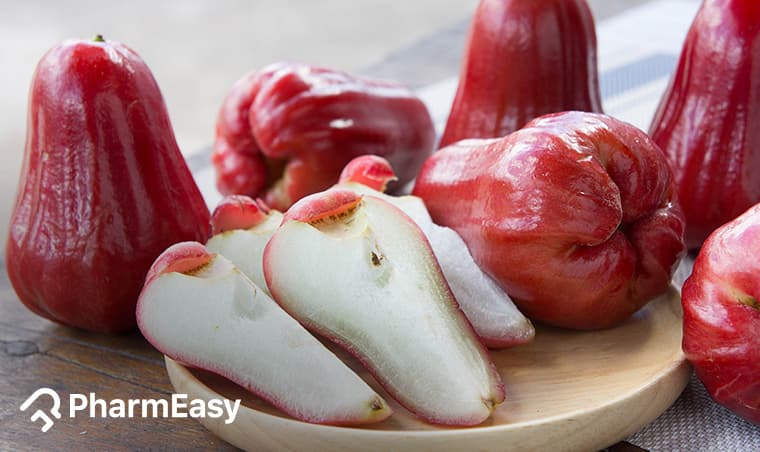
Water Apple: A Refreshing South Asian Delicacy
Meena, 45, a homemaker from Jaipur, noticed a peculiar crunch in her neighbourhood produce stand one sweltering afternoon. It was a vibrant, bell-shaped item, glistening with dew – the water apple. Intrigued, she bought a few. This encounter marked the beginning of her journey with Syzygium aqueum, a produce often overlooked amidst more common Indian offerings. Known by various names across India, including jamun or jambu, this watery delight offers more than just a refreshing bite.
The water apple, scientifically known as Syzygium aqueum, is a tropical produce native to Southeast Asia but widely cultivated and enjoyed in India. Its crisp texture and high liquid content make it an ideal snack, especially during the humid Indian climate. This produce is part of the Myrtaceae family, which also includes guava. Does this sound familiar? Perhaps you’ve seen it at local markets or even grown it in your garden without fully appreciating its potential.
Practically speaking, understanding the nutritional profile and benefits of such produce can empower us to make healthier dietary choices. While not as extensively studied as some other items, emerging research and traditional usage point towards several compelling advantages. Let's explore the world of water apples.
Nutritional Powerhouse of Water Apple
The appeal of the water apple lies not only in its refreshing taste but also in its modest yet beneficial nutritional composition. A 100-gram serving typically contains about 30-35 calories, making it an excellent choice for weight management.
It’s primarily composed of liquid, around 90-93%, which contributes to its hydrating properties. This high liquid content is particularly valuable in India's often hot and humid weather, helping to maintain fluid balance.
Beyond hydration, water apples provide a good source of Vitamin C, an essential antioxidant that supports the immune system and skin vitality. A single serving can offer approximately 10-15% of the daily recommended intake. Additionally, these items contain dietary fiber, crucial for digestive well-being.
The numbers don't lie.
5 grams per 100 grams), aids in promoting fullness and regulating bowel movements. For context, the recommended daily fiber intake for adults is around 25-30 grams.
Minerals like potassium are also present, contributing to blood pressure regulation. While quantities are not exceptionally high, every bit counts towards overall well-being.
The item also contains trace amounts of other vitamins and minerals, including Vitamin A, B vitamins, and calcium. What most people miss is that even items with lower nutrient densities can contribute significantly to a balanced diet when consumed regularly and as part of a varied intake.
Benefits of Water Apple
Hydration and Cooling Properties
The most immediate benefit of water apple is its exceptional hydrating capacity. Its name itself suggests its primary characteristic: a high liquid content. This makes it an excellent natural beverage alternative to sugary drinks, helping to replenish fluids lost through sweat.
In India, where heatstroke and dehydration are significant concerns during summer months, incorporating liquid-rich produce like the water apple into one's diet can be a lifesaver. The cooling effect is often amplified by traditional consumption methods, such as chilling the item before eating, a frequent practice during festivals like Holi or summer gatherings.
Antioxidant Richness
Water apples contain various antioxidants, including flavonoids and phenolic compounds. These compounds help combat oxidative stress caused by free radicals in the body. Oxidative stress is linked to chronic conditions such as heart disease, cancer, and premature aging. While specific studies on the antioxidant capacity of Syzygium aqueum are limited compared to other produce, its Vitamin C content and the presence of other phytonutrients contribute to this protective effect. The World Health Organization (WHO) emphasizes the importance of antioxidant-rich diets for preventing non-communicable diseases.
Digestive Health Support
The dietary fiber present in water apples makes a real difference in maintaining a healthy digestive system. Fiber adds bulk to stool, preventing constipation and promoting regular bowel movements. It also acts as a prebiotic, feeding beneficial gut bacteria.
The numbers don't lie.
A healthy gut microbiome is increasingly recognized for its impact on overall well-being, influencing everything from immunity to mood. A study published in The Lancet highlighted the gut microbiome's critical role in human health.
Potential Blood Sugar Regulation
Some traditional uses and preliminary research suggest that water apple may have a role in managing blood sugar levels. Certain compounds found in the item, particularly fiber and specific phytonutrients, might benefit slow down the absorption of sugar into the bloodstream. This could be beneficial for individuals managing diabetes.
For instance, over 101 million Indians currently have diabetes, according to ICMR estimates for 2023, making blood sugar management a critical public health issue. However, it's crucial to note that more robust clinical trials are needed to confirm these effects. People with diabetes should not rely solely on water apples but rather integrate them into a balanced, medically supervised diet plan.
Skin Health Enhancement
The Vitamin C in water apples is vital for collagen production, a protein that keeps skin firm and elastic. Antioxidants also protect skin cells from damage caused by UV radiation and pollution, potentially reducing the signs of aging like wrinkles and fine lines.
Most people overlook this completely.
Hydration from the item's high liquid content further contributes to a plump and healthy complexion. A glowing complexion is often a sign of good internal health, something many Indians strive for.
Weight Management Aid
Being low in calories and high in liquid and fiber, water apples are an excellent snack for those looking to manage their weight. They provide a feeling of fullness without contributing considerable calories, helping to curb overeating.
This makes them a healthier alternative to processed snacks, which are often high in sugar and unhealthy fats. The International Diabetes Federation (IDF) also notes that maintaining a healthy weight is a cornerstone of diabetes prevention and management.
How to Consume Water Apple
Water apples are incredibly versatile. Their crisp, slightly sweet, and watery flesh makes them a delightful snack eaten fresh. Simply wash them thoroughly and enjoy their refreshing crunch. They can be eaten whole, skin and all, provided they are well-rinsed. Many people prefer to remove the central seeds, though they are generally edible.
In India, water apples are often incorporated into item salads, adding a unique texture and subtle sweetness. They pair well with other tropical items like mangoes, papayas, and guavas.
Some culinary traditions also use them in beverages, blending them into refreshing juices or smoothies, especially during summer months. Imagine a chilled water apple and mint juice after a long day – pure refreshment!
The numbers don't lie.
Worth knowing: In some parts of India, the leaves and bark of the water apple tree have been used in traditional medicine for their astringent and anti-inflammatory properties, although scientific evidence for these applications is still developing. This highlights a broader aspect of traditional Indian knowledge systems regarding plant-based remedies.
So what does that mean for you? It means you can enjoy this item in multiple ways, from a simple snack to an ingredient in more elaborate dishes or drinks.
Potential Side Effects and Precautions
Water apples are generally considered safe for most people when consumed in moderation as part of a balanced diet. However, like any food, there can be potential side effects or considerations.
Digestive Upset
For individuals not accustomed to a high-fiber diet, consuming large quantities might lead to mild digestive discomfort, such as bloating or gas. It’s advisable to start with smaller portions and gradually increase intake if you experience any adverse effects. This is a widespread reaction to increased fiber, not necessarily unique to water apples.
Allergies
Although rare, allergic reactions are possible. If you experience symptoms like itching, hives, swelling, or difficulty breathing after consuming the item, seek medical attention immediately. Individuals with known allergies to other items in the Myrtaceae family might want to exercise caution.
Blood Sugar Interactions
Going back to what we discussed, water apples might influence blood sugar levels. While this could be beneficial for some, individuals with diabetes or those on medication for blood sugar control should monitor their levels closely if they incorporate them into their diet regularly. Consulting a healthcare provider is essential in such cases.
Most people overlook this completely.
Interaction with Medications
There is limited research on potential interactions between water apples and medications. However, if you are taking any prescription drugs, especially those affecting blood pressure or blood sugar, it’s prudent to discuss your dietary choices, including the consumption of water apples, with your doctor.
This is a standard precaution for any notable dietary change.
Key Takeaways
- Water apples (Syzygium aqueum) are low-calorie, highly hydrating items rich in Vitamin C and fiber.
- They offer antioxidant properties that can benefit combat oxidative stress and support skin health.
- The fiber content aids in digestive well-being and may contribute to weight management by promoting fullness.
- Preliminary research suggests potential benefits for blood sugar regulation, but more studies are needed.
- Consume water apples fresh, in item salads, or blended into juices; moderation is key to avoid potential digestive upset.
Always consult a qualified physician before making any medical decisions.