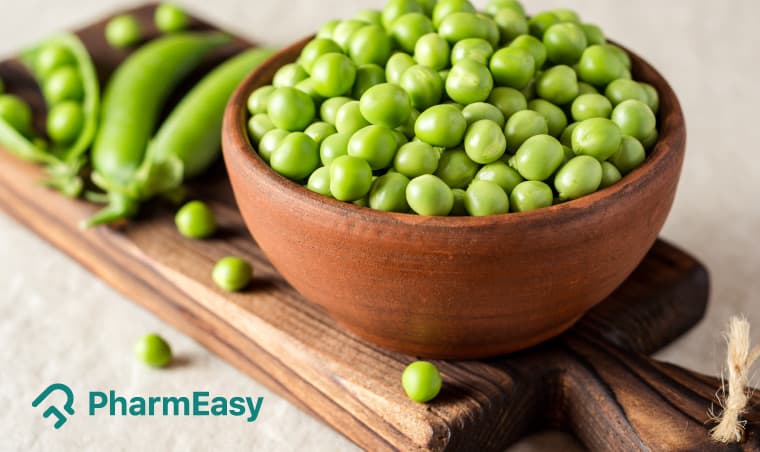
Peas (Matar): Nature's Tiny Powerhouses
Meena, 45, a homemaker from Jaipur, experienced persistent sluggishness and occasional digestive unease. When discussing her eating habits with her doctor, she was surprised to learn that the humble pea, or matar as it's known across India, could significantly impact her overall well-being. Frankly, many of us overlook the nutritional abundance packed within these small, vibrant spheres. They are a staple in Indian cuisine, appearing in everything from rich curries and comforting pulaos to crispy snacks. What most people miss: the sheer density of essential vitamins, minerals, and beneficial roughage they offer.
The Nutritional Profile of Peas
Peas are remarkably nutrient-dense. A single cup (about 160 grams) of cooked peas provides a substantial amount of essential nutrients. They are a good source of plant-based protein, which is crucial for muscle repair and satiety.
Significantly, they offer around 8-9 grams of protein per cup. Their carbohydrate content is primarily complex, contributing to sustained energy release rather than sharp glucose spikes. The reality is, understanding these core components helps appreciate their dietary impact.
Vitamins Galore
Peas are exceptionally rich in Vitamin K, vital for skeletal integrity and proper circulatory clotting. They also provide a good dose of Vitamin C, a potent antioxidant that bolsters the immune system and aids in collagen production.
You'll also find substantial amounts of B vitamins, including folate (B9), thiamine (B1), and riboflavin (B2), which are critical for energy metabolism and nervous system function. In many cases, these micronutrients are just as important as the macronutrients.
This is where most patients struggle.
Minerals and Roughage Content
Beyond vitamins, peas contribute valuable minerals to your diet. They contain manganese, which plays a role in metabolism and bone formation. Iron is also present, aiding in oxygen transport throughout the body – something particularly relevant for the 55% of Indian women who are anaemic, according to some reports.
Importantly, peas are a fantastic source of dietary roughage, with about 7-8 grams per cup. This roughage is instrumental in promoting gut health, regulating glucose levels, and contributing to a feeling of fullness, which can aid in weight management.
Dietary Benefits of Including Peas in Your Diet
Digestive Health Champion
The high roughage content in peas is a cornerstone of their digestive benefits. Roughage adds bulk to stool, facilitating smoother bowel movements and helping to prevent constipation. It also acts as a prebiotic, feeding beneficial bacteria in the gut microbiome.
A healthy gut is increasingly linked to overall well-being, impacting everything from immunity to mood. Does this sound familiar? Many gut issues stem from inadequate roughage intake.
Heart Health Support
Regular consumption of peas can contribute positively to cardiovascular well-being. The roughage helps lower LDL (bad) cholesterol levels. Additionally, the presence of antioxidants like Vitamin C and flavonoids helps combat oxidative stress and inflammation, both significant contributors to heart disease.
The numbers don't lie.
The potassium found in peas also helps regulate arterial pressure by counteracting the effects of sodium. Considering that cardiovascular diseases account for a substantial percentage of deaths in India, dietary choices matter immensely.
Glucose Regulation
Despite containing carbohydrates, the roughage and protein in peas help slow down the absorption of sugar into the bloodstream. This leads to a more gradual rise in blood glucose levels, making them a beneficial inclusion for individuals managing diabetes.
Over 101 million Indians have diabetes (ICMR, 2023), highlighting the importance of foods that support glucose control. Peas have a relatively low glycemic index (GI), further supporting this benefit.
Bone Strength
The marked amount of Vitamin K in peas is crucial for skeletal integrity. Vitamin K plays a role in calcium metabolism and bone mineralization.
While not a replacement for adequate calcium and Vitamin D intake, it acts synergistically to maintain bone density and reduce the risk of fractures. This is especially relevant in a country where osteoporosis is a growing concern, particularly among older populations.
That alone changes everything.
Immune System Boost
With their rich Vitamin C content, peas act as powerful immune boosters. Vitamin C stimulates the production of white blood cells, which are the body's primary defense against infections.
The other antioxidants present also enable protect immune cells from damage. A robust immune system is our first line of defense against the myriad of pathogens we encounter daily.
Culinary Uses of Peas in India
In India, matar is a culinary chameleon. During the winter months, fresh peas are abundant and cherished. They are a star ingredient in dishes like:
- Matar Paneer: A classic North Indian dish featuring peas and paneer (Indian cheese) in a rich, spiced tomato-based gravy.
- Aloo Matar: A simple yet delicious combination of potatoes and peas, often prepared as a dry sabzi or a curry.
- Veg Pulao/Biryani: Peas add colour, texture, and sweetness to rice dishes.
- Samosas and Kachoris: Peas are a common filling, adding a delightful burst of flavour.
- Parathas: Stuffed parathas with a spiced pea filling are a popular breakfast or lunch option.
The versatility extends beyond these. Peas can be mashed into chutneys, added to soups, or even lightly stir-fried as a side dish.
Adapting recipes during festive seasons, like incorporating peas into Diwali snacks, is usual practice. Floor sitting while preparing meals, especially during busy festival times, often involves the simple act of shelling peas.
Potential Side Effects and Considerations
While generally safe and highly beneficial, excessive consumption of peas can lead to certain side effects for some individuals. The high roughage content, while beneficial, can cause gas, bloating, and abdominal discomfort if intake is increased too rapidly, especially for those not accustomed to a high-roughage diet.
Individuals with Irritable Bowel Syndrome (IBS) might find that peas trigger symptoms due to their FODMAP content (fermentable oligo-, di-, mono-saccharides and polyols).
Phytic Acid Concerns
Peas, like many legumes and grains, contain phytic acid. This compound can bind to minerals like iron, zinc, and calcium, potentially reducing their absorption. So what does that mean for you?
Soaking, sprouting, or fermenting peas can benefit reduce phytic acid levels. Cooking them thoroughly also aids in breaking down this antinutrient. For most individuals consuming a varied diet, this is unlikely to be a notable issue.
Allergies and Intolerances
Although rare, pea allergies exist. manifestations can range from mild skin reactions to more severe anaphylactic responses. Individuals with known allergies to legumes should exercise caution. Pea protein is also increasingly used in supplements and processed foods, so checking labels is advisable.
Here's where it gets interesting.
Peas vs. Other Legumes
Compared to other legumes like lentils or chickpeas, peas offer a slightly different nutritional profile. They tend to be lower in calories and fat but provide comparable amounts of protein and roughage per serving.
Their carbohydrate profile is also favourable for glucose management. The IDF (International Diabetes Federation) frequently discusses the role of diverse plant-based proteins in diabetes management, and peas fit well within this context.
Tips for Incorporating More Peas into Your Diet
Adding peas to your meals is simple and delicious. Consider these ideas:
- Toss frozen peas into pasta dishes, stir-fries, or casseroles during the last few minutes of cooking.
- Blend peas into soups for added creaminess and nutrients.
- Create a vibrant pea and mint dip or spread.
- Add them to omelettes or scrambled eggs.
- Enjoy them as a simple side dish seasoned with salt, pepper, and a squeeze of lemon.
Experimenting with fresh, frozen, or dried peas offers variety. Frozen peas are often flash-frozen at peak ripeness, retaining most of their nutritional value and flavour, making them a convenient year-round option. The Lancet has published numerous studies on the benefits of plant-rich diets, and peas are an accessible way to contribute to this.
Key Takeaways
- Peas are nutrient-dense, offering protein, roughage, vitamins (K, C, A, B-complex), and minerals.
- They support digestive health due to their high roughage content.
- Peas contribute to heart health by helping manage cholesterol and arterial pressure.
- Their roughage and protein aid in glucose regulation, beneficial for diabetes management.
- Excessive intake may cause digestive upset (gas, bloating) in sensitive individuals.
Always consult a qualified physician before making any medical decisions.