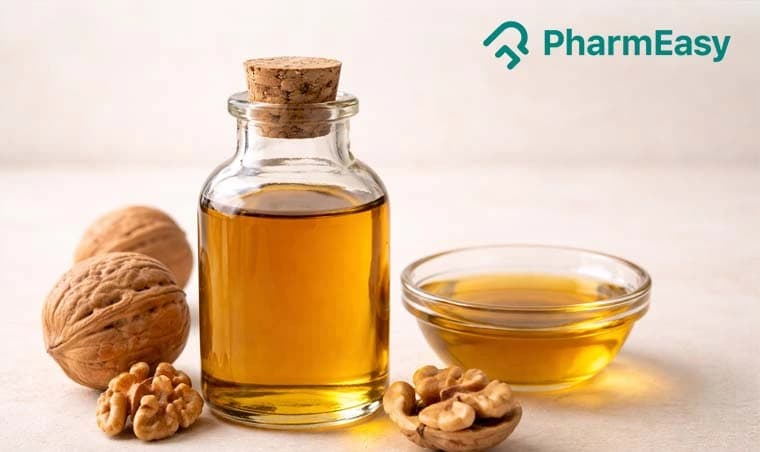
Walnut Oil: A Nutrient Powerhouse for Indian Households
Meena, 45, a homemaker from Jaipur, noticed her skin becoming increasingly dry and dull, especially after the monsoon season. Her grandmother, a staunch believer in traditional remedies, suggested incorporating walnut oil into her diet and skincare routine. This anecdote highlights a common scenario in India, where age-old wisdom often points towards natural ingredients for wellness.
Walnut oil, derived from the kernels of the walnut tree, is one such gem, packed with essential nutrients that offer a wide array of advantages for both internal health and external application. Its distinct nutty flavour and rich composition make it a valuable addition to any Indian kitchen and a sought-after ingredient in natural remedies.
Practically speaking, understanding the composition of walnut oil is key to appreciating its therapeutic properties. It is particularly renowned for its high concentration of omega-3 fatty acids, specifically alpha-linolenic acid (ALA). This essential fatty acid cannot be produced by the human body and must be obtained through diet. For context, a mere tablespoon of walnut oil can provide a significant portion of your daily ALA needs. This makes it an excellent plant-based alternative for individuals looking to boost their omega-3 intake, which is often associated with numerous wellness advantages. Indeed, research published in journals like The Lancet has repeatedly underscored the critical role of omega-3s in maintaining overall well-being.
Nutritional Profile and Key Advantages of Walnut Oil
The impressive nutritional profile of walnut oil is the foundation of its widespread use. Beyond the abundant ALA, it also contains omega-6 fatty acids, albeit in a less concentrated form, contributing to a balanced fatty acid ratio. It is also a good source of vitamin E, an antioxidant that protects cells from damage, and various polyphenols, which possess anti-inflammatory and antioxidant properties.
The presence of these micronutrients synergistically enhances the oil's health-promoting capabilities. So what does that mean for you? It means that incorporating this oil into your daily life can potentially address several wellness concerns.
It sounds simple. It rarely is.
Cardiovascular Health
One of the most celebrated advantages of walnut oil is its positive impact on heart health. The omega-3 fatty acids, particularly ALA, are instrumental in reducing inflammation throughout the body, including in the blood vessels. This anti-inflammatory action helps to lower the risk of atherosclerosis, a condition where plaque builds up inside the arteries, leading to heart disease and stroke.
Studies have shown that regular consumption of walnut oil can help improve blood lipid profiles, reducing levels of LDL (bad) cholesterol and triglycerides while potentially increasing HDL (good) cholesterol. The World Health Organization (WHO) estimates that cardiovascular diseases remain the leading cause of death globally, making dietary interventions like the use of walnut oil increasingly relevant. Over 101 million Indians have diabetes (ICMR, 2023), a meaningful possibility factor for heart disease, further emphasizing the need for heart-healthy choices.
The antioxidant properties of vitamin E and polyphenols in walnut oil support combat oxidative stress, a major contributor to cardiovascular damage. By neutralising free radicals, these compounds protect the heart muscle and blood vessels from injury.
The beneficial effects extend to blood pressure regulation as well, with some research suggesting that walnut oil can contribute to lower systolic and diastolic blood pressure readings, thus reducing the strain on the cardiovascular system.
It sounds simple. It rarely is.
Brain Function and Cognitive Health
The brain, being largely composed of fat, thrives on healthy fats. The omega-3 fatty acids in walnut oil are crucial building blocks for brain cells and play a vital role in maintaining cognitive function throughout life. ALA is converted in the body into longer-chain omega-3s, EPA and DHA, which are essential for neuronal membrane structure and function. Adequate intake of these fatty acids is linked to improved memory, enhanced learning abilities, and a reduced chance of age-related cognitive decline, including conditions like Alzheimer's disease.
But why does this happen? The anti-inflammatory and antioxidant effects also protect brain cells from damage, supporting overall neurological health. The Indian Council of Medical Research (ICMR) has highlighted the growing concern over neurological disorders, making dietary choices that support brain health paramount.
Worth knowing: The consumption of omega-3 rich foods has been associated with improved mood regulation and a potential reduction in symptoms of depression and anxiety. This suggests that walnut oil can be a beneficial component of a holistic approach to mental well-being, supporting not just cognitive function but also emotional balance.
Anti-inflammatory Properties
Chronic inflammation is a root cause of many serious diseases, including arthritis, certain cancers, and metabolic disorders. The potent anti-inflammatory compounds in walnut oil, especially ALA and various antioxidants, work to suppress inflammatory pathways in the body. This makes it a valuable dietary addition for individuals suffering from inflammatory conditions.
Recovery is rarely linear.
For instance, people who regularly sit on the floor, typical in many Indian households during meals or social gatherings, might experience joint discomfort. Regular intake of anti-inflammatory oils like walnut oil could potentially offer some relief.
Studies published in peer-reviewed journals have demonstrated that diets rich in omega-3 fatty acids can significantly reduce markers of inflammation in the body. This systemic reduction in inflammation contributes to overall wellness and can alleviate signs associated with conditions like rheumatoid arthritis.
It's a simple yet powerful way to support your body's natural defence mechanisms against chronic disease.
Skin and Hair Care
The advantages of walnut oil extend beyond internal consumption; it's also a potent ingredient for topical application. Its rich fatty acid content makes it an excellent natural moisturiser for the skin. When applied topically, it helps to hydrate dry, flaky skin, strengthen skin elasticity, and impart a healthy glow.
The antioxidants present, particularly vitamin E, combat free radical damage caused by UV radiation and pollution, thus helping to prevent premature aging, reduce the appearance of fine lines and wrinkles, and promote a more youthful complexion. Meena's experience with dry skin post-monsoon is a testament to its effectiveness. Over 70% of Indians experience skin issues related to climate and pollution annually.
The numbers don't lie.
For hair, walnut oil can be massaged into the scalp to nourish hair follicles, promote hair growth, and strengthen hair shafts. Its properties can support combat dandruff and scalp dryness, leading to healthier, shinier hair.
The oil's ability to penetrate the hair shaft can also assist repair damage and prevent split ends. This makes it a valuable component in natural hair care routines, especially during the drier months or after prolonged sun exposure, frequent during Indian festivals like Diwali when outdoor activities are frequent.
Potential Uses in Cooking
While its wellness advantages are paramount, walnut oil's culinary applications are also noteworthy. Its rich, nutty flavour makes it a delightful addition to salad dressings, marinades, and finishing drizzles for cooked dishes. It can be used to add a sophisticated depth of flavour to vegetables, pasta, and grilled meats. However, it's crucial to use it correctly in the kitchen.
Because of its delicate fatty acid profile and relatively low smoke point (around 160°C or 320°F), it is best used in unheated applications or for very light sautéing. High-heat cooking can degrade the oil, diminishing its nutritional value and potentially producing harmful compounds. So, think of it as a flavour enhancer and nutritional booster rather than a primary cooking fat for high-temperature methods.
This is where most patients struggle.
What most people miss: Many people are unaware of the optimal usage for walnut oil in cooking. Using it as a finishing oil over hot dishes or incorporating it into cold preparations like pesto or dips allows you to fully harness its flavour and wellness advantages without compromising its integrity.
Experimenting with it in a vinaigrette for a simple kachumber salad can elevate a prevalent dish.
Understanding the Side Effects and Precautions
Despite its numerous advantages, it's essential to be aware of potential side effects and take necessary precautions. While generally safe for most people when consumed in moderation, excessive intake of walnut oil can lead to digestive issues such as diarrhoea, bloating, or stomach upset due to its high fat content.
Individuals with nut allergies, particularly to walnuts, should strictly avoid walnut oil as it can trigger severe allergic reactions. Always perform a patch test before applying any new oil to your skin to check for sensitivities.
For pregnant and breastfeeding women, consulting a healthcare provider before regular use is advisable, although omega-3s are generally considered beneficial during these periods. The interaction of walnut oil with certain medications, particularly blood thinners like warfarin, should also be considered.
It sounds simple. It rarely is.
The omega-3 fatty acids can have a mild blood-thinning effect, and combining it with anticoagulant medication could potentially increase the likelihood of bleeding. A typical recommended dosage is around 1-2 tablespoons per day, but this can vary based on individual needs and health status.
Honestly, the key is moderation and mindful usage. Overconsumption, regardless of how healthy a food is, can lead to adverse effects. For instance, consuming more than 3-4 tablespoons daily might overwhelm the digestive system for some individuals.
Conclusion: Integrating Walnut Oil into Your Lifestyle
Walnut oil is a versatile and nutrient-dense oil that offers meaningful wellness advantages, from supporting cardiovascular and brain health to enhancing skin and hair vitality. Its rich omega-3 content makes it a valuable dietary component, especially for vegetarians and vegans. Incorporating it into your diet and skincare routine can be a simple yet effective way to boost your overall well-being.
Remember its specific culinary uses and potential side effects to maximise its advantages safely. The information provided here is intended to educate and inform, drawing upon scientific research and traditional knowledge. The IDF (International Diabetes Federation) highlights the growing global burden of diabetes, underscoring the importance of dietary choices in prevention and management.
Here's where it gets interesting.
Always consult a qualified physician before making any medical decisions.
Key Takeaways
- Walnut oil is exceptionally rich in omega-3 fatty acids (ALA), beneficial for heart and brain health.
- It possesses potent anti-inflammatory and antioxidant properties, aiding in disease prevention.
- Topical application can significantly strengthen skin hydration and hair health.
- Use walnut oil in unheated culinary applications or for light sautéing due to its low smoke point.
- Individuals with nut allergies or those on blood-thinning medication should exercise caution.