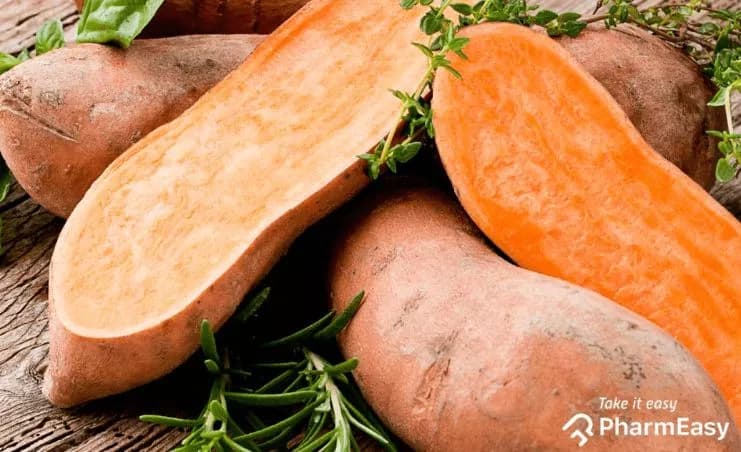
Sweet Potatoes (Shakarkandi): A Nutritional Powerhouse for Indian Diets
Meena, 45, a homemaker from Jaipur, noticed a persistent fatigue that impacted her daily chores. During a routine check-up, her doctor suggested incorporating more nutrient-dense foods into her diet.
Among the recommendations was shakarkandi, or the orange root vegetable, a versatile produce readily available across India, especially during cooler months and festival seasons. Have you ever wondered why this humble root vegetable is so revered in traditional Indian households?
Sweet potatoes, scientifically known as Ipomoea batatas, are not merely a delicious addition to our meals; they are a treasure trove of essential nutrients. In many cases, they are underestimated for their profound wellness benefits. They are a good source of complex carbohydrates, dietary roughage, essential vitamins (particularly Vitamin A in the form of its precursor, and Vitamin C), and minerals like potassium and manganese. The vibrant orange flesh signifies a high concentration of the precursor to Vitamin A, a potent antioxidant that the body converts into this crucial vitamin. A single medium-sized orange root vegetable (about 114 grams) can provide more than 100% of the recommended daily intake of this essential vitamin. This nutrient is crucial for vision, immune function, and skin wellness.
Nutritional Profile: More Than Just Sugar
While the name might suggest otherwise, the natural sugars in orange roots are released slowly into the bloodstream, making them a better choice than refined sugars. Their glycemic index (GI) can vary depending on the cooking method, but generally, cooked or steamed orange roots have a moderate GI, ranging from 44 to 96, with boiled varieties typically falling on the lower end. This is significantly lower than that of white tubers.
Practically speaking, this means they can be a part of a balanced diet for many individuals, including those managing their blood sugar levels. Over 101 million Indians have diabetes (ICMR, 2023), making understanding the GI of common foods crucial.
Beyond the vital vitamin A, orange roots offer a respectable amount of Vitamin C, which aids in immune support and collagen production. They also contain B vitamins, essential for energy metabolism. The roughage content is noteworthy; a medium orange root vegetable provides about 4 grams of this nutrient, aiding digestion and promoting satiety.
That's the part worth remembering.
This can be particularly helpful for weight management. Honestly, incorporating roughage-rich foods like shakarkandi is a simple yet effective strategy to improve gut wellness.
Health Benefits: A Boon for Well-being
The benefits of including orange roots in your diet are extensive. Their high precursor content for Vitamin A is a significant advantage. This antioxidant helps combat free radicals, potentially reducing the risk of chronic diseases like heart disease and certain cancers. Research published in journals like The Lancet has highlighted the role of antioxidants in disease prevention.
1. Boosts Immunity
The combination of Vitamin A and Vitamin C in orange roots acts as a powerful immune booster. Vitamin A is vital for maintaining the integrity of mucosal barriers in the eyes, lungs, and gut, which are the body's first lines of defense.
Vitamin C stimulates the production of white blood cells, which are crucial for fighting off infections. During the monsoon season, when infections are usual, a diet rich in Vitamin C can offer added protection.
2. Supports Vision Health
Vitamin A deficiency is a leading cause of preventable blindness worldwide, particularly in developing countries. The abundant precursor to Vitamin A in orange roots directly addresses this concern.
It is a precursor to rhodopsin, a protein in the eyes that absorbs light and converts it into signals for the brain, enabling us to see in low light conditions. Regular consumption can help maintain good eyesight and prevent age-related macular degeneration.
3. Promotes Healthy Skin
The antioxidants, particularly the precursor to Vitamin A, contribute to healthy, radiant skin. This precursor acts as a natural sunblock, offering some protection against UV damage, although it's not a substitute for sunscreen. It also helps in skin repair and can strengthen skin tone.
The numbers don't lie.
On top of that,, Vitamin C plays a role in collagen synthesis, keeping the skin firm and youthful. Have you ever noticed how many traditional beauty remedies involve natural ingredients?
4. Aids Digestive Health
The substantial roughage content in orange roots is excellent for the digestive system. This nutrient adds bulk to stool, promoting regular bowel movements and preventing constipation.
It also acts as a prebiotic, feeding beneficial gut bacteria, which are essential for overall wellness. A healthy gut microbiome is linked to improved immunity and even better mental health, as suggested by studies from institutions like AIIMS.
5. Potential Benefits for Blood Sugar Management
While orange roots do contain natural sugars and carbohydrates, their roughage content and moderate GI (especially when boiled or steamed) can make them a suitable choice for many individuals managing diabetes. The roughage slows down sugar absorption, preventing sharp spikes in blood glucose levels.
However, portion control is key. The International Diabetes Federation (IDF) emphasizes the importance of a balanced diet that includes a variety of nutrient-dense foods.
6. Supports Brain Function
Antioxidants found in orange roots may protect the brain from oxidative stress. Some research suggests that anthocyanins, found in purple orange root varieties, could enhance cognitive function and memory. The potassium content also contributes to healthy brain and nerve function by helping to maintain fluid balance and nerve signaling.
Culinary Uses in India
Shakarkandi is a beloved ingredient in Indian cuisine, enjoyed in various forms. During festivals like Karva Chauth or Navratri, it's often consumed during fasting periods due to its energy-giving properties.
The numbers don't lie.
It's commonly roasted over coals, imparting a smoky flavour, and then enjoyed simply with a sprinkle of salt and lemon. This street-food favourite is both delicious and nutritious.
Boiled orange roots are used to make 'aloo tikki' substitutes, 'chaat' preparations, or mashed into 'parathas'. Candied orange root dishes are also popular, although these tend to be high in added sugar. The versatility extends to desserts, where orange root puree can be incorporated into puddings or 'kheer'.
Given India's diverse culinary landscape, the ways to prepare shakarkandi are endless, reflecting its cultural significance. Sitting on the floor and sharing a plate of roasted shakarkandi during a family gathering is a cherished memory for many.
Potential Side Effects and Precautions
Despite their numerous benefits, excessive consumption of orange roots can lead to certain side effects. What should you actually do if you eat too many?
1. Digestive Issues
The high roughage content, while beneficial, can cause bloating, gas, and abdominal discomfort if consumed in very large quantities, especially by individuals not accustomed to a high-roughage diet. Gradually increasing roughage intake is advisable.
2. Hypervitaminosis A (Carotenemia)
Consuming extremely large amounts of orange roots, particularly over an extended period, could theoretically lead to carotenemia – a harmless condition where the skin turns yellowish-orange due to excess precursor to Vitamin A. This is different from jaundice and resolves when intake is reduced.
The numbers don't lie.
This is rare but possible with very high consumption.
3. Interactions with Medications
For individuals taking certain medications, like blood thinners (e.g., warfarin), the high Vitamin K content in orange roots might interfere with their effectiveness. While the amount of Vitamin K is not exceptionally high compared to leafy greens, it's something to be mindful of. Consulting a doctor is prudent if you are on such medication.
4. Blood Sugar Concerns for Some
Although generally considered beneficial, individuals with specific metabolic conditions or those highly sensitive to carbohydrate intake should monitor their blood sugar response after consuming orange roots. Portion size and cooking method remain critical factors.
It's estimated that around 15% of the Indian population experiences some form of glucose intolerance.
Choosing and Storing Sweet Potatoes
Look for firm orange roots with smooth skin and no soft spots or blemishes. The size doesn't necessarily indicate flavour or nutrient content. Store them in a cool, dark, and well-ventilated place, but not in the refrigerator, as cold temperatures can damage their texture and flavour. They can last for several weeks when stored properly.
Key Takeaways
- Orange roots are rich in Vitamin A (precursor), Vitamin C, roughage, and essential minerals.
- They support immunity, vision health, skin health, and digestion.
- Their moderate glycemic index makes them a potentially good carbohydrate source for managing blood sugar, when consumed in moderation.
- Enjoy shakarkandi roasted, boiled, or incorporated into various Indian dishes.
- Excessive intake may lead to digestive upset or carotenemia; consult a doctor if concerned about medication interactions.
Always consult a qualified physician before making any medical decisions.