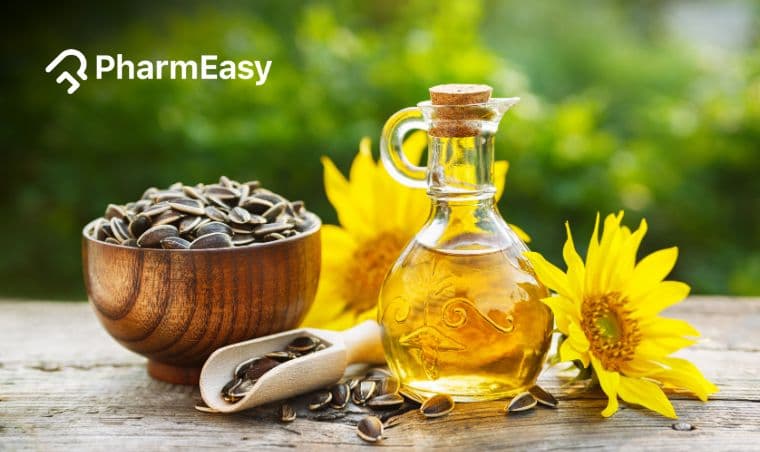
The Truth about Sunflower Oil: Is it Really Bad for You?
Meena, 45, a homemaker from Jaipur, noticed a persistent dull ache in her joints. Coupled with frequent headaches and a general feeling of fatigue, she started questioning her diet. For years, sunflower oil had been her go-to for everything from tempering spices to frying pakoras during the monsoon.
But lately, whispers about its supposed ill effects had reached her ears. Have you ever wondered why? Is this ubiquitous cooking oil, found in almost every Indian kitchen, truly a silent saboteur of our well-being?
Derived from the seeds of the sunflower plant, this oil is one of the most widely consumed cooking oils globally, and its popularity in India is undeniable. Its light flavour, high smoke point, and perceived wellness benefits have made it a staple.
However, the narrative surrounding its impact on health is complex and often contradictory. Let's dissect the science behind it, separating fact from fiction, especially within the context of the Indian culinary landscape.
This is where most patients struggle.
Understanding Sunflower Oil's Nutritional Profile
This oil is primarily composed of fatty acids. The specific type of sunflower oil matters significantly, as processing methods can alter its fatty acid composition.
Generally, it's rich in polyunsaturated fats (PUFAs), particularly linoleic acid (an omega-6 fatty acid), and also contains monounsaturated fats (MUFAs) and a smaller amount of saturated fats. Think about it this way: the balance of these fats dictates its wellness implications.
Omega-6 Fatty Acids: A Double-Edged Sword
The high concentration of omega-6 fatty acids, specifically linoleic acid, is what often draws criticism towards sunflower oil. While omega-6s are essential fatty acids, meaning our bodies cannot produce them and we must obtain them from our diet, an imbalance in their consumption relative to omega-3 fatty acids can be problematic. What most people miss: the ratio of omega-6 to omega-3 is crucial for wellness.
Modern diets, often laden with processed foods and certain vegetable oils like conventional sunflower oil, tend to be excessively high in omega-6s. This imbalance can promote chronic inflammation, a root cause of many non-communicable diseases such as heart disease, arthritis, and certain cancers. For instance, a diet with a high omega-6 to omega-3 ratio has been linked to increased inflammatory markers.
Practically speaking, while omega-6s are necessary for skin health, cell membrane function, and even hair growth, their overconsumption can lead to adverse effects. The recommended ratio of omega-6 to omega-3 fatty acids is generally considered to be between 1:1 and 4:1.
Here's where it gets interesting.
However, many Western and Indian diets often exhibit ratios as high as 10:1 or even 20:1. This disproportionate intake is a significant concern.
Smoke Point and Cooking Methods
Sunflower oil's high smoke point (around 232°C or 450°F for refined varieties) makes it suitable for high-heat cooking methods like frying and sautéing. This characteristic is particularly relevant in Indian cooking, which often involves deep-frying during festive seasons or preparing everyday dishes like sabzis that require generous amounts of oil. A high smoke point means the oil is less likely to break down and produce harmful compounds like acrolein when heated to high temperatures.
However, the type of sunflower oil matters here too. Unrefined or cold-pressed sunflower oil has a lower smoke point and is better suited for dressings or low-heat cooking.
The reality is, when oil is heated beyond its smoke point, it degrades, releasing free radicals and potentially toxic substances. While refined sunflower oil's high smoke point offers some protection, repeated heating or prolonged high-temperature cooking can still compromise its integrity.
This is a critical point to consider for individuals who frequently deep-fry foods.
Health Benefits Associated with Sunflower Oil
Despite the concerns about omega-6s, sunflower oil does offer certain wellness advantages, particularly varieties that are high in oleic acid (high-oleic sunflower oil).
Heart Health
Sunflower oil is a source of vitamin E, a powerful antioxidant that helps protect cells from damage caused by free radicals. Antioxidants are vital for overall wellness and may play a role in reducing the risk of chronic diseases. On top of that,, the monounsaturated and polyunsaturated fats found in sunflower oil can contribute to improved cardiovascular health.
Replacing saturated fats with unsaturated fats, as found in sunflower oil, is recommended by health organisations like the World Health Organization (WHO) for lowering LDL (bad) cholesterol levels. Studies published in journals like The Lancet have shown that diets rich in unsaturated fats can reduce the danger of heart disease.
That alone changes everything.
High-oleic sunflower oil, which has a higher proportion of monounsaturated fats and less linoleic acid, is particularly beneficial for heart health. It can help lower total and LDL cholesterol while maintaining HDL (good) cholesterol.
This makes it a healthier alternative to oils high in saturated fats, such as butter or coconut oil, when used in moderation.
Skin Health
The linoleic acid content in sunflower oil, when consumed or applied topically, has been associated with improved skin barrier function and hydration. It plays a role in maintaining the skin's natural protective layer, which is crucial for preventing moisture loss and protecting against environmental irritants.
For conditions like eczema, topical application of sunflower seed oil has shown promise in improving skin hydration and reducing inflammation, according to some dermatological studies.
Potential Risks and Concerns
The primary concern with conventional sunflower oil revolves around its high omega-6 content and the potential for it to promote inflammation when consumed in excess, especially when the omega-3 intake is low. Have you ever wondered why a diet rich in healthy fats can still be problematic if the balance is off?
Inflammation and Chronic Diseases
Going back to what we discussed, the pro-inflammatory potential of excessive omega-6 intake is a marked concern. Chronic inflammation is implicated in many kinds of health issues, including cardiovascular disease, type 2 diabetes (over 101 million Indians have diabetes, as per ICMR, 2023), arthritis, and certain cancers.
Here's where it gets interesting.
While omega-6s are essential, achieving a healthier balance with adequate omega-3 intake from sources like fatty fish, flaxseeds, or walnuts is paramount. The reality is, our modern food environment often makes this balance difficult to achieve without conscious effort.
Processing and Oxidation
Many commercially available sunflower oils are highly refined, bleached, and deodorized. This processing can strip away some of the natural nutrients and antioxidants present in the oil.
What's more,, the polyunsaturated nature of conventional sunflower oil makes it more susceptible to oxidation when exposed to heat, light, or air. Oxidized oils can generate harmful compounds that may contribute to cellular damage and disease progression.
Practically speaking, storing your cooking oils in dark, cool places and using them within their recommended shelf life can support mitigate some of these risks. Opting for cold-pressed or high-oleic varieties can also offer a more stable and potentially healthier option.
Sunflower Oil in the Indian Context
India's diverse culinary traditions present a unique perspective on the use of cooking oils. While sunflower oil is popular, traditional Indian diets often incorporated a variety of oils, including mustard oil (rich in MUFAs and PUFAs, including some omega-3s), groundnut oil, and ghee.
Most people overlook this completely.
These traditional oils, when used in balance, might have offered a more favourable fatty acid profile compared to a diet solely reliant on conventional sunflower oil.
Consider the practice of sitting on the floor for meals, a common cultural practice in many Indian homes. This posture can influence digestion and the overall meal experience. The types of fats consumed alongside these traditional meals also played a role.
The increasing adoption of refined vegetable oils, including sunflower oil, in urban India, sometimes at the expense of traditional oils, warrants careful consideration. The Indian Council of Medical Research (ICMR) has highlighted the changing dietary patterns and their impact on public health.
Choosing the Right Type of Sunflower Oil
What should you actually do? When selecting sunflower oil, pay attention to the label. Look for 'high-oleic' sunflower oil if your primary concern is heart health and reducing inflammation.
These varieties have a higher percentage of monounsaturated fats (oleic acid) and a lower percentage of linoleic acid (omega-6). They are also more stable at higher temperatures, making them a better choice for cooking. Unrefined or cold-pressed sunflower oil is another option for those seeking less processed alternatives, though it's best used for low-heat applications or salad dressings due to its lower smoke point.
The reality is, not all sunflower oils are created equal. The processing method and fatty acid profile can dramatically alter its wellness impact. A standard refined sunflower oil, while widely available and affordable, may not be the optimal choice for long-term wellness if consumed in large quantities without balancing omega-3 intake.
The numbers don't lie.
Recommendations for Healthy Oil Consumption
Moderation and variety are key For cooking oils. Instead of relying solely on sunflower oil, consider incorporating a rotation of different healthy oils into your cooking. This approach helps ensure a more balanced intake of various fatty acids.
For everyday cooking, including sautéing and light frying, using oils like groundnut oil, rice bran oil, or high-oleic sunflower oil can be beneficial. For salad dressings and low-heat preparations, extra virgin olive oil or cold-pressed flaxseed oil (a rich source of omega-3s) are excellent choices.
During festive occasions, when deep-frying might be more typical, using oils with a higher smoke point and stability, such as refined groundnut oil or high-oleic sunflower oil, and consuming fried foods in moderation is advisable. Remember that even healthy oils contribute calories, and overall dietary patterns are more important than a single ingredient.
Think about it this way: a varied diet is like a well-balanced orchestra, where each instrument plays its part harmoniously. Relying too heavily on one oil is like having a single instrument dominate the performance – it can create an imbalance.
The numbers don't lie.
The International Diabetes Federation (IDF) also emphasizes the role of diet in managing and preventing diabetes, underscoring the importance of informed food choices.
Balancing Omega-3 and Omega-6 Intake
The most critical takeaway regarding sunflower oil and overall wellness is the need to balance omega-6 and omega-3 fatty acids. If you consume conventional sunflower oil regularly, consciously increase your intake of omega-3 rich foods.
This includes fatty fish like mackerel and salmon, flaxseeds (alsi), chia seeds, walnuts (akhrot), and soybeans. Incorporating these foods into your daily meals can aid counteract the potential pro-inflammatory effects of excessive omega-6 consumption.
Have you ever wondered why a diet that seems 'healthy' might still lead to wellness issues? The answer often lies in the subtle but notable imbalances, like the omega-6 to omega-3 ratio. Conscious dietary adjustments are crucial.
Key Takeaways
- Conventional sunflower oil is high in omega-6 fatty acids, which can promote inflammation if consumed in excess relative to omega-3s.
- High-oleic sunflower oil offers a better fatty acid profile with more monounsaturated fats, making it a potentially healthier choice for heart health.
- The smoke point of refined sunflower oil is high, making it suitable for high-heat cooking, but repeated heating can still degrade the oil.
- Balancing omega-6 intake with adequate omega-3s from sources like fatty fish, flaxseeds, and walnuts is crucial for overall wellness.
- Incorporating a variety of cooking oils rather than relying solely on one type promotes a more balanced intake of essential fatty acids.
Always consult a qualified physician before making any medical decisions.