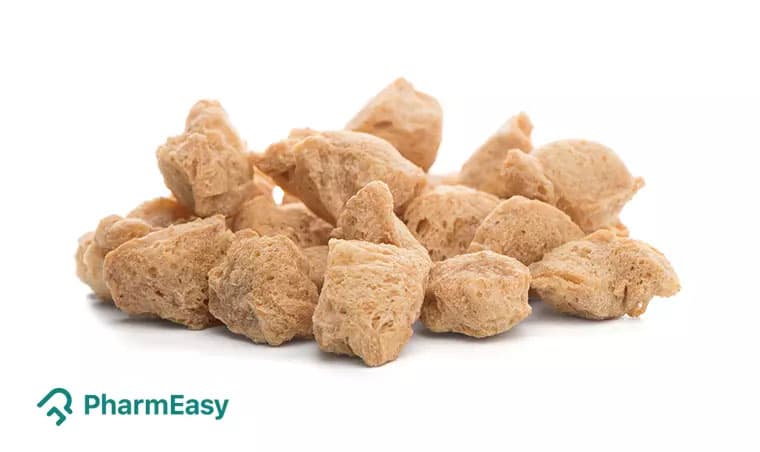
Soya Chunks: A Nutritional Powerhouse for Households
Meena, 45, a homemaker from Jaipur, noticed her family’s energy levels dipping, especially after long days managing household chores and helping her children with studies. Concerned about nutrition, she started incorporating soya chunks into their meals, replacing some of the traditional pulses and vegetables. Her aim was simple: to boost protein levels without drastically changing their familiar dietary habits.
What many overlook: soya chunks, often referred to as 'Nutrela' in India, are a highly versatile and protein-rich food derived from defatted soya flour. They have become a staple in many kitchens, celebrated for their affordability and nutritional benefits.
Honestly, the surge in popularity of plant-based diets globally has only amplified the significance of soya chunks. They are a complete protein source, meaning they contain all nine essential amino acids that our bodies cannot produce on their own. This is particularly vital for vegetarians and vegans in India, where meat consumption can be limited due to cultural or economic reasons.
For instance, a 100-gram serving of cooked soya chunks can provide approximately 52 grams of protein, significantly more than many other vegetarian protein sources. This remarkable protein content is crucial for muscle building, tissue repair, and overall bodily functions.
It sounds simple. It rarely is.
The Nutritional Profile of Soya Chunks
When we talk about nutrition, soya chunks truly shine. Beyond their impressive protein content, they are a good source of dietary fiber, which aids digestion and promotes satiety. This fiber content can be especially beneficial during monsoon season, when digestive issues tend to be more common in India. On top of that,, these chunks are low in saturated fat and contain beneficial polyunsaturated fats. They are also rich in essential minerals like iron, calcium, magnesium, and phosphorus. The presence of iron is particularly noteworthy, as iron deficiency anemia is a widespread concern, affecting millions in India. A study published in The Lancet highlighted the persistent burden of anemia, underscoring the importance of iron-rich foods in the diet.
Think about it this way: a typical meal, which often revolves around carbohydrates like rice and roti, can be significantly enhanced nutritionally by adding soya chunks. They provide a much-needed protein and micronutrient boost.
The International Diabetes Federation (IDF) estimates that India will have over 101 million adults living with diabetes by 2030, making dietary choices that support blood sugar management critically important. Soya chunks, with their high protein and fiber content, can help in moderating blood glucose levels due to their low glycemic index.
Key Macronutrients and Micronutrients
- Protein: Approximately 50-52g per 100g (cooked), making them one of the richest plant-based protein sources.
- Fiber: Aids in digestion and helps maintain a healthy gut microbiome.
- Vitamins and Minerals: Good source of iron, calcium, magnesium, phosphorus, and B vitamins.
- Fats: Low in saturated fat and contain healthy unsaturated fats.
Benefits of Incorporating Soya Chunks
The benefits of adding soya chunks to your diet are extensive. For individuals looking to manage their weight, the high protein and fiber content contribute to increased feelings of fullness, potentially reducing overall calorie consumption.
This can be a game-changer for those struggling with obesity, a growing concern in urban India. In many cases, individuals find that incorporating soya chunks helps them feel satisfied for longer periods, curbing unhealthy snacking habits.
This is where most patients struggle.
Cardiovascular well-being is another area where soya chunks can make a positive impact. The American Heart Association (AHA) has long recommended diets rich in plant-based proteins and low in saturated fats for heart care.
Soya protein itself has been linked to a reduction in LDL (bad) cholesterol levels. Regular consumption may contribute to a healthier lipid profile, reducing the risk of heart disease, a leading cause of mortality in India.
Does this sound familiar? Many people associate festive diets in India with rich, often unhealthy, preparations.
Introducing soya chunks can offer a healthier alternative or addition to traditional festive dishes, providing essential nutrients without the excess fat and calories. They can be marinated and grilled, added to curries, or even used in savory snacks, making them adaptable to various culinary preferences.
Benefits for Specific Health Conditions
- Muscle Growth and Repair: The complete amino acid profile supports muscle development, making them a favourite among athletes and fitness enthusiasts.
- Bone Health: Soya contains isoflavones and minerals like calcium and magnesium, which are essential for maintaining bone density and strength. This is crucial as people age, especially women post-menopause, to combat osteoporosis.
- Diabetes Management: Their low glycemic index and high fiber content aid in managing blood sugar levels. Studies supported by the Indian Council of Medical Research (ICMR) have explored the role of plant-based proteins in metabolic health.
- Menopausal Symptoms: Soya isoflavones are phytoestrogens that may support alleviate some menopausal indicators like hot flashes in some women.
Culinary Uses in Cuisine
The versatility of soya chunks in cooking is remarkable. They readily absorb flavours, making them an excellent substitute for meat in various dishes. From a hearty 'Soya Curry' that mimics the texture of chicken curry to 'Soya Biryani' where they add a protein punch, the possibilities are endless.
Most people overlook this completely.
Many families enjoy them stir-fried with vegetables or added to traditional lentil dishes ('dal') for an extra boost. They can even be ground and used as a binder in cutlets or incorporated into paratha fillings.
Consider the popular 'Soya Keema' — a minced soya preparation that can be used just like traditional keema in dishes like 'Soya Keema Matar' or 'Soya Keema Pav'. This allows individuals who are accustomed to meat-based dishes to enjoy similar textures and flavours while opting for a plant-based protein.
Floor sitting is a usual practice in many homes during meals, and having nutritious, easy-to-digest options like soya preparations can be very appealing for the whole family.
So what does that mean for you? It means you can easily integrate soya chunks into your daily meals without compromising on taste or cultural food practices.
They can be a star ingredient or a supporting player, adding nutritional value to almost any savoury dish. Their ability to be prepared in numerous ways—boiled, fried, baked, or added directly to gravies—makes them incredibly user-friendly for home cooks.
Potential Side Effects and Precautions
While soya chunks offer numerous benefits, it’s key to be aware of potential side effects and take necessary precautions. Excessive consumption of soy products, including soya chunks, might lead to digestive issues like bloating or gas in some individuals, especially if their digestive system is not accustomed to high fiber consumption.
Most people overlook this completely.
Starting with smaller portions and gradually increasing intake can assist mitigate these effects.
What many overlook: concerns about soy and thyroid function have been raised. Soy contains goitrogens, which can potentially interfere with thyroid hormone production, particularly in individuals with pre-existing thyroid conditions or iodine deficiency.
However, research from institutions like the National Institutes of Health (NIH) suggests that moderate consumption of soy foods is generally safe for most people, including those with hypothyroidism, provided their iodine consumption is adequate. The World Health Organization (WHO) also emphasizes the importance of balanced diets and sufficient iodine for thyroid well-being.
For individuals with soy allergies, consumption is obviously contraindicated. Allergic reactions can range from mild skin rashes to severe anaphylaxis. It is crucial to identify and avoid any food allergens.
On top of that,, while soya isoflavones have potential benefits, their effect on hormone-sensitive conditions (like certain types of breast cancer) is a subject of ongoing research. Women with a history of such conditions are often advised to consult their doctor before significantly increasing their soy consumption.
That alone changes everything.
Recommendations for Consumption
- Moderation is Key: Aim for moderate consumption as part of a balanced diet.
- Start Slowly: If new to soya chunks, begin with small servings to allow your digestive system to adapt.
- Ensure Adequate Iodine: If you have thyroid concerns, ensure sufficient iodine from other sources (like iodized salt).
- Listen to Your Body: Pay attention to how your body reacts and adjust intake accordingly.
- Consult Healthcare Professionals: Especially if you have underlying health conditions or allergies.
Does this sound familiar? The drive to adopt healthier eating habits often leads people to explore new foods, but understanding how these foods fit into one's lifestyle and health status is paramount.
Soya chunks offer a compelling blend of nutrition and affordability, making them an excellent addition to the diet. By understanding their benefits, culinary applications, and potential considerations, you can effectively incorporate them into your family's meals.
The journey towards a healthier nation is paved with informed food choices. Soya chunks represent a significant opportunity to enhance protein levels, support various health goals, and embrace a more plant-centric way of eating.
They are a testament to how humble ingredients can become nutritional powerhouses, supporting the well-being of millions across the country.
Key Takeaways:
- Soya chunks are a complete plant-based protein source, rich in essential amino acids.
- They offer meaningful amounts of fiber, iron, and other essential minerals.
- Benefits include support for muscle growth, weight management, and cardiovascular well-being.
- Their low glycemic index makes them suitable for managing blood sugar levels.
- Moderate consumption is generally safe, but individuals with thyroid issues or soy allergies should exercise caution and consult a doctor.
Always consult a qualified physician before making any medical decisions.