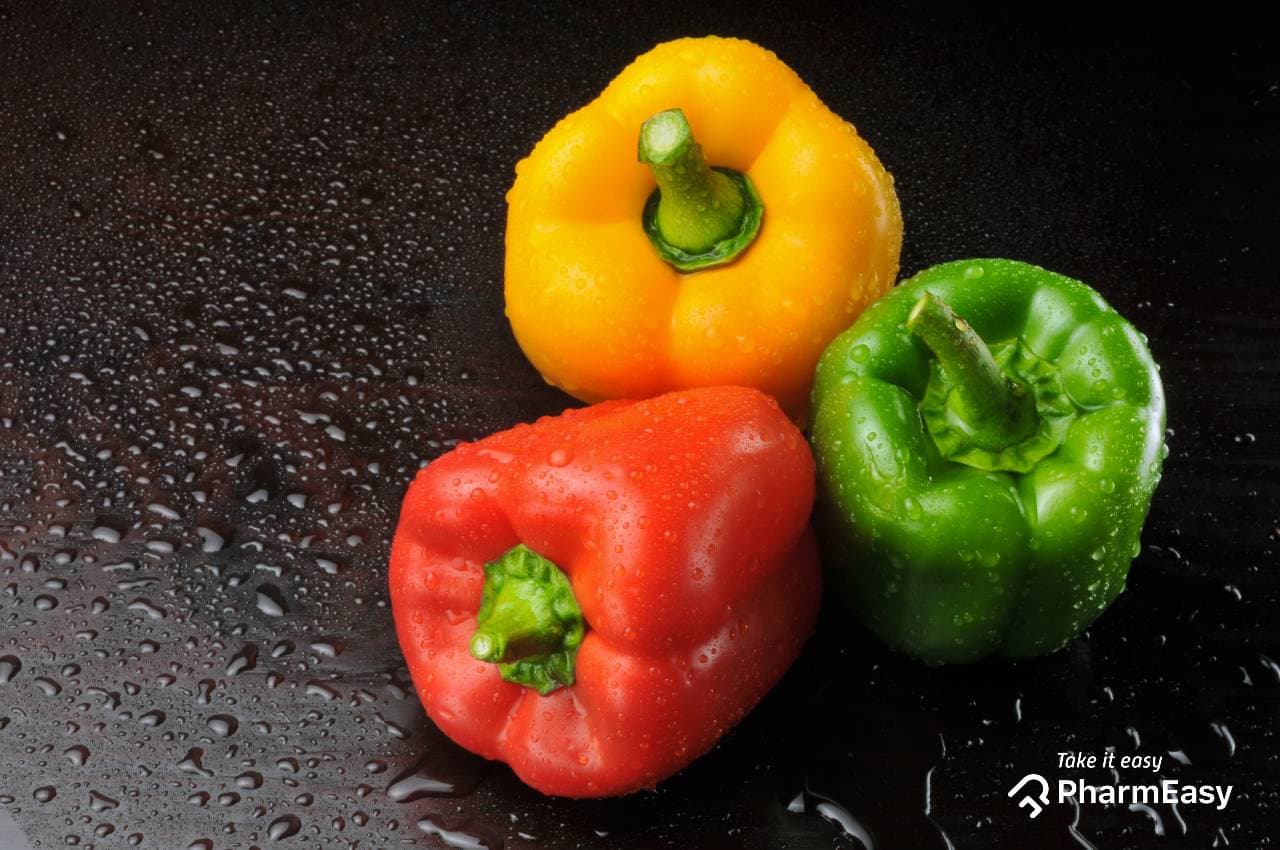
Bell Pepper: A Versatile Vegetable for Well-being and Taste
Meena, 45, a homemaker from Jaipur, noticed her skin looking dull and her immunity feeling low, especially during the monsoon season. Her doctor suggested incorporating more colourful vegetables into her diet. Among the recommendations was bell pepper, a staple in many Indian kitchens. This vibrant vegetable, often found in shades of green, red, and yellow, is much more than just a colourful addition to curries and stir-fries; it's a powerhouse of nutrients offering significant well-being advantages.
Worth knowing: While commonly referred to as bell pepper in Western countries, in India, it's almost universally known as Shimla Mirch, likely due to its historical cultivation or introduction through the cooler climes of Shimla. Its culinary versatility makes it a favourite across various Indian cuisines, from North Indian sabzis to South Indian sambar and even street food like pakoras.
Nutritional Profile of Bell Pepper
Understanding the nutritional value of bell pepper is key to appreciating its benefits. It's an excellent source of essential vitamins and minerals. A single cup (about 149 grams) of chopped red capsicum provides:
- Vitamin C: Approximately 190 mg, which is more than double the recommended daily intake for an adult. For context, a medium orange offers about 70 mg.
- Vitamin A: major amounts, particularly in red and yellow varieties, crucial for vision and immune function.
- Vitamin B6: Important for brain development and function.
- Folate (B9): Essential for cell growth and metabolism.
- Potassium: Helps maintain fluid balance and blood pressure.
- Dietary Fiber: Aids digestion and promotes satiety.
Here's the thing: the colour of bell pepper often indicates its nutrient density. Red capsicums, being the most mature, generally contain higher levels of antioxidants and vitamins compared to green ones. For instance, red bell peppers contain about 11 times more beta-carotene than green bell peppers.
Well-being Benefits of Consuming Bell Pepper
The rich nutrient profile of bell pepper translates into a wide array of well-being benefits. Its regular consumption can contribute positively to overall vitality.
Boosts Immunity
Bell pepper is exceptionally rich in Vitamin C, a potent antioxidant. Vitamin C makes a real difference in strengthening the immune system by stimulating the production and function of white blood cells, which are the body's primary defence against infections.
That alone changes everything.
One medium red capsicum provides over 150% of your daily Vitamin C needs. This makes it an invaluable food, especially during seasons when common colds and flu are prevalent, such as the post-monsoon period in India.
Promotes Eye Health
The vibrant colours of capsicum, particularly red and yellow varieties, are due to carotenoids like lutein and zeaxanthin. These compounds are powerful antioxidants that accumulate in the retina and help protect the eyes from damage caused by UV light and oxidative stress. They are instrumental in reducing the risk of age-related macular degeneration (AMD) and cataracts, two leading causes of vision loss.
Have you ever wondered why some elders recommend eating colourful vegetables for good eyesight? This is one of the primary reasons.
Supports Cardiovascular Health
Capsicum contains several compounds that benefit heart health. Its high Vitamin C content acts as an antioxidant, protecting blood vessels from damage. Additionally, the presence of fiber helps in managing cholesterol levels.
Potassium contributes to regulating blood pressure by counteracting the effects of sodium. Some studies, including those published in journals like *The Lancet*, have explored the role of dietary antioxidants in reducing the likelihood of heart disease. Over 101 million Indians have diabetes (ICMR, 2023), a condition closely linked to cardiovascular issues, making heart-healthy foods like bell pepper even more critical.
That alone changes everything.
Aids in Weight Management
Bell pepper is low in calories and high in fiber and water content. This combination makes it an excellent food for weight management. The fiber helps you feel fuller for longer, reducing overall calorie intake.
On top of that,, capsicum contains capsaicin (though in much lower concentrations than in hot peppers), which some research suggests might have a slight metabolism-boosting effect. Incorporating it into meals, perhaps as a crunchy salad or a filling in a roti, can be a smart dietary strategy.
Rich Source of Antioxidants
Beyond Vitamin C and carotenoids, capsicum contains various other antioxidants, including flavonoids and phenolic compounds. These antioxidants combat free radicals in the body, unstable molecules that can cause cellular damage and contribute to chronic diseases like cancer and aging.
The varied antioxidant profile helps protect the body at a cellular level.
Improves Skin Health
The antioxidant properties of bell pepper, particularly Vitamin C, are vital for skin health. Vitamin C is essential for collagen production, a protein that gives skin its structure, elasticity, and firmness.
It sounds simple. It rarely is.
Adequate collagen helps in wound healing and reduces the appearance of wrinkles. Antioxidants also protect the skin from sun damage and pollution, contributing to a healthier, more radiant complexion.
Potential Anti-Cancer Properties
While more research is needed, preliminary studies suggest that the antioxidants found in capsicum may have anti-cancer properties. Compounds like quercetin and vitamin C can enable protect cells from DNA damage and inhibit the growth of cancerous cells.
Research from institutions like the National Cancer Institute has explored the link between diets rich in colourful vegetables and a reduced danger of certain cancers.
Culinary Uses in Indian Cuisine
Bell pepper's mild flavour and crisp texture make it incredibly versatile in Indian cooking. It pairs wonderfully with robust spices and other vegetables.
Stir-fries and Sabzis
It's a typical ingredient in vegetable stir-fries (like 'Mixed Vegetable' or 'Paneer Bhurji') and traditional sabzis, where it adds a sweet crunch and vibrant colour. Often sautéed with onions, tomatoes, and a blend of Indian spices like cumin, coriander, and turmeric, it transforms simple dishes into flavourful meals.
Think of a delicious Aloo Shimla Mirch – a classic North Indian preparation.
Stuffings and Fillings
Chopped or grated bell pepper is frequently used as a filling for parathas, samosas, and rolls. It adds moisture and a subtle sweetness to these popular snacks and breakfast items. Its ability to soften when cooked while retaining some bite makes it ideal for such applications.
That's the part worth remembering.
Salads and Raitas
Raw, finely chopped capsicum adds a refreshing crunch and peppery note to Indian salads and raitas. Its bright colours make any salad visually appealing. It complements cooling ingredients like yogurt in raitas beautifully.
Curries and Gravies
Sliced capsicum can be added to various curries and gravies, imparting a mild sweetness and helping to thicken the sauce slightly as it cooks down. It’s a frequent addition to dishes like Paneer Butter Masala or mixed vegetable curries.
As a Garnish
Sometimes, thin strips of raw capsicum are used as a colourful garnish, adding a fresh, crisp element to finished dishes.
Potential Side Effects and Precautions
Despite its numerous benefits, there are a few potential side effects and considerations associated with consuming bell pepper, especially for individuals with certain sensitivities.
Digestive Issues
For some individuals, particularly those with sensitive digestive systems or Irritable Bowel Syndrome (IBS), capsicum can cause gas, bloating, or abdominal discomfort. This is often due to its fiber content or, in rare cases, a mild intolerance. Starting with small quantities can enable gauge tolerance.
Allergies
While uncommon, allergic reactions to capsicum can occur. Symptoms might include itching, hives, or digestive upset. If you suspect an allergy, discontinue consumption and consult a doctor.
Interaction with Medications
Capsicum is generally safe, but in very large amounts (typically through supplements), it might interact with certain medications, such as blood thinners. However, dietary intake is unlikely to cause considerable interactions for most people. If you are on medication, it’s always wise to discuss dietary changes with your healthcare provider.
That's the part worth remembering.
Nightshade Sensitivity
Capsicum belongs to the nightshade family (Solanaceae), which also includes tomatoes, potatoes, and eggplants. Some individuals report experiencing inflammation or joint pain when consuming nightshade vegetables. If you have a known sensitivity to nightshades, you may need to limit your intake of bell pepper.
But why does this happen? The exact reasons for nightshade sensitivity are not fully understood, but some theories point to alkaloids present in these vegetables, though scientific evidence is often limited. Honestly, for the vast majority of people, the benefits far outweigh these potential concerns.
Choosing and Storing Bell Pepper
Selecting the best bell pepper involves looking for firm, glossy vegetables with smooth skin. Avoid those that are wrinkled, bruised, or soft.
Green capsicums are typically harvested before they ripen, while red, yellow, and orange ones are allowed to mature, resulting in a sweeter flavour and higher nutrient content. Store them in the refrigerator, preferably in a plastic bag, to maintain their freshness for up to a week.
Summary
Bell pepper is a nutritional powerhouse that offers a wealth of well-being benefits, from boosting immunity and protecting vision to supporting heart health and enhancing skin radiance. Its culinary versatility makes it an easy and delicious addition to the Indian diet.
The numbers don't lie.
By understanding its nutritional profile and incorporating it wisely into meals, you can harness its full potential for a healthier life.
Always consult a qualified physician before making any medical decisions.
Key Takeaways
- Bell pepper is exceptionally rich in Vitamin C, offering more than double the daily requirement in a single serving.
- Red and yellow varieties are packed with antioxidants like lutein and zeaxanthin, crucial for eye health.
- The vegetable is low in calories and high in fiber, making it beneficial for weight management and digestive health.
- It contributes to immune function, skin health through collagen production, and cardiovascular well-being.
- While generally safe, some individuals may experience digestive issues or sensitivities, particularly those with IBS or nightshade intolerance.