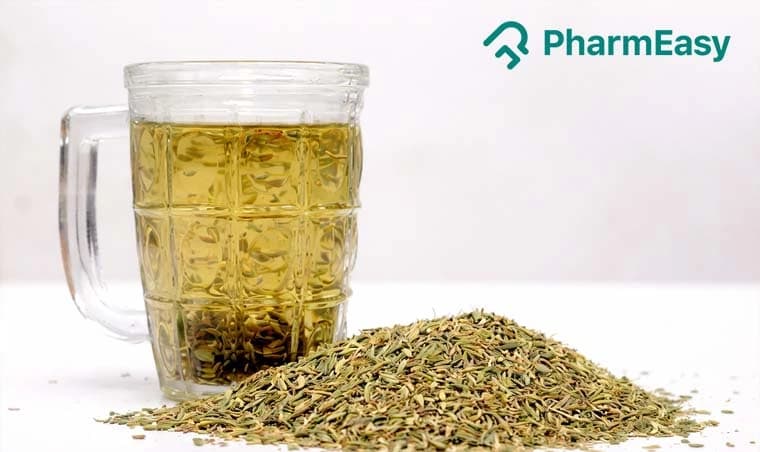
Aniseed Elixir: A Kitchen Panacea?
Meena, 45, a homemaker from Jaipur, experienced persistent bloating and acidity after meals, particularly after enjoying festive sweets during Diwali. Her grandmother recommended a straightforward home remedy: a glass of warm aniseed infusion each morning.
Within a week, Meena noticed a significant improvement in her digestion. This age-old practice, prevalent in many households, underscores the potential of humble ingredients like aniseed in promoting well-being.
Aniseed infusion, created by steeping aniseed in liquid, is more than just a palate cleanser; it’s a potent elixir supported by centuries of traditional use and emerging scientific research. In this region, aniseed is not only a common post-meal digestive aid but also a staple in various culinary preparations, reflecting its cultural significance.
Have you ever pondered why this custom is so widespread?
Worth knowing: The global market for culinary herbs and spices, including aniseed, is substantial, indicating a worldwide appreciation for their flavour and beneficial properties. The domestic spice market alone is a marked contributor to this global trade.
That's the part worth remembering.
What is Aniseed Infusion?
At its core, aniseed infusion is a simple steeping process. Aniseed, scientifically known as Foeniculum vulgare, is steeped in liquid, either hot or cold, to extract its beneficial compounds. These small, aromatic seeds are rich in essential oils, vitamins, and minerals that contribute to their therapeutic effects. The preparation is uncomplicated, making it an accessible remedy for many.
The Science-Backed Benefits of Aniseed Infusion
The traditional wisdom surrounding aniseed infusion is increasingly being validated by scientific inquiry. The compounds present in aniseed, such as anethole, have demonstrated promising health benefits. Let's explore some of the most meaningful advantages:
1. Digestive Dynamo
This is perhaps the most celebrated benefit of aniseed infusion. Aniseed is renowned for its carminative properties, meaning it helps expel gas from the digestive tract.
This can alleviate bloating, indigestion, and abdominal cramps. Consider it this way: the essential oils in aniseed relax the intestinal muscles, allowing trapped gas to escape and providing much-needed relief.
The reality is, digestive issues are incredibly typical. According to the Indian Society of Gastroenterology, a marked percentage of the population suffers from various gastrointestinal problems annually, ranging from acidity to irritable bowel syndrome (IBS).
Anethole, a primary component of aniseed oil, exhibits anti-spasmodic and anti-inflammatory effects, which are crucial for soothing an upset stomach. Regular consumption can lead to a more regulated and comfortable digestive process.
The numbers don't lie.
The World Health Organization (WHO) has also acknowledged the use of herbal medicines for digestive complaints, underscoring the global relevance of such remedies.
2. Skin Health Enhancer
The antioxidants and potential antimicrobial properties found in aniseed can contribute to healthier skin. Antioxidants combat free radicals, which are known to cause premature aging. What's more,, aniseed infusion's diuretic effect may help flush out toxins from the body, which can often manifest as skin blemishes.
Some studies, though preliminary, suggest that compounds in aniseed may possess phytoestrogenic activity, which could potentially improve skin elasticity and reduce wrinkles. While not a substitute for a robust skincare routine, incorporating aniseed infusion can be a supportive measure.
This natural approach is particularly appealing in a culture where natural beauty and traditional remedies are highly valued.
3. Weight Management Aid
While aniseed infusion is not a magic bullet for weight loss, it can certainly be a helpful addition to a healthy lifestyle. Its diuretic properties can aid reduce fluid retention, making you feel less bloated. Additionally, aniseed can assist boost metabolism slightly and promote a feeling of fullness, potentially curbing overeating.
Practically speaking, substituting sugary beverages with aniseed infusion can significantly reduce calorie intake. A study published in the Journal of the Indian Medical Association highlighted the role of lifestyle modifications, including dietary changes, in managing obesity, a growing concern across the country.
The fibre content in aniseed also contributes to satiety. Over 101 million individuals were estimated to have diabetes in 2023 (ICMR), and managing weight is a critical component of diabetes care and prevention, making aniseed infusion a potentially beneficial beverage for many.
Here's where it gets interesting.
4. Respiratory Relief
In traditional regional medicine, aniseed has been used to alleviate coughs and colds. The expectorant properties of aniseed can benefit loosen mucus in the respiratory tract, making it easier to expel. The anti-inflammatory effects may also soothe a sore throat.
Does this sound familiar? Many households still rely on aniseed-based concoctions during the monsoon season when respiratory infections are more prevalent.
5. Potential for Blood Sugar Control
Emerging research suggests that aniseed may have a positive impact on blood sugar levels. Compounds in aniseed might strengthen insulin sensitivity and aid regulate glucose absorption. However, more extensive clinical trials are needed to confirm these effects definitively.
Given the rising tide of diabetes in the nation—projected to be a global leader in the condition—any natural aid that shows potential in managing blood sugar warrants attention. The International Diabetes Federation (IDF) consistently reports on the escalating diabetes burden in South-East Asia.
6. Nutrient Profile
Aniseed is a good source of several essential nutrients, including dietary fibre, vitamin C, potassium, and manganese. These nutrients play vital roles in maintaining overall well-being, from bone health to immune function.
Here's where it gets interesting.
How to Make Aniseed Infusion
Preparing aniseed infusion is remarkably simple and can be adapted to your preference:
Method 1: Overnight Infusion (Cold)
- Take 1-2 teaspoons of whole aniseed.
- Rinse them thoroughly.
- Add the seeds to a glass or jar filled with 250-300 ml of liquid.
- Cover and let it steep overnight (or for at least 8 hours) at room temperature or in the refrigerator.
- Strain the liquid in the morning and drink it on an empty stomach.
Method 2: Quick Infusion (Hot)
- Take 1-2 teaspoons of whole aniseed.
- Lightly crush them to release more flavour and compounds.
- Boil 250-300 ml of liquid.
- Add the crushed aniseed to the boiling liquid.
- Let it simmer for 5-10 minutes.
- Turn off the heat, cover, and let it steep for another 5-10 minutes.
- Strain and drink warm.
You can also add a squeeze of lemon or a pinch of ginger for added flavour and benefits. Some individuals enjoy chewing the soaked seeds after drinking the infusion.
When to Drink Aniseed Infusion
The optimal time to drink aniseed infusion is typically in the morning on an empty stomach to maximize its digestive benefits. It can also be consumed after meals to aid digestion or before bedtime if you experience insomnia (as it can have a calming effect).
Practically speaking, consistency is key. Incorporating it into your daily routine, perhaps alongside your morning tea or coffee ritual, makes it easier to remember.
Potential Side Effects and Precautions
While generally safe for most individuals, excessive consumption of aniseed infusion can lead to certain side effects. Aniseed has estrogenic properties, so individuals with hormone-sensitive conditions (like certain types of breast cancer) should exercise caution and consult their doctor.
There's a potential for allergic reactions in some individuals, although this is rare.
The reality is, even natural remedies require mindful usage. Some reports suggest that high doses might interfere with certain medications, such as blood thinners or diuretics. Pregnant women should consult their healthcare provider before regular consumption, though moderate use is generally considered safe.
If you experience any adverse reactions, discontinue use immediately. The absence of robust, large-scale clinical trials means that caution is advised, especially for individuals with pre-existing medical conditions. It’s always prudent to start with small quantities to assess tolerance.
That's the part worth remembering.
Aniseed Infusion vs. Aniseed Tea
Often used interchangeably, there's a subtle difference. Aniseed infusion is typically a steeping process where seeds are submerged. Aniseed tea, on the other hand, might involve boiling the seeds more vigorously or using other parts of the aniseed plant. Both offer similar benefits, but the intensity of flavour and nutrient extraction can vary.
Consider it this way: Aniseed infusion is like a gentle soak, while aniseed tea can be a more robust brew.
Cultural Significance in India
In this country, aniseed is more than just a spice; it's an integral part of the culinary and cultural landscape. After elaborate meals, especially those involving rich gravies and fried items prevalent during festivals like Eid or Pongal, a small bowl of mixed aniseed (often with sugar crystals) is offered.
This practice is deeply rooted in the belief that it aids digestion and freshens breath. It’s prevalent to see families sitting together after a meal, sharing this traditional digestive.
This tradition speaks volumes about the ingrained trust in natural remedies passed down through generations. The ICMR (Indian Council of Medical Research) has ongoing initiatives to study the efficacy of traditional medical systems, acknowledging their potential contribution to public health.
Key Takeaways
- Aniseed infusion is a steeping of aniseed known for aiding digestion, reducing bloating, and relieving acidity.
- It contains antioxidants that may benefit skin health and assist in toxin removal.
- The beverage can support weight management efforts by promoting satiety and reducing fluid retention.
- While generally safe, moderation is advised, and individuals with specific health conditions or those who are pregnant should consult a doctor.
- Preparation is simple, involving either overnight steeping or a quick hot infusion of aniseed in liquid.
Always consult a qualified physician before making any medical decisions.