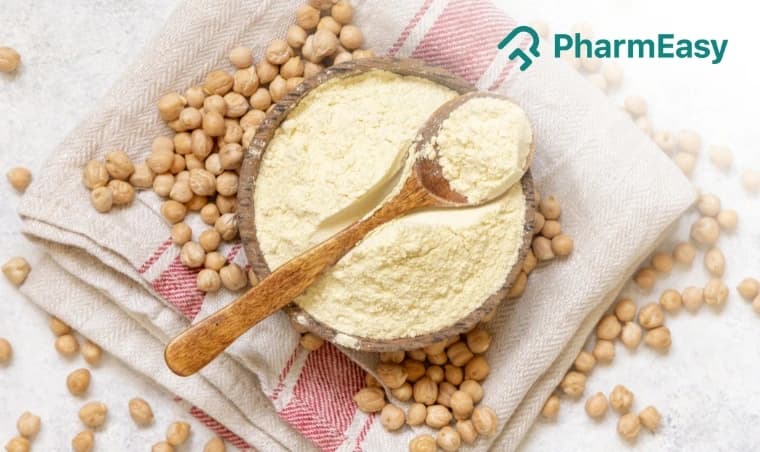
Sattu: A Traditional Indian Powerhouse of Nutrition
Meena, 45, a homemaker from Jaipur, noticed a persistent lack of vitality despite her active lifestyle. Her doctor suggested incorporating more protein into her diet.
Remembering her grandmother’s tales of sattu, a versatile flour made from dry-roasting pulses and cereals, Meena decided to give it a try, starting with a refreshing sattu drink on a hot afternoon.
Sattu, a staple in many Indian households, particularly in Bihar, Uttar Pradesh, and parts of West Bengal, is more than just a culinary ingredient; it's a nutritional powerhouse. Traditionally prepared by dry-roasting pulses like chickpeas (chana) or cereals like barley (jau) or millets, sattu boasts an impressive nutrient profile.
This ancient flour has sustained generations, offering a readily available and affordable source of vital nutrients. Its widespread acceptance stems from its sheer versatility and inherent goodness.
Nutritional Profile of Sattu
What makes sattu so special? Its rich composition. A 100-gram serving of sattu typically contains:
- Protein: Around 20-25 grams, making it an excellent plant-based protein source.
- Fiber: Approximately 5-10 grams, crucial for digestive health.
- Carbohydrates: About 60-65 grams, providing sustained stamina.
- Fats: Low in fat, usually around 3-5 grams.
- Vitamins and Minerals: Rich in iron, manganese, magnesium, phosphorus, and B vitamins.
The dry-roasting process not only enhances its flavour and digestibility but also helps in preserving its nutritional value. In many cases, the protein content in sattu is comparable to that found in meat or eggs, but in a vegetarian, easily digestible format.
This makes it a go-to food for athletes, fitness enthusiasts, and those seeking to boost their protein intake without relying on animal products. The International Diabetes Federation (IDF) has highlighted the importance of whole cereals and fibre-rich foods in managing blood sugar levels, a category where sattu shines.
Health Benefits of Sattu
The benefits of incorporating sattu into your diet are numerous and scientifically supported. Its impact on gut health and stamina levels is particularly noteworthy.
1. Excellent Source of Protein
With protein content often exceeding 20 grams per 100 grams, sattu is a protein champion. This is vital for muscle repair and growth, enzyme production, and overall body function.
For vegetarians and vegans in India, where protein deficiency can be a concern, sattu offers a significant advantage. A study published in The Lancet highlighted the importance of adequate protein intake for preventing sarcopenia (age-related muscle loss), a condition that affects millions globally.
Most people overlook this completely.
2. Aids in Digestion and Gut Health
The high fibre content in sattu promotes healthy digestion. It acts as a prebiotic, feeding beneficial gut bacteria, and helps prevent constipation by adding bulk to stools.
This is especially relevant during monsoon season in India, when digestive issues tend to increase. A healthy gut microbiome is linked to improved immunity and even better mental well-being.
3. Promotes Satiety and Weight Management
The combination of high protein and fibre in sattu makes it incredibly filling. This satiety effect helps curb overeating and reduces overall calorie intake, making it a valuable ally for weight management. Practically speaking, a glass of sattu drink can keep you full for hours, reducing the urge for unhealthy snacks.
4. Stabilizes Blood Sugar Levels
The low glycemic index (GI) of sattu, particularly when made from dry-roasting barley or mixed cereals, means it causes a slower, more gradual rise in blood sugar levels compared to refined flour. This makes it a beneficial choice for individuals managing diabetes.
Over 101 million Indians have diabetes (ICMR, 2023), underscoring the need for such dietary options.
5. Boosts Stamina Levels
Sattu provides a sustained release of stamina due to its complex carbohydrate content. Unlike sugary snacks that lead to stamina crashes, sattu offers a steady supply of fuel, making it ideal for a stamina boost, especially during long working hours or physical activity.
Its ability to combat fatigue was a primary reason for its historical consumption by labourers and farmers.
6. Rich in Essential Minerals
Sattu is a good source of iron, crucial for preventing anaemia, a common disorder, especially among women in India. It also provides magnesium, important for nerve and muscle function, and manganese, which plays a role in metabolism and bone health. The presence of these micronutrients adds another layer to sattu’s impressive health credentials.
That's the part worth remembering.
Uses of Sattu in Indian Cuisine
The culinary applications of sattu are vast, reflecting its adaptability. It's commonly consumed in both sweet and savoury forms.
Sattu Drink (Sharbat)
Perhaps the most popular way to consume sattu, especially during hot weather. A simple mix of sattu powder, water, and a pinch of salt or spices (like dry-roasting cumin, black salt) creates a cooling and hydrating beverage. Sweetened versions often use jaggery or a touch of sugar. This drink is a lifesaver during the scorching Indian summers.
Sattu Paratha
A delicious and nutritious flatbread where sattu is mixed with spices, onions, and herbs, then stuffed into whole wheat dough before being cooked. It’s a popular breakfast or lunch option, often served with curd or pickle.
Litti Chokha
A signature dish from Bihar, littis are dough balls stuffed with seasoned sattu (often mixed with ghee, ajwain, and spices) and dry-roasted or baked. They are traditionally served with chokha, a mashed vegetable dish (like eggplant or potato).
Sattu Laddu
A sweet treat made by mixing dry-roasting sattu with ghee and powdered jaggery or sugar, often with added nuts or cardamom. These are stamina-dense and make for a healthy sweet option.
As a Thickener
Sattu can also be used as a natural thickener for gravies and curries, adding both body and nutritional value.
Potential Side Effects and Precautions
While sattu is generally safe and beneficial for most people, there are a few considerations. Understanding these can help you enjoy sattu responsibly.
1. Digestive Discomfort
For individuals not accustomed to a high-fibre diet, consuming large amounts of sattu initially might lead to bloating or gas. It's advisable to start with small quantities and gradually increase intake. Staying hydrated is also key, as fibre absorbs water.
That's the part worth remembering.
2. Potential for Allergies
Though rare, some individuals might be allergic to the cereals or pulses used in sattu (e.g., chickpeas). If you have known allergies, check the ingredients or opt for sattu made from cereals you tolerate well.
3. Moderation is Key
Even healthy foods should be consumed in moderation. Overconsumption, particularly of sweetened sattu preparations, could contribute to excess calorie intake. Remember, portion control is crucial for any dietary plan.
4. Sattu Quality
Ensure you purchase sattu from reputable sources to avoid contamination or adulteration. Look for clean, well-packaged products. The quality of the raw cereals used directly impacts the final product's nutritional value and safety.
Who Should Be Cautious?
Individuals with specific kidney conditions might need to monitor their protein intake, although sattu's protein is plant-based and generally easier to digest. Those with severe digestive disorders should consult their doctor before making marked dietary changes. Start slow and listen to your body.
This is where most patients struggle.
Conclusion: Embrace the Goodness of Sattu
Sattu is a testament to India's rich culinary heritage, offering a potent blend of nutrition, flavour, and tradition. Its high protein content, fibre, and essential micronutrients make it a valuable addition to any diet, supporting everything from muscle health to gut well-being and weight management. Its low GI is particularly beneficial for the millions of Indians managing diabetes.
As highlighted by research from institutions like the All India Institute of Medical Sciences (AIIMS), traditional foods often hold keys to modern wellness challenges. Embracing sattu, whether as a refreshing drink on a hot day, a filling paratha, or part of a festive meal, is a step towards a healthier lifestyle. Incorporating diverse, nutrient-dense foods like sattu can significantly contribute to overall wellness.
Always consult a qualified physician before making any medical decisions.
Key Takeaways
- Sattu is a high-protein, fibre-rich flour made from dry-roasting cereals like chickpeas, barley, or millets.
- It aids digestion, promotes satiety for weight management, and helps stabilize blood sugar levels.
- Rich in iron and other essential minerals, sattu boosts stamina and combats fatigue.
- Popular uses include refreshing drinks (sharbat), sattu paratha, and the traditional Bihari dish, litti.
- Consume in moderation to avoid potential digestive discomfort, especially if new to high-fibre foods.