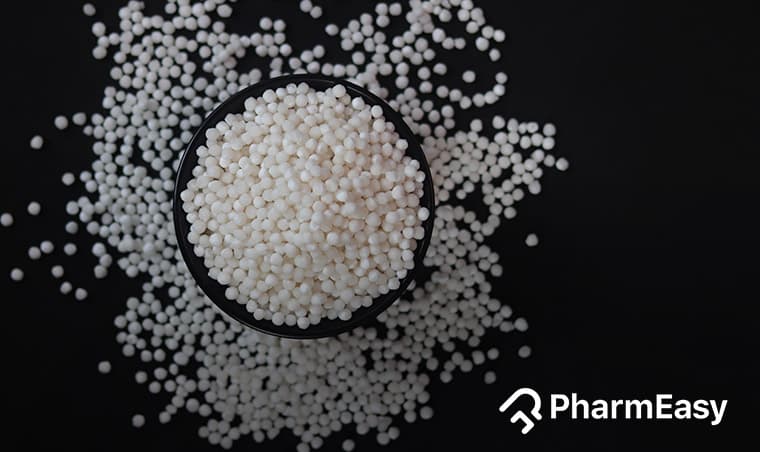
Sabudana (Sago Pearls): Uses, Benefits, Side Effects & More!
Meena, 45, a homemaker from Jaipur, noticed her blood glucose levels were creeping up during her routine check-up. Her doctor, while discussing dietary changes, specifically asked about her frequent consumption of sabudana kheer, especially during festivals and fasting periods.
Meena, like many Indians, considered sabudana a healthy, energy-boosting food, a staple during occasions like Navratri. Have you ever wondered why this translucent pearl holds such significance in Indian culinary traditions?
Sabudana, commonly known as sago pearls or tapioca pearls, is derived from the starch of the cassava root. It's a carbohydrate-rich food, often perceived as a good source of fuel, making it a popular choice for athletes and during periods of religious fasting where a single, calorie-dense meal is consumed.
In India, its preparation ranges from the creamy, sweet sabudana kheer to savoury dishes like sabudana tikki and sabudana khichdi, often enjoyed during Vrat (fasting). The versatility of sabudana allows it to be incorporated into various meals, offering a quick fuel release.
That alone changes everything.
Nutritional Profile of Sabudana
Understanding the nutritional breakdown of sabudana is crucial for making informed dietary choices. Primarily, it's a powerhouse of carbohydrates. A typical serving of 100 grams of dry sabudana contains approximately 350 calories, with nearly 80-90 grams of carbohydrates.
1 grams). Fibre content is also quite low, often less than 1 gram per 100 grams.
Think about it this way: if you're looking for a quick fuel fix, sabudana delivers. However, its lack of protein and fibre means it doesn't offer sustained energy release or significant satiety. This is a key point for individuals managing weight or diabetes.
Despite its low vitamin and mineral content in its raw form, sabudana is often fortified or consumed with other ingredients that add nutritional value. For instance, when made into kheer with milk and nuts, it gains protein, calcium, and healthy fats.
Carbohydrate Load
The high carbohydrate content in sabudana translates to a high glycemic index (GI). While specific GI values can vary based on preparation methods, many sources suggest it falls into the moderate to high GI category. Foods with a high GI are rapidly digested, leading to a quicker rise in blood glucose levels.
That alone changes everything.
For individuals with diabetes, this can be a concern. The International Diabetes Federation (IDF) highlights the importance of managing carbohydrate intake and choosing foods with a lower glycemic impact to help control blood glucose levels effectively.
In many cases, the way sabudana is prepared significantly impacts its overall health profile. Deep-frying sabudana vadas, for example, adds substantial unhealthy fats and calories, negating any potential benefits.
Conversely, boiling it plainly or incorporating it into a balanced meal with vegetables and lean protein can make it a more suitable option. This requires careful consideration.
Health Benefits of Sabudana
While often debated, sabudana does offer certain benefits, particularly for specific dietary needs.
Energy Source
The primary benefit of sabudana is its role as an easily digestible fuel source. Its carbohydrate composition makes it a quick fuel for the body.
This is why it's a popular choice for athletes during endurance training or for individuals recovering from illness who need easily metabolised fuel. Research published in journals like The Lancet has sometimes explored the role of easily digestible carbohydrates in recovery diets.
Digestive Health (in moderation)
Surprisingly, sabudana can aid digestion for some, primarily due to its starch content which acts as a prebiotic. Prebiotics feed beneficial bacteria in the gut, promoting a healthier digestive system. However, this benefit is often realised when consumed in moderation and as part of a balanced diet.
Recovery is rarely linear.
Excessive consumption, especially without adequate fibre from other sources, can lead to digestive discomfort for some individuals. Listen to your body.
Bone Health
Sabudana contains calcium and phosphorus, essential minerals for maintaining strong bones. While not as rich in these minerals as dairy products, its inclusion in the diet can contribute to overall bone health.
The National Institute of Nutrition (NIN) in India often provides guidelines on essential mineral intake, and incorporating diverse food sources is key.
Pregnancy and Lactation
During pregnancy and lactation, increased fuel and nutrient needs are common. Sabudana, being a good source of carbohydrates, can enable meet these heightened fuel demands.
It's also often recommended for pregnant women experiencing nausea or morning sickness due to its bland taste and easy digestibility. However, it's crucial to consume it as part of a nutrient-dense diet that includes adequate protein, vitamins, and other minerals.
Potential Side Effects and Considerations
Honestly, no food is universally beneficial for everyone, and sabudana is no exception. Its high carbohydrate content and potential impact on blood glucose levels are primary concerns.
Blood Sugar Spikes
Going back to what we discussed, the high glycemic index of sabudana can cause rapid increases in blood glucose levels. For individuals with type 2 diabetes, this can be problematic. The Indian Council of Medical Research (ICMR) consistently emphasizes dietary strategies for diabetes management, which often involve limiting high-GI foods.
Over 101 million Indians have diabetes (ICMR, 2023), making dietary awareness paramount. Monitor your levels.
Nutrient Deficiency
Sabudana is largely devoid of essential vitamins, minerals, and protein. Relying heavily on sabudana for a marked portion of your diet could lead to deficiencies in these crucial nutrients over time.
Most people overlook this completely.
A balanced diet, rich in diverse food groups, is vital for overall health, as advocated by the World Health Organization (WHO) for all populations.
Digestive Issues
While it can aid digestion for some, others might experience bloating or gas, especially if consumed in large quantities or if their digestive system is sensitive to starches. This is particularly relevant during monsoon season when digestion can naturally slow down for many people in India.
Allergic Reactions
Though rare, some individuals may experience allergic reactions to tapioca starch. Symptoms could range from mild skin rashes to more severe gastrointestinal upset.
Sabudana in Indian Cultural Contexts
Sabudana's place in Indian culture is deeply rooted, particularly during religious observances and fasting periods. Festivals like Navratri often see a surge in sabudana consumption, as it's permitted during the fasts when grains like rice and wheat are typically avoided.
It provides the necessary fuel to sustain individuals through the fasting period. Many families have traditional recipes passed down through generations, often involving ghee, milk, and sugar, making it a celebratory food.
Consider the practice of sitting on the floor during meals, usual in many Indian households. Eating sabudana dishes, especially during festivals, often involves using traditional utensils and serving styles that are part of the cultural fabric.
That's the part worth remembering.
The preparation itself can be a communal activity, especially during larger family gatherings. This shared experience is valuable.
Incorporating Sabudana Wisely
So what does that mean for you? It means sabudana can be part of a healthy diet, but its preparation and portion control are key. Here's how to make it work for you:
- Portion Control: Be mindful of serving sizes. A small bowl of sabudana khichdi or kheer is generally more advisable than a large, rich portion.
- Balanced Meals: Pair sabudana with protein and fibre sources. Add vegetables to your sabudana khichdi, or consume sabudana kheer with a handful of nuts and seeds.
- Preparation Method: Opt for boiling or steaming over deep-frying. Limit added sugars and unhealthy fats.
- Monitor Blood Sugar: If you have diabetes or are at risk, monitor your blood glucose levels after consuming sabudana to understand your personal response.
Here's the thing: sabudana is primarily a source of carbohydrates. Its nutritional value increases significantly when combined with other nutrient-dense foods. For example, a sabudana smoothie blended with yogurt, fruits, and a few almonds offers a much more complete nutritional profile than plain sabudana.
Key Takeaways
- Sabudana is primarily a carbohydrate-rich food, offering quick fuel.
- It has minimal protein, fat, and fibre, making it less satiating on its own.
- Its high glycemic index can lead to blood glucose spikes, particularly concerning for diabetics.
- Sabudana can be a useful fuel source during fasting or for athletes when consumed in moderation.
- Nutritional value is enhanced when paired with protein, fibre, and healthy fats from other foods.
Always consult a qualified physician before making any medical decisions.