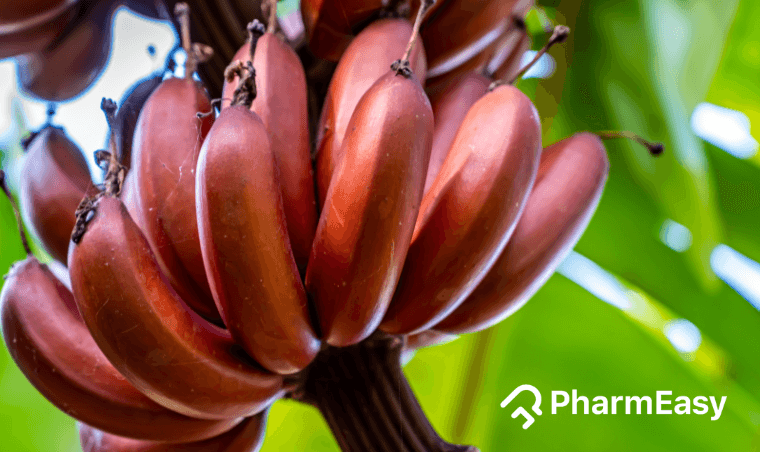
Crimson Bananas: Unveiling the Ruby Gem of Wellness
Meena, 45, a homemaker from Jaipur, noticed a peculiar difference in the bananas she bought from her local market. They weren't the usual yellow; instead, they sported a deep reddish-purple hue.
Intrigued, she decided to explore this vibrant fruit, a relative of the common Cavendish, but with a distinct personality and a unique nutritional profile. Have you ever wondered why some bananas boast a colour so different from the familiar yellow?
Red bananas, often referred to as red dacca bananas, are a fascinating cultivar that offers a delightful twist on a universally loved fruit. Their skin ranges from deep red to purplish-brown, while the flesh inside is typically creamy white to pale pink, possessing a flavour that's often described as sweeter and richer than yellow bananas, with subtle raspberry undertones.
Practically speaking, their availability in India, especially in southern and eastern regions, makes them an accessible yet exotic choice for many.
The Nutritional Powerhouse Within Crimson Bananas
Beyond their striking appearance and unique taste, red bananas are packed with essential nutrients. A single medium-sized red banana (approximately 118 grams) is a good source of dietary fibre, vitamin C, vitamin B6, potassium, and manganese.
They also contain beneficial phytonutrients, including antioxidants like beta-carotene and lycopene, which give them their distinctive colour.
Fibre Content: Red bananas offer a substantial amount of dietary fibre, crucial for digestive wellness. A medium red banana typically contains around 3 grams of fibre. This aids in maintaining regular bowel movements and can contribute to a feeling of fullness, which is beneficial for weight management. The fibre content also plays a role in regulating blood sugar levels, making them a potentially good choice for individuals managing diabetes, though portion control is key.
Vitamins and Minerals: They are particularly rich in Vitamin C, an important antioxidant that supports the immune system and skin wellness. Red bananas also provide a good dose of Vitamin B6, essential for brain development and function, as well as for metabolising proteins, carbohydrates, and fats. Potassium, a vital mineral for maintaining healthy blood pressure and fluid balance, is also present in significant amounts. The manganese content contributes to bone wellness and metabolism.
Antioxidant Properties: The vibrant red and purple hues of these bananas are attributed to anthocyanins and lycopene, powerful antioxidants. These compounds help combat oxidative stress in the body by neutralizing harmful free radicals. Oxidative stress is linked to chronic diseases such as heart disease, certain cancers, and premature aging. Studies published in journals like The Lancet have highlighted the protective roles of various antioxidants found in fruits and vegetables.
Wellness Benefits: More Than Just a Pretty Peel
The unique nutritional composition of red bananas translates into a variety of wellness advantages. Worth knowing: their antioxidant profile, in particular, offers major protective effects.
Boosting Immunity and Fighting Inflammation
The high Vitamin C content in red bananas acts as a potent immune booster, helping the body defend against infections. Additionally, the antioxidants, including anthocyanins and lycopene, possess anti-inflammatory properties.
Here's where it gets interesting.
Chronic inflammation is a root cause of many serious health conditions, and incorporating anti-inflammatory foods into your diet can be a proactive step towards well-being. The World Health Organization (WHO) consistently emphasizes the importance of diets rich in fruits and vegetables for overall wellness.
Supporting Heart Wellness
Potassium, abundant in red bananas, is well-known for its role in regulating blood pressure. By helping to balance out the effects of sodium and relaxing blood vessel walls, potassium can contribute to a healthier cardiovascular system.
The fibre content also plays a part, helping to lower cholesterol levels. Research suggests that diets rich in potassium may reduce the risk of stroke and heart disease.
Aiding Digestive Wellness
The dietary fibre present in red bananas is a cornerstone of digestive wellness. It adds bulk to stool, promoting regular bowel movements and preventing constipation.
Prebiotic fibres also feed beneficial gut bacteria, contributing to a healthier gut microbiome. A healthy gut is increasingly linked to better overall wellness, including improved mood and immunity.
Potential Benefits for Vision
While yellow bananas are known for Vitamin A precursors, red bananas contain beta-carotene, which the body can convert into Vitamin A. Vitamin A is essential for good vision, particularly in low light conditions.
Though not as concentrated as in carrots or sweet potatoes, the beta-carotene in red bananas contributes to your daily intake, supporting ocular wellness.
Managing Blood Sugar Levels
What most people miss: the fibre in red bananas can aid slow down the absorption of sugar into the bloodstream, preventing sharp spikes and subsequent crashes. This makes them a potentially better choice than low-fibre snacks for individuals monitoring their blood sugar. However, it's crucial to remember that bananas, even red ones, are a source of carbohydrates and natural sugars.
This is where most patients struggle.
Individuals with diabetes, particularly those managing their condition with medication, should consume them in moderation and as part of a balanced meal plan, consulting their healthcare provider or a registered dietitian. The International Diabetes Federation (IDF) recommends a balanced diet that includes fruits but emphasizes portion control and carbohydrate awareness.
Red Bananas in Indian Cuisine and Culture
In India, bananas are more than just a fruit; they are deeply ingrained in cultural practices and culinary traditions. Red bananas, with their unique flavour and colour, find their place in various regional dishes. During festivals, bananas are often used in offerings and sweets.
The practice of eating food while sitting on the floor, widespread in many Indian households, often involves enjoying a simple, wholesome meal that might include a banana as a dessert or a side. Red bananas can be mashed into desserts, blended into smoothies, or simply enjoyed as a sweet, satisfying snack, especially after a meal during the monsoon season when other fruits might be scarce.
Their slightly softer texture and richer flavour make them ideal for desserts like halwa or kheer. You might find them incorporated into traditional South Indian dishes or used in contemporary fusion recipes. The versatility of this fruit allows it to be a staple in both everyday meals and special occasions.
That alone changes everything.
Potential Side Effects and Considerations
While red bananas offer numerous wellness benefits, like any food, they can have potential side effects, especially when consumed in excess. So what does that mean for you? Understanding these aspects ensures a balanced approach to incorporating them into your diet.
Digestive Upset
For individuals not accustomed to a high-fibre diet, consuming too many red bananas too quickly can lead to digestive discomfort such as bloating, gas, or stomach cramps. It’s advisable to introduce them gradually into your diet and ensure adequate water intake to benefit the fibre move through your digestive system smoothly.
Blood Sugar Impact
As mentioned, red bananas contain natural sugars and carbohydrates. While the fibre helps mitigate rapid blood sugar increases, excessive consumption can still impact blood glucose levels.
This is particularly relevant for individuals with diabetes or those on a low-carbohydrate diet. Over 101 million Indians have diabetes (ICMR, 2023), highlighting the importance of mindful dietary choices for a major portion of the population.
Allergies
Though rare, banana allergies can occur. Symptoms can range from mild oral itching to more severe systemic reactions. If you experience any adverse reactions after consuming red bananas, discontinue use and seek medical advice.
Most people overlook this completely.
Medication Interactions
Bananas are a source of potassium. While beneficial, extremely high potassium levels can interact with certain medications, such as ACE inhibitors or potassium-sparing diuretics. If you are on such medications, discuss your dietary intake of potassium-rich foods, including red bananas, with your doctor.
Choosing and Storing Red Bananas
Selecting the perfect red banana involves looking for fruits with a firm, unblemished skin that has a deep, rich colour. Some green at the stem is fine, indicating ripeness. Avoid bananas with marked bruising or soft spots, as these may be overripe or damaged.
To store them, keep them at room temperature, away from direct sunlight, to allow them to ripen fully. Once ripe, they can be stored in the refrigerator for a few days to slow down the ripening process, although the skin may darken. They can also be peeled and frozen for later use in smoothies or baking.
Conclusion: A Vibrant Addition to a Nutritious Diet
Red bananas are a delightful and nutritious fruit that offers a unique flavour, vibrant colour, and a host of wellness benefits. From their antioxidant power to their contribution to digestive and heart wellness, they are a valuable addition to a balanced diet.
That's the part worth remembering.
While potential side effects are minimal and often related to overconsumption, mindful eating and consulting with healthcare professionals ensure they are enjoyed safely and effectively. Always consult a qualified physician before making any medical decisions.
Key Takeaways:
- Red bananas are rich in antioxidants like beta-carotene and lycopene, contributing to their vibrant colour and protective wellness benefits.
- They provide essential nutrients including Vitamin C, Vitamin B6, potassium, and dietary fibre, supporting immunity, heart wellness, and digestion.
- The fibre content aids in blood sugar management and digestive regularity, making them a potentially beneficial fruit for many, but portion control is key for individuals with diabetes.
- Red bananas are culturally marked in India and can be incorporated into various traditional and modern culinary preparations.
- Potential side effects are rare and usually linked to overconsumption, such as digestive upset or an impact on blood sugar levels.