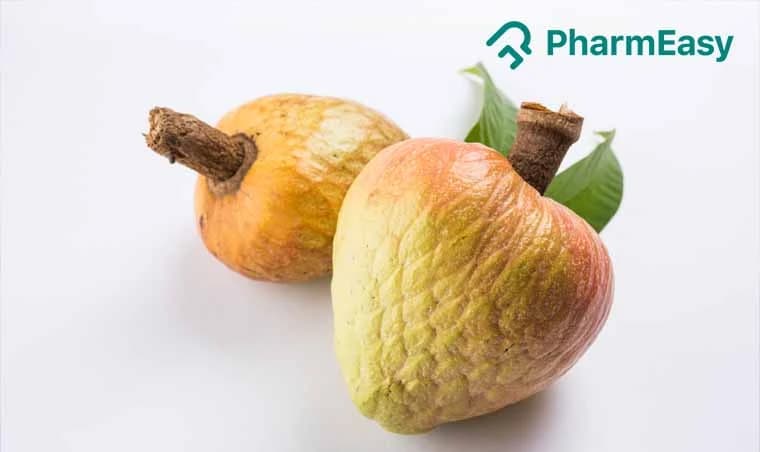
Ramphal: Nature's Sweet Surprise for Your Well-being
Meena, 45, a homemaker from Jaipur, struggled with a persistent dry cough that home remedies failed to resolve. Her grandmother suggested adding Ramphal, also known as Custard Apple, to her diet, recalling its historical use for breathing issues. Skeptical yet hopeful, Meena included the sweet, creamy fruit in her daily meals, alongside other dietary changes.
Within weeks, she found significant relief; her cough lessened in frequency and intensity. This personal account underscores the continuing value of old Indian remedies and the benefits of produce like Ramphal.
Ramphal, scientifically identified as Annona reticulata, is a tropical produce native to the Americas but widely grown and prized throughout India. Its distinctive, creamy consistency and sweet taste have made it a favourite, particularly during its prime season, often aligning with post-monsoon celebrations. What many overlook: its substantial nutritional makeup goes far beyond its delightful flavour, providing a remarkable array of well-being advantages.
Nutritional Powerhouse of Ramphal
A single portion of Ramphal (around 100 grams) is a rich source of vital vitamins and minerals. It's a good supplier of Vitamin C, essential for immune defence and skin vitality, offering approximately 15-20% of daily recommended levels.
Additionally, it contains a considerable amount of Vitamin B6, crucial for brain growth and function. The fruit also provides dietary fibre, necessary for digestive wellness, contributing about 10% of daily needs.
That's the part worth remembering.
Beyond vitamins, Ramphal supplies minerals such as potassium, which aids in regulating blood pressure, and magnesium, indispensable for muscle and nerve operations. Its carbohydrate content, mainly from natural sugars, offers a quick energy lift.
Intriguingly, research is examining the antioxidant qualities of compounds present in Ramphal, including flavonoids and alkaloids, which may assist in counteracting cellular damage in the body.
Well-being Benefits of Ramphal: A Closer Look
Digestive Wellness Champion
The fibre content in Ramphal significantly aids the digestive tract. Fibre adds mass to stool, promoting regular bowel actions and preventing constipation.
It functions as a prebiotic, nourishing beneficial gut microbes, which are increasingly recognised as vital for overall wellness, influencing everything from immunity to mood. In many instances, integrating high-fibre foods like Ramphal can ease common digestive discomforts.
Immunity Enhancer
Ramphal is abundant in Vitamin C, a powerful antioxidant that fortifies the immune system. Vitamin C stimulates the generation of white blood cells, the body's primary line of defence against infections. Consistent consumption can help fend off typical colds and other viral illnesses.
Have you ever pondered why many age-old diets emphasize seasonal produce? It's often to ensure a steady supply of critical nutrients like Vitamin C, especially during periods when infections are more prevalent.
Recovery is rarely linear.
Heart Well-being Support
The presence of potassium in Ramphal supports cardiovascular wellness by assisting in blood pressure management. Potassium helps balance sodium's effects, promoting blood vessel relaxation and reducing stress on the heart. What's more,, its fibre content can assist in managing cholesterol levels, further benefiting a healthy cardiovascular system. Studies featured in publications like The Lancet have consistently pointed to the role of potassium-rich foods in preventing high blood pressure.
Possible Anti-cancer Properties
While further investigation is warranted, initial research indicates that certain constituents within Ramphal, notably antioxidants and alkaloids, might exhibit anti-cancer characteristics. These components are believed to support neutralise free radicals, which can harm cells and contribute to cancer development.
Though Ramphal should never be seen as a cancer cure, its inclusion in a balanced diet could offer some protective advantages. Organisations such as the National Cancer Institute are actively studying natural compounds for their potential therapeutic impacts.
Eye Well-being Advantages
Ramphal contains Vitamin A and other antioxidants like lutein, both beneficial for eye health. Vitamin A is vital for clear vision, especially in dim light, while lutein may benefit shield eyes from age-related macular degeneration. Incorporating produce rich in these nutrients can contribute to maintaining sharp eyesight throughout the years.
Energy and Mood Elevation
The natural sugars in Ramphal offer a readily accessible energy source, making it an excellent snack for combating tiredness. Some established practices also suggest that its sweet flavour and satisfying texture can positively influence mood.
Here's where it gets interesting.
The B vitamins present, particularly B6, play a part in the creation of neurotransmitters, which affect mood regulation.
Bone Well-being
Though not as concentrated as in some other sources, Ramphal does contain calcium and magnesium, both essential for maintaining robust bones. While it won't substitute for dairy or other primary calcium provisions, it adds to overall bone mineral density.
Traditional and Ayurvedic Uses
Within age-old Indian medicine, especially Ayurveda, Ramphal has been utilized for various conditions. Its leaves have been applied externally to aid wound recovery and reduce inflammation. The fruit's pulp has been employed to treat diarrhoea and dysentery, likely due to its fibre and astringent qualities.
Truthfully, the insight within these ancient practices often holds elements of truth that modern science is only beginning to confirm. The ICMR (Indian Council of Medical Research) has backed investigations into the medicinal characteristics of native plants, including those used in age-old remedies.
Ramphal in Indian Cuisine and Culture
Ramphal is more than just a fruit; it's integral to the essence of Indian life. Its smooth texture is wonderfully suited for desserts. It can be savoured fresh, blended into smoothies, or transformed into ice cream and kulfi.
Recovery is rarely linear.
During festive periods, especially in North India, it's widespread to find vendors selling fresh Ramphal, its sweet fragrance perfuming the air. Gatherings where people sit on the floor often involve sharing plates of seasonal produce like Ramphal, fostering a spirit of togetherness and shared pleasure. It's worth noting: the cultivation of Ramphal is particularly widespread in states like Uttar Pradesh, Bihar, and Rajasthan, supporting local economies.
Possible Side Effects and Precautions
Despite its many advantages, Ramphal is not appropriate for everyone in large amounts. Its high sugar level means individuals managing diabetes should consume it sparingly and monitor their blood sugar readings closely. Excessive intake, particularly of the seeds and rind, which are bitter and potentially harmful, must be avoided.
The seeds contain annonacin, a neurotoxin that, in meaningful quantities, has been linked to neurological problems. It is vital to consume only the pulp.
Expectant and nursing mothers should proceed with caution. While the fruit itself is generally safe in moderation, excessive consumption has been anecdotally associated in some reports with potential complications. Always seek guidance from a medical professional concerning dietary choices during pregnancy.
What's the best approach? Begin with small portions to assess your body's response.
Individuals with a history of constipation should also be mindful of their intake, as the high fibre content, while beneficial for most, can worsen severe constipation if not accompanied by sufficient fluid consumption.
That's the part worth remembering.
Ramphal vs. Other Custard Apple Varieties
India is home to several custard apple types, including Sitaphal (Annona squamosa) and Lakkshmanphal (Annona muricata – Soursop). While all belong to the Annona genus and share some nutritional similarities, they differ in taste, texture, and perceived medicinal effects. Sitaphal is typically smaller and sweeter, whereas Lakkshmanphal (Soursop) is larger with a tangier flavour and is often linked to stronger medicinal claims, though scientific validation varies. Ramphal (Annona reticulata) usually presents a creamier texture and a milder sweetness compared to Sitaphal.
How to Choose and Store Ramphal
Selecting a ripe Ramphal is crucial for enjoying its flavour and texture. Look for produce that gives slightly to gentle pressure and has yellowish-green skin. Steer clear of fruits with excessive bruising or dark blemishes.
Once acquired, Ramphal ripens quickly at room temperature. Store ripe fruits in the refrigerator for a few days to slow the ripening process. You can also scoop out the pulp and freeze it for later use in smoothies or desserts.
Key Takeaways
- Ramphal is abundant in Vitamin C, Vitamin B6, fibre, potassium, and magnesium.
- It supports digestive wellness, enhances immunity, and may aid heart well-being.
- Age-old medicine utilizes Ramphal for wound healing and digestive complaints.
- Those with diabetes should consume Ramphal moderately due to its sugar levels.
- Refrain from eating the seeds and skin, as they can be toxic.
Ramphal is a delightful and nutrient-dense fruit offering various potential wellness advantages. By understanding its nutritional value, historical applications, and possible drawbacks, you can wisely incorporate this 'sweet surprise' into your diet.
Always seek advice from a qualified healthcare provider before making any health-related decisions.