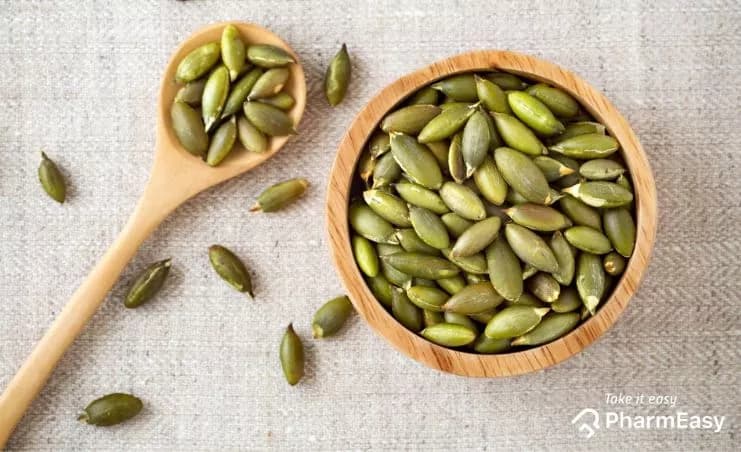
The Humble Pumpkin Kernel: A Nutritional Powerhouse for India
Meena, 45, a homemaker from Jaipur, noticed persistent fatigue and occasional joint pain. Her family doctor, after reviewing her reports, suggested incorporating more nutrient-dense foods into her daily meals, specifically mentioning the humble pumpkin kernel.
This advice, seemingly simple, opened Meena's eyes to a world of benefits hidden within these small, green kernels.
Pumpkin kernels, or 'kaddu ke beej' as they are widely known in India, are far more than just a snack. They are a veritable treasure trove of essential vitamins, minerals, and antioxidants, playing a crucial role in maintaining overall wellness. In a country where dietary habits can vary drastically and deficiencies are common, these kernels offer a readily available and versatile source of nutrition.
The reality is, many of us overlook these tiny powerhouses, opting for processed snacks instead. Have you ever wondered why traditional Indian diets often included kernels and nuts? It was for precisely these nutritional advantages.
Nutritional Profile: What Makes Pumpkin Kernels So Special?
The magic of pumpkin kernels lies in their dense nutritional composition. A mere 28-gram serving (about a handful) provides a significant dose of vital nutrients.
Think about it this way: this small portion contains approximately 150-170 calories, 5-7 grams of protein, and 12-15 grams of beneficial fats, with a good portion of those being omega-3 and omega-6 fatty acids. But the real stars are the micronutrients.
It sounds simple. It rarely is.
Minerals Galore: Magnesium, Zinc, and Iron
One of the most marked contributions of pumpkin kernels is their exceptional magnesium content. A single serving can provide up to 40% of the recommended daily intake (RDI) for this essential mineral. Magnesium is critical for over 300 biochemical reactions in the body, including pressure regulation, sugar control, and nerve function.
In India, where magnesium deficiency is a concern for a substantial portion of the population, incorporating pumpkin kernels can be a proactive step towards better well-being. The Indian Council of Medical Research (ICMR) has highlighted the prevalence of suboptimal magnesium levels in various studies.
Pumpkin kernels are an excellent source of zinc. This mineral is vital for immune function, cell growth and repair, and even plays a role in wound healing. With the constant threat of infections, particularly during the monsoon season in India, a robust immune system is paramount.
A deficiency in zinc can weaken your body's defenses. 5 billion people worldwide suffer from zinc deficiency (WHO), underscoring the importance of zinc-rich foods.
Iron is another mineral abundantly found in these kernels. Iron is crucial for transporting oxygen throughout the body and preventing anaemia, a condition particularly prevalent among women in India. Just a quarter cup of pumpkin kernels can offer around 2.5 mg of iron, contributing significantly to your daily needs.
Recovery is rarely linear.
Vitamins and Antioxidants: Fighting Free Radicals
Beyond minerals, pumpkin kernels are a good source of Vitamin K, important for clotting and bone strength. They also contain several B vitamins, including folate, which is essential for cell metabolism. The antioxidant profile of pumpkin kernels is particularly noteworthy.
They are rich in carotenoids and vitamin E, which help protect your cells from damage caused by free radicals. This protection is crucial for preventing chronic diseases and slowing down the aging process. Honestly, the sheer concentration of protective compounds in such a small package is astounding.
14 Amazing Well-being Benefits of Pumpkin Kernels
Let's explore the remarkable advantages these kernels offer:
1. Rich in Antioxidants
The antioxidants found in pumpkin kernels, such as carotenoids and vitamin E, combat oxidative stress. This cellular damage is linked to numerous chronic diseases, making antioxidant-rich foods like pumpkin kernels essential for long-term well-being.
The American Journal of Clinical Nutrition has published extensive research on the role of antioxidants in disease prevention.
2. Excellent Source of Magnesium
As mentioned, magnesium is crucial for many bodily functions. Adequate magnesium intake, facilitated by consuming pumpkin kernels, can benefit regulate pressure and reduce the risk of heart disease.
Studies indicate that sufficient magnesium intake is associated with a lower chance of cardiovascular problems. This is particularly relevant for India, where cardiovascular diseases are a leading cause of mortality.
Recovery is rarely linear.
3. May Improve Heart Well-being
The combination of magnesium, antioxidants, zinc, and fatty acids in pumpkin kernels contributes to cardiovascular well-being. They may aid lower pressure, reduce 'bad' LDL cholesterol, and increase 'good' HDL cholesterol. Research published in reputable journals like The Lancet Cardiology has explored the dietary impact on heart well-being.
4. Can aid Regulate Sugar Levels
Studies suggest that pumpkin kernels may assist lower sugar levels, especially in individuals with type 2 diabetes. Their high magnesium content plays a notable role here. The International Diabetes Federation (IDF) reports a growing diabetes burden in India, making dietary interventions like the inclusion of pumpkin kernels a valuable strategy.
5. High in Fiber, Promoting Digestive Well-being
A good source of dietary fiber, pumpkin kernels support a healthy digestive system. Fiber aids in regular bowel movements and can benefit prevent constipation. It also contributes to a feeling of fullness, which can be beneficial for weight management. In India, where digestive issues are widespread, fiber-rich foods are highly recommended.
6. Boosts Immune System
The high zinc content in pumpkin kernels is a powerful immune booster. Zinc is essential for the development and function of immune cells, helping your body fight off infections. Have you ever wondered why your grandmother always insisted on eating a handful of nuts and kernels during colder months?
This is where most patients struggle.
7. May elevate Sleep Quality
Pumpkin kernels are a natural source of tryptophan, an amino acid that the body converts into serotonin and then melatonin—the sleep hormone. Consuming them a few hours before bed, perhaps as part of a light evening snack, might aid optimise sleep. This is especially useful in our fast-paced lives where sleep disturbances are widespread.
8. Rich in Nutrients for Men's Well-being
The high zinc content is particularly beneficial for male reproductive well-being, playing a role in prostate status and testosterone levels. Research has indicated a link between adequate zinc intake and a reduced chance of benign prostatic hyperplasia (BPH).
9. May Have Anti-Cancer Properties
Preliminary research suggests that compounds in pumpkin kernels may have anti-cancer effects, particularly against breast and prostate cancers. While more research is needed, their rich antioxidant and nutrient profile makes them a promising food in this regard.
10. Good Source of Beneficial Fats
The beneficial fats in pumpkin kernels, including omega-3 and omega-6 fatty acids, are advantageous for overall well-being, including skin and brain function. These fats are essential for reducing inflammation in the body.
That's the part worth remembering.
11. Supports Bone Strength
Pumpkin kernels contain phosphorus, magnesium, and iron—all vital for maintaining strong bones. Adequate intake of these minerals is crucial throughout life, from childhood development to preventing osteoporosis in later years. The bone density concerns are growing globally, and dietary habits play a key role.
12. May strengthen Prostate Status
Beyond the zinc benefits, compounds in pumpkin kernels may enable alleviate symptoms of benign prostatic hyperplasia (BPH). Studies have shown improvements in urinary flow and a reduction in BPH manifestations with regular consumption.
13. Aids in Weight Management
The protein and fiber content in pumpkin kernels promote satiety, helping you feel fuller for longer. This can reduce overall calorie intake and aid in weight management efforts. Think about adding them to your morning oats or evening salad for a satisfying crunch.
14. Versatile Culinary Ingredient
From sprinkling on salads and yogurt to blending into smoothies or curries, pumpkin kernels are incredibly versatile. You can roast them for a crunchy snack or grind them into a paste for gravies. Their mild, nutty flavour complements many kinds of Indian dishes. What should you actually do? Start by adding a tablespoon to your daily routine!
That alone changes everything.
Incorporating Pumpkin Kernels into Your Indian Diet
Integrating 'kaddu ke beej' into your meals is simple and delicious. Consider these ideas:
- Morning Boost: Sprinkle raw or lightly toasted kernels over your poha, upma, or oats.
- Salad Enhancer: Add a crunchy texture and nutritional punch to your kachumber or mixed green salads.
- Smoothie Staple: Blend a handful into your fruit or vegetable smoothies for added protein and fiber.
- Curry Thickener: Grind soaked pumpkin kernels into a paste to thicken gravies for dishes like paneer butter masala or vegetable korma, adding a subtle nutty flavour.
- Festival Feasts: Incorporate them into traditional sweets or savouries prepared during festivals like Diwali or Holi, where rich foods are frequent.
- Direct Snack: Enjoy a small handful roasted or raw as a mid-day snack, especially if you find yourself sitting on the floor during family gatherings and need sustained energy.
Honestly, the culinary possibilities are endless. You can even find pumpkin kernel powder in some health food stores, making it easier to add to your diet.
Potential Side Effects and Considerations
While pumpkin kernels are generally safe, moderation is key. Due to their high fiber content, consuming excessive amounts can lead to bloating or digestive discomfort for some individuals.
It's also advisable to choose unsalted and unroasted varieties when possible to avoid excess sodium intake. If you have specific dietary restrictions or health conditions, consulting a healthcare professional is always recommended.
Key Takeaways:
- Pumpkin kernels are nutrient-dense, rich in magnesium, zinc, iron, and antioxidants.
- They offer meaningful benefits for heart well-being, sugar control, and immune function.
- These kernels can aid digestion, enhance sleep quality, and support men's reproductive well-being.
- With over 101 million Indians having diabetes (ICMR, 2023), their potential role in sugar management is vital.
- Pumpkin kernels are versatile and can be easily incorporated into various Indian dishes.
Always consult a qualified physician before making any medical decisions.