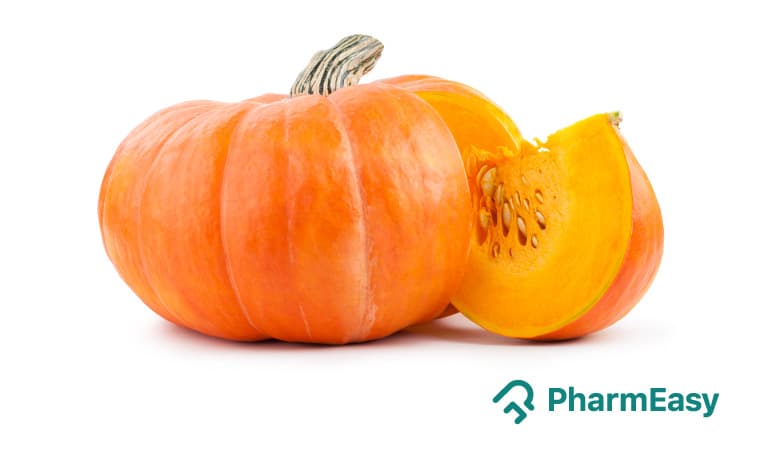
Gourd (Kaddu): A Nutritional Powerhouse for Indian Well-being
Meena, 45, a homemaker from Jaipur, noticed her energy levels dipping significantly after the monsoon. She often felt sluggish, and her skin seemed dull. Her family physician, Dr. Sharma, suggested incorporating more seasonal vegetables into her diet, specifically mentioning kaddu, or gourd. This common squash, often relegated to festive sweets or simple sabzis, holds a treasure trove of wellness benefits that are particularly relevant for the Indian populace.
Practically speaking, gourd is a versatile vegetable that graces kitchens across India, from the humble paring knife in a small village to the sleek gadgets in a metropolitan household. Its vibrant orange flesh and subtle sweetness make it a beloved ingredient, especially during the cooler months. But beyond its culinary appeal, what makes this squash so special from a well-being perspective?
Let's explore the science-backed advantages and potential considerations, as explained by Dr. Rajeev Singh, a renowned physician and wellness expert.
The Rich Nutritional Profile of Gourd
Gourd is more than just a pretty colour; it's a dense source of essential nutrients, minerals, and antioxidants. A single cup of cooked, mashed gourd (about 245 grams) provides a significant amount of your daily requirements.
It's an excellent source of Retinol Activity Equivalents (RAE), crucial for vision and system defence, offering over 200% of the Recommended Daily Allowance (RDA). This nutrient is primarily in the form of beta-carotene, an antioxidant that the body converts to RAE.
Additionally, gourd contains a good amount of ascorbic acid, which aids in skin wellness and system support. Potassium, important for pressure regulation, is also present. Fibre is another star player; a cup of cooked gourd offers about 3 grams, contributing to digestive wellness and promoting a feeling of fullness.
Here's where it gets interesting.
Honestly, the sheer density of nutrients packed into this humble squash is astonishing. It also offers smaller but notable amounts of tocopherol, B vitamins (like folate and B6), iron, and magnesium.
Astonishing Wellness Benefits of Gourd (Kaddu)
1. Boosts Vision Wellness
The high beta-carotene content in gourd is its most celebrated asset for eye wellness. Beta-carotene is converted into RAE in the body, a nutrient vital for good vision. RAE deficiency is a leading cause of preventable blindness worldwide, affecting millions, particularly in developing nations.
Regular consumption of beta-carotene-rich foods like gourd can help prevent conditions such as night blindness and age-related macular degeneration (AMD). What most people miss is that this vibrant orange hue is nature's signal for powerful eye-protective compounds.
2. Strengthens the Immune System
A robust system is our first line of defence against infections. Gourd is packed with ascorbic acid and beta-carotene, both potent system boosters. Ascorbic acid stimulates the production of white corpuscles, which are crucial for fighting off pathogens.
Here's where it gets interesting.
Beta-carotene, meanwhile, acts as an antioxidant, protecting cells from damage and supporting overall system function. The World Health Organization (WHO) consistently highlights the importance of adequate ascorbic acid intake for system resilience, especially during seasonal transitions frequent in India, like the shift from monsoons to winter.
3. Promotes Heart Wellness
The heart is a muscle that requires consistent nourishment. Gourd contributes to cardiovascular well-being through several mechanisms. The potassium content helps manage pressure by counteracting the effects of sodium. Antioxidants, including beta-carotene and ascorbic acid, combat oxidative stress, a major contributor to cardiac disease. The fibre content also plays a role by helping to lower cholesterol levels. Studies published in reputable journals like The Lancet have shown a correlation between diets rich in fruits and vegetables high in these nutrients and a reduced risk of cardiovascular events.
4. Aids in Weight Management
For those aiming to manage their weight, gourd can be a valuable ally. It is low in calories and high in fibre and water content. This combination helps you feel full and satisfied for longer periods, reducing the likelihood of overeating or unhealthy snacking. A 100-gram serving of raw gourd contains only about 26 calories.
This makes it an excellent substitute for higher-calorie ingredients in various dishes. Does this sound familiar? Many people struggle with feeling hungry soon after meals.
5. Supports Skin Wellness
The radiant glow many associate with healthy skin is often linked to adequate RAE intake. Gourd's beta-carotene is converted to RAE, which is essential for skin repair and cell turnover. It can support protect your skin from sun damage and improve its overall appearance.
On top of that,, the antioxidants present fight free radicals that contribute to premature ageing. Honestly, incorporating gourd into your diet can be a delicious way to enhance your skin's natural luminosity.
That's the part worth remembering.
6. May benefit Regulate Glucose Levels
While often used in sweets, gourd's impact on glucose is more complex and potentially beneficial. Some studies suggest that compounds in gourd, such as polysaccharides, may aid optimise insulin sensitivity and lower glucose levels. The fibre content also slows down sugar absorption into the circulatory system.
However, moderation is key, especially when consuming gourd in sugary preparations. For individuals managing diabetes, which affects over 101 million Indians (ICMR, 2023), consulting a doctor about gourd's role in their diet is crucial. The International Diabetes Federation (IDF) emphasizes dietary management as a cornerstone of diabetes care.
7. Rich in Antioxidants
Antioxidants are the body's defence against free radicals – unstable molecules that can cause cellular damage and contribute to chronic diseases like cancer and cardiac disease. Gourd is loaded with antioxidants, including alpha-carotene, beta-carotene, and ascorbic acid.
These compounds neutralise free radicals, protecting your body at a cellular level. The vibrant colour of gourd is a direct indicator of its high antioxidant content.
Culinary Uses of Gourd in India
In India, gourd (kaddu) is a staple, prepared in numerous ways. From the sweet kaddu ka halwa enjoyed during festivals like Diwali to the savoury kaddu ki sabzi—often seasoned with ginger, cumin, and turmeric—its versatility is remarkable. It's also used in dals, chutneys, and even as a filling for parathas. The practice of sitting on the floor during meals, usual in many Indian households, often involves enjoying simple, wholesome dishes like gourd preparations. Even the seeds (kaddu ke beej) are toasted and eaten as a healthy snack, packed with magnesium and zinc.
Gourd Seeds: A Nutritional Powerhouse
Don't discard those seeds! Gourd seeds are incredibly nutritious. They are a fantastic source of magnesium, a mineral involved in over 300 biochemical reactions in the body, including muscle and nerve function, glucose control, and pressure regulation.
Most people overlook this completely.
They also provide zinc, considerable for system function and cell growth, and healthy fats. A quarter cup of gourd seeds contains approximately 8 grams of protein and 40% of the RDA for magnesium. Honestly, they are a potent snack.
Potential Side Effects and Precautions
While gourd is generally safe for most people, excessive consumption might lead to a few side effects. The high fibre content, if introduced too quickly into the diet, can cause digestive discomfort like bloating or gas.
For individuals with diabetes, it's crucial to be mindful of the preparation method, as added sugars can negate the benefits. In very rare cases, the high beta-carotene intake might cause carotenemia, a harmless condition where the skin turns slightly yellowish-orange, which reverses upon reducing intake.
What most people miss is that while beneficial, gourd should be part of a balanced diet. If you are on specific medications, particularly for glucose or pressure, discuss incorporating notable amounts of gourd into your diet with your healthcare provider. So what does that mean for you? It means enjoying gourd is great, but awareness is key.
That's the part worth remembering.
Key Takeaways
- Gourd is exceptionally rich in RAE (from beta-carotene), ascorbic acid, and fibre.
- Its antioxidants contribute significantly to eye wellness, system function, and skin vitality.
- Gourd seeds are a valuable source of magnesium, zinc, and healthy fats.
- Over 101 million Indians have diabetes (ICMR, 2023), making mindful consumption of gourd, especially regarding added sugars, vital.
- Enjoy gourd's benefits as part of a balanced diet, but consult a doctor if you have pre-existing wellness conditions.
Always consult a qualified physician before making any medical decisions.