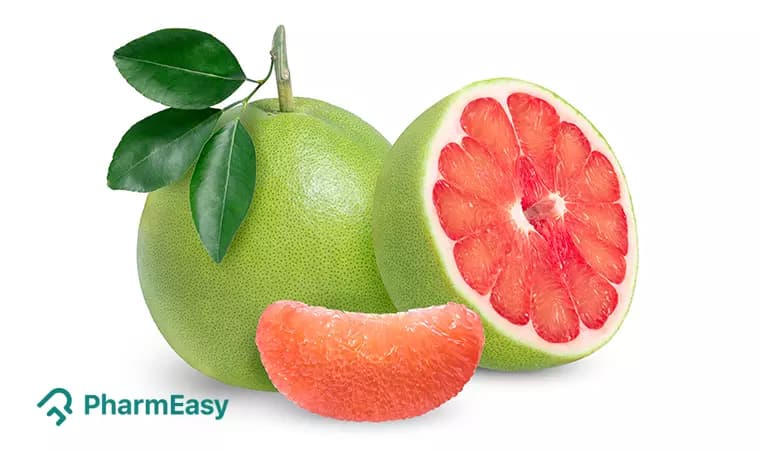
Chakotra (Pomelo): A Citrus Powerhouse for Your Well-being
Meena, 45, a homemaker from Jaipur, noticed a persistent cough and fatigue during the last monsoon season. Her grandmother, a staunch believer in traditional remedies, suggested incorporating chakotra, or pomelo, into her diet, citing its immunity-boosting properties. This ancient wisdom echoes through Indian households, where fruits are often valued not just for their taste but for their medicinal virtues.
Pomelo (Citrus maxima), known as chakotra in Hindi, is the largest citrus fruit, originating from Southeast Asia and widely cultivated in India. Its thick rind, pale pink or yellow flesh, and mildly sweet-tart flavour make it a refreshing choice, especially during the warmer months. But beyond its refreshing taste, pomelo is a treasure trove of nutrients and offers a spectrum of wellness benefits. Practically speaking, understanding these advantages can empower us to make informed dietary choices.
Nutritional Profile of Chakotra
A 100-gram serving of pomelo is a good source of essential vitamins and minerals. It contains approximately 30 calories, making it a calorie-conscious fruit. Think about it this way: you get significant nutritional value with minimal caloric intake.
The fruit is particularly rich in Vitamin C, providing about 76% of the recommended daily intake (RDI). This potent antioxidant makes a real difference in immune function and skin wellness.
Additionally, pomelo offers dietary fibre, potassium, and Vitamin B6. The fibre quantity, around 1 gram per 100 grams, aids digestion and promotes a feeling of fullness.
Potassium contributes to maintaining healthy circulatory pressure levels, while Vitamin B6 is vital for brain development and function. In many cases, these micronutrients are as important as macronutrients for overall well-being.
Wellness Benefits of Chakotra
1. Boosts Immunity
The star player in pomelo’s immune-boosting arsenal is Vitamin C. A single serving can deliver a substantial amount, significantly bolstering the body's defence mechanisms against infections. Vitamin C stimulates the production of white blood cells, which are the primary responders to pathogens.
The reality is, in a country like India, where seasonal infections are common, a diet rich in Vitamin C can be a valuable asset. Research published in *The Lancet* has consistently highlighted the role of Vitamin C in reducing the duration and severity of frequent colds.
Recovery is rarely linear.
2. Aids in Weight Management
With its low-calorie count and high fibre quantity, pomelo is an excellent fruit for those looking to manage their weight. The fibre helps you feel full for longer, reducing the urge to snack between meals. This can be particularly helpful during festivals like Diwali, where rich, calorie-dense sweets are abundant; opting for a pomelo can be a healthier alternative.
Studies have indicated that diets incorporating citrus fruits can lead to modest weight loss. So what does that mean for you? It means enjoying a delicious fruit that supports your weight goals.
3. Promotes Digestive Wellness
The fibre in pomelo is not just beneficial for weight management; it's also a boon for your digestive system. It adds bulk to the stool, promoting regular bowel movements and preventing constipation.
For many Indians who traditionally sit on the floor for meals, digestion is a key concern, and fibre-rich foods are highly valued. A healthy gut microbiome, supported by adequate fibre intake, is increasingly linked to overall wellness, including mental well-being, as research from institutions like the National Institute of Mental Health and Neurosciences (NIMHANS) suggests.
4. Supports Heart Wellness
Pomelo contains potassium, a mineral known to help regulate circulatory pressure by counteracting the effects of sodium. High circulatory pressure is a meaningful wellness concern in India, with the Indian Council of Medical Research (ICMR) reporting high prevalence rates.
Including potassium-rich foods like pomelo in your diet can contribute to cardiovascular wellness. Additionally, the antioxidants in pomelo may assist reduce inflammation and protect circulatory vessels from damage, further supporting heart function.
It sounds simple. It rarely is.
5. Potential Sugar Level Regulation
While all fruits contain natural sugars, pomelo has a relatively low glycemic index (GI) compared to some other fruits. This means it causes a slower, more gradual rise in sugar levels. The fibre quantity also plays a role in moderating sugar absorption.
However, individuals with diabetes should still consume pomelo in moderation and monitor their sugar response. The International Diabetes Federation (IDF) recommends a balanced diet that includes fruits with a lower GI for better diabetes management.
6. Rich in Antioxidants
Antioxidants are compounds that protect your cells from damage caused by free radicals – unstable molecules linked to chronic diseases and aging. Pomelo is packed with antioxidants, including Vitamin C, flavonoids, and lycopene (in pink and red varieties).
These compounds assist combat oxidative stress, potentially reducing the risk of certain cancers and other chronic conditions. The synergistic effect of these antioxidants makes pomelo a valuable addition to an anti-inflammatory diet.
This is where most patients struggle.
7. May Improve Skin Wellness
The high Vitamin C quantity in pomelo is essential for collagen production. Collagen is a protein that provides structure and elasticity to the skin, helping to keep it looking youthful and firm. Vitamin C also acts as an antioxidant, protecting the skin from sun damage and environmental pollutants.
But why does this happen? Because antioxidants neutralise the free radicals that can break down collagen and lead to premature aging. Consistent intake can contribute to a healthier, more radiant complexion.
Traditional Uses of Chakotra in India
In various parts of India, pomelo has been used traditionally for more than just its nutritional value. Its peel is often used in making preserves and pickles, reducing food waste and adding flavour to meals.
In Ayurvedic practices, pomelo is sometimes recommended for its cooling properties and to aid digestion, especially after consuming heavy or spicy foods, which are typical in Indian cuisine. The subtle bitterness of the pith is also believed by some to have medicinal benefits.
This is where most people struggle.
Potential Side Effects and Precautions
Despite its numerous benefits, pomelo consumption should be approached with awareness, especially for certain individuals. The reality is, no food is universally beneficial for everyone in all circumstances. Pomelo can interact with certain medications, most notably statins (cholesterol-lowering drugs) and some circulatory pressure medications.
This interaction occurs because pomelo contains compounds that can inhibit the enzymes responsible for metabolizing these drugs, potentially leading to higher drug levels in the bloodstream and increased likelihood of side effects. individuals taking these medications should consult their doctor before significantly increasing their pomelo intake.
For individuals with sensitive stomachs, consuming large quantities of pomelo might lead to digestive discomfort due to its acidity and fibre quantity. It's advisable to start with smaller portions to gauge tolerance. Think about it this way: your digestive system needs time to adjust to new foods, especially those high in fibre or acidity.
How to Enjoy Chakotra
Incorporating pomelo into your diet is easy and delicious. You can enjoy it fresh as a snack, perhaps after a strenuous workout. Its segments can be added to salads, offering a burst of citrusy flavour and texture.
Here's where it gets interesting.
Consider a simple salad with pomelo segments, cucumber, mint, and a light lemon dressing. Pomelo juice is also a refreshing beverage, though it's best to consume the whole fruit to benefit from its fibre. Experimenting with recipes during the summer months can be a delightful way to stay hydrated and nourished.
Key Takeaways
- Pomelo is rich in Vitamin C, crucial for immunity and skin wellness.
- Its high fibre and low-calorie quantity aid in weight management and digestion.
- Pomelo may contribute to heart wellness due to its potassium quantity.
- Individuals on certain medications (like statins) should exercise caution due to potential drug interactions.
- Always consult a qualified physician before making any medical decisions.