Pistachios: A Nutty Powerhouse for Your Well-being
Meena, 45, a homemaker from Jaipur, noticed her cholesterol levels creeping up during her annual check-up. Her doctor, concerned, recommended incorporating more heart-friendly foods into her diet. Among the suggestions were nuts, and Meena, who always enjoyed a handful of roasted pistachios during Diwali celebrations, was particularly pleased.
But could these vibrant green nuts offer more than just a festive treat? Dr. Rajeev Singh, a renowned cardiologist, sheds light on the extensive benefits of these nuts.
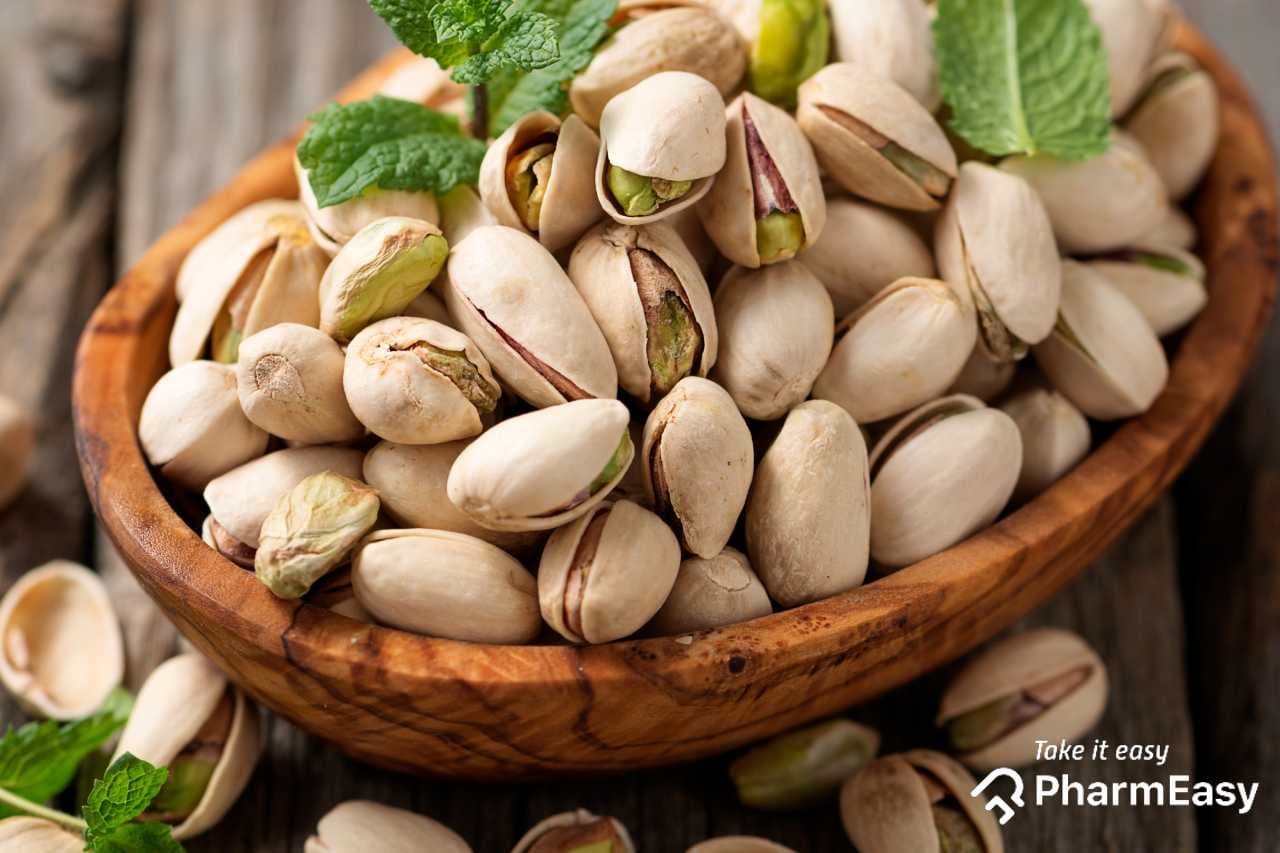
Pistachios, often referred to as the 'happy nut' due to their cheerful green and purple hues, are more than just a delicious snack. They are a nutritional powerhouse, packed with essential vitamins, minerals, healthy fats, and antioxidants. In India, where nuts are traditionally consumed during festivals and auspicious occasions, understanding the daily wellness implications of these nuts can transform them from a celebratory indulgence into a regular well-being habit. These nuts, scientifically known as Pistacia vera, have a rich history and are cultivated in various parts of the world, including regions that experience India's diverse climate.
Practically speaking, integrating pistachios into your daily diet is surprisingly easy. Whether you enjoy them raw, roasted, or as an addition to your favourite dishes, their versatility makes them a convenient choice. The global market for pistachios has seen significant growth, reflecting their increasing recognition as a health food.
India itself is a notable consumer, with consumption patterns influenced by both traditional dietary habits and rising health consciousness. Have you ever wondered why these small nuts command such a considerable place in our dietary recommendations?
Nutritional Profile of Pistachios
A standard serving of pistachios, approximately one ounce (about 49 kernels), offers a remarkable nutritional payload. This small portion provides around 159 calories, predominantly from healthy fats. Think about it this way: a handful of these nuts can offer sustained energy without the sharp spikes and crashes associated with processed snacks.
Here's where it gets interesting.
7 grams per ounce, making them a valuable addition for vegetarians and vegans seeking adequate protein intake. The fibre content is also substantial, around 3 grams per ounce, which aids digestion and promotes satiety.
Pistachios are rich in essential vitamins and minerals. They are particularly high in vitamin B6, crucial for numerous bodily functions, including metabolism and brain development. You'll also find notable amounts of thiamine (vitamin B1), phosphorus, potassium, and manganese.
The presence of antioxidants like lutein and zeaxanthin is another key benefit; these compounds are vital for eye health. The International Nut and Dried Fruit Council (INC) consistently highlights the dense nutrient profile of pistachios in their annual reports, underscoring their importance in a balanced diet.
Health Benefits of Pistachios
Heart Health Champion
Pistachios are exceptionally beneficial for cardiovascular health. Their rich profile of monounsaturated and polyunsaturated fatty acids helps to lower LDL ('bad') cholesterol levels while increasing HDL ('good') cholesterol. Studies published in reputable journals like The Lancet have shown that regular consumption of pistachios can significantly improve endothelial function, meaning the inner lining of your blood vessels functions more efficiently. This is critical because poor endothelial function is a precursor to atherosclerosis, or hardening of the arteries.
The antioxidant content, including polyphenols and tocopherols, also makes a real difference in protecting against heart disease by fighting oxidative stress. Oxidative stress damages cells and contributes to inflammation, a known driver of cardiovascular issues.
It sounds simple. It rarely is.
The fibre in pistachios further aids heart health by helping to manage blood sugar and cholesterol levels. According to the Indian Council of Medical Research (ICMR), cardiovascular diseases remain a leading cause of mortality in India, making heart-friendly food choices paramount.
Weight Management Support
Contrary to the belief that all nuts lead to weight gain, pistachios can actually support weight management efforts. Their high fibre and protein content promote feelings of fullness, helping to curb appetite and reduce overall calorie intake.
The act of shelling pistachios also slows down consumption, providing a mindful eating experience that can prevent overeating. Studies have indicated that individuals who consume pistachios tend to have a lower Body Mass Index (BMI).
A marked portion of the fat in pistachios is not fully absorbed by the body, further contributing to a lower net calorie intake. This 'in-shell effect' and the energy required for shelling can be beneficial for those trying to control their weight.
That's the part worth remembering.
The World Health Organization (WHO) has identified obesity as a major global health challenge, and incorporating calorie-controlled, nutrient-dense snacks like pistachios can be a strategic part of a weight management plan.
Blood Sugar Control
For individuals managing diabetes or at risk of developing it, pistachios offer considerable benefits. Their low glycemic index means they cause a slower, more gradual rise in blood sugar levels after consumption compared to high-carbohydrate foods.
The combination of fibre, healthy fats, and protein helps to stabilize blood sugar. Research suggests that pistachios may boost glycemic control and insulin sensitivity.
The International Diabetes Federation (IDF) reports a growing diabetes burden globally, with India having one of the largest populations of people with diabetes. Including pistachios in the diet can be a practical strategy to help manage blood sugar levels.
However, portion control remains key, especially for those monitoring their carbohydrate and calorie intake closely. Always consult a healthcare provider for personalized dietary advice regarding diabetes management.
Most people overlook this completely.
Gut Health Enhancement
The fibre in pistachios acts as a prebiotic, feeding beneficial bacteria in the gut. A healthy gut microbiome is linked to numerous aspects of well-being, including improved digestion, enhanced immunity, and even better mental well-being. By promoting the growth of good gut bacteria, pistachios contribute to a more robust and resilient digestive system.
So what does that mean for you? A happier, healthier gut can translate to overall improved vitality.
Eye Health Protection
Pistachios are a good source of lutein and zeaxanthin, two powerful antioxidants that accumulate in the retina of the eye. These compounds support protect the eyes from damage caused by harmful blue light and reduce the likelihood of age-related macular degeneration (AMD) and cataracts.
These conditions are marked causes of vision loss, particularly in older adults. Regular intake of antioxidant-rich foods like pistachios can contribute to long-term eye health maintenance.
Rich in Antioxidants
Beyond lutein and zeaxanthin, pistachios contain a variety of other antioxidants, including vitamin E, anthocyanins (responsible for their purple colour), and various phenolic compounds. These antioxidants combat free radicals in the body, which are unstable molecules that can cause cellular damage and contribute to chronic diseases like cancer and heart disease.
Their antioxidant power helps protect your body at a cellular level.
Uses of Pistachios in Indian Cuisine and Beyond
In India, pistachios (known as 'pista') have a long-standing culinary tradition. They are a staple ingredient in many traditional sweets like 'barfi', 'kheer', and 'jalebi'.
During festive seasons, especially Diwali and Eid, pistachios are often used as a garnish for savoury dishes and desserts, adding both flavour and visual appeal. Their distinct flavour complements rich gravies and biryanis, and they are frequently ground into pastes for sauces and marinades.
Recovery is rarely linear.
Beyond traditional Indian preparations, pistachios are incredibly versatile. They can be:
- Added to salads for a crunchy texture and nutty flavour.
- Incorporated into baked goods like cookies, cakes, and muffins.
- Used as a topping for yogurts, oatmeal, and smoothie bowls.
- Blended into pestos or sauces for pasta and other dishes.
- Enjoyed on their own as a satisfying snack.
The unique flavour profile of pistachios means they can transition seamlessly from sweet to savoury applications. Consider incorporating them into your weeknight meals or weekend baking projects for an added nutritional and flavour boost.
Potential Side Effects and Precautions
While pistachios offer numerous wellness benefits, excessive consumption can lead to certain side effects. The most common concern is digestive upset due to their high fibre content.
Consuming too many pistachios at once can cause bloating, gas, or diarrhoea in some individuals. Starting with a small portion and gradually increasing intake can benefit your digestive system adapt.
Pistachios are also relatively high in calories and fat, albeit healthy fats. Overconsumption without adjusting overall calorie intake can lead to unwanted weight gain. Moderation is key; a serving size of about 1 to 1.5 ounces per day is generally recommended for most adults. Have you ever considered how much you are truly consuming in a day?
Allergies to tree nuts, including pistachios, are possible, although less frequent than peanut allergies. Individuals with known tree nut allergies should strictly avoid pistachios.
Additionally, pistachios contain oxalates, which in very high amounts can contribute to kidney stone formation in susceptible individuals. People with a history of kidney stones might want to moderate their intake or consult their doctor.
Some commercially roasted pistachios may be high in sodium. Opting for unsalted or lightly salted varieties is advisable, especially for individuals monitoring their blood pressure.
Here's the thing — reading nutrition labels can make a meaningful difference in making healthier choices. Remember, these nuts are often enjoyed roasted and salted, which can add a substantial amount of sodium to your diet.
The numbers don't lie.
The Bottom Line: A Nutritious Addition
Pistachios are a nutrient-dense food with a wide array of wellness benefits, ranging from improved heart health and blood sugar control to supporting weight management and enhancing gut health. Their rich antioxidant profile also contributes to overall cellular protection.
In India, where dietary habits are increasingly health-conscious, incorporating pistachios into daily meals is a delicious and effective strategy for promoting well-being.
With approximately 101 million Indians estimated to have diabetes (ICMR, 2023), focusing on foods that support manage blood sugar, like pistachios, is particularly relevant. Their versatility in both sweet and savoury dishes makes them an easy addition to any Indian kitchen.
Just remember the importance of portion control and choosing unsalted varieties when possible.
Key Takeaways:
- Pistachios are rich in healthy fats, protein, fibre, vitamins (especially B6), and minerals.
- They significantly benefit heart health by improving cholesterol levels and endothelial function.
- Their fibre and protein content aid in weight management by promoting satiety.
- Pistachios have a low glycemic index, helping to stabilize blood sugar levels, crucial for diabetes management.
- They are packed with antioxidants like lutein and zeaxanthin, beneficial for eye health.
Always consult a qualified physician before making any medical decisions.