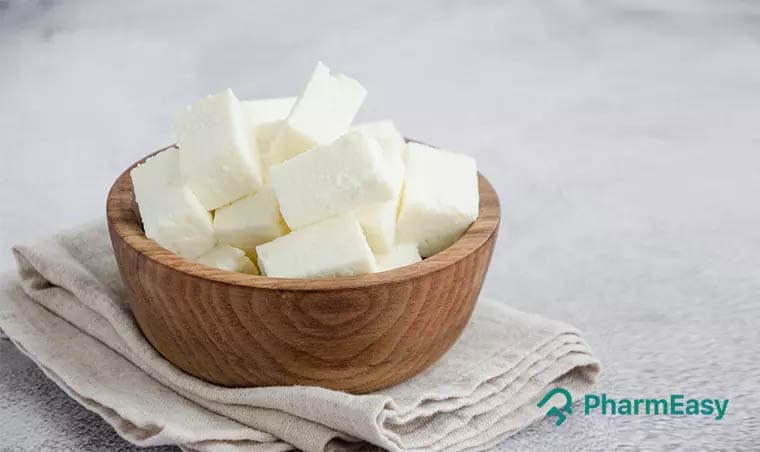
Paneer: A Staple in Indian Cuisine and Its Health Implications
Meena, 45, a homemaker from Jaipur, noticed her energy levels dipping significantly post-monsoon. She loved her daily dose of paneer in sabzis and parathas, but wondered if it was truly beneficial or contributing to her fatigue. This common dilemma reflects the widespread popularity and often debated nutritional profile of this cheese in India.
As a beloved part of Indian culinary traditions, paneer, a fresh, non-aged cheese, offers a unique blend of taste and texture. But what does the science say about its impact on our well-being? Let's explore its uses, nutritional value, and potential drawbacks, drawing on expert insights and data.
Nutritional Powerhouse: Unpacking Paneer's Composition
Paneer is primarily made by curdling milk with a food acid like lemon juice or vinegar, then pressing the curds to remove whey. This process results in a cheese that is exceptionally rich in quality protein and minerals like calcium, making it a valuable food item, especially for vegetarians. A typical 100-gram serving of paneer contains approximately 18-20 grams of protein and around 400-500 mg of calcium. This protein level is comparable to that found in meat or fish, offering a complete protein source with all essential amino acids.
The calcium level is also substantial, contributing significantly to daily requirements. Have you ever wondered why? It’s because the milk solids, rich in these nutrients, are concentrated during the cheesemaking process.
Here's where it gets interesting.
Beyond protein and calcium, paneer provides essential fats, vitamins (like B12 and riboflavin), and minerals such as phosphorus and selenium. However, its fat profile can vary depending on the type of milk used – full-fat milk yields a richer paneer, while skimmed milk produces a lower-fat version.
Practically speaking, understanding this variation is key when incorporating paneer into a specific dietary plan.
Health Benefits of Consuming Paneer
The advantages of paneer are numerous, primarily stemming from its high protein and calcium makeup.
Muscle Health and Growth
The substantial protein level in paneer is crucial for muscle repair, growth, and maintenance. Casein protein, a major component of paneer, is a slow-digesting protein that provides a sustained release of amino acids. This makes paneer an excellent post-workout snack or a beneficial addition to meals for athletes and individuals looking to build muscle mass. Research published in The Lancet has highlighted the importance of adequate protein intake for muscle synthesis, especially in active individuals. Lean muscle is vital. Strong muscles matter.
Bone Strength
Paneer is an outstanding source of calcium and phosphorus, both vital for maintaining strong and healthy bones. Adequate calcium intake is critical throughout life, from childhood development to preventing osteoporosis in older adults. In India, where dairy consumption is high but calcium deficiency can still be prevalent, paneer offers a delicious way to meet these needs.
The International Osteoporosis Foundation (IOF) emphasizes the role of dietary calcium in bone health, and paneer fits perfectly into this context. Strong bones are essential. Healthy bones last.
Weight Management
Despite its fat content, paneer can aid in weight management. The high protein level promotes satiety, helping you feel fuller for longer and reducing overall calorie intake. Think about it this way: protein requires more energy to digest than carbohydrates or fats, potentially boosting metabolism slightly.
Choosing low-fat paneer can further enhance its role in a weight-conscious diet. Over 101 million Indians are estimated to be living with obesity (ICMR, 2023), making nutrient-dense foods like paneer valuable.
That alone changes everything.
Energy Levels
Paneer contains carbohydrates and fats, which are primary energy sources for the body. Including paneer in meals can help prevent energy slumps, particularly important for those with demanding physical or mental workloads.
For instance, a traditional Indian breakfast incorporating paneer parathas can provide sustained energy throughout the morning.
Blood Sugar Control
The low-carbohydrate, high-protein nature of paneer makes it a good choice for individuals managing blood sugar levels. Protein has a minimal impact on blood glucose compared to carbohydrates.
This is particularly relevant given the rising incidence of diabetes in India, with over 77 million adults diagnosed (IDF Atlas 10th Edition, 2021). Honestly, incorporating protein sources like paneer can be a strategic dietary choice.
Nutrient Absorption
Paneer contains vitamin D and K, which play roles in calcium absorption and bone health respectively. The presence of these vitamins, alongside calcium and phosphorus, creates a synergistic effect for optimal bone mineralization.
Culinary Versatility of Paneer
Paneer's mild flavour and firm texture make it incredibly versatile in the kitchen. It readily absorbs marinades and spices, allowing it to feature in a vast array of dishes. From rich gravies like Shahi Paneer and Paneer Butter Masala to dry preparations like Paneer Tikka and Palak Paneer, its adaptability is remarkable.
Here's where it gets interesting.
It can be grilled, fried, crumbled, or stuffed, making it a favourite ingredient during festive seasons when elaborate meals are prepared. Even simple dishes like scrambled paneer (Paneer Bhurji) are a popular breakfast or light meal option. Its use extends beyond main courses; paneer can be incorporated into snacks, appetisers, and even some desserts.
Potential Side Effects and Considerations
While paneer offers significant advantages, excessive consumption or certain preparation methods can lead to adverse effects.
Digestive Issues
For some individuals, particularly those with lactose intolerance or sensitive digestive systems, paneer might cause bloating, gas, or stomach discomfort. This is often due to the fat profile or the presence of lactose, although paneer generally contains less lactose than liquid milk.
In many cases, starting with small portions can benefit assess tolerance.
High Fat and Cholesterol Content
Paneer made from full-fat milk is high in saturated fat and cholesterol. While dietary cholesterol's impact on blood cholesterol is debated, excessive intake of saturated fats is linked to an increased risk of heart disease.
Individuals with pre-existing cardiovascular conditions or high cholesterol levels should opt for low-fat paneer or consume it in moderation. According to WHO guidelines, saturated fat intake should be limited.
Recovery is rarely linear.
Calorie Density
Paneer is calorie-dense. If not consumed in moderation, especially when fried or prepared with rich gravies, it can contribute to unwanted weight gain. A typical serving of Paneer Butter Masala, for instance, can be quite high in calories, fats, and sodium.
Allergies and Intolerances
As a dairy product, paneer can trigger allergic reactions in individuals with milk allergies. Symptoms can range from mild skin rashes to severe anaphylaxis. It's crucial to be aware of potential allergies before consumption.
Preparation Methods
The health impact of paneer is also influenced by how it's prepared. Deep-fried paneer dishes are significantly less healthy than grilled, baked, or lightly sautéed versions. Using excessive oil, butter, cream, and high-sodium sauces can negate the inherent nutritional advantages of paneer.
Incorporating Paneer into a Healthy Diet
To maximise the advantages and minimise potential downsides, consider these tips:
- Choose Wisely: Opt for low-fat paneer if you are managing weight or cholesterol.
- Portion Control: Stick to sensible portion sizes, typically around 50-100 grams per serving.
- Healthy Cooking Methods: Prefer grilling, baking, stir-frying, or adding paneer to vegetable dishes rather than deep-frying.
- Balance Your Meal: Pair paneer with plenty of vegetables and whole grains to create a balanced meal. Avoid pairing it with other heavy ingredients.
- Listen to Your Body: Pay attention to how your body reacts to paneer, especially if you have digestive sensitivities.
So what does that mean for you? It means paneer can absolutely be part of a healthy Indian diet, provided it’s consumed mindfully. Its nutritional profile is impressive, offering substantial protein and calcium. However, mindful preparation and portion control are key to unlocking its advantages without succumbing to its potential drawbacks.
Most people overlook this completely.
Key Takeaways
- Paneer is an excellent source of high-quality protein and calcium, vital for muscle and bone health.
- It can aid in weight management due to its satiating protein level.
- Over 77 million adults in India have diabetes (IDF Atlas 10th Edition, 2021), and paneer's low carbohydrate makeup makes it suitable for blood sugar management.
- Excessive consumption, particularly of full-fat paneer prepared with unhealthy methods, can lead to digestive issues and contribute to weight gain.
- Choosing low-fat options and healthy cooking techniques like grilling or baking is recommended.
Always consult a qualified physician before making any medical decisions.