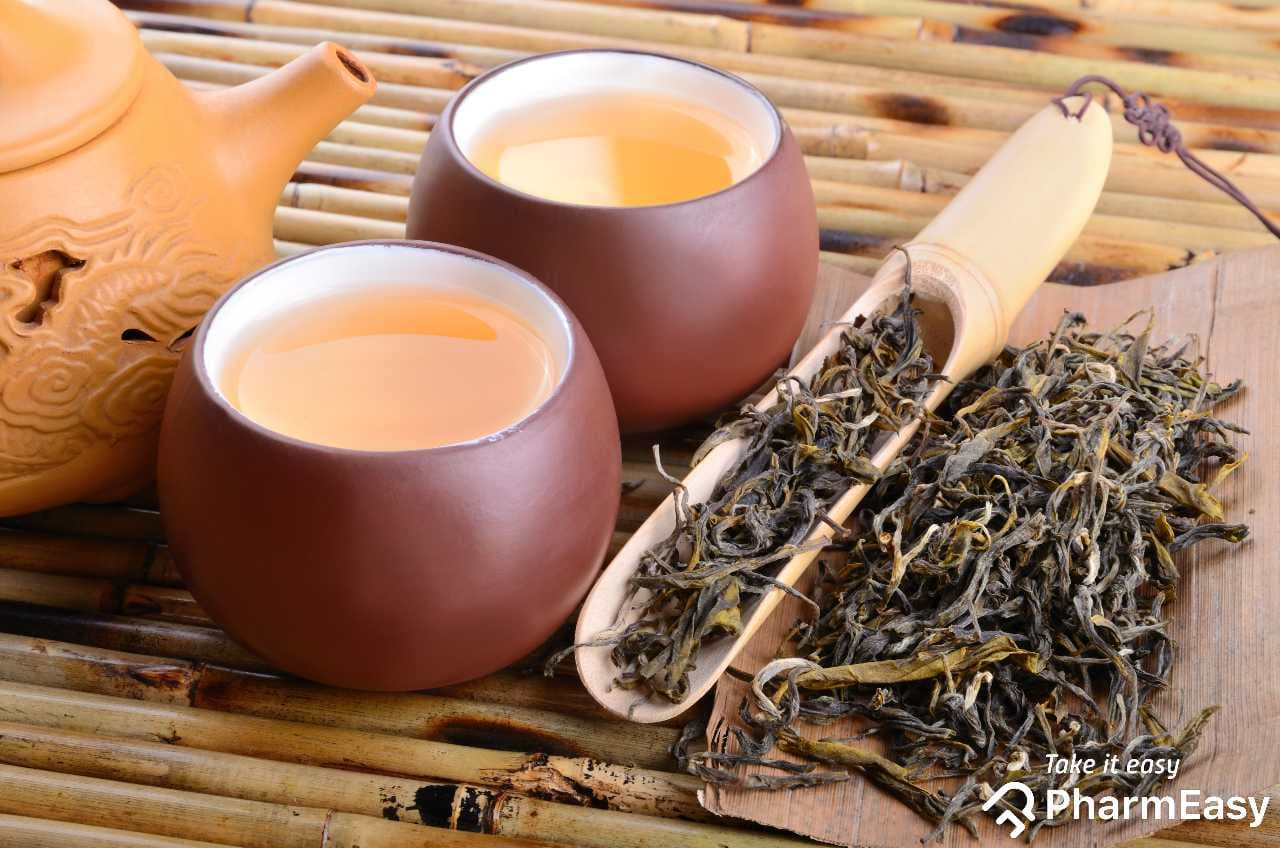
Oolong Tea: A Closer Look at its Uses and Advantages by Dr. Rajeev Singh
Meena, 45, a homemaker from Jaipur, noticed a persistent sluggishness after her midday meals, especially during the hot summer months. She'd always enjoyed her morning cup of chai, but lately, she craved something more – a beverage that could offer a gentle lift without the jitters of coffee, and perhaps even aid her ongoing efforts to manage her weight.
Have you ever wondered why certain teas have gained such a reputation for their wellness-promoting properties? Oolong tea, a fascinating category bridging the gap between green and black teas, has been a staple in traditional Chinese medicine for centuries and is increasingly finding favour among wellness-conscious Indians.
Oolong tea is produced from the leaves of the Camellia sinensis plant, the same plant that gives us green, black, and white teas. Its unique character comes from its partial oxidation process. Unlike green tea, which is unoxidized, and black tea, which is fully oxidized, oolong tea undergoes a process where the leaves are withered, bruised, and then allowed to oxidize partially before being fired. This controlled oxidation can range from about 10% to 80%, resulting in a vast spectrum of flavours, aromas, and, crucially, wellness advantages. The level of oxidation dictates the tea's chemical composition, influencing everything from its taste to its therapeutic effects. This is key.
The Wellness Advantages of Oolong Tea
The appeal of oolong tea extends far beyond its complex flavour profiles. Scientific research, though still evolving, points towards several significant wellness advantages associated with its regular drinking. Many of these advantages are attributed to the rich concentration of polyphenols, particularly catechins and theaflavins, which act as potent antioxidants in the body. These compounds help combat oxidative stress, a key factor in the development of chronic diseases.
They fight damage. They protect cells. This is important.
Weight Management and Metabolism
Perhaps one of the most talked-about advantages of oolong tea is its potential role in weight management. Studies suggest that the polyphenols in oolong tea can activate enzymes that enhance fat breakdown, essentially helping the body to use stored fat for energy. In many cases, this might contribute to a modest increase in calorie expenditure. A study published in the Journal of the Chinese Medical Association indicated that oolong tea drinking was associated with lower body fat percentage and improved lipid profiles. The caffeine content, while lower than in coffee, also contributes by boosting metabolism. It's believed that oolong tea may increase the body's energy expenditure by up to 10% for a short period after drinking. Practically speaking, incorporating oolong tea into a balanced diet and exercise regimen could offer supportive advantages for those aiming to shed a few kilograms.
Cardiovascular Wellness
Maintaining a healthy heart is paramount, and oolong tea might offer some assistance. Research, including findings presented by the Taiwan Lung Cancer Prevention and Treatment Research Foundation, suggests that regular oolong tea drinkers may have a lower risk of developing cardiovascular diseases. The antioxidants present can assist reduce inflammation and improve blood vessel function.
Recovery is rarely linear.
On top of that,, some studies indicate that oolong tea drinking may benefit lower LDL (bad) cholesterol levels, a meaningful chance factor for heart disease. The International Diabetes Federation (IDF) has also highlighted the importance of dietary interventions in managing metabolic wellness, and oolong tea fits into this picture as a potentially beneficial beverage choice.
Diabetes Management
For individuals managing or at possibility of developing type 2 diabetes, oolong tea presents an interesting prospect. Several studies have shown that oolong tea can enable optimise blood sugar control. The polyphenols in the tea are thought to enhance insulin sensitivity, allowing the body to use glucose more effectively. A meaningful study involving over 1000 participants in China found that daily drinking of oolong tea was associated with a reduced likelihood of developing type 2 diabetes.
Over 101 million Indians have diabetes (ICMR, 2023), making any dietary support crucial. While not a substitute for medication or a healthy lifestyle, oolong tea could be a beneficial addition to the diet of individuals concerned about blood sugar levels. It offers support. It's a good choice.
Bone Wellness
Emerging research suggests a potential link between oolong tea drinking and improved bone mineral density. A long-term study conducted in China observed that long-term oolong tea drinkers had a lower incidence of osteoporosis.
Here's where it gets interesting.
The exact mechanisms are still under investigation, but it's hypothesised that the tea's antioxidant and anti-inflammatory properties might play a role in bone metabolism. This is particularly relevant in India, where many traditional practices involve prolonged periods of sitting on the floor, which can put stress on bones and joints.
Gut Wellness and Digestion
The complex microbial ecosystem within our gut, the gut microbiome, is increasingly recognised for its profound impact on overall wellness. Oolong tea, like other fermented or partially fermented beverages, may have a beneficial effect on gut bacteria.
The polyphenols can act as prebiotics, feeding beneficial gut bacteria, and may also aid inhibit the growth of harmful bacteria. A healthier gut microbiome is linked to improved digestion, better nutrient absorption, and even enhanced immune function.
Skin Wellness
The antioxidant power of oolong tea isn't just beneficial internally; it may also contribute to healthier skin. By combating free radical damage, oolong tea can potentially enable protect the skin from premature aging, such as wrinkles and age spots.
The numbers don't lie.
Some preliminary research even suggests that oolong tea may support alleviate inflammatory skin conditions like eczema, although more robust clinical trials are needed in this area. Honestly, while topical treatments are common, internal wellness often reflects on the skin.
Potential Side Effects and Considerations
While oolong tea offers numerous potential advantages, it's essential to be aware of possible side effects, primarily related to its caffeine content and interactions with certain medications.
Caffeine Content
Oolong tea contains caffeine, typically ranging from 30-50 mg per 8-ounce cup, which is less than black tea (around 47-70 mg) and significantly less than coffee (around 95 mg). However, for individuals sensitive to caffeine, excessive drinking can lead to insomnia, nervousness, rapid heartbeat, or digestive upset. Pregnant and breastfeeding women are generally advised to limit their caffeine intake.
So what does that mean for you? It means mindful drinking is key, especially if you're sensitive.
Iron Absorption
Like other teas, oolong tea contains compounds that can inhibit the absorption of non-heme iron (iron from plant sources). If you have iron deficiency anemia or are at danger, it's advisable to drink oolong tea between meals rather than with meals, especially those rich in iron-rich vegetables.
The National Institute of Nutrition (NIN) in India often advises on dietary practices to optimise iron absorption.
Medication Interactions
Oolong tea may interact with certain medications, including blood thinners (like warfarin) and stimulants. The caffeine can potentially amplify the effects of stimulants, while compounds in tea might theoretically affect how the body metabolizes certain drugs.
That alone changes everything.
Always discuss your tea drinking with your doctor if you are on any long-term medication. This is a crucial point, often overlooked amidst the enthusiasm for natural remedies.
How to Prepare and Enjoy Oolong Tea
The preparation of oolong tea is an art form, deeply rooted in tradition, particularly in Chinese tea ceremonies. Getting it right can unlock its full flavour and aromatic potential.
Water Temperature: Unlike green tea (which requires cooler water) or black tea (which can tolerate boiling), oolong tea typically thrives in water heated to around 85-95°C (185-205°F). The precise temperature often depends on the specific type of oolong – lighter, greener oolongs prefer slightly cooler water, while darker, more oxidized ones can handle hotter water.
Steeping Time: A widespread starting point is steeping for 2-5 minutes. However, many high-quality oolongs are designed for multiple infusions. You can often steep the same leaves several times, with each infusion revealing new layers of flavour. Pay attention to the aroma and taste – these are your best guides.
Tea-to-Water Ratio: A general guideline is about one teaspoon (or 2-3 grams) of tea leaves per 8 ounces (about 240 ml) of water. Adjust this based on your preference for strength.
Tea Ware: While any teapot will do, traditionalists often use Yixing clay teapots, which are porous and can absorb the tea's essence over time, enhancing future brews. Even a simple ceramic or glass teapot will work well.
Enjoying oolong can be a mindful experience. Whether you're savouring it during a quiet moment of reflection or sharing it with family, the ritual itself can be as beneficial as the drink.
Oolong Tea in India: Availability and Cultural Context
While oolong tea is not traditionally produced in India on the scale of Darjeeling or Assam black teas, its availability has significantly increased across major cities and online platforms. Specialty tea shops and e-commerce sites now offer a diverse range of oolong varieties, from lighter Tieguanyin to darker Da Hong Pao. Its introduction into the Indian market offers consumers another healthy beverage option, complementing the widely consumed green and black teas.
Considering the cultural emphasis on herbal remedies and natural wellness, oolong tea aligns well with the growing interest in holistic health practices. The World Health Organization (WHO) consistently advocates for dietary patterns rich in plant-based foods and beverages, and oolong tea certainly fits this recommendation.
Key Takeaways
- Oolong tea, partially oxidized, offers a unique spectrum of flavours and wellness advantages distinct from green and black teas.
- It may aid weight management by boosting metabolism and enhancing fat breakdown, with some studies showing increased calorie expenditure.
- Regular drinking is linked to improved cardiovascular wellness, potentially lowering LDL cholesterol and reducing inflammation.
- Oolong tea might assist in blood sugar control by improving insulin sensitivity, relevant given the high prevalence of diabetes in India (over 101 million cases as per ICMR).
- While generally safe, potential side effects include insomnia and digestive issues due to caffeine, and it can inhibit non-heme iron absorption.
Always consult a qualified physician before making any medical decisions.