Monk Fruit (Arhat Fruit): Nature's Sweet Secret Unveiled
Meena, 45, a homemaker from Jaipur, noticed her blood glucose levels creeping up despite trying to control her diet. She was wary of artificial additives and sought an alternative derived from plants. Does this sound familiar?
Many Indians face similar challenges, especially with dietary habits influenced by festivals and traditional cooking. Monk fruit, also known as Arhat fruit or Luo Han Guo, is emerging as a promising, calorie-free option. This ancient Chinese fruit, cultivated for centuries, offers a unique sweetness without the drawbacks of refined carbohydrates.
The journey of monk fruit from a traditional remedy to a modern-day substitute is fascinating. Its history is deeply intertwined with Chinese medicine, where it was used to treat ailments like sore throats and digestive issues.
The fruit’s inherent sweetness comes from compounds called mogrosides, which are intensely sweet yet contain no calories. This makes it an attractive option for weight management and glucose level control.
Recovery is rarely linear.
What Exactly Is Monk Fruit?
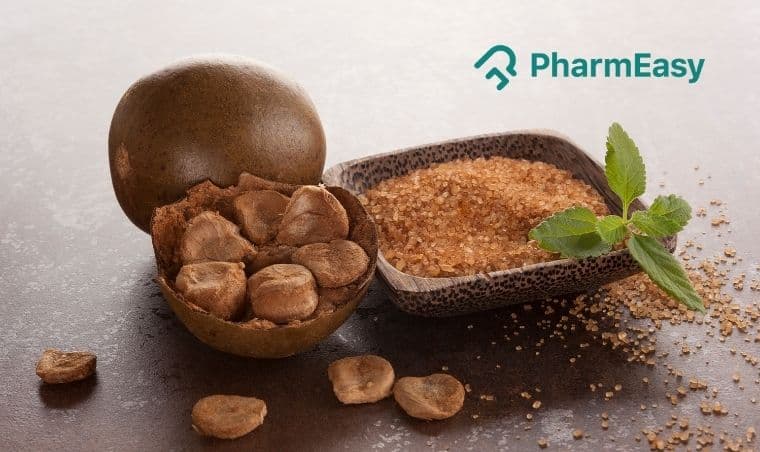
Monk fruit is a small, round green fruit native to Southeast Asia, particularly southern China. It belongs to the gourd family (Cucurbitaceae), related to melons and cucumbers. The fruit's flesh is typically dried and then processed to extract its sweet compounds.
The extraction process involves crushing the fruit, pressing out the juice, and then concentrating the mogrosides through evaporation. These mogrosides are then purified to create a concentrate, often blended with other ingredients like erythritol to improve its texture and solubility, making it easier to use in baking and cooking.
The sweetness of monk fruit extract is remarkable. It can be 100 to 250 times sweeter than regular table sugar. Yet, unlike refined carbohydrates, it has a negligible impact on blood glucose levels.
This is a significant advantage for individuals managing diabetes or seeking to reduce their intake of sweetening agents. The World Health Organization (WHO) has highlighted the global rise in diabetes, with India being a major contributor. Over 101 million Indians have diabetes (ICMR, 2023), making plant-derived, low-glycemic options like monk fruit increasingly relevant.
The Remarkable Benefits of Monk Fruit
The appeal of monk fruit extends beyond its intense sweetness. Research suggests several potential health benefits, though more extensive human studies are needed to confirm them fully.
1. Zero-Calorie Sweetening Power
The most notable benefit is its zero-calorie profile. For individuals aiming for weight loss or maintaining a healthy weight, replacing high-calorie sugars with monk fruit can make a substantial difference.
Here's where it gets interesting.
This aligns with global health trends; the global low-calorie additive market is projected to grow significantly, reflecting increasing consumer demand for healthier alternatives.
2. Blood Glucose Management
Unlike table carbohydrates, monk fruit does not spike blood glucose or insulin levels. The mogrosides are metabolized differently, passing through the digestive system without significantly impacting blood sugar. This makes it an excellent choice for diabetics and those concerned about metabolic health.
Practically speaking, this means enjoying sweet tastes without the detrimental effects of refined carbohydrates. The International Diabetes Federation (IDF) reports that India has the second-highest number of people with diabetes globally, underscoring the need for such alternatives.
3. Antioxidant Properties
Monk fruit contains antioxidants, particularly mogrosides. Antioxidants help combat oxidative stress in the body, which is linked to chronic diseases and aging.
While the antioxidant content isn't as high as in some fruits, it contributes to the fruit’s overall health profile. Some studies, like those published in journals such as *The Lancet*, have explored the role of antioxidants in preventing cellular damage.
4. Anti-inflammatory Effects
Preliminary research indicates that mogrosides may possess anti-inflammatory properties. Chronic inflammation is a root cause of many diseases, including heart disease and certain cancers. Further investigation is required, but these early findings are promising.
That alone changes everything.
5. Traditional Medicinal Uses
Historically, monk fruit was used in traditional Chinese medicine to treat various conditions. It was often brewed into teas to soothe sore throats, reduce fever, and aid digestion. While modern medicine focuses on scientifically validated treatments, acknowledging these historical uses provides context for the fruit's perceived health benefits.
Potential Side Effects and Considerations
While monk fruit is generally considered safe, like any food product, it can have potential side effects, especially when consumed in very large quantities or in specific formulations.
1. Digestive Issues
Some individuals might experience mild digestive discomfort, such as bloating or gas, particularly if the monk fruit additive is blended with sugar alcohols like erythritol. Erythritol, though generally well-tolerated, can cause gastrointestinal upset in sensitive individuals when consumed in large amounts.
Does this sound familiar if you've tried other sugar substitutes?
2. Allergic Reactions
Although rare, allergic reactions are possible. People with known allergies to gourds or cucurbits might want to exercise caution. The reality is, any new food introduced into the diet carries a small risk of triggering an unexpected reaction.
3. Taste Profile
Some users report a slight bitter or metallic aftertaste, especially with highly concentrated extracts. This can vary depending on the brand and the purity of the extract. Many manufacturers blend monk fruit with other plant-derived additives, like stevia or erythritol, to achieve a more balanced flavour profile closer to table carbohydrates.
Recovery is rarely linear.
4. Processing and Purity
The quality and purity of monk fruit additives can vary. It's essential to choose reputable brands that clearly label their ingredients. Some products might contain fillers or other additives that could be undesirable. Always check the ingredient list carefully.
How to Incorporate Monk Fruit into Your Diet
Integrating monk fruit into your daily meals is straightforward, offering versatility in the kitchen.
1. Beverages
Add a few drops of liquid monk fruit extract or a small amount of granulated monk fruit additive to your morning tea, coffee, or smoothies. It dissolves easily and provides sweetness without altering the drink's primary flavour significantly.
2. Baking and Cooking
Granulated monk fruit additives, often blended with erythritol, can be used in baking. They measure similarly to table carbohydrates, making substitutions easier.
However, be aware that monk fruit doesn't caramelize or brown like table carbohydrates, so results in baked goods might differ slightly. This is a common observation when adapting recipes.
3. Sweetening Desserts
Use monk fruit to sweeten homemade yogurt, fruit salads, or oatmeal. It’s a great way to enjoy traditional Indian sweets like kheer or gulab jamun with significantly reduced carbohydrate content, especially during festive seasons when intake tends to rise. Imagine enjoying your favourite Diwali sweets with less guilt!
4. Savory Dishes
In small amounts, monk fruit can even enhance the flavour profile of some savory dishes, balancing acidity or adding a subtle sweetness. This is less prevalent but demonstrates its versatility.
Monk Fruit vs. Other Additives
When comparing monk fruit to other additives, its unique position becomes clear.
1. Monk Fruit vs. Sugar
The primary difference lies in calories and impact on blood glucose. Table carbohydrates provide calories and cause blood glucose spikes, contributing to weight gain and diabetes chance. Monk fruit offers sweetness with zero calories and no blood glucose impact.
Most people overlook this completely.
2. Monk Fruit vs. Stevia
Both are plant-derived, zero-calorie additives. Stevia is derived from the Stevia rebaudiana plant. While both are intensely sweet, some people find stevia has a more pronounced bitter aftertaste than monk fruit. Blends of monk fruit and stevia are popular to mitigate aftertastes.
3. Monk Fruit vs. Artificial Additives
Artificial additives like aspartame and sucralose are chemically synthesized. While they are also low-calorie, concerns about their long-term health effects persist. Monk fruit, being a plant extract, is often preferred by those seeking 'cleaner' ingredients. Practically speaking, the 'plant-derived' label often appeals to consumers.
4. Monk Fruit vs. Sugar Alcohols (Erythritol, Xylitol)
Sugar alcohols are carbohydrates that are incompletely absorbed by the body, leading to fewer calories than table carbohydrates and a lower impact on blood glucose. Erythritol is often blended with monk fruit.
While generally safe, large amounts of sugar alcohols can cause digestive distress. Monk fruit itself doesn't have this issue, but its widespread blends might.
Regulatory Status and Safety
In India, like in many parts of the world, monk fruit extract is generally recognized as safe (GRAS) by regulatory bodies when used as a food additive. The Food Safety and Standards Authority of India (FSSAI) permits its use as a non-nutritive additive. S.
That's the part worth remembering.
Food and Drug Administration (FDA) have approved monk fruit extract for use in foods and beverages. The safety profile is considered excellent for the general population, including pregnant and breastfeeding women, though consulting a doctor is always advised.
The growing acceptance of monk fruit reflects a broader shift towards healthier eating habits. As consumers become more health-conscious, plant-derived additives are gaining traction. The market research firm Mordor Intelligence estimates the global monk fruit additive market to be worth hundreds of millions of dollars and growing robustly.
Remember Meena’s journey? By incorporating monk fruit, she found a way to satisfy her sweet cravings without compromising her health goals. It allowed her to continue enjoying flavorful food, a crucial aspect of life in India where food is central to culture and celebrations.
Floor sitting during family meals or enjoying a festive spread often involves delicious, sweet treats. Finding a balance is key.
Key Takeaways:
- Monk fruit is a plant-derived, zero-calorie additive from the Arhat fruit.
- It is significantly sweeter than table carbohydrates but does not raise blood glucose or insulin levels.
- Potential benefits include weight management support and antioxidant properties.
- Digestive upset is a possible side effect, often linked to blended additives like erythritol.
- Monk fruit can be used in beverages, baking, and cooking as a table carbohydrate substitute.
Always consult a qualified physician before making any medical decisions.